
Sub-health early warning system: SRSHS self-assessment scale and basic definition of "three highs" symptoms
We also need to pay attention to the mild, moderate, and severe levels of sub-health. Mild sub-health can be managed with slight adjustments, while severe sub-health is often intertwined with illness, like the phenomenon we often describe as a push or pull. At this point, the boundary of sub-health can be that the state hasn't lasted long enough (pathological), and the symptoms aren't typical enough to warrant a diagnosis of disease. However, these diagnostic criteria are man-made, and a person's physiological, psychological, and social functions are constantly changing and don't remain unchanged simply because diagnostic criteria have been established. Therefore, regardless of whether we've experienced severe sub-health symptoms on any of our physiological, psychological, or social axes, we must seek early examination and intervention. In this case, in addition to self-care methods, some interventions should utilize professional intervention methods provided by doctors, psychologists, and social workers.
Sub-health issues after disease recovery. After a serious illness, the main symptoms disappear (e.g., neurasthenia, sleep disorders, improved autonomic nervous system function, and resumption of learning, work, and life), but residual symptoms remain (e.g., slightly worse attention, memory, and sexual function than before the illness). These residual symptoms are naturally related to neurasthenia. Every illness involves a period of sub-health during the recovery phase, and paying attention to this sub-health during this time is crucial for preventing disease recurrence. Everyone may experience a sub-health state at different stages of their life, for varying durations and severity. Some sub-health manifests physiologically, others psychologically, and still others in terms of social adaptation, or a combination of both. However, in reality, sub-health is most prevalent between the ages of 30 and 50, and is most common among white-collar and gray-collar workers. A study shows that the average lifespan of middle-aged intellectuals in China is 10 years lower than the general population. Therefore, people, especially young and middle-aged intellectuals, must be mindful of their sub-health conditions while contributing to the country, society, their careers, and their families, so that our lives can smoothly transition from sub-health to health.
The Sub-Health Self-Rating Scale (SRSHS) was developed by the authors. The scale consists of 30 items, divided into three factors: physical, psychological, and social functioning. Participants are required to rate each item based on their personal feelings over the past month, categorizing them into five levels: "None," "Very Mild," "Moderate," "Severe," and "Severe." Ten items inquire about physical discomfort; 15 about psychological issues, including feelings of depression, distress, fatigue, helplessness, low self-esteem, despair, anxiety, anger, and irritability; and 5 about impaired social functioning. Higher scores indicate poorer health. The selected participants had no physical illnesses or mental disorders, conforming to the population distribution and definition of sub-health as revealed by the Sub-Health Research Institute. The scale demonstrates good reliability and validity. Reliability was verified by test-retest reliability, with a two-week interval between tests. The calculated correlation coefficient r = 0.8746, p < 0.0005, indicating good reliability of the scale. At the time of enrollment, participants were excluded from having physical illnesses or mental disorders, and were therefore considered to be in a healthy or sub-healthy state. We designed corresponding items from three aspects: physical, psychological, and social, using a five-level rating system. The indicators consist of a total score and factor scores. We defined a relatively perfect state as 30-39 points; a sub-healthy state as 40-69 points; and a state of illness as 70 points or above. The development process referenced a large amount of research data, combined with our clinical experience, striving to reflect the state of people in sub-health while also being simple and easy to use. The SRSHS self-assessment scale achieved good results. In a survey of employees of a large foreign-invested enterprise, it was found that 21% were healthy, 9% were ill, and the remaining 70% were in a sub-healthy state. 40-49 points indicated a mild sub-healthy state, 50-59 points indicated a moderate sub-healthy state, and 60-69 points indicated a severe sub-healthy state. Sub-health Self-Assessment Scale (SRSHS): Please check the corresponding options based on whether you have experienced the following feelings in the past month. (Options: None, Mild, Moderate, Severe, Very Severe)
1. Lately, I often feel listless and uninterested in anything.
2. Lately, I often feel panicked, as if a disaster is about to happen.
3. Back pain and muscle aches.
4. Life feels bleak, and I often feel depressed.
5. My heart is pounding, and I have difficulty breathing.
6. After working for an hour, I feel physically exhausted and mentally sluggish.
7. I don't want to face colleagues and superiors and have a desire to escape.
8. I don't feel any enjoyment or accomplishment at work; it has become a complete burden.
9. I have poor sleep quality and still feel groggy after waking up in the morning.
10. My work efficiency has decreased, and my superiors have expressed their dissatisfaction.
11. I have a decreased appetite; even food that I like tastes bland.
12. I often feel tired and crave rest, but it's difficult to recover even with rest. 13. Significant weight loss; often wakes up with sunken eyes and a protruding chin.
14. Familiar work feels incredibly difficult; feels something is wrong.
15. Loss of enthusiasm for gatherings with friends, to the point that many close friends have gone without contact for a long time.
16. Hair loss upon waking, often a few strands; this has become frequent lately.
17. Feels very irritable and appears indignant.
18. Hands and feet are always cold.
19. Can't remember things planned yesterday; this has been happening frequently lately.
20. Often doubts self-ability, hesitant to try new things, and feels both envious and jealous of others' success.
21. Feels lost and disoriented by the rapid pace of societal development, believing the times have left them behind.
22. Decreased libido; indifferent to intimacy from a partner, secretly doubting one's sexual ability.
23. Feels lonely, burdened with worries but unable to find anyone to confide in. 24. Feeling pitiful and hoping someone can protect you.
25. Feeling overwhelmed and unable to cope when things get busy.
26. Spouse and children are dissatisfied with you.
27. Life lacks passion; rarely encountering anything that brings joy; spending days in a daze.
28. Prone to colds; always catching a cold when the flu season starts.
29. Extremely sensitive to urban pollution, noise, and crowds; finding it unbearable and yearning for peace and quiet.
30. Feeling things are getting worse and seeing no signs of improvement. Faced with sub-health, some people pay attention to learning relevant medical and health knowledge, objectively and correctly dealing with this phenomenon, and maintaining a relative balance of spirit, emotions, yin and yang, and qi and blood through active and effective exercise and treatment, thus transforming sub-health in a positive direction.
However, some people have misunderstandings about health and disease. They rush to the hospital for various tests and take numerous medications at the slightest discomfort. Others learn various forms of "qigong" and take all sorts of tonics simultaneously, which not only fails to alleviate their original symptoms but also exacerbates their mental burden, even developing into a kind of "psychological illness."
Therefore, to overcome sub-health, one should learn correct health knowledge, address the root causes, and treat the condition scientifically, tailoring treatment to the individual. Symptoms should not be ignored, nor should one be impatient for quick results.
Caring for Yourself: Improved living standards have, to some extent, contributed to a decline in health. High blood pressure, high cholesterol, and high blood sugar—the "three highs"—are common symptoms among urban dwellers. In the early stages of these conditions, there may be no obvious discomfort; therefore, prevention is paramount. This chapter, based on a detailed explanation of the "three highs," provides numerous case studies to help you correctly address this easily overlooked condition. Let's see what "the three highs" are. Newspapers and radio and television are talking about "staying away from the three highs and having good health" every day. But until now, I still don't understand what "the three highs" are. Luckily, Dr. Kang's clinic is right in front of me, so I'll ask him properly! Dr. Kang: Recently, although the symptoms of the people who come to me for consultation are different, the questions they ask are similar. The most common question is, "Doctor, do I have 'the three highs'?" It seems that "the three highs" have attracted people's attention, but they don't understand what "the three highs" are. "The three highs" is a general term for three symptoms in the body. These three symptoms are "high blood pressure, high blood sugar, and high blood lipids".
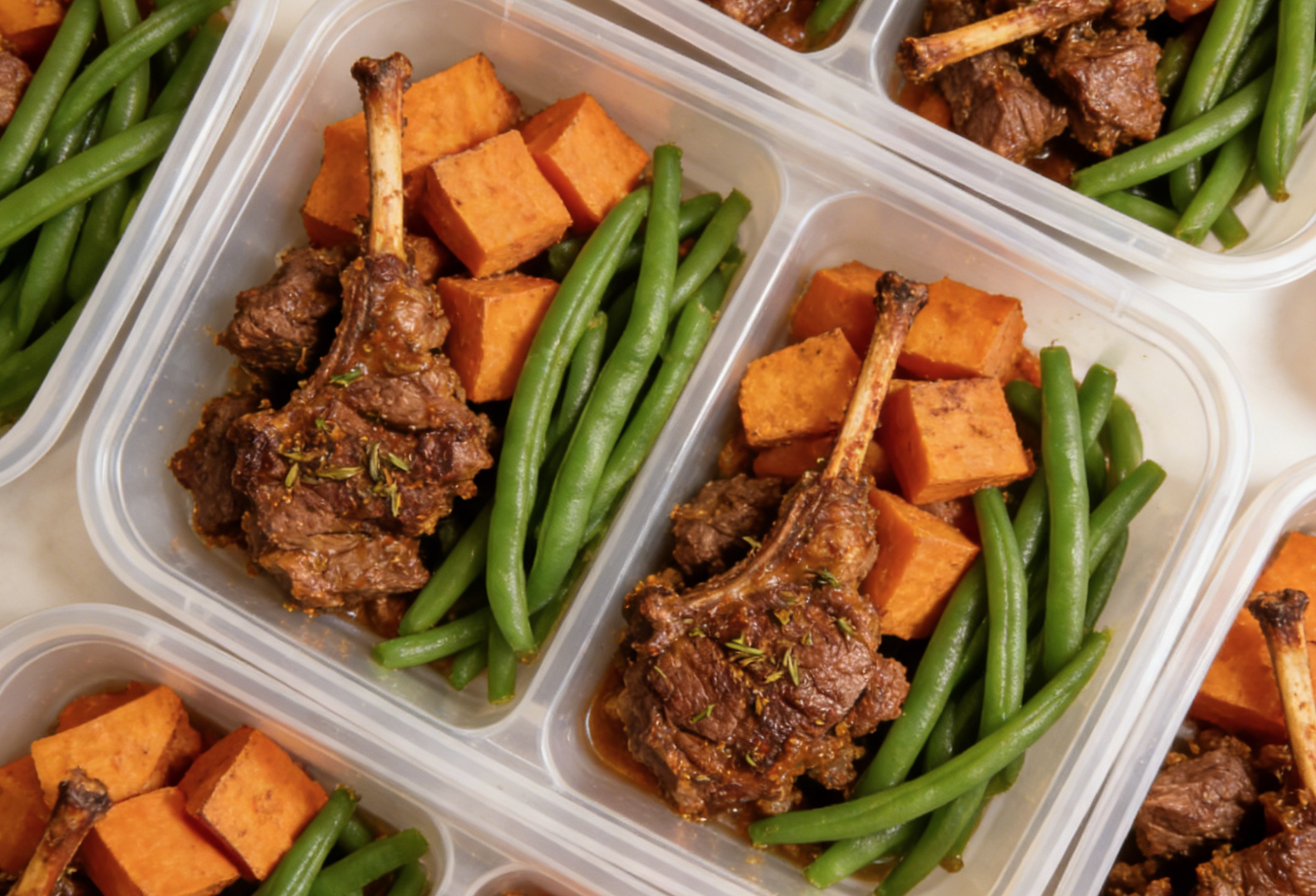
Winter Nutrition Recipes for People with High Cholesterol: Three Lamb Dishes Explained
This article provides three nutritious recipes suitable for winter for people with high cholesterol, including stir-fried lamb with scallions and lamb with cumin. These dishes emphasize the combination of ingredients, satisfying taste while helping to scientifically manage blood lipids. A reasonable diet is an important foundation for regulating blood lipids, and patients with high cholesterol can refer to these recipes.
2026-03-06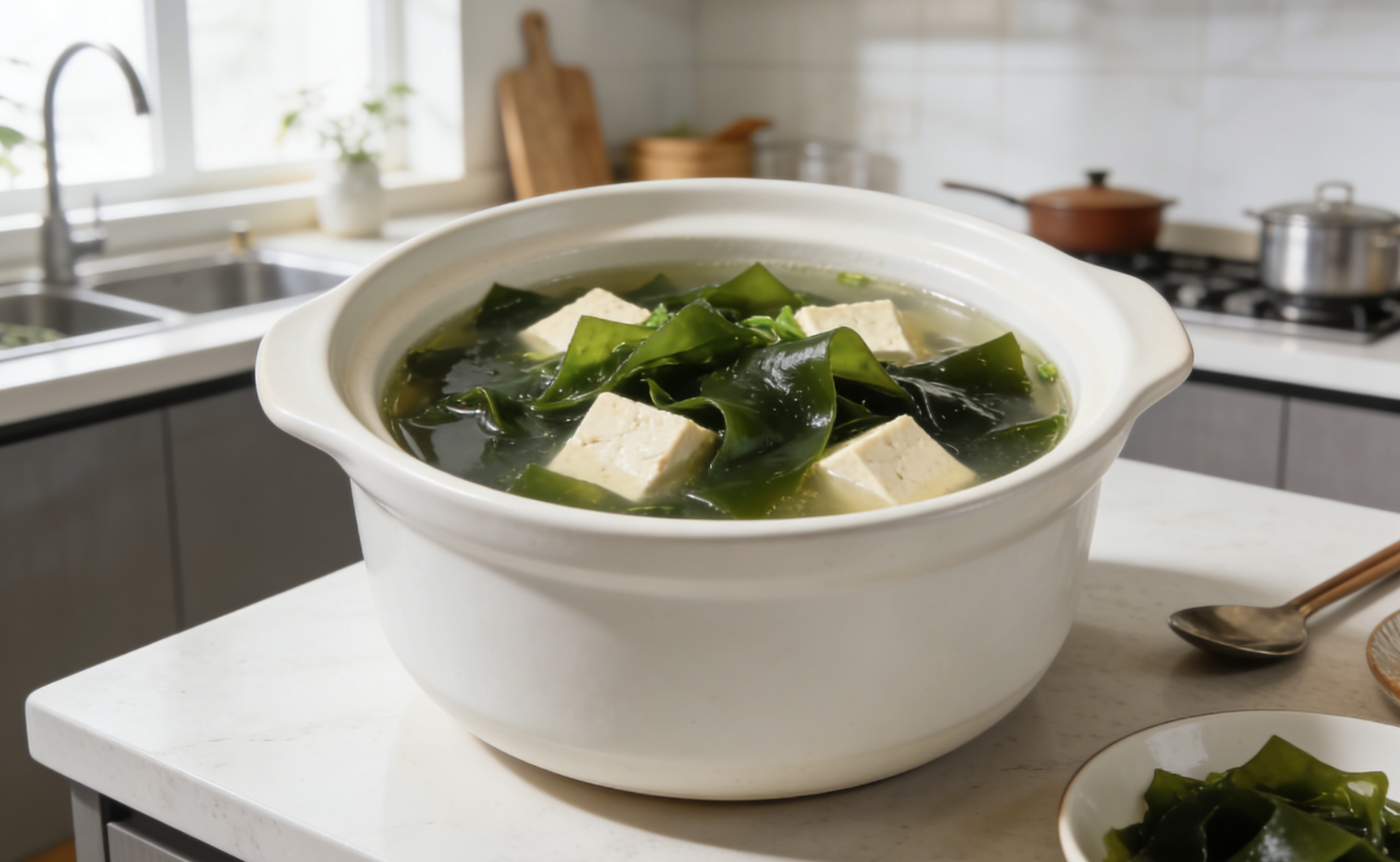
Four healthy recipes for lowering blood lipids: Braised cauliflower and stewed tofu with kelp, etc.
This article introduces four healthy recipes that can help lower blood lipids, including braised cauliflower and stir-fried broad beans with shrimp. These dishes use specific ingredients such as cauliflower and kelp, which can help regulate blood lipids and are suitable for daily consumption by people with high blood lipids, helping to manage their blood lipid levels.
2026-03-06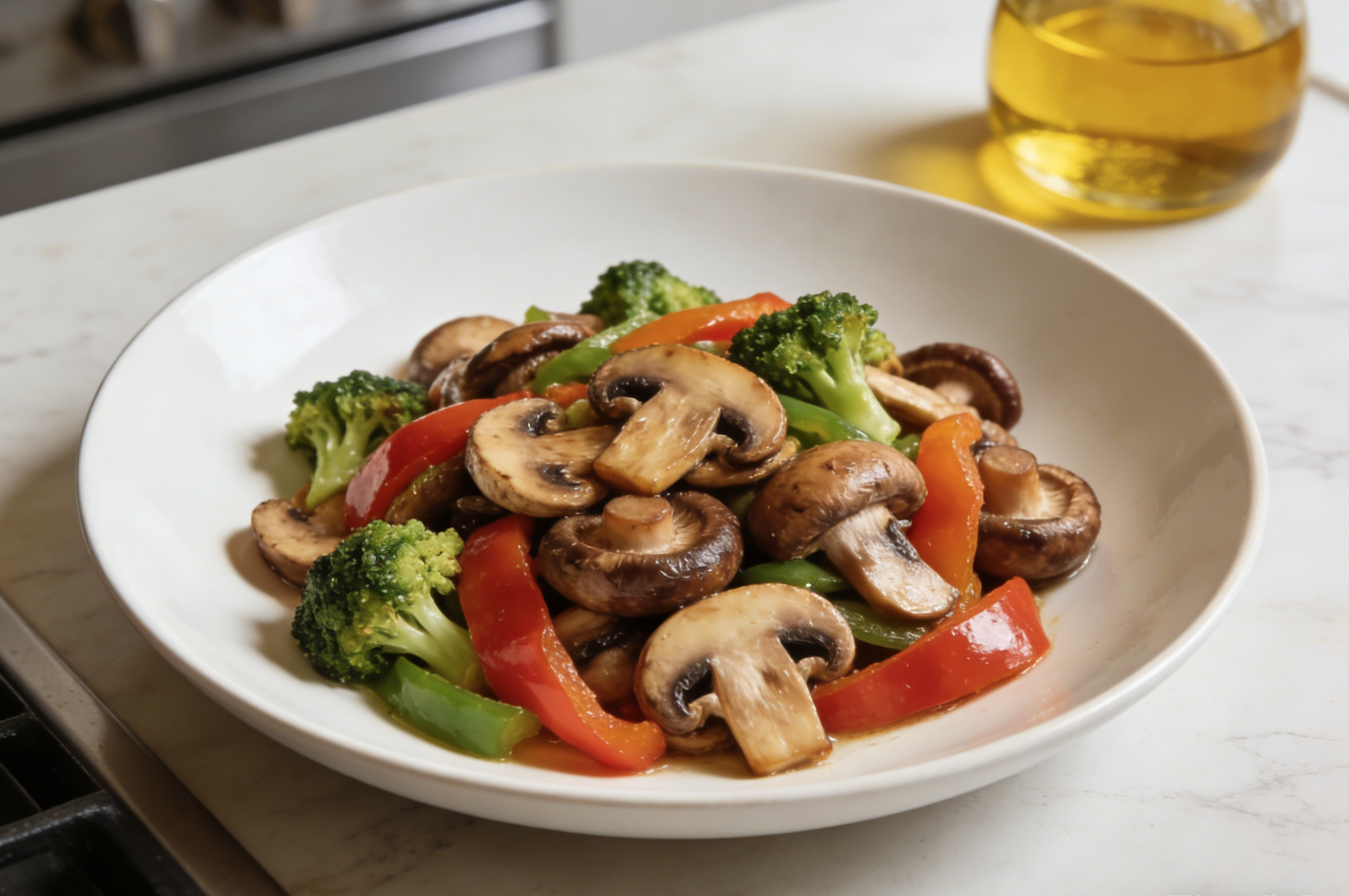
Five carefully selected home-style recipes for lowering blood lipids: Braised Three Mushrooms with Hawthorn and Herring Slices
This article shares five carefully selected home-style recipes, such as Braised Three Mushrooms and Hawthorn Fish Fillets, to help people with high cholesterol manage their blood lipids through diet. These recipes emphasize ingredient pairings and are designed to help lower blood lipids, making them suitable for everyday cooking.
2026-03-06