
Scientific intervention in lifestyle: a comprehensive strategy for exercise, diet, and obesity management
Alcohol consumption. Alcohol increases the incidence of cardiovascular and cerebrovascular diseases through multiple mechanisms, including raising blood pressure, causing a hypercoagulable state, arrhythmias, and reducing cerebral blood flow. Alcohol intake is directly related to hemorrhagic stroke. Long-term heavy drinking and acute alcohol poisoning are risk factors for cerebral infarction in young people. Similarly, heavy drinking is a risk factor for ischemic stroke in the elderly. It is now clear that drinking more than 50ml (1 liang) of spirits, more than 640ml of beer, or more than 200ml of wine per day for men (women should halve this amount). Recommendation: It is not recommended for non-drinkers to use small amounts of alcohol to prevent cardiovascular and cerebrovascular diseases; pregnant women should abstain from alcohol altogether. Drinkers must drink in moderation and avoid binge drinking; the daily alcohol content of men should not exceed 20-30g, and women should not exceed 15-20g.
Lack of physical activity. Lack of physical activity is one of the fundamental causes of the high incidence of cardiovascular and cerebrovascular diseases. Regular physical activity and exercise have many benefits in reducing the risk of cardiovascular and cerebrovascular diseases. Appropriate physical activity can improve cardiac function, increase cerebral blood flow, and improve microcirculation; the vasodilatory effect after exercise can lower blood pressure; exercise improves insulin sensitivity, promotes glucose metabolism, and helps control blood sugar levels; it promotes the restoration of normal lipid metabolism and reduces weight; regular physical activity can also increase the activity of plasma t-PA and reduce plasma fibrinogen and platelet activity, achieving an anti-thrombotic effect. The combined effects can effectively prevent cardiovascular and cerebrovascular diseases. Recommendation: Adults should engage in moderate physical exercise at least 3-4 times a week, with each session lasting at least 30 minutes (such as brisk walking, jogging, cycling, or other aerobic exercises). It is important to emphasize that increasing regular and moderate physical activity is an important component of a healthy lifestyle. Combined with appropriate drug treatment, its effect in reversing risk factors and preventing cardiovascular and cerebrovascular diseases is very significant.
Unreasonable dietary nutrition. Studies suggest that people who eat more fruits and vegetables daily have a 31% lower relative risk of cardiovascular and cerebrovascular diseases. Increasing daily intake of fruits and vegetables by 2-3 ounces can reduce the risk of stroke by 6%. In recent years, due to the general improvement in living standards, dietary habits are undergoing significant changes. The proportion of animal-based foods has increased significantly, especially fat intake. Excessive intake of fat and cholesterol can accelerate the formation of arteriosclerosis, thereby affecting the normal function of the cardiovascular system and easily leading to cardiovascular and cerebrovascular diseases. In addition, the salt intake of Chinese residents, especially those in the north, is too high. Excessive salt intake can raise blood pressure and promote the formation of arteriosclerosis, which is closely related to the occurrence of cardiovascular and cerebrovascular diseases. Recommendations: A diverse daily diet is encouraged, ensuring comprehensive and balanced nutrition with low calorie intake. Salt intake should be limited (<6g/day). Generally, northerners should reduce their current salt intake by half, and southerners by one-third. An ideal dietary structure should include: 500g vegetables; 250g fruit; 1 egg; 50-100g fish; 50-100g meat; 250g milk; 250-400g grains (grains, potatoes, beans); 25-50g soy products or nuts; and 25g vegetable oil. If you are overweight, you should reduce your food intake to reach your ideal weight (height in cm - 105 ± 10%). If your physical activity increases, you can increase your food intake accordingly. When you cannot guarantee a nutritionally complete and balanced diet every day, or if you are overworked or under special circumstances, you can supplement with multivitamins and trace element tablets.
Obesity. Obese people are prone to cardiovascular and cerebrovascular diseases, which is inseparable from the fact that obesity leads to hypertension, hyperlipidemia, hyperglycemia, and insulin resistance. Obese individuals who are more than 20% over their ideal weight have a significantly increased risk of hypertension, diabetes, or coronary heart disease. The relative risk of cardiovascular and cerebrovascular diseases in obese individuals is more than twice that of obese individuals. The relative risk of ischemic stroke also increases with increasing BMI. The relative risk is 1.75 for a BMI of 27-28.9, 1.90 for 29-31.9, and 2.37 for over 32. There is also some evidence that weight gain after age 18 also increases the risk of cardiovascular and cerebrovascular diseases. However, abdominal obesity is more closely associated with cardiovascular disease than increased body mass index (BMI) or uniform obesity. Studies indicate that when a man's waist circumference exceeds 85 cm and a woman's exceeds 80 cm, the risk of hypertension and diabetes increases by 3.5 and 2.5 times, respectively; when other risk factors are present, the risk increases by more than 4 times.
Weight loss is very difficult for many patients. Health education and guidance are crucial. Patients must understand that simply dieting or reducing calorie intake is often ineffective in controlling weight; a combination of physical activity and a balanced diet is essential. This is because the body possesses a unique ability—strategies learned by our ancestors over millions of years of evolution to combat famine, conserve energy, and sustain life. During dieting, the body may mistakenly perceive a "famine" and activate "famine-famine" mechanisms: automatically lowering the body's metabolic rate (e.g., reducing body temperature, heart rate, endocrine function, and prolonging sleep cycles) and reducing the regeneration and function of non-vital tissues (e.g., hair, nails, skin, immune cells, brain and nerve activity, menstruation, and sexual function). Once dieting stops, the body automatically increases appetite and replenishes fat reserves to prepare for the next "famine." As a result, weight loss during the dieting period is difficult and slow, accompanied by a decline in overall health. After stopping dieting, fat mass and weight rapidly increase, often exceeding pre-diet levels.
The correct way to lose weight is to: reduce calorie intake, maintain a rich and balanced diet (vitamins, minerals, trace elements, etc.), and ensure sufficient intake of high-quality protein (protein intake can improve the body's metabolic rate, increase energy expenditure, and reduce the degeneration and functional decline of body tissues and organs); increase mental and physical activity and exercise to increase metabolism and energy expenditure, bringing the body back to a normal state and gradually controlling weight. In short, "watch what you eat and exercise more." Recommendations: Adopt a healthy lifestyle, a reasonable diet, and increased physical activity to lose weight and reduce the risk of cardiovascular disease; promote a healthy lifestyle and good eating habits. Adults should have a BMI (kg/m²) of <25 and a waist-to-hip ratio of <1, or a simple estimate: ideal weight = height (cm) - 105, with weight fluctuations within 10% of the ideal weight.
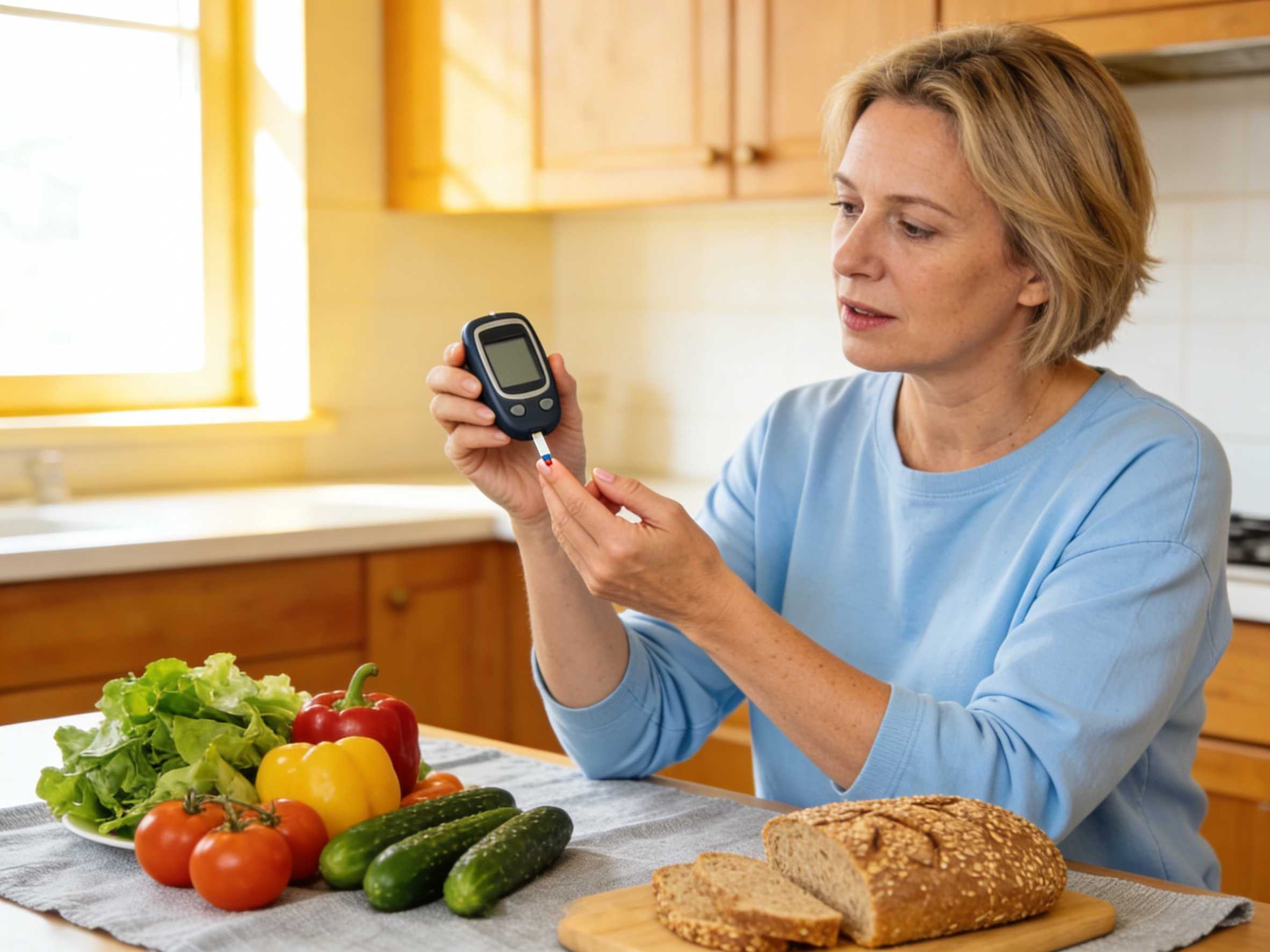
The "Five Horses Driving the Cart" Approach to Diabetes Prevention
This article reveals the decisive influence of mentality on the outcome of the disease through the story of the psychological experiment of Zhang and Li who "taken the wrong test sheet". The comprehensive strategy for diabetes prevention and treatment – the “five-horse carriage” model, covering health education, diet, exercise, medication and monitoring, was then detailed. The article finally turns to the field of blood lipids, systematically defining the composition of blood lipids and their physiological functions as energy storage, focusing on the analysis of high-density lipoproteins, a good “oil” that guards health.
2026-03-20
A Comprehensive Analysis of Blood Lipids: From Basic Knowledge to Health Management
Blood lipids are a general term for lipids in blood plasma and are essential for the body's energy supply. Understanding the classification and dangers of hyperlipidemia, paying attention to blood lipid testing, and maintaining blood lipid balance through a healthy lifestyle can effectively prevent related metabolic diseases.
2026-03-20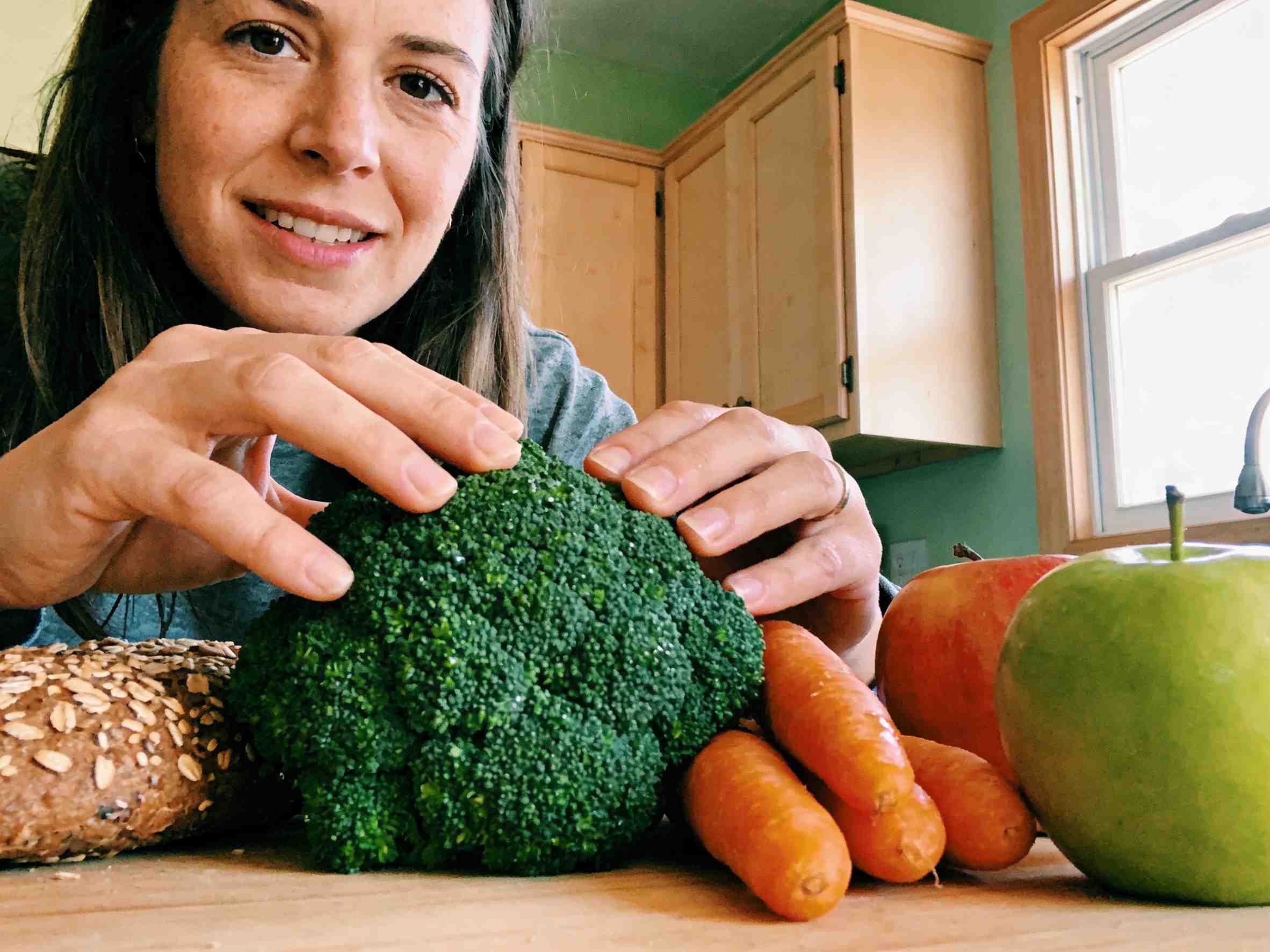
The corrosive effects of "bad fats" and vascular crises: Family cases of hyperlipidemia and dietary defenses
Low-density lipoprotein (LDL) is figuratively called "bad oil," and its excessive accumulation is a root cause of cardiovascular and cerebrovascular infarctions. This article, through the poignant case of four generations of a family suffering from hyperlipidemia, reveals the dual destructive power of poor dietary habits and genetic factors, and describes in detail specific signs such as xanthomas. The article then shifts to behavioral medicine intervention, providing a detailed analysis of the "Chinese Dietary Guidelines" and ten principles of a healthy diet, aiming to help readers cut off the causes of abnormal blood lipids at their source.
2026-03-20