
A Comprehensive Analysis of Blood Lipids: From Basic Knowledge to Health Management
When it comes to rest, everyone says, "You have to learn how to work, but you don't need to learn how to rest; we know it all!" But do we really know it all? Actually, no. In life, we often see people with high blood sugar taking sick leave at home, only to find their condition worsening, even they themselves don't understand: "I haven't done anything, I've just been lying around all day." The problem lies in "just lying around."
Looking at the centenarians throughout Chinese history, there are many farmers who toiled their entire lives, and also many high-ranking monks who meditated daily. Is the key to longevity exercise or stillness? In the words of a philosopher, "A calm mind and active body, a balance of activity and stillness. That is, nourishing the mind through stillness, nourishing the body through activity, combining activity and stillness, complementing each other." Therefore, people with high blood sugar should choose exercises suitable for their physical condition and exercise daily. For example, go outdoors to breathe fresh air after sunrise every day. Listen to music after breakfast. Practice Tai Chi after 9 am (avoid the period from 6 am to 9 am, which is a high-risk time for cardiovascular and cerebrovascular diseases), for about 30 minutes. At noon, help your family with some household chores, such as picking vegetables and washing fruit. Take a nap from 1 pm to 3 pm after lunch. After waking up, read the newspaper, read books, or practice calligraphy or painting. Take a 20-30 minute walk after dinner. Then watch the news, watch your favorite TV programs, or chat with your family. Go to bed before 10 pm. Rest should be moderate and depend on your own situation. Exercise should also be moderate, otherwise "excessive activity will cause harm."
Modern medicine and psychology both believe that "a calm mind can regulate the nerves, slow the heart rate, relax the body, slow breathing, and harmonize the physiological activities of various organs, which is beneficial for disease prevention, health maintenance, and longevity." Dr. Kang advises: People newly diagnosed with diabetes are afraid of getting "terrible." But some people who have had the disease for decades have controlled it very well, which is truly "remarkable." From "terrible" to "remarkable," they have gone through a long, difficult, and struggled process. Summarizing their experiences, it has been found that diabetic patients must adhere to "ten things not to do." You can't be greedy, you can't be lazy, you can't be impatient, you can't overwork, you can't get angry, you can't be numb, you can't be careless, you can't be one-sided, you can't treat it haphazardly, and you can't just do it all at once!
Good and bad blood lipids
If we compare our body to a speeding car, then the factors that enable this car to run fast and smoothly are not only related to the car's performance but also to the fuel it burns. Good fuel makes it run fast; bad fuel leads to many problems. Blood lipids in the human body are like the fuel in a car; their quality directly affects the body's dynamics. Let's take a closer look at blood lipids. Kangdaifu Health Clinic conducted health checkups for 700 "white-collar workers," and the results were surprising. Why surprising? Because these "white-collar workers" were "elites" from various industries aged 25-50, and apart from some being overweight, they appeared perfectly normal. However, among these seemingly normal "elites," 15% to 20% suffer from three typical endocrine system diseases: hyperlipidemia, obesity, and hypertension. This is truly worrying! Some others, while not diagnosed with hyperlipidemia, already exhibit obvious symptoms of "high blood lipids," a phenomenon commonly referred to as "sub-health."
To help these "elites" quickly escape this "sub-health" state, my husband provides them with health education: What are blood lipids? Why do blood lipids increase? What are the dangers of high blood lipids? How to avoid high blood lipids, etc.
Turning to a biochemistry textbook, we see that lipids include two main categories: fats and lipoids. Fats consist of triglycerides composed of one molecule of glycerol and three molecules of fatty acids. Lipids mainly include phospholipids, cholesterol, cholesterol esters, and glycolipids. Most lipids in the human body are stored as triglycerides in subcutaneous and abdominal adipose tissue, called storage lipids. Storage lipids can be hydrolyzed by lipases in the body into glycerol and fatty acids, which are released into the bloodstream and called blood lipids. Blood lipids are the general term for lipids in blood plasma, with cholesterol, triglycerides, and phospholipids being the main components. Simply put, blood plasma is the liquid portion of blood, the internal environment for blood cells. It accounts for about 4%–5% of body weight, is pale yellow, and transparent. It contains 90%–92% water and 8%–10% various solutes, including lipids. Lipids entering the bloodstream are like "oil" in the blood, available for oxidation and decomposition by various tissues. Normal fasting blood lipid levels: Component Concentration (mmol/L) Total Cholesterol 2.80–5.85 (Free cholesterol accounts for 25%–40%) Triglycerides <1.80 Phospholipids 1.60–3.90 Plasma lipoproteins are the carriers of blood lipids. Because blood lipids are insoluble in water, they must bind to lipoproteins to dissolve and exist in lipoprotein form. Plasma lipoproteins are classified by density into four types: chylomicrons (CM), very low-density lipoprotein (VLDL), low-density lipoprotein (LDL), and high-density lipoprotein (HDL). Some say that carrier lipoproteins are like boats, carrying blood lipids and circulating them in the blood to deliver energy to the body. The proper functioning of carrier lipoproteins affects the function of blood lipids. Hyperlipidemia is a disease. Hyperlipidemia and hyperlipoproteinemia are not entirely the same thing. Hyperlipidemia refers to plasma lipid levels exceeding the normal upper limit. Hyperlipoproteinemia refers to plasma lipoprotein levels exceeding the normal upper limit. Since most blood lipids bind to plasma lipoproteins for circulation throughout the body, hyperlipidemia is reflected in hyperlipoproteinemia.
Hyperlipidemia is divided into two categories:
1. Primary hyperlipidemia—often seen in congenital defects and is the main cause of familial hypercholesterolemia.
2. Secondary hyperlipidemia is seen in:
(1) Diabetes mellitus;
(2) Arteriosclerosis;
(3) Nephrotic syndrome;
(4) Hypothyroidism;
(5) Obesity and other metabolic diseases.
The World Health Organization (WHO) classifies primary hyperlipidemia into six categories. I. Hyperchylomicronemia: Clinically rare
Ia. Hyperβ-lipoproteinemia: Clinically common
Ilb. Hyperβ-lipoproteinemia, hyperpreβ-lipoproteinemia: Clinically common
III. Broad β-lipoproteinemia: Clinically rare
IV. Hyperpreβ-lipoproteinemia: Clinically common
V. Hyperchylomicronemia, hyperpreβ-lipoproteinemia: Clinically uncommon
Types IIa and IV have the highest incidence in China. Type Ia is characterized by normal triglycerides and elevated cholesterol. Type IV is characterized by elevated triglycerides and normal or elevated cholesterol. Knowing which type of disease you have is crucial for rational and correct medication. Besides individual constitution, health is also related to the "oil" that provides energy in the body; good "oil" promotes health.
What is good "oil" in the human body? Good "oil" is high-density lipoprotein (HDL) in the blood. High-density lipoprotein (HDL) is produced and secreted into the bloodstream by liver and small intestinal cells. It exchanges with chylomicrons and very low-density lipoprotein (VLDL) to promote its maturation and function. It also recycles free cholesterol from the membranes of aging and dead cells in various tissues, returning it via the bloodstream to the liver, where it is converted into bile, hydrochloric acid, and excreted.
From the above description, we can see that the physiological function of HDL is to remove excess cholesterol from the blood, lowering plasma cholesterol levels and preventing hyperlipidemia. To find out your own HDL levels and understand your cholesterol intake, you can visit a reputable hospital's internal medicine department. If the doctor deems a blood rheology test necessary, you can then have the test done at a biochemistry lab. This will reveal your HDL levels. The normal fasting HDL level for adults is 0.88-1.63 mmol/L (the normal range may vary between hospitals because different hospitals use different standards; refer to the normal range on your lab report). Testing biochemical indicators such as blood glucose and hemorheology requires fasting. What constitutes fasting? Fasting generally means that the person being tested should maintain their usual lifestyle the night before, eating normal meals that are light and bland. Avoid alcohol, coffee, and strong tea after dinner, and get a good night's sleep. The next morning, skip breakfast, drink little or no water, avoid morning exercise, and calmly go to the hospital to wait for the blood draw. This is what fasting means.
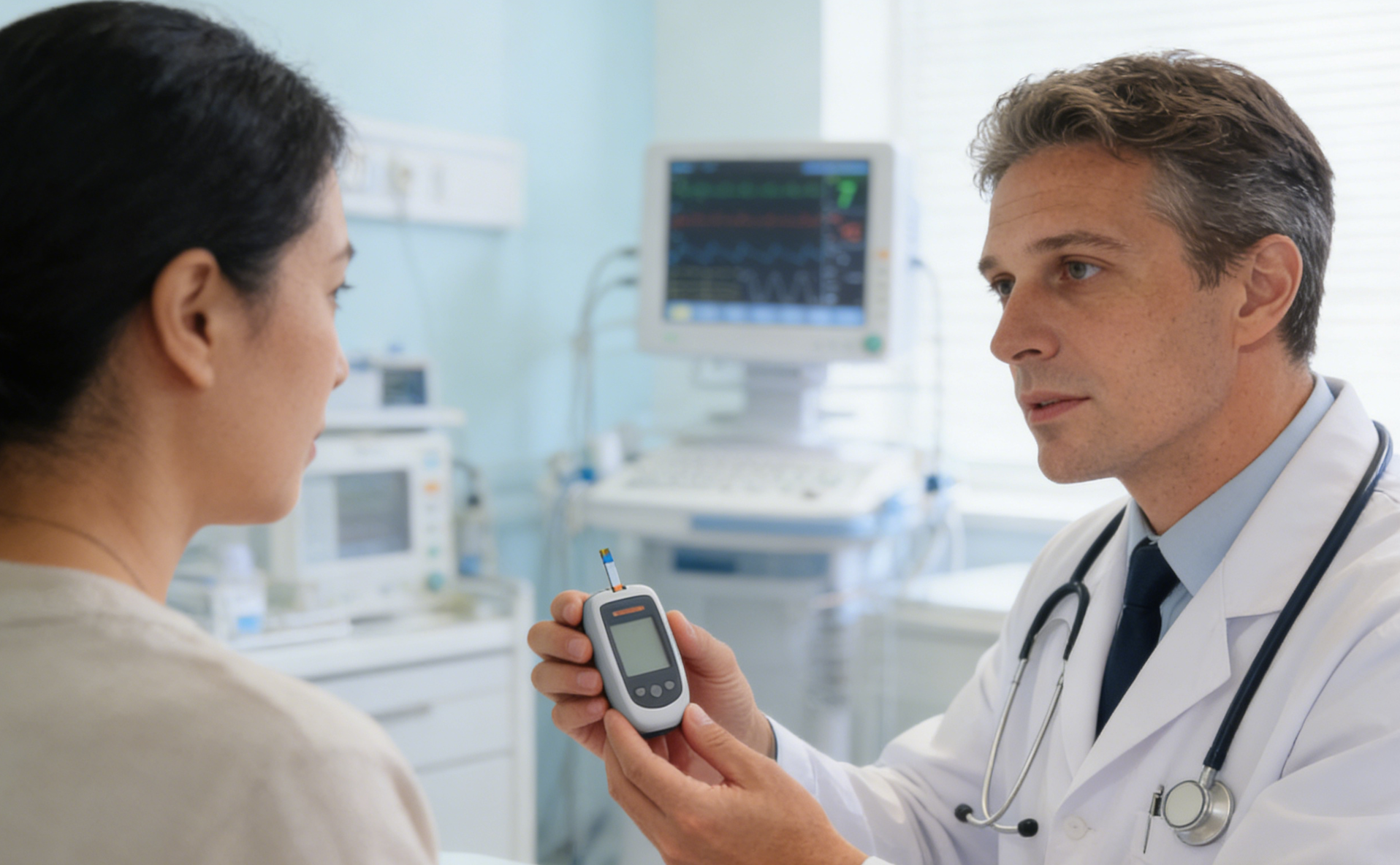
Detailed Explanation of Hyperglycemia: Symptoms, Diagnostic Criteria, and Potential Harms
This article details the diagnostic criteria, typical symptoms, and main dangers of hyperglycemia. Hyperglycemia is an important indicator of diabetes, and its long-term presence can lead to various complications. Understanding its manifestations and timely blood glucose monitoring are crucial steps in managing blood glucose levels and maintaining health.
2026-01-20
Detailed Explanation of Clinical Classification, Diagnosis, and Blood Glucose Control Standards for Hyperglycemia
This article provides a detailed analysis of the three clinical classifications of hyperglycemia (latent, chemical, and clinical) and their diagnostic methods, clarifying the satisfactory standards and management goals for blood glucose control. Understanding these classifications and standards will help in conducting more scientific blood glucose monitoring and achieving effective blood glucose management.
2026-01-20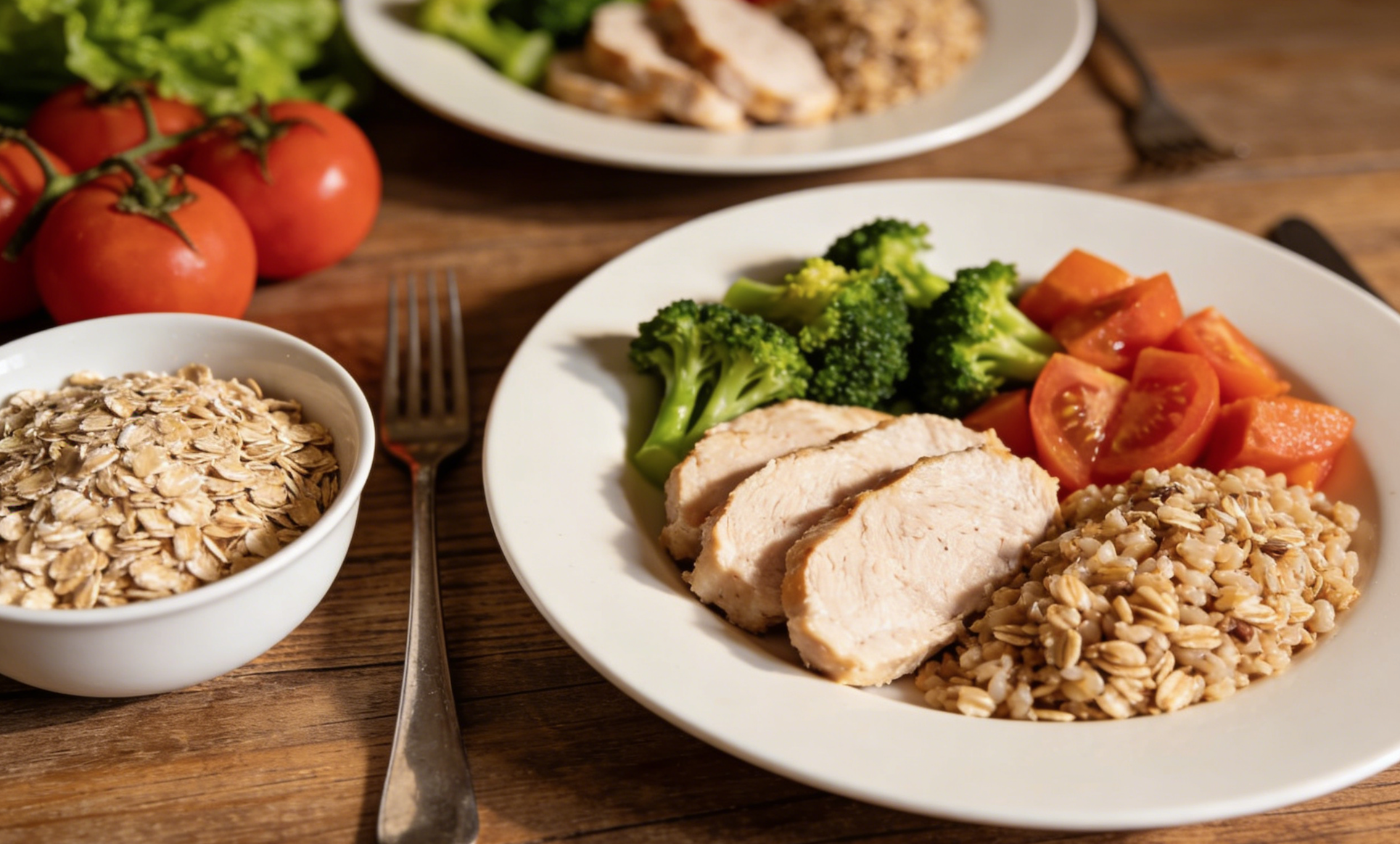
Dietary Guidelines for Patients with Hyperglycemia: Key Foods to Eat and Principles to Avoid
This article provides scientific dietary guidance for patients with high blood sugar, detailing seven key dietary recommendations and seven dietary restrictions. By adjusting the dietary structure appropriately, such as controlling calorie intake and choosing low-glycemic foods, it is helpful to effectively control blood sugar levels and achieve long-term stable blood sugar management.
2026-01-20