
From primary healthcare models to tobacco addiction intervention: Building the first line of defense against hypertension, hyperlipidemia, and diabetes.
To address the problems in the prevention and treatment of cardiovascular and cerebrovascular diseases, we have proposed a new clinical operation model and conducted pilot projects. This model fully utilizes the existing systems and resources of primary healthcare institutions. With minimal increase in manpower and funding, each primary healthcare institution can select a few (e.g., 1-3 patients/day) of "compliant" patients daily. With the assistance of specialized software, this model reduces inefficient work. Over time, patients gradually discover that the treatment at the health service station aligns with guidelines and large hospitals, significantly improving patient confidence and compliance with doctors. It also enhances doctors' sense of honor and accomplishment, creating a positive cycle and gradually making "chronic diseases treated at the primary level" a reality. If this tool and model are used in primary healthcare institutions nationwide, in conjunction with a two-way referral system, it is expected to significantly reduce the incidence, disability, and mortality rates of cardiovascular and cerebrovascular diseases within a few years.
In recent years, with China's economic development, there are now thousands of health checkup institutions in the country. The public is increasingly valuing their health, and approximately 65 million people in China undergo various levels of health checkups annually. However, due to the limited ratio of physicians to patients in physical examination institutions, current physical examinations only provide general summaries and lack follow-up work, failing to fully realize the intended purpose of the examinations. To address this issue, we have integrated the "guideline" implementation system into the physical examination process. For screened patients and high-risk groups, we provide individualized risk assessments. Based on the analysis of risk factor classification, stratification, treatment goals, treatment initiation goals, and prognostic assessments, we propose systematic core treatment, education, and management plans. Simultaneously, we have added specialized clinics for cardiovascular and cerebrovascular diseases within the physical examination centers to identify patients among the examinees and conduct comprehensive intervention, treatment, and long-term management for large populations. This allows physical examinations to fully function as a frontline for the prevention and treatment of cardiovascular and cerebrovascular diseases, improving the efficiency of physical examination work and avoiding the waste of health resources. It also changes the traditional medical model where patients wait for illness and doctors wait for patients.
Risk Factors and Intervention Management of Hypertension, Hyperlipidemia, and Hyperglycemia ("Three Highs" and "Two Diseases")
I. What risk factors for "Three Highs" and "Two Diseases" can be controlled? Smoking is one of the most significant health hazards. Smoking damages numerous systems throughout the body. Besides causing inflammation and cancer in the lungs, bronchi, and stomach, and accelerating skin aging, its most significant impact is on the cardiovascular system, primarily through several means: affecting lipid metabolism and lowering high-density lipoprotein levels; damaging pancreatic islet cells, thus worsening diabetes; and damaging blood vessels and the circulatory system. This includes damaging vascular endothelial cells, causing vasospasm, accelerating arteriosclerosis, increasing fibrinogen levels, promoting platelet aggregation, and destabilizing atherosclerotic plaques, ultimately promoting thrombosis and inducing tachycardia. Smoking is an independent risk factor for stroke, with the risk increasing with the amount smoked. The relative risk of ischemic stroke in smokers is 2.5–5.6, and for every doubling of total smoking, the risk of acute myocardial infarction increases fourfold. Importantly, long-term passive smoking can increase the risk of stroke by 1.82 times and the risk of coronary events by 3.5 times.
Nicole is the cause of tobacco addiction. Without treatment, only 2%–5% of smokers who attempt to quit succeed. Quitting is difficult because nicotine dependence is a chronic brain disease that affects the brain's reward system, altering its function and structure. Nicotine replacement therapy (NRT) is the most important smoking cessation treatment recommended by the WHO. The method involves using nicotine preparations while quitting smoking, which can reduce withdrawal symptoms, increase the success rate of quitting, and reduce the relapse rate. Nicotine replacement therapy works through three mechanisms: 1. Reducing withdrawal symptoms, enabling patients to adapt to a non-smoking lifestyle;
2. Reducing the positive reinforcement effect of nicotine in tobacco by partially satisfying the patient's craving for cigarettes;
3. Retaining some of the effects of cigarettes, such as stabilizing emotions, maintaining attention, and helping patients maintain normal work and life while quitting smoking.
1. Methods of quitting smoking. Quitting smoking is not easy and often requires the following measures to succeed:
(1) Psychological preparation: Should I quit smoking? Patients must understand the necessity of quitting smoking and strengthen their determination to quit: understand their comprehensive risk of cardiovascular and cerebrovascular diseases, the probability of myocardial infarction and stroke within 10 years, and the benefits of quitting smoking; the harms of smoking: in addition to the risk of cardiovascular and cerebrovascular diseases, there is also cancer: the mortality rate of lung cancer increases by 10-30 times, and the mortality rates of oral cancer, laryngeal cancer, bladder cancer, and pancreatic cancer also increase significantly; skin aging is accelerated. Benefits of quitting smoking: the circulatory system improves and breathing improves after 2-12 weeks. After 1-9 months, symptoms such as cough, shortness of breath, and chest tightness will be greatly improved, and energy will increase significantly. Lung vitality is enhanced, reducing the chance of respiratory infections. After 1 year, the chance of developing early coronary heart disease will be reduced by half compared to when smoking. After 5 years, the chance of stroke is comparable to that of non-smokers. After 10 years, the quality of life will be comparable to that of non-smokers, and the mortality rate of lung cancer will be half that of smokers.
(2) Non-drug treatment. "Gradual reduction method": patients start by reducing the dosage by half or one-third, and then reduce one cigarette per week per day. For example, if a patient habitually smokes 20 cigarettes a day, they can start by reducing the amount by one-third: Week 1: 13 cigarettes/day, Week 2: 12 cigarettes/day, Week 3: 11 cigarettes/day, Week 4: 10 cigarettes/day, and so on, until they quit smoking completely or reduce their smoking to the minimum. It is recommended that patients ask themselves when they feel the urge to smoke, "When do I feel the strongest urge to smoke? And do I really need to at that moment?" This can help control the amount of smoking. The key to this method is to be gradual and progressive, not to try to quit quickly, so as not to let the discomfort of withdrawal symptoms affect their determination and confidence in quitting. After several months, the patient can stop smoking with almost no pain. However, success depends on the patient having the desire and determination to quit smoking. Auxiliary methods: When friends urge you to quit smoking, explain that it's for health reasons and you must quit, asking for their support; keep cigarettes, ashtrays, matches, and lighters out of your home and office; whenever you feel the urge to smoke, try going for a walk or doing some housework to distract yourself; reward yourself: quitting smoking saves money, so use that money to buy yourself something as a reward.
(3) Drug treatment. Medication can reduce the difficulty and pain of quitting smoking, reduce discomfort caused by quitting, and minimize its negative impact on mood and the resulting additional burden on the cardiovascular system. This is especially important for patients with cardiovascular and cerebrovascular diseases, where medication makes quitting more secure. Each cigarette contains approximately 1.1–1.6 mg of nicotine. The compensatory dose can be determined based on the number of cigarettes smoked during replacement therapy. Nicotine replacement products come in various forms: nicotine nasal sprays, nicotine inhalers, nicotine sublingual tablets, nicotine chewing gum, nicotine transdermal patches, etc. The latter two are convenient to use and will be discussed in detail here. Nicotine Patches: Instructions for use: Remove the protective film and apply to clean, dry skin, such as arms, thighs, torso, hips, and shoulder blades, alternating between left and right sides. Use one patch daily for 24 hours, continuously for 2 weeks; then halve the dosage and maintain for 2 weeks; halve again and maintain for 2-3 weeks to completely eliminate nicotine cravings. Choose different patch dosages based on your smoking volume. Recommended starting dosages are: less than 10 cigarettes per day, 7-14 mg/patch/day; 10-20 cigarettes per day, 14-22 mg/patch/day; 21-40 cigarettes per day, 22-44 mg/patch/day; more than 40 cigarettes per day, >44 mg/patch/day. For strong cravings, nicotine gum can be used. Nicotine Gum: Dosage: Each gum contains 2 mg or 4 mg of nicotine. 50% of the nicotine in each piece of chewing gum is absorbed, reaching peak plasma levels within 30 minutes after application, after which levels gradually decline, but at a slower rate than from cigarettes. The compensatory dose is determined based on the number of cigarettes smoked, aiming to achieve half the daily nicotine intake from cigarettes. Instructions for use: Completely stop smoking before starting use, and only use when the urge to smoke is very strong. Begin by slowly chewing the gum; when the spiciness appears, place it on your cheek for absorption. Once the taste disappears, chew again and hold it in your mouth, repeating this process several times for approximately 30 minutes. Side effects: Chewing gum may cause local irritation, sore throat, nausea, stomach pain, palpitations, etc.; the patch may irritate the skin. Patients with severe coronary heart disease, severe bradycardia, hyperthyroidism, type I diabetes, or peptic ulcers can start with a small dose (e.g., a quarter patch) to observe reactions and further determine the dosage.
2. Reduce the harm of passive smoking. For non-smokers, minimize the harm caused by smokers, such as by persuading them to stop, avoiding them, or taking an upwind position to reduce smoke inhalation. For smokers, firstly, for the sake of their loved ones and children, especially when there are children or pregnant women in the family, they should start by never smoking indoors, gradually establishing good habits and then gradually reducing indoor smoking pollution in the home; they should also establish rules within their workplaces or companies to prohibit smoking indoors.
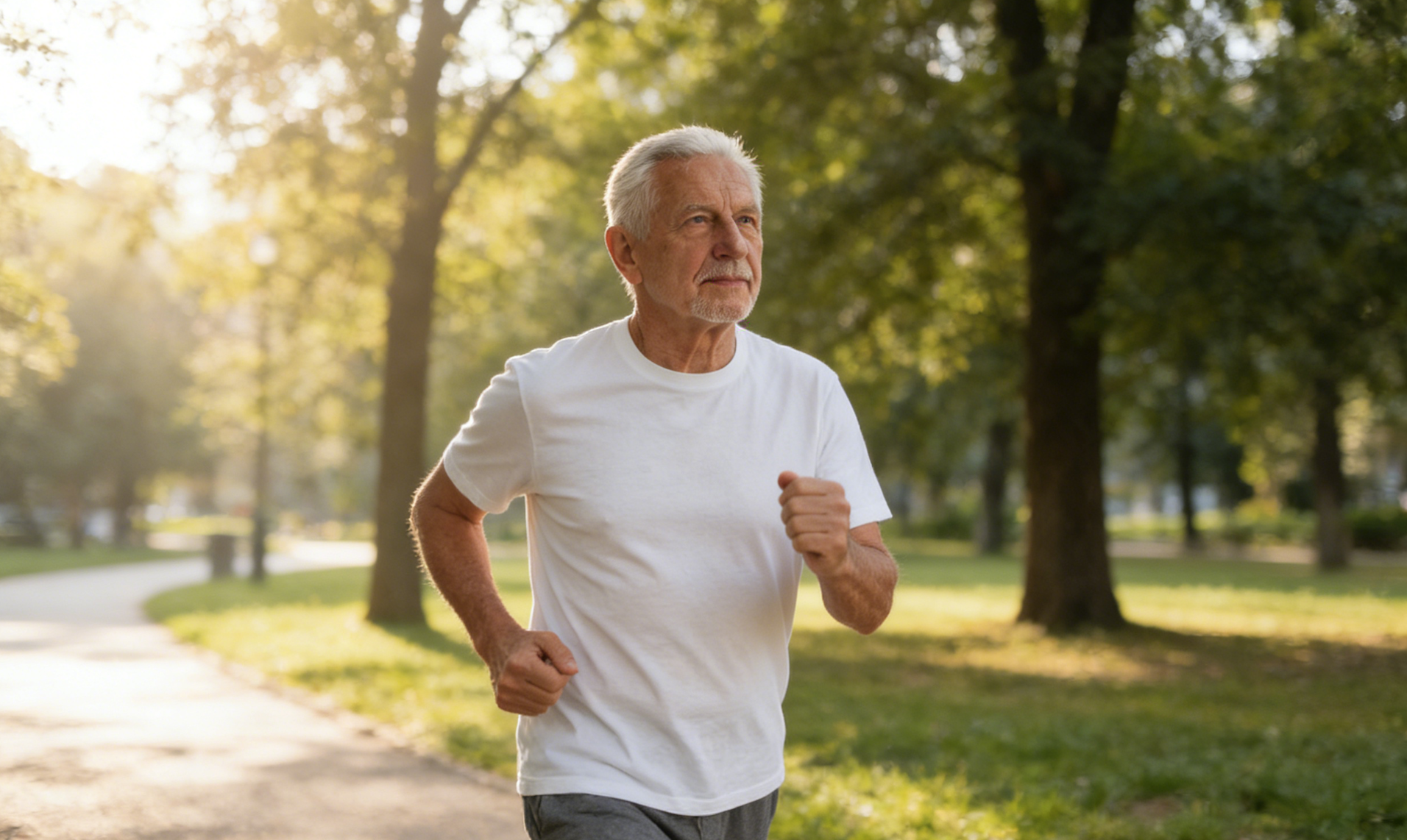
Swimming and jogging: Exercise guidelines and precautions for patients with hypertension
This article explains the benefits and suitable conditions for swimming and jogging for patients with hypertension. Swimming helps relieve tension and assists in lowering blood pressure; jogging can enhance cardiopulmonary function. Scientific and appropriate exercise is of positive significance in helping to control and stabilize blood pressure levels.
2026-03-02
Essential pre-exercise procedures for patients with hypertension: physical examination and safety assessment
This article emphasizes that hypertensive patients must consult a doctor and undergo a comprehensive physical examination and exercise stress test before starting exercise therapy to assess the risks of exercise. Scientific pre-examination can ensure safe and effective exercise, avoiding drastic fluctuations in blood pressure or triggering cardiovascular and cerebrovascular accidents due to inappropriate exercise.
2026-03-02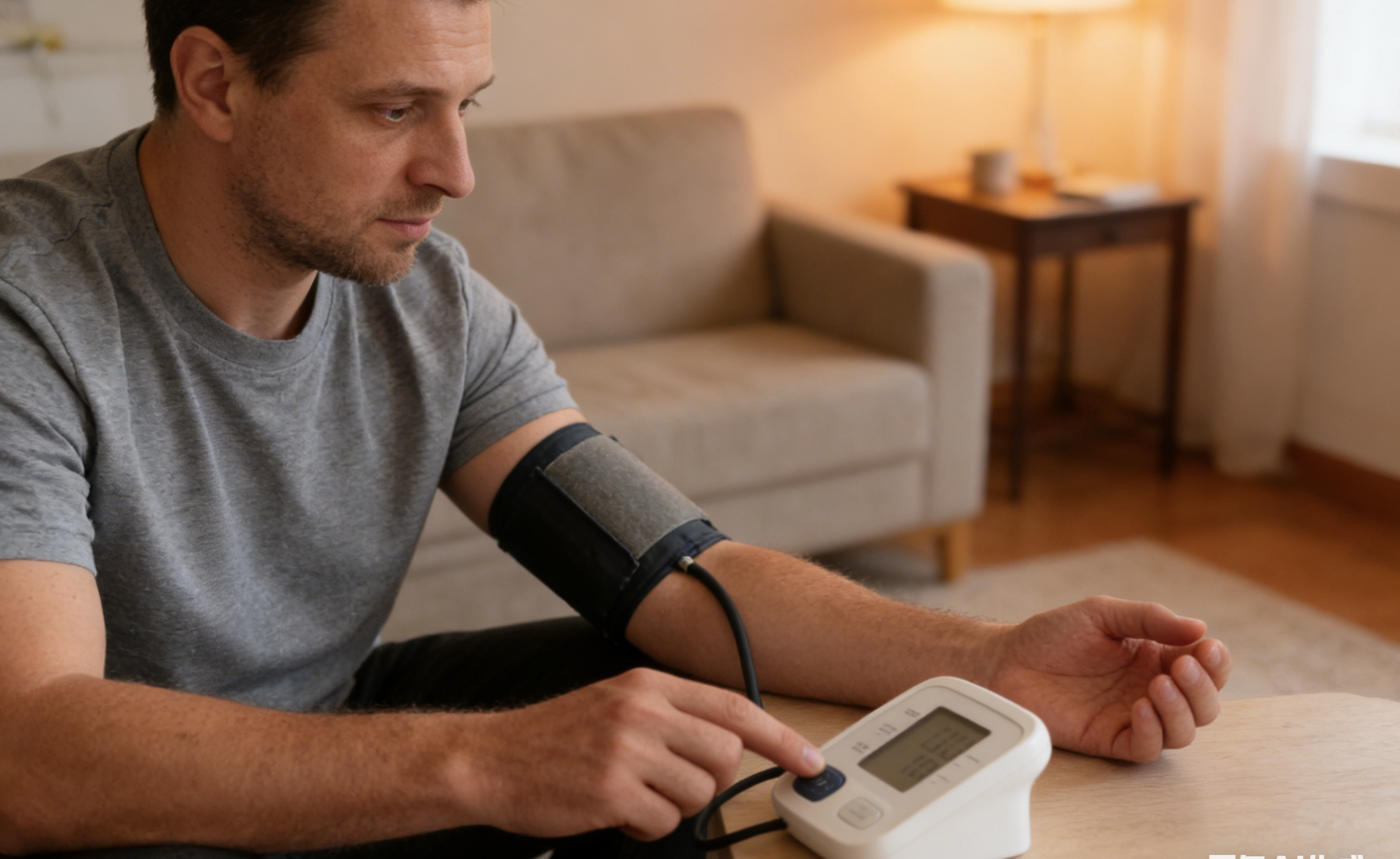
Exercise Safety Guidelines for Hypertensive Patients: Contraindications for Poor Condition and Excessive Running
This article reminds patients with hypertension to suspend exercise when they are in poor physical condition or fatigued, to avoid the risks of forced exercise. It also emphasizes that exercises such as running require strict control of intensity and duration; excessive exercise may be counterproductive. Scientific exercise is the only way to effectively help control and stabilize blood pressure levels.
2026-03-03