
Hypertension Crisis Prevention and Hyperlipidemia Introduction: Identification of High-Risk Groups, Emergency Treatment, and Basic Knowledge of Blood Lipids
44. Which hypertensive patients are prone to accidents? (1) "Confused" patients who have not yet been diagnosed. According to a survey report in the United States, about half of the hypertensive patients in the United States do not know that they have the disease. This is because there are no specific symptoms in the early to middle stages of hypertension. According to existing data in my country, more than half of the hypertensive patients have not been diagnosed. These people are called "confused" patients. They are sick but do not know that they are sick. They rely on their "feeling good" and work and live like healthy people. They often do things that will further increase their blood pressure. Therefore, they are prone to accidents. (2) Patients who should take antihypertensive drugs but do not. Some patients have been diagnosed with hypertension, but they think that their symptoms are still okay or they are tired of taking medicine and refuse to take antihypertensive drugs. Therefore, although their blood pressure is high, it is not effectively controlled and they are often at a dangerous level. Over time, they are prone to accidents. (3) Patients who abuse antihypertensive drugs. Many hypertensive patients do not take medication according to doctor's orders or actual blood pressure, but abuse it based on their "self-feelings". They take two pills when they feel headache or dizziness, and refuse to take them otherwise. They often "take medicine for three days and dry the net for two days". Sometimes they "hate the disease and take medicine", taking excessive amounts, mistakenly believing that the more and faster the blood pressure drops, the better. These practices are dangerous. They often cause blood pressure to fluctuate or drop too quickly, which makes it difficult for the already diseased blood vessels to withstand, and can easily induce cerebral hemorrhage and cerebral thrombosis. (4) People with irregular lifestyles, overwork or lack of sleep. Regular lifestyles can lower blood pressure and help stabilize blood pressure. However, overwork and long-term lack of sleep or poor sleep can easily cause blood pressure to rise further or fluctuate drastically, thus easily causing accidents. (5) People with indulgent lifestyles, who are addicted to alcohol, tobacco, or gambling. Heavy smoking or alcoholism can further increase blood pressure and cause serious damage to blood vessels. When gambling, people are in a state of high tension. Big losses or big wins can cause intense emotional fluctuations, leading to a sudden increase or large fluctuation in blood pressure, which can easily cause cerebrovascular accidents. (6) Those with excessively high blood pressure. Blood pressure consistently above 200/120 mmHg (26.6/16.0 kPa) is extremely dangerous and can easily lead to accidents such as cerebral hemorrhage, which should not be ignored. (7) Those with complications involving the heart, brain, and kidneys. Having hypertension for many years and having been diagnosed with complications affecting vital organs such as the heart, brain, and kidneys indicates that the condition has progressed to the middle or late stages. It should be taken seriously and treatment strengthened; otherwise, accidents are likely to occur. (8) Those with coronary heart disease and diabetes. Hypertension, coronary heart disease, and diabetes are sister diseases, closely related and mutually causal. If hypertension is combined with these two diseases, the harm is extremely great, and accidents are very likely to occur. (9) Those with an unreasonable diet and who eat too much and move too little. Some hypertensive patients often eat high-fat foods, have a heavy palate, and dislike exercise or never participate in physical activity. This lifestyle of eating too much and moving too little often leads to obesity, which not only further increases blood pressure but also increases blood lipids, accelerating damage to the blood vessels of the heart, brain, and kidneys, thus also making accidents more likely. (10) People with a volatile temper or poor mental health. Mental state has a significant impact on blood pressure. A stable mood and a cheerful, relaxed state of mind help lower or stabilize high blood pressure; conversely, a bad mood, depression, and especially frequent outbursts of anger can cause drastic fluctuations in blood pressure or further increase it, thus inducing cerebral hemorrhage, hypertensive encephalopathy, or cerebral thrombosis. Hypertensive patients who wish to live a long life must strengthen their personal cultivation, cultivate a broad mind, avoid anger, and maintain a calm, stable, and optimistic attitude.
45. Under what circumstances should a patient with hypertension be taken to the hospital for treatment as soon as possible? Did you know that hypertension can also cause some critical situations that require immediate hospitalization? Patients with hypertension need to understand these situations so that they can make quick judgments in critical situations and avoid delaying rescue opportunities. Therefore, all patients and their families should read the following content carefully and try to remember it! The following situations indicate that the condition is serious or critical and the patient should be taken to the hospital for treatment immediately. (1) When blood pressure is first discovered and does not decrease after rest and medication. (2) When blood pressure is elevated and accompanied by dizziness, headache, nausea and vomiting, and rapid progression of the condition. (3) When blood pressure is elevated in patients with chronic kidney disease. (4) When blood pressure rises and falls suddenly during an attack, accompanied by headache, nausea and vomiting, shortness of breath, profuse sweating, anxiety and fear. (5) When blood pressure was originally stable but suddenly rises, accompanied by headache, nausea and vomiting, numbness or weakness of limbs or hemiplegia, altered consciousness, coma, etc. (6) When hypertension in adolescents is accompanied by dizziness, weakness of lower limbs, etc. In the early stages of hypertension, the condition is generally stable. However, as it progresses to the middle and late stages, the risk of developing critical illness increases significantly. Severe conditions such as hypertensive encephalopathy, cerebral hemorrhage, ischemic stroke, acute left heart failure, acute coronary insufficiency, malignant hypertension, and pheochromocytoma can even be life-threatening. Therefore, patients and their families should be aware of the symptoms of these conditions so that they can seek medical attention promptly if they occur, thus maximizing the chances of intervention and saving the patient's life.
46. What are the primary, secondary, and tertiary prevention of hypertension? Since hypertension is the result of the combined effects of genetics and various environmental and risk factors, prevention can be achieved by reversing those modifiable adverse factors. Prevention can be divided into three levels. (1) Primary prevention of hypertension refers to taking effective preventive measures to control or reduce the risk factors for hypertension in people who have risk factors for hypertension but have not yet developed hypertension, thereby reducing the incidence rate. (2) Secondary prevention of hypertension refers to taking effective treatment measures for people who already have hypertension to prevent the aggravation or recurrence of hypertension. (3) Tertiary prevention of hypertension refers to the rescue of people with severe hypertension to prevent the occurrence of complications and the death of patients. Rehabilitation treatment is included in tertiary prevention. In layman's terms, these three levels of prevention are: Primary prevention is to "prevent problems before they occur"; secondary prevention is the "better late than never" mentioned earlier; and tertiary prevention is "emergency prevention, which cannot be delayed". From this, you can see that the lower the level of prevention, the higher the level of health care. Therefore, disease prevention should start today, so as not to regret it later.
Section 2 Hyperlipidemia 1. What are blood lipids and lipoproteins? Blood lipids are the general term for neutral fats (including triglycerides and cholesterol) and lipids (mainly phospholipids, glycolipids, sterols, steroids, and a small amount of non-esterified fatty acids) in the blood, which are widely present in the human body. They are essential substances for the survival of living cells. Triglycerides mainly provide energy to the body, similar to "national food reserves." Cholesterol is mainly used to synthesize cell membranes, steroid hormones, and bile acids, which is equivalent to "basic building materials." Since triglycerides and cholesterol are insoluble in water, in order to be transported through the blood to where the body needs them, they must combine with some special proteins (i.e., apolipoproteins) or other lipids (such as phospholipids) in the blood to form water-soluble complexes before they can be transported and enter tissue cells. These protein complexes are called lipoproteins, which are like "oil tankers," constantly transporting oil from oil-producing countries to oil-consuming countries every day.
2. What is Hyperlipidemia? Many people are diagnosed with "hyperlipidemia" by doctors, but when they look at their lab reports, they find that there are many lipid-lowering tests, which they don't understand, and they just remember that it's hyperlipidemia. There are so many lipid-lowering drugs advertised, so they buy one and take it. In fact, blood lipids include many components, and indiscriminate lipid-lowering treatment will be harmful rather than beneficial. Let's truly understand hyperlipidemia. Dyslipidemia refers to elevated levels of total cholesterol (TC), low-density lipoprotein cholesterol (LDL-C), lipoprotein (a), and triglycerides (TG) in the blood, as well as decreased levels of high-density lipoprotein cholesterol (HDL-C). LDL-C is the "bad cholesterol" that leads to atherosclerosis, and the lower the better; HDL-C is the "good cholesterol" that prevents atherosclerosis, and the higher the better. "Hyperlipidemia" mainly refers to hypercholesterolemia and/or hypertriglyceridemia. Because lipids in the blood exist in the form of lipoproteins and circulate throughout the body, hyperlipidemia is also known as hyperlipoproteinemia.
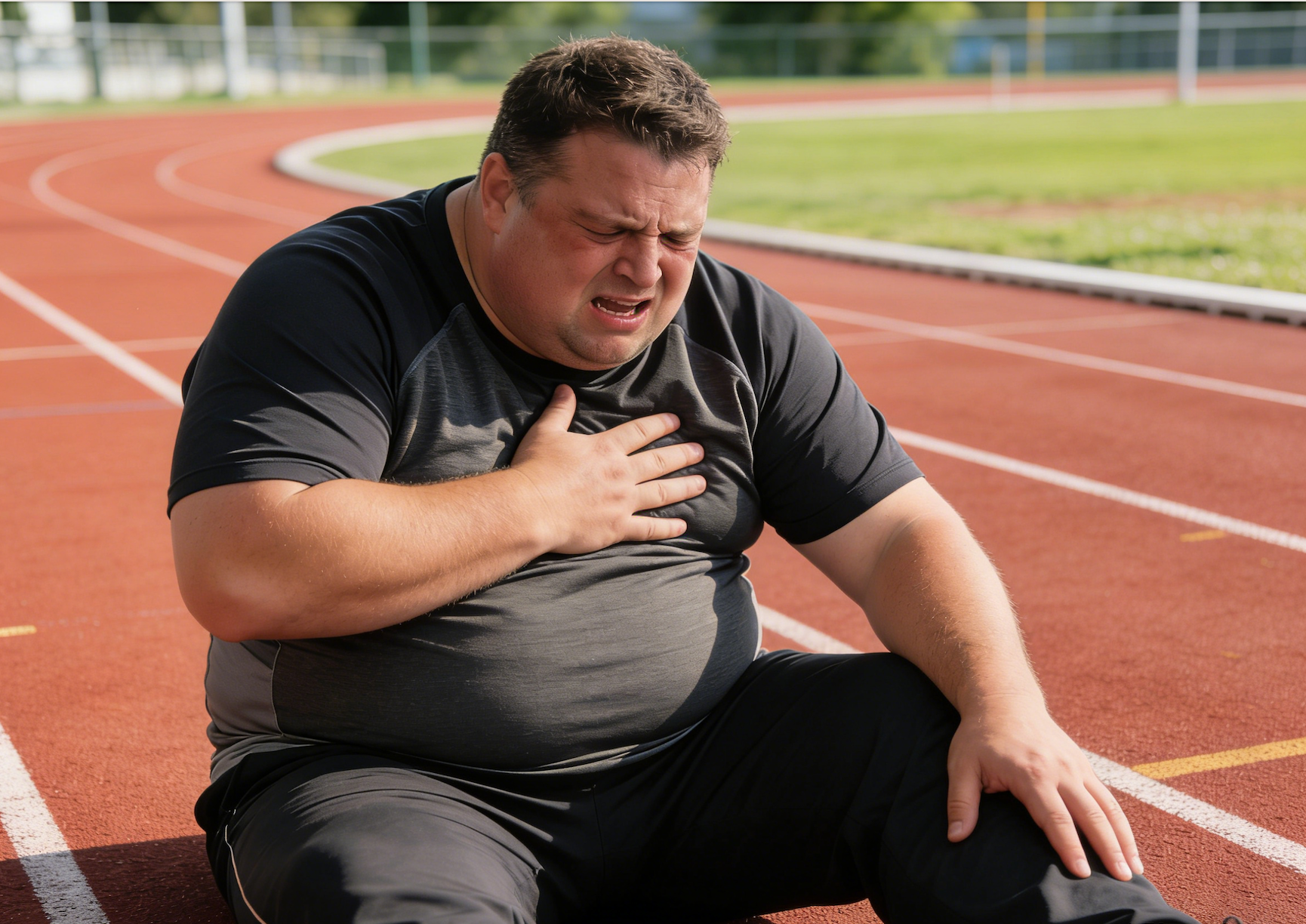
Beware of Heart-Related Diseases: Diagnostic Warnings from Pulmonary Embolism to Migraines
This article details the dangers and high-risk groups of pulmonary embolism through three typical cases, reveals that superstitious folk remedies and slapping therapy may delay the diagnosis and treatment of diseases such as coronary heart disease, and points out that unexplained migraines may be related to heart problems such as patent foramen ovale, emphasizing that if related symptoms occur, one should go to a regular hospital for examination.
2026-03-05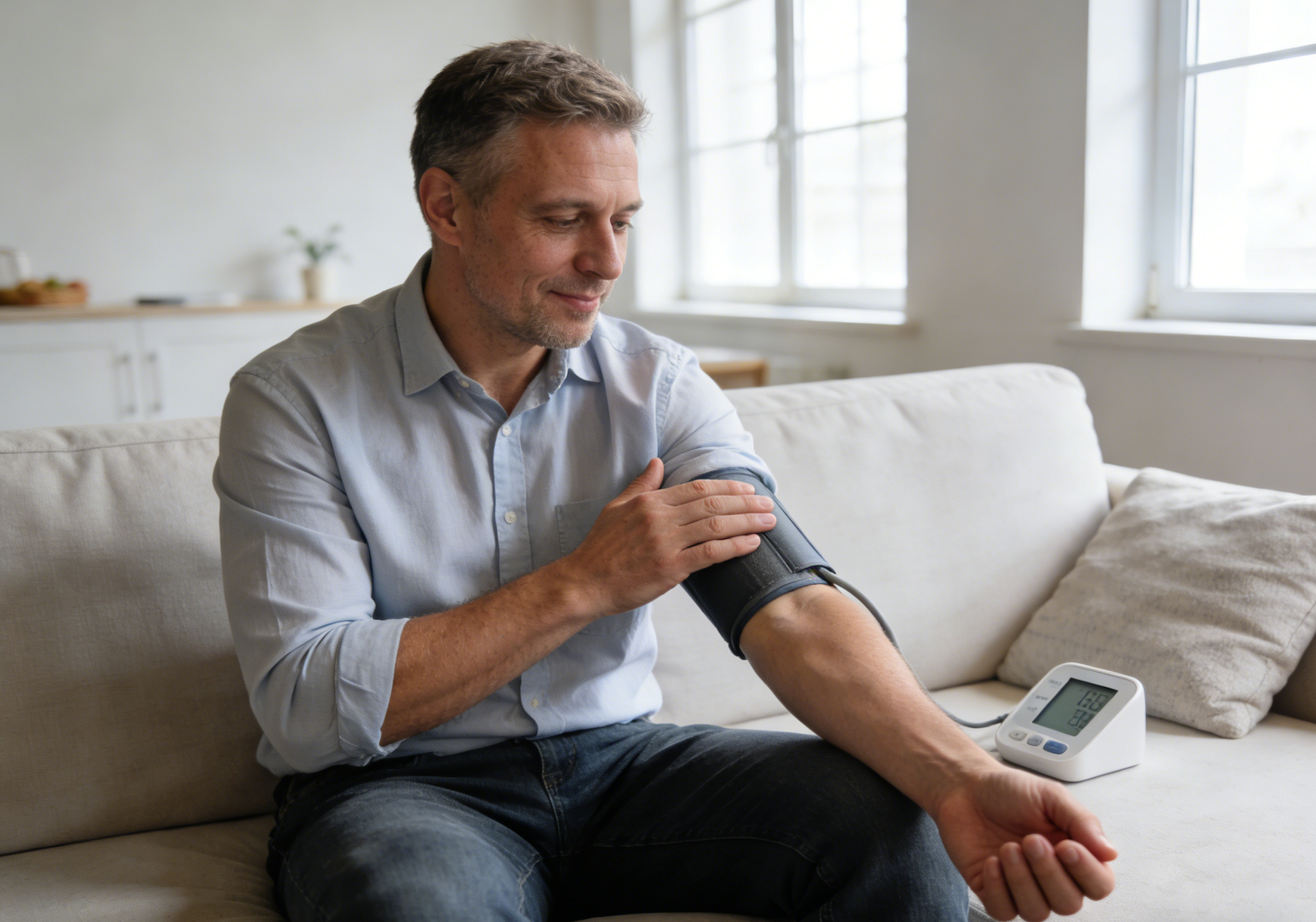
Understanding Blood Pressure and Hypertension: Diagnostic Criteria and Classification Guidelines
This article explains in detail the definition and measurement principle of blood pressure, clarifies the diagnostic criteria for hypertension and the World Health Organization's classification guidelines, emphasizes the importance of accurate blood pressure measurement for the health management of hypertension, hyperlipidemia, and hyperglycemia, and helps readers establish a scientific understanding of blood pressure.
2026-03-06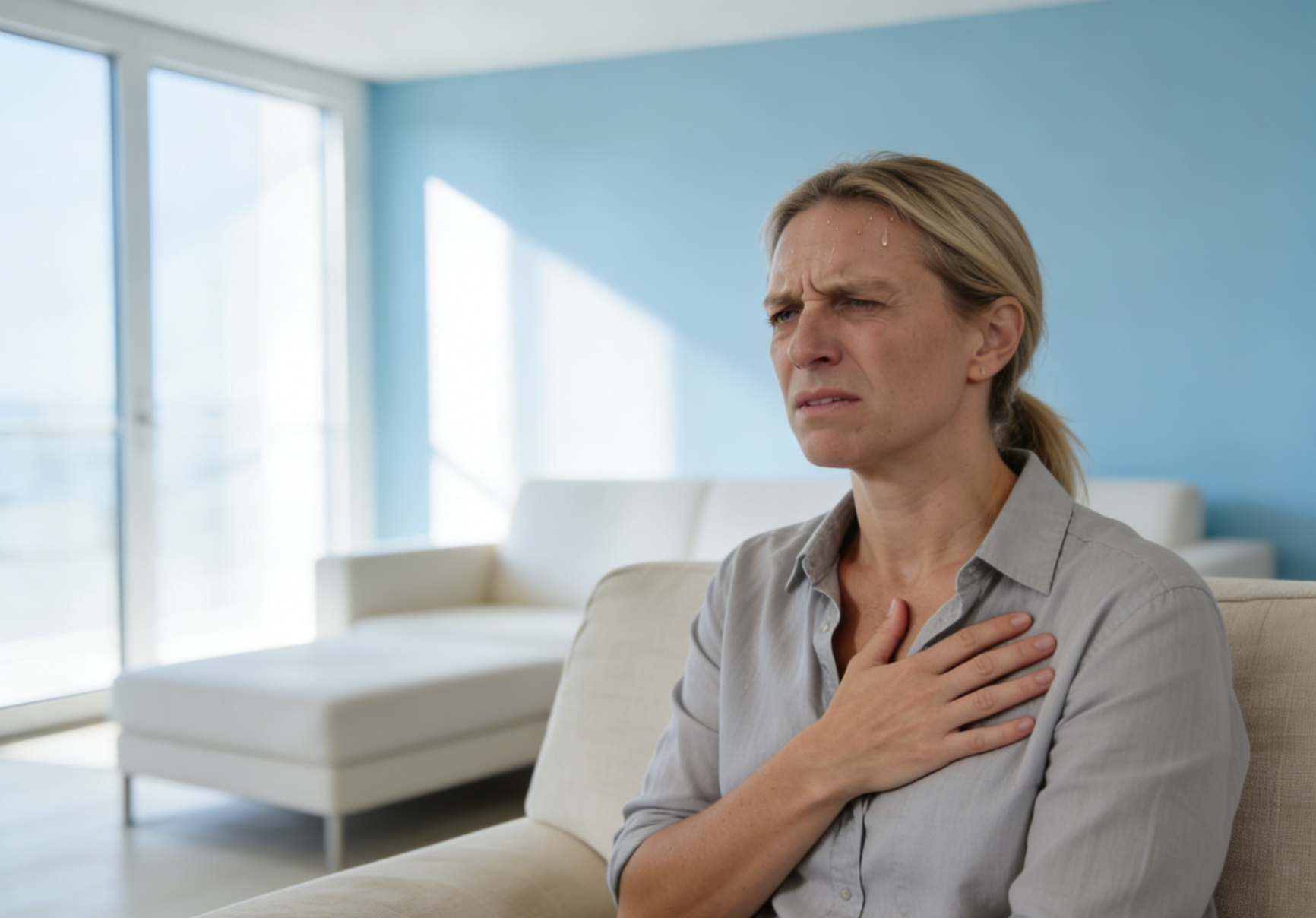
A Comprehensive Analysis of Hypertension Symptoms: Warning Signs from Headaches to Palpitations
This article provides a detailed analysis of common symptoms of hypertension, such as persistent dizziness and headache, chest tightness and palpitations, and numbness in the limbs, explaining their causes. Understanding these symptoms can help you monitor your blood pressure changes promptly. When symptoms such as severe headache and vomiting occur, it indicates a possible sharp rise in blood pressure, requiring immediate medical attention.
2026-03-06