
Weight Loss for Those with High Blood Sugar and High Blood Pressure: Dietary and Ingredient Selection Guide
People with high blood sugar need to be mindful of their food choices, especially regarding staple foods.
When blood sugar is high, people become anxious, worrying about developing diabetes. However, by paying attention to their daily diet and choosing low-sugar, low-fat foods, blood sugar levels can be kept stable. Moderate tea consumption can also help prevent blood sugar spikes.
Diabetic patients should plan their meals carefully, eating small, frequent meals at regular times and in consistent quantities. A diverse range of foods is important, along with plenty of water. Eat plenty of whole grains, such as buckwheat, oatmeal, cornmeal, soybeans, and soy products.
When dining out, people with high blood sugar should limit their intake of staple foods and high-calorie starchy foods. Eat less refined grains and more whole grains (sweet potatoes, corn, buckwheat, etc.). Recommended dishes include: abalone slices, stir-fried mixed mushrooms, and beef cubes. Portion sizes should be moderate, and dishes with mushrooms, seaweed, and bitter melon are good choices.
Three key points for high blood pressure patients' dinner: regularity, consistency, and quantity
(1) Optimal time for dinner: Dinner should not be too late; the best time is between 6 and 7 pm. Dinner time should be fixed and regular.
(2) Light dinner foods: Eating too much meat at dinner will not only increase the burden on the stomach and intestines but also cause a sudden increase in blood lipid levels. Combined with the slowed blood flow during sleep, this will cause a large amount of blood lipids to deposit on the blood vessel walls, leading to atherosclerosis and high blood pressure. Therefore, dinner should be light.
(3) Eat less at dinner: Eating less at dinner can prevent obesity and stabilize blood pressure. Even if you don't want to lose weight, as long as you eat until you are 70-80% full at dinner, you can fully utilize the effects of antihypertensive drugs.
Dietary recommendations for high blood pressure patients: Reduce salt intake, supplement salt intake, eat whole grains, and control salt intake.
(1) Reduce salt intake: For high blood pressure patients, daily salt intake should be controlled to less than 6g, while for elderly high blood pressure patients, daily salt intake should be limited to about 4g. This is very beneficial for lowering and stabilizing blood pressure. (2) Calcium Supplementation: A high-calcium diet is one of the effective measures for controlling hypertension. Calcium helps eliminate sodium, thus stabilizing blood pressure. Hypertensive patients can significantly lower their blood pressure by supplementing with 1000mg of calcium daily for two months.
(3) Coarse Grains as Staple Foods: Hypertensive patients should eat more coarse grains and miscellaneous grains, such as brown rice and corn, and less refined rice and flour. When cooking, use more brown sugar and honey, and less or no granulated sugar. This helps replenish the body's chromium levels, improves the zinc-cadmium ratio, prevents atherosclerosis, reduces cadmium accumulation, and effectively prevents and treats hypertension.
(4) Strict Control of Alcohol Consumption: Hypertensive patients should ideally abstain from alcohol. If this is impossible, daily alcohol consumption should be limited to 50mL. Excessive or prolonged alcohol consumption can raise blood pressure. If alcohol consumption is combined with smoking or negative emotions, the increase in blood pressure will be even greater.
Balanced Diet to Control Cholesterol: A balanced diet and controlling excessive intake of high-cholesterol and high-fat foods are the most important measures for preventing and treating hyperlipidemia. A balanced diet refers to a reasonable dietary structure, a diverse range of foods, appropriate portion sizes, a mix of refined and whole grains, limited sweets, moderate oil intake, moderation in alcohol consumption, and limited salt intake. A reasonable diet means scientifically and rationally arranging meals. It's important to control the intake of high-fat foods, i.e., foods rich in cholesterol, such as egg yolks, caviar, animal fats, animal organs, butter, and smoked oil. Instead, eat more low-fat foods, such as vegetables, fruits, beans, bean products, and whole grains.
Habitually consuming animal fats (mainly containing saturated fatty acids) easily leads to elevated levels of cholesterol and low-density lipoprotein (LDL) in the blood. Elevated levels of these two substances accelerate atherosclerosis and simultaneously lower high-density lipoprotein (HDL). HDL plays a vital role in protecting blood vessels and delaying atherosclerosis. Conversely, consuming plant-based fats (mainly containing unsaturated fatty acids), dietary fiber, and plant protein can lower blood lipids.
Diabetics don't need to be terrified of sugar. In reality, some patients might go to the other extreme: they're afraid to eat food if there's even a tiny bit of sugar in it, and they won't take sugar-coated pills. Actually, there's no need to be like that. Patients with well-controlled blood sugar can use the "food exchange method," eating appropriate amounts of fruit and meat. For example, 25g of rice is equivalent to 200g of grapes or 500g of watermelon. Eating 25g less rice is equivalent to eating 200g of grapes or 500g of watermelon, preferably between meals. This way, they can enjoy life like normal people, without being afraid of sugar. Moreover, moderate amounts of fruit and meat can help regulate blood sugar.
There are many foods suitable for patients with hypertension, hyperlipidemia, and hyperglycemia (the "three highs"). Let me list some treasures: Millet is rich in protein, fat, carbohydrates, vitamins, niacin, dietary fiber, and other nutrients. It can help inhibit vasoconstriction, prevent arteriosclerosis, and lower blood pressure. Furthermore, millet can improve symptoms such as weak spleen and stomach, indigestion, and difficulty urinating, making it suitable for patients with hypertension, hyperlipidemia, and hyperglycemia (the "three highs") who are chronically ill and weak.
Buckwheat is rich in protein, carbohydrates, vitamins, dietary fiber, calcium, iron, phosphorus, and other nutrients. Its high dietary fiber content makes it ideal for treating hypertension, hyperlipidemia, and hyperglycemia. However, buckwheat is a cold-natured food and is difficult to digest, so it should not be consumed in large quantities.
Soybeans are rich in plant protein, fat, amino acids, lecithin, vitamins, dietary fiber, calcium, iron, phosphorus, and other nutrients. Soybeans not only reduce cholesterol and other lipids in the blood serum but also inhibit vasoconstriction, which helps in the prevention and treatment of hypertension and hyperlipidemia. Regular consumption of soybeans and soy products can effectively prevent cardiovascular and cerebrovascular diseases, thereby strengthening the body and prolonging life. It is generally believed that consuming 50g of high-quality soybean protein daily can provide moderate to high levels of isoflavones, which can reduce the risk of cardiovascular and cerebrovascular diseases in the elderly after 6 months.
Celery is rich in vitamins, dietary fiber, carotene, niacin, calcium, phosphorus, and other nutrients. It can resist vasoconstriction, prevent arteriosclerosis, absorb excess fat, and lower cholesterol and blood viscosity, thus effectively lowering blood pressure, blood sugar, and blood lipids.
Carrots are rich in protein, sugar, vitamins, carotene, lignin, calcium, iron, phosphorus, and other nutrients. They can enhance immunity, increase coronary blood flow, lower blood pressure, lower blood sugar, and prevent arteriosclerosis. Drinking carrot juice three times a day can lower blood pressure and has anti-lung cancer effects.
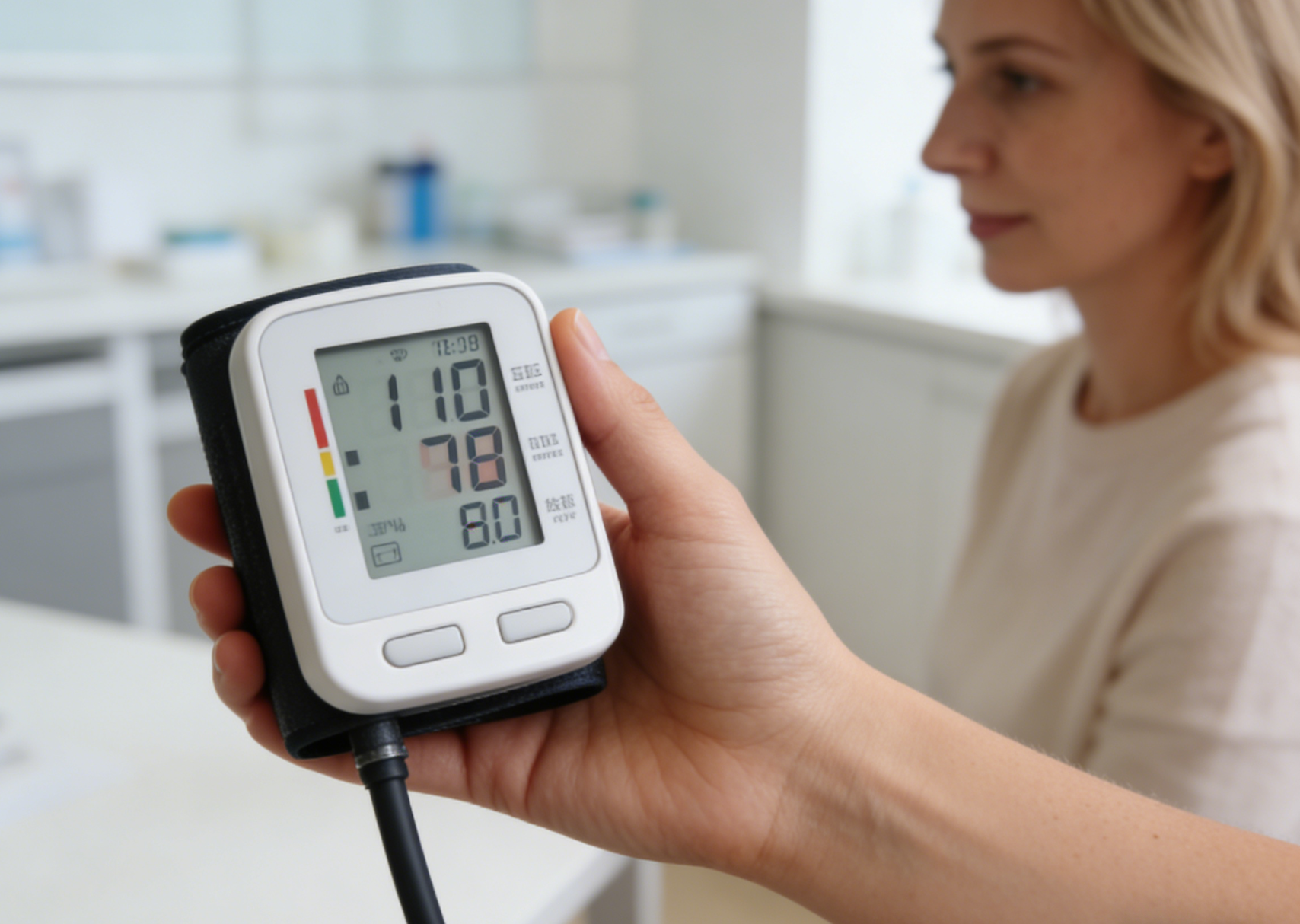
Detailed Explanation of the Correct Steps and Key Precautions for Measuring Blood Pressure
This article details the principles and key steps of blood pressure measurement using a cuff, including cuff selection, environmental preparation, patient positioning, and proper inflation and deflation techniques. Mastering these points ensures accurate and reliable blood pressure measurements each time, providing a valid basis for health monitoring.
2026-03-07
Detailed Explanation of the Definition of Hypertension and Analysis of its Seven Key Contributing Factors
This article elaborates on the definition of hypertension, clarifying the normal and elevated blood pressure ranges based on World Health Organization standards. It also systematically analyzes seven key contributing factors to elevated blood pressure, including genetics, obesity, smoking, and alcohol consumption, helping you comprehensively understand the causes of hypertension and effectively prevent it.
2026-03-07
Detailed Explanation of the Difference Between Hypertension and Hypertensive Disease and the Clinical Manifestations of the Four Major Types
This article clearly distinguishes between "hypertension" as a symptom and "hypertension as a disease" as an independent condition, and provides a detailed analysis of the characteristics and clinical manifestations of four types of hypertension: slow-onset, rapid-onset, etc. It helps you correctly understand the different natures of elevated blood pressure, the severity of different types of blood pressure problems, and provides a basis for timely diagnosis and treatment.
2026-03-08