
Weight Loss and Managing High Blood Pressure, High Blood Sugar, and High Cholesterol: Foods to Avoid and Healthy Meal Plan Guide
List of Foods to Avoid for Patients with the ‘Three Highs’ Syndrome: Essential Home Dietary Guidelines
Smoked pork contains up to 50% fat. During processing, most vitamins and trace elements are lost, while its sodium content exceeds the average pork by over tenfold.
Duck eggs contain more fat than protein and are high in cholesterol, with approximately 1522mg cholesterol per 100g. Regular or excessive consumption by individuals with high blood pressure, high blood sugar, or high cholesterol may exacerbate and accelerate the hardening and ageing of the cardiovascular system.
Butter contains around 90% fat, with the remainder primarily water and cholesterol, and virtually no protein. Regular or excessive consumption of butter can lead to elevated blood lipids and blood sugar levels.
Animal fats are high in both fat and cholesterol. For instance, 100g of lard contains 87.6g of fat and 93.1mg of cholesterol, with zero protein content.
Whilst pork kidneys are reputed to fortify the kidneys, their exceptionally high cholesterol content warrants caution among individuals with hypertension or hyperlipidaemia.
Squid contains substantial cholesterol, which elevates blood cholesterol levels upon consumption. This exacerbates lipid metabolism disorders, thereby promoting the onset and progression of hypertension, diabetes, and coronary heart disease.
Durian is high in calories and sugar, providing 133 kilocalories per 100g. Individuals with obesity, hypertension, or diabetes should avoid excessive consumption.
Seafood hotpot ingredients such as fish dumplings, prawn dumplings, and various meatballs contain high levels of fat. The fat and purine content in seafood hotpots is even higher, requiring particular caution from individuals with diabetes, hyperlipidaemia, or hypertension.
High-sugar foods Various sugars, preserved fruits, tinned fruits, fizzy drinks, fruit juices, jams, ice cream, sweet biscuits, etc., are high in sugar and calories. Those with high blood sugar or high blood lipids should avoid them.
Glutinous rice balls (yuanxiao) are primarily made from glutinous rice flour. To enhance palatability and texture, substantial amounts of sugar and fats are often added. Individuals with high blood sugar, high blood lipids, or high blood pressure should consume these cautiously.
Fermented bean curd (fu ru) is a quintessential high-salt food. A single 4cm square piece contains approximately 5g of salt. Consuming just one piece daily already meets the World Health Organisation's recommended daily salt intake limit (4–6g). Those with hypertension should avoid it entirely.
Peanuts contain substantial fat. For individuals with dyslipidaemia, consuming peanuts may elevate blood lipid levels. Elevated blood lipids are often a significant contributing factor to conditions such as atherosclerosis, hypertension, and coronary heart disease.
Excessive consumption of chicken broth may elevate cholesterol and blood pressure. Individuals with hypertension or dyslipidaemia should limit intake. Diabetics should also avoid excessive consumption.
Crabs are exceptionally rich in protein, calcium, and vitamin D, yet they also contain high levels of cholesterol, with crab roe being particularly high in cholesterol. Therefore, individuals with the ‘three highs’ (high blood pressure, high blood sugar, high blood lipids) should exercise caution when consuming them.
Healthy Meal Plan for Patients with the ‘Three Highs’
Breakfast: 200mL whole milk mixed with instant oatmeal (30g) to form a porridge, 2 slices of toasted wholemeal bread, 1 portion of fruit (e.g., a small bowl of cherries or 1 apple).
Lunch: Stir-fried diced pork with peas, wood ear mushrooms and dried tofu (50g lean pork, 30g fragrant dried tofu, 70g fresh peas, 50g rehydrated wood ear mushrooms, 8g vegetable oil), 150g spinach, sweet potato rice (50g rice, 100g sweet potato).
Dinner: One bowl of eight-treasure porridge (40g red beans, mung beans, brown rice, glutinous rice, barley, peanuts, dried Chinese yam, lotus seeds, etc. totalling 40g, with 2-3 dates), stir-fried broccoli (150g broccoli, 10g vegetable oil), steamed egg custard (half an egg), enoki mushrooms and shredded carrot tossed with shredded kelp (total vegetables 100g, with 3g sesame oil).
Home-style dishes to lower the ‘three highs’, varied selection to suit all tastes
Celery Fried Rice
Ingredients: 150g cooked rice, 100g celery, 80g carrot, 20g green peas, 1 egg, 10g ginger, 5g salt, 3g MSG.
Method: Heat oil in a wok, add cooked rice and stir-fry until evenly coated; set aside. Dice the carrot, celery and ginger separately after washing; beat the egg with salt; heat oil in a wok, add the egg mixture and scramble until cooked, then remove; reheat the wok, add oil and stir-fry the ginger, peas, celery and carrot for 2 minutes; add the cooked egg and rice, stir-fry until combined, season to taste.
Ingredients: 250g japonica rice, 100g dried shiitake mushrooms, 50g fresh hawthorn berries, 4 jujubes, sugar to taste.
Method: Wash hawthorn berries, remove pits and slice. Wash dates, remove pits. Soak mushrooms until soft, then shred. Rinse rice and soak in water for 30 minutes. Place in earthenware pot and cook as usual until grains bloom. Add hawthorn slices, dates, mushroom shreds and sugar. Stir well, then simmer over low heat until fully cooked.
Benefits: Strengthens the spleen and aids digestion; reduces lipids and lowers blood pressure. Hawthorn stimulates appetite, lowers lipids, promotes blood circulation and disperses blood stasis, helping to reduce blood pressure and cholesterol, soften blood vessels, and promote diuresis. Jujubes tonify the middle energiser, nourish qi, enrich blood, and calm the spirit. Shiitake mushrooms fortify deficiency and strengthen the spleen. Suitable for those with hypertension and hyperlipidaemia.

In-depth analysis of the interrelationships between blood pressure, blood lipids, and blood sugar.
This article details the positive correlation between blood pressure and blood lipids, revealing how high blood lipids exacerbate hypertension by affecting vascular endothelial function and blood pressure regulation mechanisms. It also analyzes the correlation between the diagnostic criteria for diabetes and hypertension, helping you to fully understand the mutual influence among the three highs (hypertension, hyperlipidemia, and hyperglycemia).
2026-03-09
Analysis of the trend of hypertension occurring at a younger age in young people and a five-step improvement strategy
This article reveals the trend of hypertension occurring among younger people, analyzes the main reasons for elevated blood pressure in young white-collar workers such as stress and unhealthy lifestyles, and provides five scientific strategies, including lifestyle adjustment, emotional management, and regular medication, to help young people effectively manage their blood pressure and prevent cardiovascular risks.
2026-03-09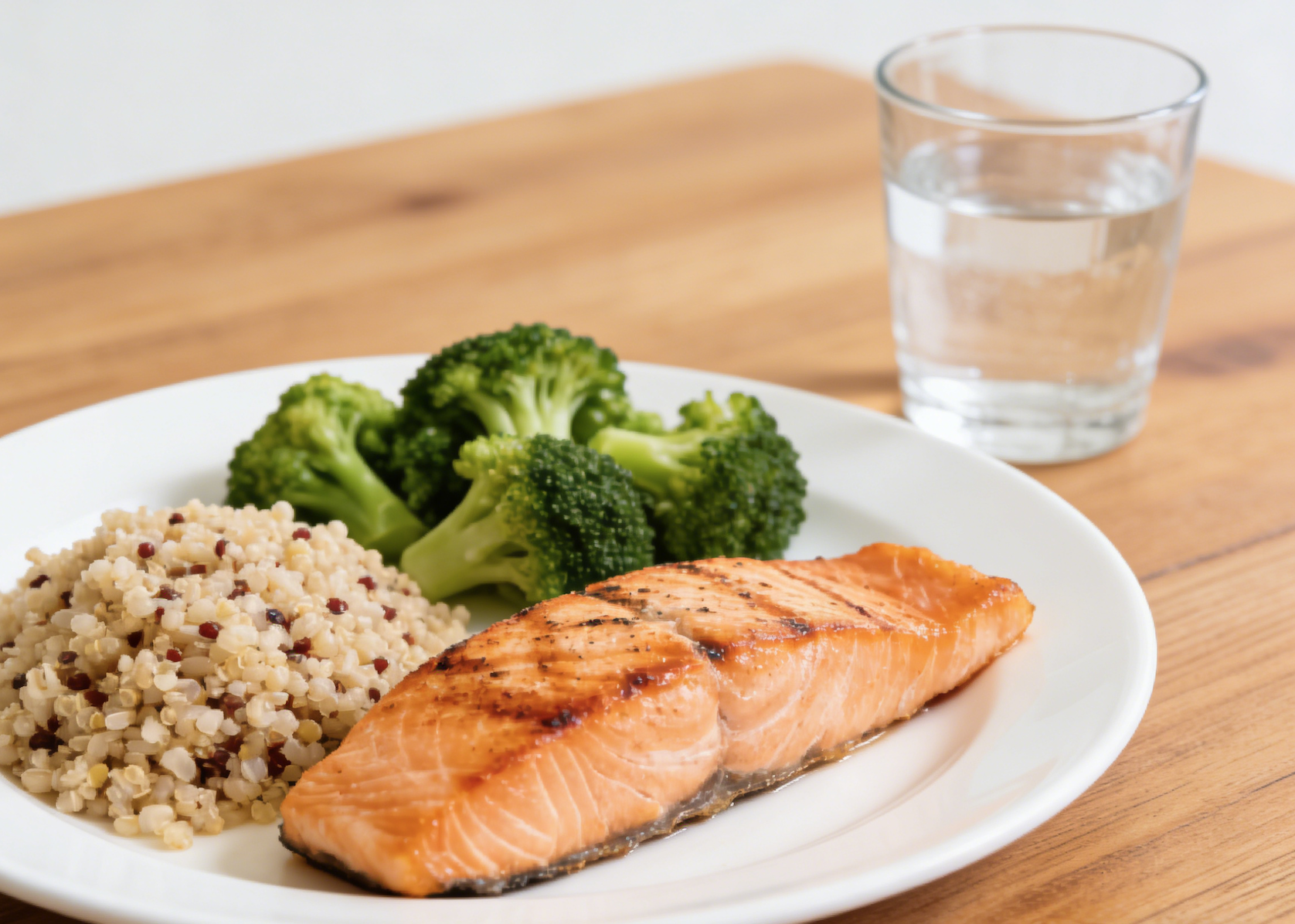
Detailed Explanation of the Harmful Effects of Hypertension on the Heart, Brain, and Kidneys, and Dietary Therapy
This article details the serious harm that hypertension can cause to multiple organs, including the heart, brain, and kidneys, and focuses on specific methods for controlling blood pressure through a scientific diet. Understanding these risks and treatments will help you actively manage your blood pressure and effectively prevent complications by adjusting your diet.
2026-03-09