
What is premature contraction? What are its dangers and clinical manifestations?
Premature Contractions: Premature contractions are a common type of arrhythmia that can occur in young people without organic heart disease as well as in patients with severe heart disease.
What are Premature Contractions? Premature contractions are arrhythmias caused by increased excitability of ectopic pacemakers or the formation of reentry mechanisms within the heart. Premature contractions are classified into ventricular premature contractions, atrial premature contractions, and junctional premature contractions.
What are the dangers of premature contractions? Our hearts beat rhythmically every day, including contraction and relaxation. Contraction ejects blood from the heart, supplying nutrients to all organs of the body; relaxation allows sufficient time for blood to return to the heart, filling it so that the heart can eject enough blood when it contracts again.
Premature contractions interfere with the heart's relaxation time, causing it to relax too quickly. This results in insufficient blood returning to the heart, and the heart cannot eject enough blood when it contracts again, leading to clinical manifestations such as organ ischemia.
Premature contractions were previously underestimated, but now it's believed that prolonged premature contractions can lead to heart failure, cardiomyopathy, and even sudden death.
What are the symptoms of premature contractions? Premature contractions can manifest in many ways, with patients often reporting:
1. A feeling that the heart is about to jump out of the throat;
2. A sudden, sharp pain in the heart;
3. Chest tightness and chest pain;
4. Fatigue.
When the heart is functioning normally, we don't feel anything, just like we don't notice our stomach working after eating. If we suddenly feel our heart working, it indicates a problem with our heart.
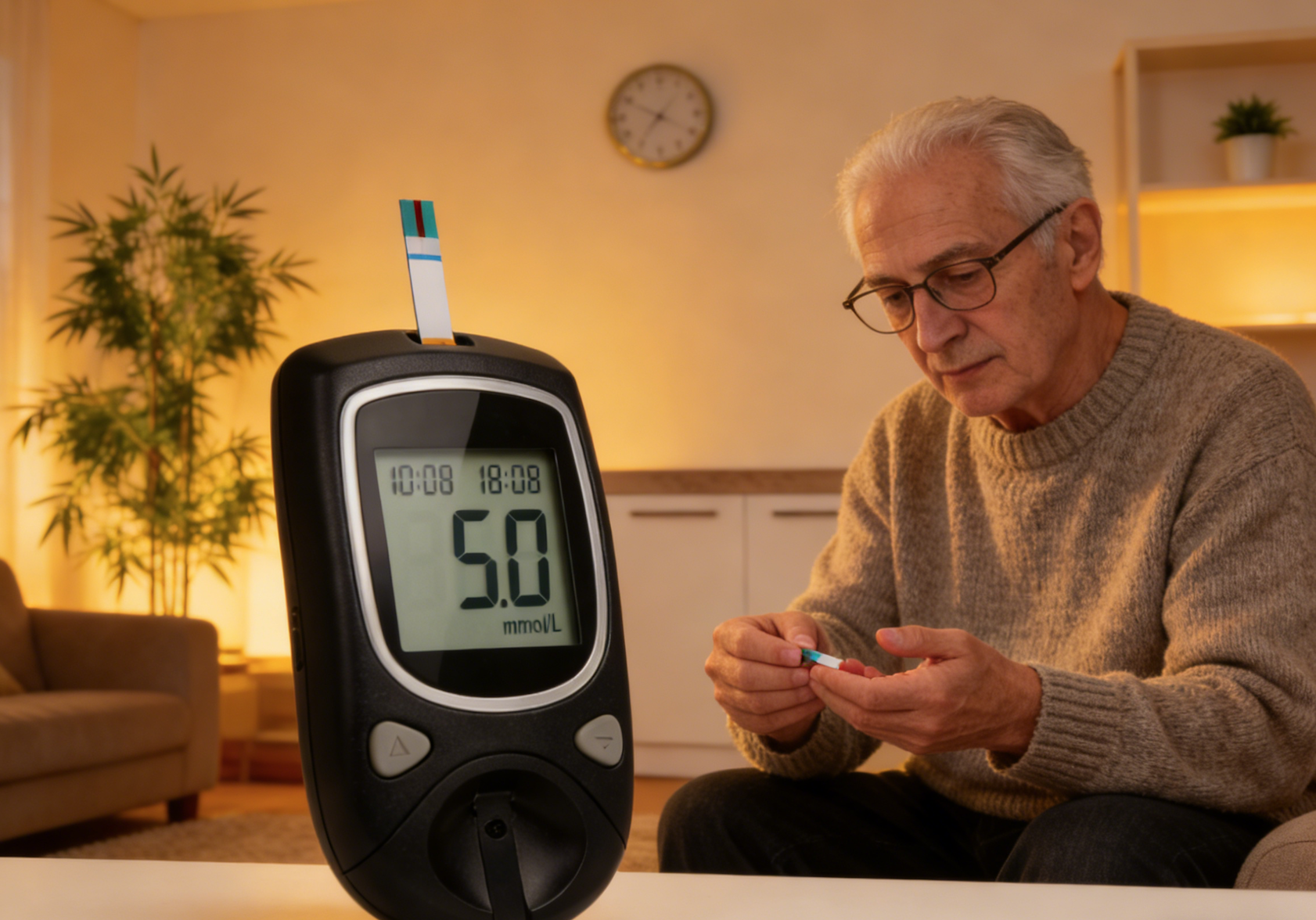
Nighttime heart palpitations: a warning sign of hypoglycemia; case analysis of diabetes patients who are easily misdiagnosed.
This article uses a case study to reveal that the symptoms of nocturnal palpitations and premature ventricular contractions in elderly diabetic patients may stem from unrecognized hypoglycemia. It serves as a reminder to diabetic patients and their families to pay attention to atypical hypoglycemic symptoms, monitor blood glucose levels promptly, and avoid misdiagnosis.
2026-03-06
Understanding Blood Pressure and Hypertension: Diagnostic Criteria and Classification Guidelines
This article explains in detail the definition and measurement principle of blood pressure, clarifies the diagnostic criteria for hypertension and the World Health Organization's classification guidelines, emphasizes the importance of accurate blood pressure measurement for the health management of hypertension, hyperlipidemia, and hyperglycemia, and helps readers establish a scientific understanding of blood pressure.
2026-03-06
A Comprehensive Analysis of Hypertension Symptoms: Warning Signs from Headaches to Palpitations
This article provides a detailed analysis of common symptoms of hypertension, such as persistent dizziness and headache, chest tightness and palpitations, and numbness in the limbs, explaining their causes. Understanding these symptoms can help you monitor your blood pressure changes promptly. When symptoms such as severe headache and vomiting occur, it indicates a possible sharp rise in blood pressure, requiring immediate medical attention.
2026-03-06