
A Comprehensive Analysis of Hypertension Symptoms: Warning Signs from Headaches to Palpitations
Patients with hypertension are prone to nosebleeds:
The symptoms of hypertension vary from patient to patient. In the early stages, there may be no symptoms or only mild symptoms, with blood pressure rising only after exertion, mental stress, or emotional fluctuations, and returning to normal after rest. As the disease progresses, blood pressure rises significantly and persistently, gradually leading to various symptoms. This is called slowly progressive hypertension.
Chest tightness and palpitations indicate that the heart of a hypertensive patient is affected by high blood pressure. Long-term elevated blood pressure can cause left ventricular dilation or myocardial hypertrophy, both of which increase the burden on the heart, leading to myocardial ischemia and arrhythmias, causing the patient to experience chest tightness and palpitations.
When blood pressure suddenly rises to a certain level:
Symptoms of slowly progressive hypertension include dizziness, headache, chest tightness, poor concentration, numbness in the limbs, memory loss, increased nocturia, palpitations, and fatigue.
Headache and dizziness are the most common symptoms of hypertension. Most patients experience a persistent, dull discomfort. Frequent dizziness hinders thinking, reduces work efficiency, and causes memory loss and poor concentration, especially recent memory decline. Long-term high blood pressure can lead to insufficient blood supply to the brain, which is one of the causes of dizziness. Some patients with long-term high blood pressure have become accustomed to higher blood pressure, and when they take antihypertensive drugs to lower their blood pressure to normal, they may also experience dizziness due to the brain's vascular regulation not adapting properly. Low blood pressure can also lead to insufficient blood supply to the brain, causing dizziness.
Headache can manifest as persistent dull pain or throbbing pain, and sometimes even causes vomiting and nausea. This is often caused by a sudden increase in blood pressure, which causes a strong reflexive contraction of blood vessels in the head. The pain may be located in the temples or the back of the head.
Due to brain nerve dysfunction, symptoms of hypertension such as palpitations, irritability, insomnia, and agitation may occur. Spasm of small arteries throughout the body and insufficient blood supply to the limb muscles can lead to numbness in the limbs, and tension and soreness in the neck and back muscles. Pre-existing vascular defects in the nasal septum can cause symptoms such as vomiting, palpitations, severe headaches, and dizziness, and may even lead to loss of consciousness and convulsions. This belongs to malignant hypertension and hypertensive crisis, which often results in serious damage and lesions to organs such as the brain, heart, and kidneys in a short period of time, such as myocardial infarction, stroke, and kidney failure. Therefore, if the above symptoms of hypertension appear, early examination and treatment are necessary.

Analysis of kiwifruit's effects on regulating blood pressure, blood sugar, and cholesterol: improving blood circulation and preventing thrombosis.
This article details how kiwifruit, through its vitamin C and arginine components, helps lower cholesterol and triglycerides, improves blood circulation, and prevents thrombosis, thus aiding in the control of "three highs" (high blood pressure, high blood sugar, and high cholesterol). It is suitable for people with these conditions and provides healthy recipes such as kiwifruit honey drinks.
2026-03-06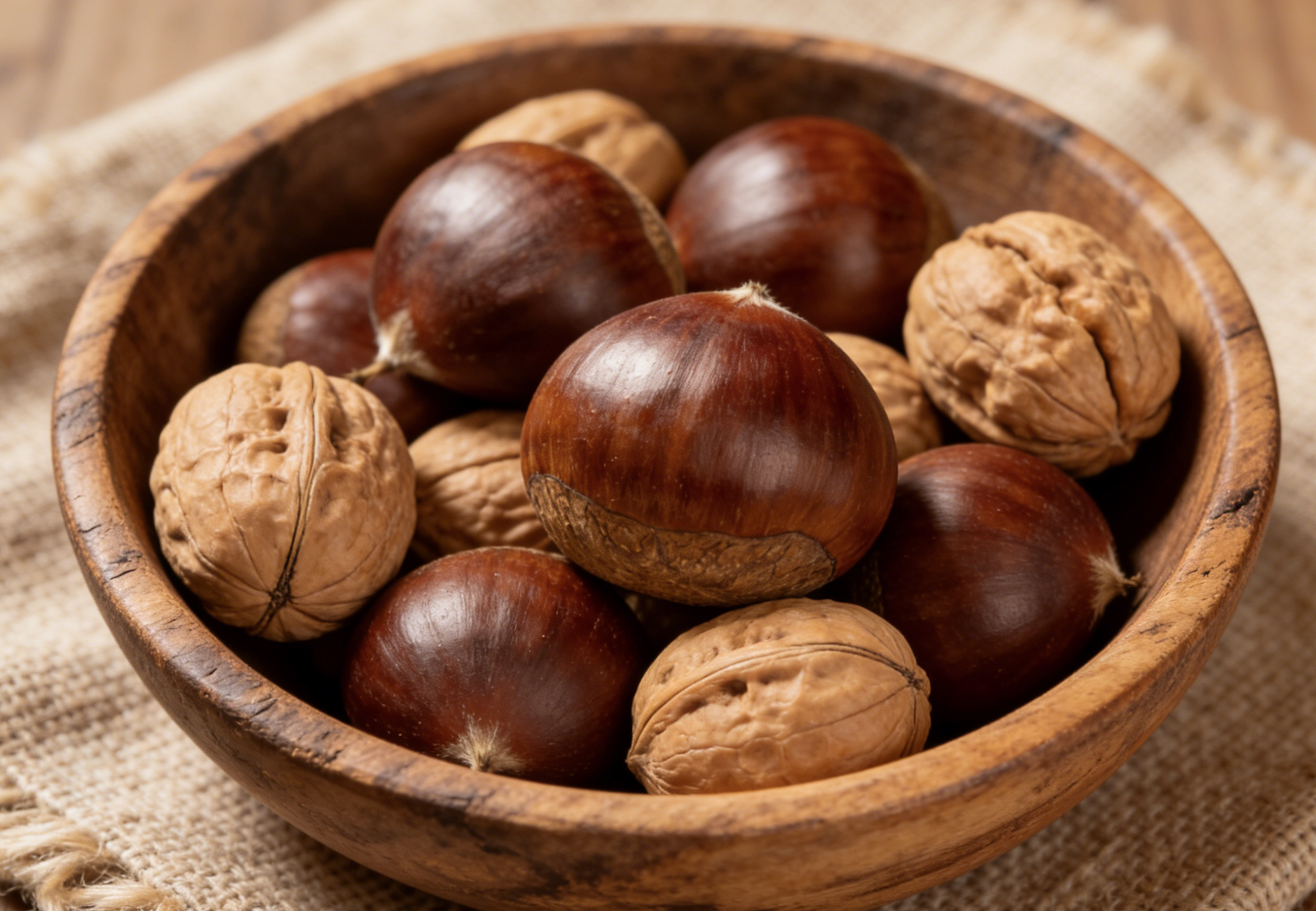
Chestnuts help regulate blood pressure, blood sugar, and cholesterol: Two healthy recipes for maintaining healthy blood vessels.
This article details how chestnuts, through their vitamin C, potassium, and dietary fiber, can help promote sodium excretion and lower blood lipids, thus regulating "the three highs" (high blood pressure, high blood sugar, and high cholesterol). It provides dietary guidance for controlling these conditions and includes two delicious recipes: braised baby bok choy with chestnuts and chestnut porridge, to help people with these conditions consume them scientifically.
2026-03-06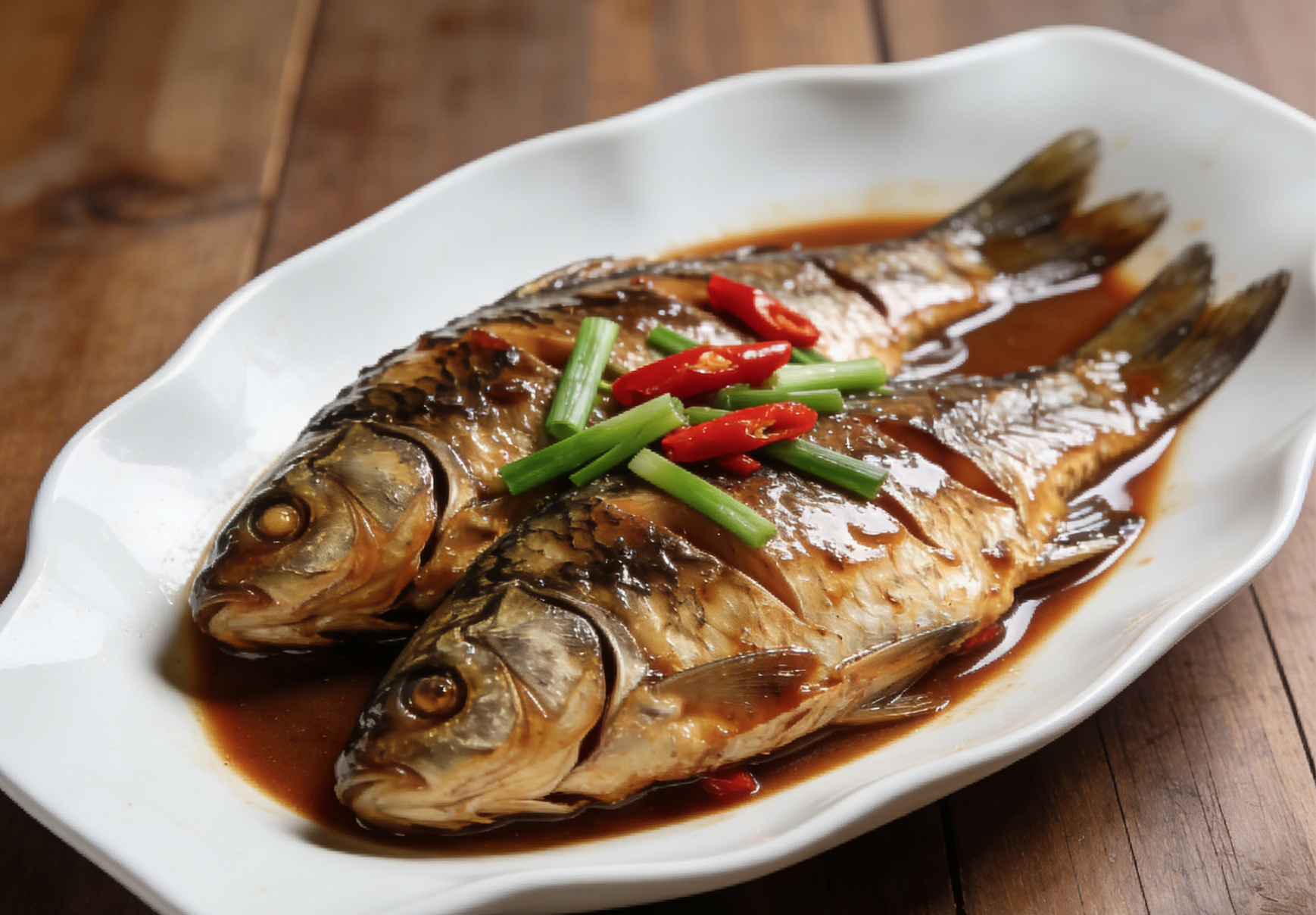
Detailed Explanation of Braised Crucian Carp and Grass Carp with Tofu: A Healthy Recipe and Its Benefits in Regulating High Blood Pressure, High Blood Sugar, and High Cholesterol
This article provides a detailed analysis of the nutritional components of crucian carp and its effects on lowering blood pressure, blood sugar, and cholesterol, including how its high-quality protein reduces cholesterol and blood sugar. It also offers healthy recipes such as braised grass carp with tofu and steamed crucian carp with wood ear mushrooms, providing dietary references for people with these conditions and aiding in health management.
2026-03-06