
A Comprehensive Explanation of Common Misconceptions about Hyperlipidemia and Scientific Prevention Strategies
Negative emotions, such as excessive tension, excitement, insomnia, anxiety, and depression, can all increase blood cholesterol and triglyceride levels, leading to lipid metabolism disorders.
Avoid medications that interfere with lipid metabolism: such as beta-blockers, propranolol, diuretics, hydrochlorothiazide, birth control pills, and corticosteroids.
Treat diseases affecting lipid metabolism: such as diabetes, hypothyroidism, nephrotic syndrome, alcoholism, pancreatitis, and lupus erythematosus.
Patients with high blood lipids, especially men over 40, postmenopausal women, or those with pre-existing conditions such as hypertension, diabetes, or coronary heart disease, should have their blood lipids checked regularly and receive early treatment.
Control total calorie intake: Ideally, maintain an ideal weight, meaning a body mass index (BMI) between 20 and 25. A BMI greater than 25 is considered overweight. Individuals who are overweight should gradually lose weight under the guidance of a physician, ideally 1-2 kilograms per month.
Daily dietary fat should generally account for only 30% of total energy intake; protein should account for 10%–20%; and carbohydrates should account for 50%–60%. Additionally, daily cholesterol intake should be less than 300 mg; for patients with severe hypercholesterolemia, daily cholesterol intake should be less than 200 mg. Eating more vegetables, soy products, lean meat, and jellyfish can reduce intestinal cholesterol absorption. Daily fiber intake from legumes, grains, fruits, and vegetables should be greater than or equal to 35 grams. Eat more foods rich in protein and unsaturated fatty acids, and less foods rich in saturated fatty acids and cholesterol.
Drug Treatment: Those who do not respond to dietary adjustments, increased exercise, and lifestyle modifications for 3–6 months, or those already diagnosed with hyperlipidemia, require drug treatment. Generally, primary, familial, or genetically determined hyperlipidemia requires lifelong medication; discontinuing medication midway often leads to relapse.
Common Misconceptions about High Cholesterol
High Cholesterol is Nothing to Worry About:High cholesterol is a serious condition that can lead to disability and even death. Numerous scientific studies have shown that high cholesterol is a major cause of atherosclerosis, which in turn is the leading cause of cardiovascular and cerebrovascular diseases. Worldwide, 15 million people die from cardiovascular and cerebrovascular diseases each year, making it the leading cause of death.
In my country, the incidence of cardiovascular and cerebrovascular diseases is as high as 8% of the total population, and the mortality rate is as high as 50% of all deaths. This means that more than 100 million people in my country suffer from these diseases. Even more seriously, atherosclerosis caused by high cholesterol is showing a trend of affecting younger people. Autopsies of deceased individuals aged 15-39 in Beijing showed atherosclerosis, and one-quarter of them had arterial stenosis exceeding 50%.
No Symptoms, No Disease:The absence of symptoms does not mean the absence of disease. Regular checkups, early diagnosis, and early treatment are crucial. High blood lipids are an invisible killer. They can begin eroding blood vessels as early as youth, but patients may not feel anything until middle or old age. When they cause cardiovascular and cerebrovascular diseases, leading to serious symptoms such as angina, myocardial infarction, and hemiplegia, or even endangering life, people become truly vigilant. However, by then, the damage to the heart and brain may be irreversible, even costing them their lives.
Many people believe that taking fish oil and other health supplements can lower blood lipids, but this is a misconception. Clinical studies have found that fish oil preparations can lower slightly elevated triglycerides, but have little effect on total cholesterol and LDL cholesterol, and therefore do not effectively lower blood lipids. Numerous studies have confirmed that statins can effectively lower LDL cholesterol, moderately raise HDL cholesterol, and significantly reduce triglyceride levels. Furthermore, these lipid-lowering drugs also have anti-atherosclerotic effects.
Stopping medication once blood lipids reach the target level: Due to various reasons, many patients do not adhere to their lipid-lowering medication regimen, leading to a rebound in blood lipids and affecting treatment effectiveness. Current long-term clinical research abroad shows that after initial treatment achieves target blood lipid levels, adhering to the minimum maintenance dose under the guidance of a doctor is very effective in maintaining these targets. Therefore, medication should not be stopped unless severe or intolerable adverse reactions occur.
When blood lipids approach the desired level, the dosage should be appropriately reduced, but medication should not be stopped completely immediately. This is because abnormal blood lipids are caused not only by external factors such as diet and exercise, but also by internal metabolic and genetic factors, which have a long-term impact on blood lipid levels. No lipid-lowering drug can achieve a "one-size-fits-all" effect; once medication is stopped, blood lipids often return to pre-treatment levels, making secondary treatment very difficult. Therefore, long-term adherence to medication not only improves blood lipid levels in the short term, but more importantly, significantly reduces the incidence and mortality of cardiovascular and cerebrovascular diseases.
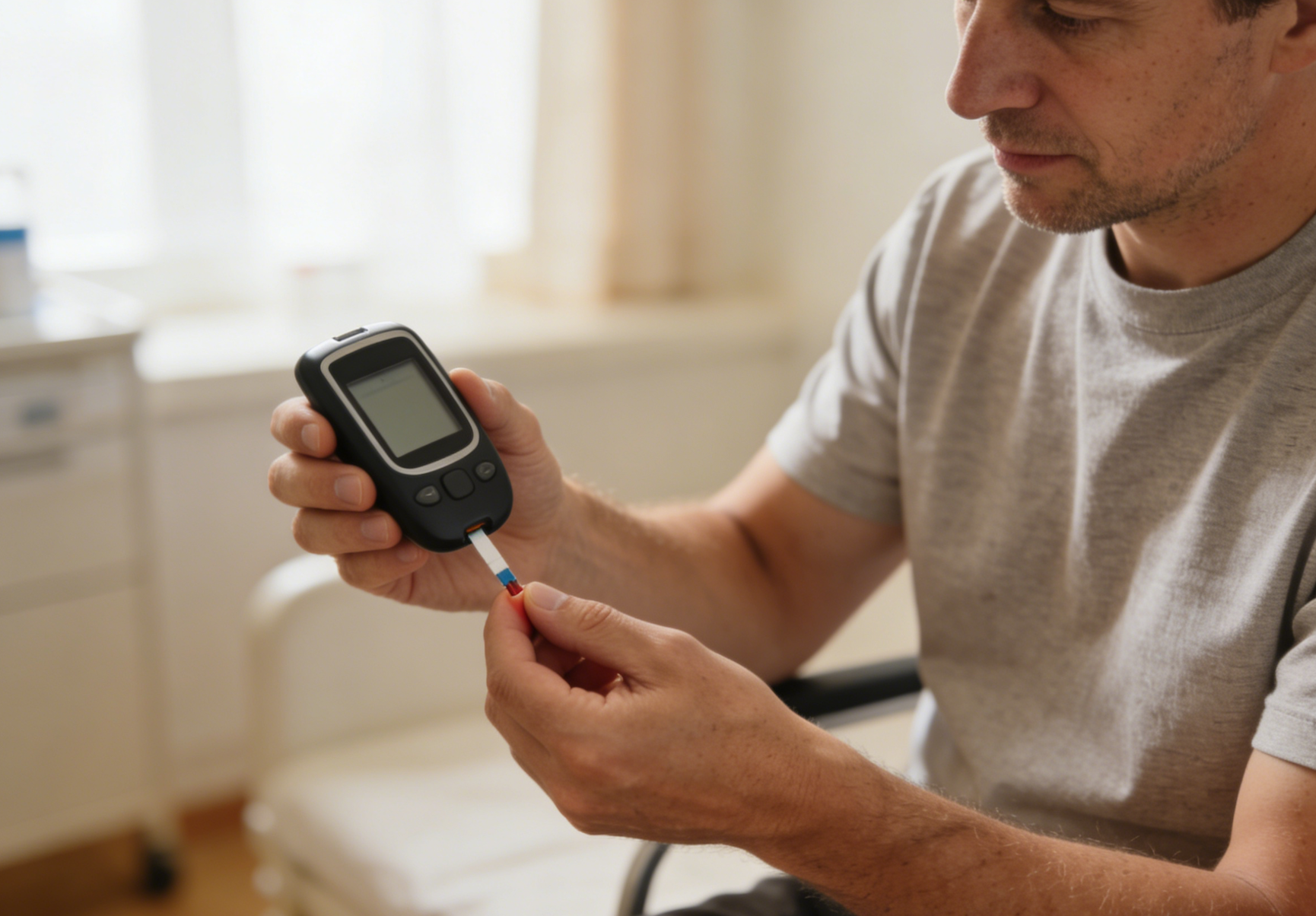
Three-tiered prevention of diabetes: Key measures and strategies for controlling blood sugar
This article provides a detailed analysis of the three-tiered prevention strategy for diabetes, from lifestyle modifications and regular blood glucose monitoring for early detection, to accurate self-monitoring of blood glucose for scientific management and prevention of complications. It guides readers to effectively control blood glucose levels and reduce the risk of developing and progressing to diabetes through systematic preventative measures.
2026-03-06
Analysis of the effects of celery and spinach in lowering blood pressure, blood sugar, and cholesterol: dietary therapy and recipe recommendations
This article details the nutritional components and scientific basis of celery and spinach in regulating "three highs" (high blood pressure, high blood sugar, and high cholesterol), and provides practical dietary therapy recipes for these conditions. By understanding the regulating effects of these two vegetables and their healthy recipes, you can add effective dietary options to your daily management of these three conditions.
2026-03-06
Leeks help lower blood pressure, blood sugar, and cholesterol: A comprehensive analysis of their medicinal effects and delicious recipes.
This article provides a detailed analysis of the volatile essential oils and other components in chives, explaining how they can help control high blood pressure, high cholesterol, and high blood sugar by regulating blood pressure and promoting metabolism. It also offers dietary remedies for diabetes and constipation, and includes two practical recipes: stir-fried chives with shrimp, providing a scientific dietary management plan for these conditions.
2026-03-05