
Guidelines for Managing Hypertension and Hyperlipidemia: Five Key Points to Help You Manage Both Conditions Simultaneously
When hypertension and hyperlipidemia coexist, the following points must be observed:
(1) Strengthen dietary and lifestyle management, control calorie intake, and appropriately increase physical activity. Excessive calorie intake will result in the excess being stored as fat, leading to elevated blood lipids and blood pressure. Therefore, it is essential to limit fat intake. Consume 200-250 grams of staple food daily, avoid sweets, and eat appropriate amounts of fish, soy products, poultry, and vegetables, but each meal should not be excessive, and overeating should be avoided. Eat less at dinner. Try to eat more foods rich in calcium and potassium, such as bananas, seaweed, kelp, potatoes, soy products, and mushrooms, to promote the excretion of sodium, thereby adjusting the intracellular sodium-to-calcium ratio, reducing vascular tension, and maintaining normal arterial contraction and relaxation responses to protect the heart. Moderate exercise can effectively increase endogenous pyrogens, raise body temperature, accelerate the breakdown of fats, sugars, and proteins, and facilitate the flushing of deposits on blood vessel walls, thus promoting the accelerated breakdown of blood lipids and preventing hypertension and hyperlipidemia, and delaying the aging of various organs. Therefore, exercise should be maintained, but the elderly should focus on walking, jogging, and Tai Chi, and avoid strenuous exercise.
(2) Smoking and alcohol are accomplices to hypertension and hyperlipidemia. Patients should resolutely quit smoking, and it is best to drink less alcohol, or even better, not at all.
(3) Patients should consume salt in moderation. It has been reported that hypertension is related to salt sensitivity, and some salt-sensitive individuals may have gene mutations, which is a dominant genetic mutation. This explains the mystery that has been studied for more than 100 years: the incidence of hypertension is high in areas with high salt intake, while some people with high salt intake rarely develop the disease. Therefore, reducing salt intake is very important for patients with salt-sensitive hypertension, but excessive salt reduction can also affect sugar and fat metabolism. Therefore, the daily salt intake should generally be controlled at around 5 grams, which will not have a significant impact on either. (4) If hyperlipidemia does not improve after antihypertensive treatment and coronary heart disease risk factors are present, anti-hyperlipidemia drugs should be considered.
(5) When using antihypertensive drugs, the impact on lipid metabolism should not be ignored. Clinical studies have shown that some antihypertensive drugs can have adverse effects on lipid metabolism.
Hypertensive patients should consider all aspects when using antihypertensive drugs and choose drugs that do not have adverse effects on lipid metabolism to avoid increasing hyperlipidemia and promoting the formation of arteriosclerosis. Patients with hyperlipidemia should adhere to the principle of early treatment and take lipid-lowering drugs as early as possible to control their condition.
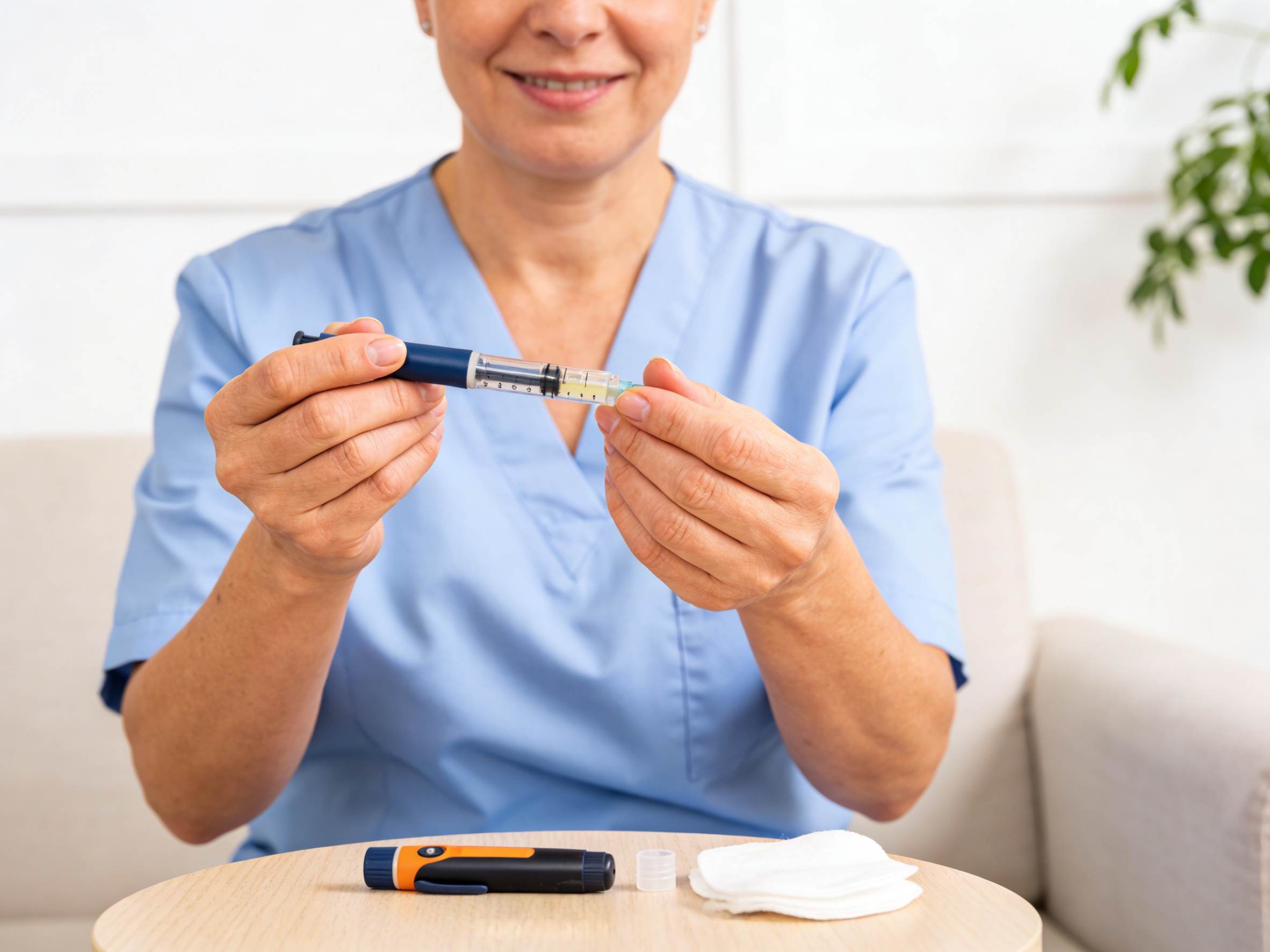
Phototherapy and acupuncture-assisted rehabilitation system for depressive disorders and physical rehabilitation system for chronic obstructive pulmonary disease.
This article explores drug-free therapies for mental health and chronic respiratory diseases. For depressive disorders, it details the physiological basis and operational methods of light therapy, exercise, and music-assisted therapy. For chronic obstructive pulmonary disease (COPD), it systematically elaborates on smoking cessation, nebulized inhalation, physical percussion techniques, and phased respiratory gymnastics and endurance training, emphasizing the rehabilitation value of psychological nursing in long-term disease management.
2026-03-24
Unraveling the mystery of the high incidence of myocardial infarction and stroke: Analyzing the complexity of prevention and treatment processes and cognitive biases between doctors and patients.
Despite evidence-based medicine demonstrating that the vast majority of cardiovascular and cerebrovascular events are preventable and controllable, their incidence in China remains high. This article provides an in-depth analysis of the numerous obstacles encountered in implementing the guidelines, examining factors such as the diversity of prevention and treatment processes, overly detailed disciplinary classifications, hidden risk factors, and insufficient attention from both doctors and patients. The article calls for improving patient adherence through individualized health education and comprehensive risk assessment, thereby truly unleashing the scientific power of the prevention and treatment guidelines.
2026-03-23
Domestic and international explorations in chronic disease prevention and control: from learning from European and American models to China's breakthrough in "guideline toolization"
This article reviews the positive explorations in the prevention and treatment of chronic diseases in the general public both domestically and internationally, and evaluates the advantages and disadvantages of models such as the "standard template system" and "comprehensive risk assessment" in Europe and the United States. At the same time, the article delves into the bottlenecks faced by China in community-based chronic disease management and proposes innovative ideas for transforming research findings into actionable tools. Through research on "guideline toolification," the aim is to break through traditional promotion models and achieve standardized and efficient chronic disease management.
2026-03-23