
Detailed Explanation of Hyperlipidemia: Etiology, Classification, and its Impact on Blood Lipids
Hyperlipidemia: In normal individuals, blood lipids maintain a dynamic balance within a certain range. Hyperlipidemia is a condition characterized by abnormally high levels of one or more lipid components in the blood plasma, leading to a series of clinical and pathological changes.
It can be simply understood as elevated levels of one or more of the following: total cholesterol (TC), triglycerides (TG), and low-density lipoprotein cholesterol (LDL-C).
Hyperlipoproteinemia: Hyperlipoproteinemia refers to elevated levels of one or more lipoproteins in the blood.
Modern medical research shows that lipids can only move in the blood in the form of lipoproteins, and all lipoproteins contain lipids, such as cholesterol or triglycerides. Therefore, excessive lipoproteins (hyperlipoproteinemia) will cause elevated blood lipid levels (hyperlipidemia). In fact, hyperlipidemia and hyperlipoproteinemia can be considered synonymous, just two different terms.
Dyslipidemia: Dyslipidemia is short for abnormal lipid metabolism, including hyperlipidemia and hyperlipoproteinemia. Hyperlipidemia is the most common manifestation of dyslipidemia, which also includes low serum high-density lipoprotein cholesterol (HDL-C) levels.
With in-depth research on blood lipids, the relationship between cholesterol, triglycerides, low-density lipoprotein cholesterol (LDL-C), HDL-C, and atherosclerosis is receiving increasing attention.
Classification of Dyslipidemia: According to the standards proposed by the World Health Organization, hyperlipoproteinemia is divided into five types: Type I: Hyperchylomicronemia; Type II: Hyperβ-lipoproteinemia; Type III: Abnormal β-lipoproteinemia; Type IV: Hyperpreβ-lipoproteinemia; Type V: Hyperpreβ-lipoproteinemia and Hyperchylomicronemia.
According to clinically practical classification, based on the test results of serum cholesterol, triglycerides, and HDL-C, dyslipidemia is divided into four categories:
(1) Hypercholesterolemia: Elevated serum total cholesterol >5.2 mmol/L (200 mg/dL), normal triglyceride levels <1.7 mmol/L (150 mg/dL). (2) Hypertriglyceridemia: Elevated serum triglyceride levels >1.7 mmol/L (150 mg/dL), while serum total cholesterol levels are normal <5.2 mmol/L (200 mg/dL).
(3) Mixed hyperlipidemia: Elevated serum total cholesterol levels >5.2 mmol/L (200 mg/dL), and elevated serum triglyceride levels >1.7 mmol/L (150 mg/dL).
(4) Low high-density lipoproteinemia: Decreased serum high-density lipoprotein cholesterol levels <0.9 mmol/L (35 mg/dL).
Based on etiology, dyslipidemia is classified into two categories: primary hyperlipidemia and secondary hyperlipidemia.

Detailed Explanation of Braised Crucian Carp and Grass Carp with Tofu: A Healthy Recipe and Its Benefits in Regulating High Blood Pressure, High Blood Sugar, and High Cholesterol
This article provides a detailed analysis of the nutritional components of crucian carp and its effects on lowering blood pressure, blood sugar, and cholesterol, including how its high-quality protein reduces cholesterol and blood sugar. It also offers healthy recipes such as braised grass carp with tofu and steamed crucian carp with wood ear mushrooms, providing dietary references for people with these conditions and aiding in health management.
2026-03-06
Peanuts and duck meat help regulate blood pressure, blood sugar, and cholesterol: Analysis of their effects and recommended healthy recipes.
This article details how the unsaturated fatty acids and resveratrol in peanuts help lower cholesterol and regulate blood sugar, and why the unsaturated fatty acids in duck meat are suitable for people with hypertension, hyperlipidemia, and hyperglycemia. It also provides dietary remedies for hypertension and healthy recipes such as walnut, peanut, and milk soup, offering dietary guidance for the scientific management of these conditions.
2026-03-07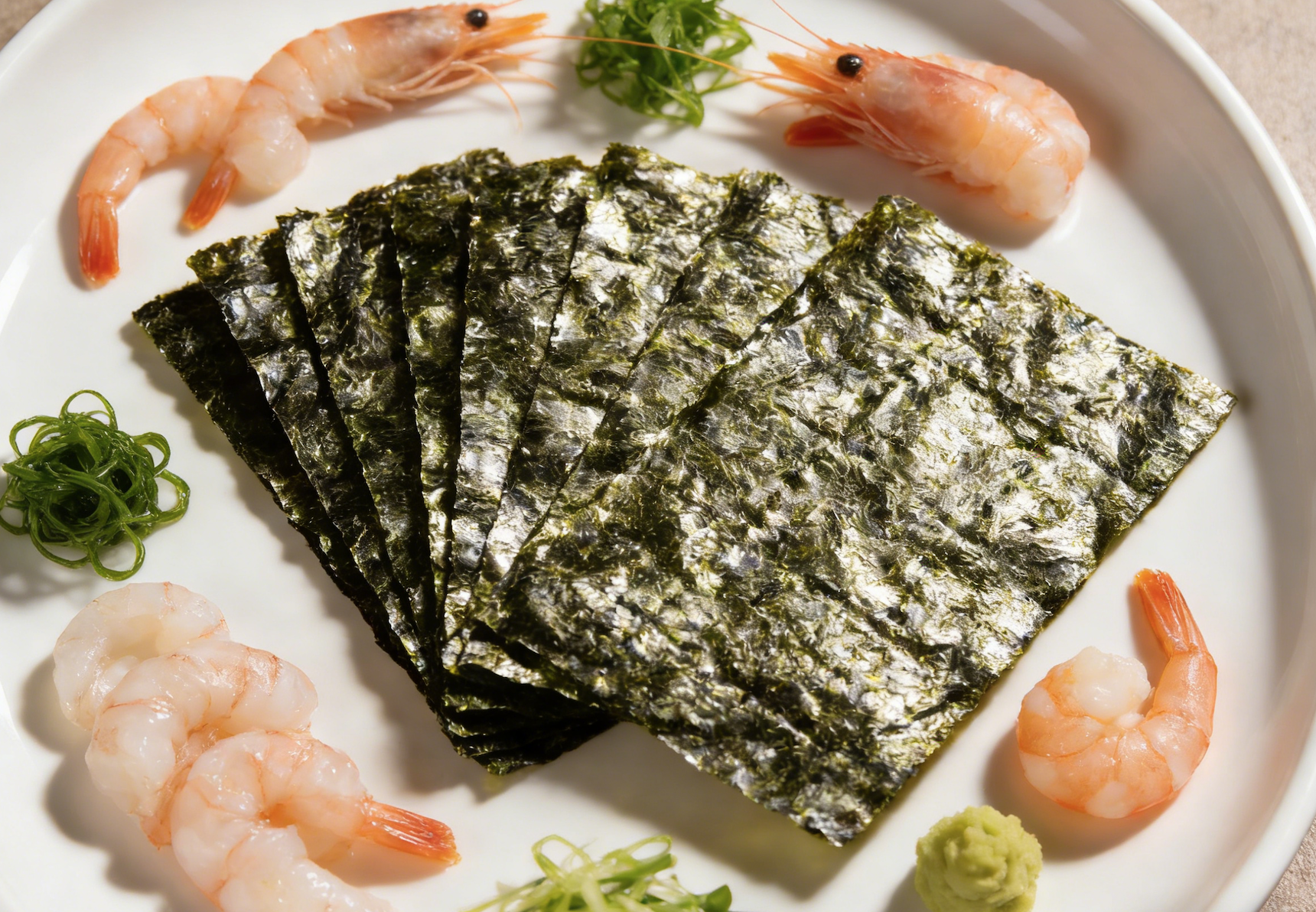
Analysis of seaweed's effects on regulating blood pressure, blood sugar, and cholesterol: Blood sugar reduction and two healthy recipes.
This article details how seaweed, through its polysaccharides, magnesium, and taurine, can effectively lower blood sugar and blood viscosity, thus helping to regulate the "three highs" (high blood pressure, high blood sugar, and high cholesterol). It provides dietary remedies for hypertension and healthy recipes such as seaweed and sea cucumber soup, offering dietary guidance for people with these conditions.
2026-03-07