
Lecithin: A natural scavenger for regulating blood lipids and offering multiple health benefits
Timely supplementation of lecithin is recommended: Lecithin is one of the most popular health supplements on the market in recent years. What are its amazing effects on the human body? Lecithin was originally isolated from egg yolks. Its main components include phospholipid molecules, unsaturated fatty acids, choline, and inositol. These components can affect the body's metabolism in different ways and have a wide range of physiological activities. Lecithin is not a vitamin, but it is rich in choline and inositol, which are B vitamins; although it is not an oil, it is rich in unsaturated fatty acids; although it is not a mineral, it contains phosphorus and abundant protein. Lecithin combines the essence of vitamins, oils, and minerals, coordinating human physiological functions. The human body contains two types of phospholipids, namely lecithin and cephalin, with lecithin being the main component.
However, the human body cannot synthesize phospholipids and must obtain them from external sources every day. Insufficient intake can lead to various diseases. Lecithin is an important component of human cells and is mainly found in vital organs (such as the brain, liver, heart, kidneys, and reproductive organs).
High blood lipids are a major cause of hypertension, thrombosis, and stroke. If hyperlipidemia is properly and promptly addressed, some cardiovascular and cerebrovascular diseases will lack support, leaving them vulnerable. Lecithin in the human body has a strong emulsifying effect, dissolving fats and lipid fragments, and even resolving existing atherosclerotic plaques. This plays a positive role in preventing stroke, myocardial infarction, coronary heart disease, and kidney dysfunction.
As a "scavenger" for clearing blood vessels, lecithin's choline, linoleic acid, and inositol are its most effective tools, relying on them to dissolve fats. It can reduce the size of large fat particles and increase their fluidity and permeability, thereby greatly reducing the chance of arteriosclerosis.
Lecithin has a wide range of physiological activities, mainly manifested in the following aspects:
(1) Lowering cholesterol and blood lipids. Lecithin is a powerful emulsifier that can emulsify fats and cholesterol into tiny particles, and even dissolve existing atherosclerotic plaques, thereby lowering blood lipids and reducing the risk of stroke and myocardial infarction. As an emulsifier, lecithin also helps the body absorb fat-soluble vitamins A, D, E, and K to meet its needs.
(2) It constitutes the cell membrane.
The cell membrane has unique permeability, a characteristic crucial for cell metabolism. Only when the body ingests sufficient lecithin can cell function be improved, further enhancing the regenerative capacity of human cells, delaying aging, and increasing vitality.
(3) It promotes brain health and intelligence.
Lecithin is an important component of the brain. After being ingested, lecithin enters the brain via the bloodstream and participates in the synthesis of acetylcholine—a neurotransmitter (the substance that transmits information in the brain). The higher the acetylcholine content in the brain, the faster the nerve transmission, the sharper the reaction, the faster the thinking, and the stronger the memory; conversely, the slower the nerve transmission, the worse the memory, the sluggish reaction, and the declining thinking. Elderly people generally lack acetylcholine, thus making them prone to Alzheimer's disease.
(4) Other functions.
Lecithin can promote glandular secretion, regulate and balance the endocrine system, help break down subcutaneous fat, promote metabolism, and also has a certain protective effect—liver protection.
Lecithin has so many functions in the human body; a lack of it can lead to sluggish reactions, memory loss, and even dementia. Therefore, appropriate lecithin supplementation is necessary, especially for the elderly and those who are weak and prone to illness. The best way to supplement is through diet. Studies have shown that egg yolks (containing 10%), soybeans (containing 2%), pig brains, pig liver, mushrooms, peanuts, and walnuts are all rich in lecithin. If dietary supplementation is not effective enough, medication can be used, as it is effective and has fewer side effects.
Because lecithin has a pleasant taste, it can be considered a multifunctional food additive. For example, the smooth and creamy texture of ice cream, the sweet and soft flavor of bread, and the instant solubility of milk powder are all thanks to the remarkable effects of lecithin.
However, the existence of anything has both beneficial and detrimental effects on its surroundings, and lecithin is no exception. Many fatty foods, while rich in lecithin, also contain high levels of cholesterol (such as pig brain), and should be consumed with caution by the elderly and those with cardiovascular disease. While lecithin is beneficial, it is a high-calorie fat and should not be consumed in excess, otherwise it can easily lead to weight gain and high blood lipids.

Variable blood sugar: From the basics of energy metabolism to the hidden threat of "hyperglycemia surges"
Blood sugar is the energy source for life, but it can also be a hidden threat to health. This article delves into the sources and metabolic pathways of blood sugar, elucidating the interplay between insulin and blood sugar-raising hormones. Through the tragic case of young Xiao Hu's sudden death due to high blood sugar, it warns readers to pay attention to the silent damage that a "hyperglycemia wave" can cause to blood vessels. The article emphasizes that early detection of elevated blood sugar and effective intervention during the sub-healthy stage are the last line of defense in stopping the progression of diabetes and protecting life.
2026-03-20
Warnings about the dangers of high blood sugar: causes, prevention, and cases
Blood sugar is crucial for life, and its balance is paramount. This article details the sources and pathways of blood sugar, analyzes the causes and dangers of high blood sugar, and uses real-life cases to warn of the consequences of neglecting blood sugar health, urging regular monitoring.
2026-03-20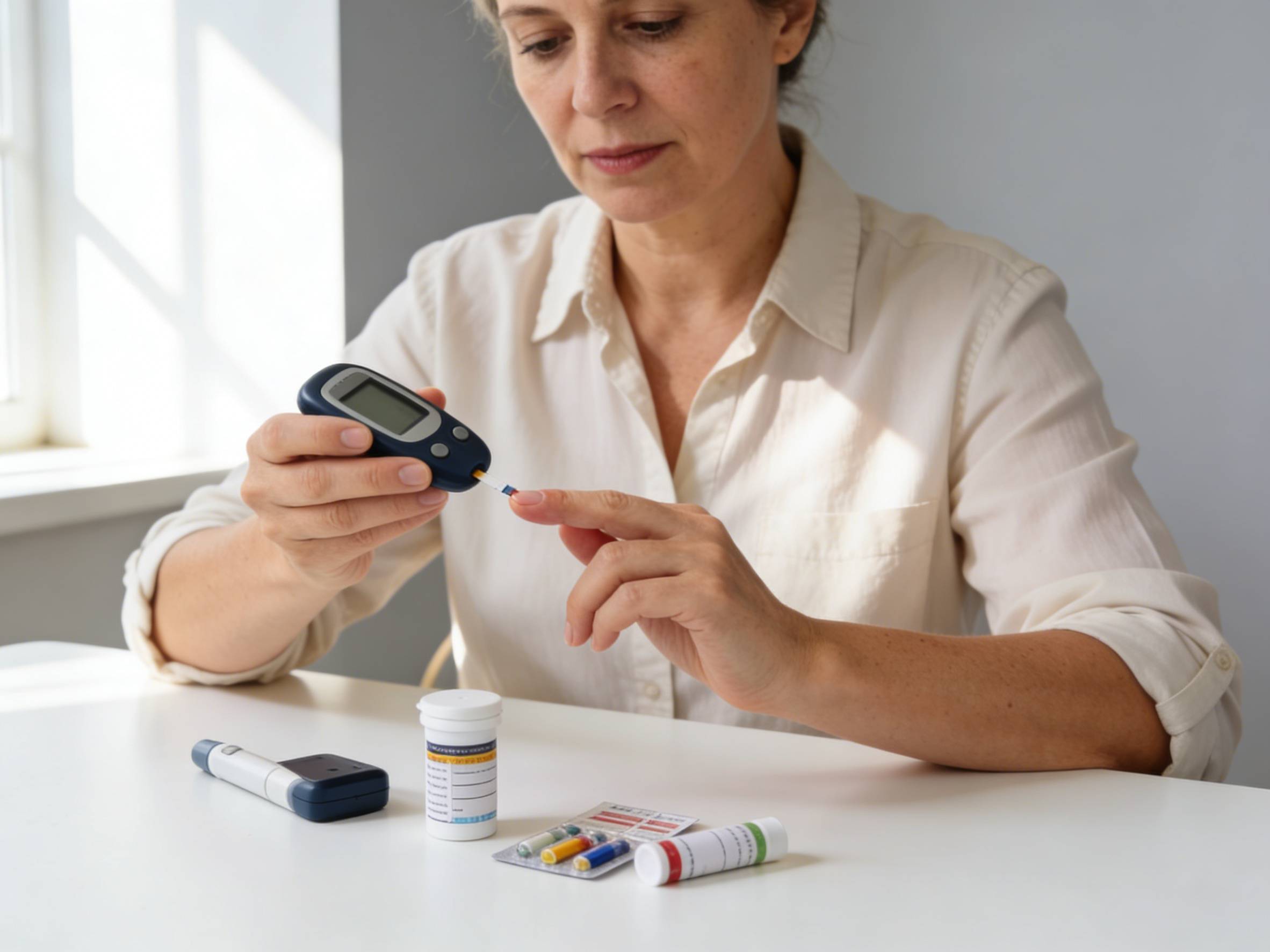
Blood sugar warning signals: In-depth identification from "hyperglycemia surge" to sub-health status
Elevated blood sugar is an important sub-health signal from the body. This article analyzes the pathological causes of Xiao Hu's case to highlight the clinical significance of "elevated blood sugar" as a sign of prediabetes. The article details eight early warning symptoms, including dry mouth, weight loss, and skin infections, and, in conjunction with fasting blood glucose testing standards, emphasizes the decisive role of scientific intervention in the sub-health stage in halting the progression of diabetes.
2026-03-20