
Advanced Guide to Hypertension Medication: Advantages of Sartans, Application of Alpha-blockers, and Antihypertensive Strategies in the Elderly and During Pregnancy
Angiotensin II receptor antagonists (ARBs).
What are angiotensin II receptor antagonists? What are their characteristics? Angiotensin II receptor antagonists (AT₁ antagonists) are a new class of antihypertensive drugs introduced in the mid-to-late 1990s. These drugs specifically block the AT₁ receptors of the renin-angiotensin-aldosterone system (RAAS), exhibiting a good antihypertensive effect. They also inhibit and reverse target organ damage caused by hypertension, such as reversing left ventricular hypertrophy and reducing atherosclerosis and renal function impairment. These drugs do not bind to receptors of other cardiovascular regulatory hormones, do not inhibit angiotensin-converting enzyme (ACE), and do not affect bradykinin in the body, thus having no side effect of dry cough. Patient tolerance and compliance are significantly better than with ACEIs. It is worth noting that ACEIs/ARBs, in addition to lowering blood pressure, also have a repairing effect on atherosclerotic blood vessels. Therefore, the status of ACEIs and ARBs in the prevention and treatment guidelines for coronary heart disease and cerebrovascular disease in various countries is gradually increasing. These guidelines generally recommend that patients with multiple risk factors or high-risk coronary heart disease or cerebrovascular disease should take ACEIs or ARBs as long as they do not have symptomatic hypotension, which can reduce the incidence of cardiovascular and cerebrovascular events by 20%.
What are some commonly used angiotensin II receptor antagonists? What are their characteristics? How are they taken? Drugs ending in "sartan" belong to this class. Commonly used drugs in this class include: ① Losartan: also known as Cozaar. Losartan can comprehensively block the physiological effects of angiotensin II, including vasoconstriction, sodium and water retention, increased sympathetic nerve activity, and cell growth promotion, thereby lowering blood pressure, reducing left ventricular hypertrophy, and improving renal function. Furthermore, it has no effect on bradykinin levels, so it does not cause a dry cough. Adults: 50-100 mg orally once daily, maintenance dose 25-100 mg daily.
② Valsartan: Also known as Diovan. Actions are the same as losartan. Adults: 80 mg orally once daily.
③ Telmisartan: Also known as Telmisartan. This drug selectively, competitively, and almost irreversibly antagonizes AT₁ receptors. Adults: 40 mg or 80 mg orally once daily.
④ Candesartan: Also known as Candesartan. This drug has a faster onset of action; clinically significant blood pressure reduction is generally seen after 2 weeks of use, while other antihypertensive drugs usually take 4 weeks. Its efficacy rate is 55%, and its antihypertensive effect is comparable to enalapril and superior to losartan. Adults: 8 mg or 16 mg orally once daily.
Which patients are suitable for ARBs? Patients suitable for ACEIs are also suitable for ARBs.
Which patients are suitable for ACEIs? In addition, ARBs can also be used in patients at risk of stroke. Hypertension is the most important risk factor for stroke. This product can effectively control blood pressure and reduce the incidence of stroke in patients with diabetes, left ventricular hypertrophy, atrial fibrillation, carotid artery sclerosis, etc. Therefore, it is often recommended as a first-line drug for stroke prevention in hypertensive patients. Multiple international trials have confirmed that this product can effectively prevent the first occurrence of stroke in hypertensive patients and is suitable for primary stroke prevention. Trials have also confirmed that this product can reduce the recurrence of stroke. 50. Which patients are not suitable for ARBs? Patients who are not suitable for ACEIs are also not suitable for ARBs. Which patients are not suitable for ACEIs?
α-Receptor Blockers
What are α-receptor blockers? What are some commonly used ones? α-receptor blockers selectively antagonize α₁ adrenergic receptors on the postsynaptic membrane, causing relaxation of peripheral arterial and venous smooth muscle, reducing resistance, and lowering blood pressure; the antihypertensive effect is rapid and strong, and reflex tachycardia is rare. Due to the dilation of small arteries and venules, the preload and afterload of the heart are reduced, leading to a decrease in left ventricular end-diastolic pressure and improved cardiac output; it has little effect on renal blood flow and glomerular filtration rate. In addition, this class of drugs can lower cholesterol and triglycerides, improve insulin resistance, and mildly reverse left ventricular hypertrophy. Because it has an inhibitory effect on the prostate, it can significantly improve urinary difficulties and frequency in patients with benign prostatic hyperplasia (BPH), making it suitable for hypertensive patients with abnormal glucose and lipid metabolism and BPH. Commonly used alpha-receptor blockers include the following:
① Prazosin: Also known as antihypertensive agent, it has a short half-life of only 2-4 hours. The initial dose is 0.5 mg, taken before bedtime to avoid the first-dose phenomenon. The usual dose is 2-20 mg/day, 2-4 times daily.
② Terazosin: Also known as terazosin. It is a long-acting preparation. The initial oral dose is 1 mg, followed by 1-8 mg daily, once a day, used to treat hypertension and BPH. ③ Doxazosin: Also known as quinzosin. It is a long-acting preparation. The initial oral dose is 1 mg, followed by 1-6 mg once daily.
What are the characteristics of prazosin? How is it used? Prazosin has a potent vasodilatory effect. It can significantly reduce systolic and diastolic blood pressure in patients with primary, secondary, or renal hypertension, whether at rest or during exercise, whether lying down or standing. It is suitable for the treatment of grade 1, 2, and 3 hypertension. It can be used alone, but its effect is better when used in combination with diuretics or beta-blockers. Because this drug can cause fluid retention, it is advisable to use it in combination with diuretics for grade 2 and above hypertension. The mechanism of its antihypertensive effect is the dilation of small blood vessels throughout the body, both dilating arterioles and relaxing venules, resulting in balanced vasodilation and lowering blood pressure, while simultaneously reducing cardiac afterload and preload. Therefore, while lowering blood pressure, there is no compensatory increase in cardiac output or adverse reaction of increased heart rate. The usual dose of this product is 0.5 mg for the first dose, taken at bedtime. Thereafter, the dose should be 1.5–2.0 mg daily (gradually increasing), divided into three doses. Elderly patients should have their dosage reduced. The most common adverse reactions to oral administration of this product are nasal congestion, dry mouth, and gastrointestinal discomfort; the most common serious adverse reactions are dizziness, syncope, severe hypotension, and orthostatic hypotension after the first dose. Orthostatic hypotension is related to the initial dose, rapid or excessive increases, therefore the initial dose should not exceed 0.5 mg and should be taken at bedtime. This product has a sedative effect and, like other vasodilators, may worsen myocardial ischemia; caution should be exercised.
What are the adverse reactions of alpha-receptor blockers? How should they be prevented and treated?
① Orthostatic hypotension: This is the main adverse reaction of this class of drugs, and it is more likely to occur in elderly patients during the first dose. Because it is common in first-time users, it is called the "first-dose phenomenon," manifesting as dizziness, syncope, palpitations, etc., especially when the patient is upright, hungry, or has a low-salt diet. Administration methods to prevent the "first-dose phenomenon": a. If using prazosin, discontinue diuretics for one day before administration to prevent hypovolemia; b. Administer the first dose before bedtime to avoid dizziness due to postural changes; c. The initial dose should be small, such as half the original dose.
② Tachycardia: This is caused by the drug's vasodilatory effect reflexively activating the sympathetic nervous system. To avoid this side effect, it can be used in combination with β-blockers.
③ Sodium and water retention: Long-term use of this class of drugs may cause this adverse reaction, and the antihypertensive effect of the drug will also be weakened. Diuretics can be used in combination to reduce or avoid its occurrence.
④ Tolerance: This occurs when blood pressure is well controlled at a certain dose, but then rises again. The dose can be increased once every week until the prescribed maintenance dose is reached.
⑤ Other: Dizziness, headache, fatigue, dry mouth, nausea, constipation, rash, etc. Discontinue use if necessary. Selection and Application of Antihypertensive Drugs for Special Populations
What are the characteristics of hypertension in the elderly? Hypertension in the elderly is defined as three consecutive blood pressure measurements taken on different days in individuals over 60 years of age, with systolic blood pressure ≥ 140 mmHg and/or diastolic blood pressure ≥ 90 mmHg. Isolated systolic hypertension in the elderly is defined as systolic blood pressure ≥ 140 mmHg, while diastolic blood pressure < 90 mmHg. Its symptom characteristics are as follows:
① Isolated systolic hypertension is common in the elderly. Recent extensive cardiovascular epidemiological studies have shown that systolic blood pressure in the elderly is a more reliable predictor of target organ damage and related diseases (such as cerebral hemorrhage, coronary heart disease, heart failure, kidney failure, etc.) and mortality.
② Blood pressure fluctuations in elderly hypertensive patients are greater than in younger patients, especially systolic blood pressure. Therefore, they cannot tolerate rapid and drastic blood pressure reduction; a blood pressure reduction cycle of several days, weeks, or longer is preferable. ③ Hypertension in the elderly often presents with numerous and serious complications, especially in patients with systolic hypertension, who may have left ventricular hypertrophy, indicating a poor prognosis; changes in renal function in the elderly occur earlier and are more severe when accompanied by hypertension; asymptomatic cerebral infarction in elderly hypertensive patients increases with age and becomes more serious.

Corn for Regulating Blood Pressure, Blood Sugar, and Cholesterol: Cholesterol-Lowering Effects and Two Recommended Dietary Recipes
This article details how corn lowers cholesterol through its unsaturated fatty acids and other components, helping to prevent chronic diseases such as hypertension and diabetes, and thus aiding in the control of the "three highs" (high blood pressure, high blood sugar, and high cholesterol). It also provides dietary remedies such as corn silk tea for diabetes and hypertension, offering practical guidance for daily dietary management of these conditions.
2026-03-06
Apples Regulate Blood Pressure, Blood Sugar, and Cholesterol: Component Analysis and Two Healthy Recipe Recommendations
This article details how the malic acid, potassium, and chromium in apples help lower cholesterol, blood pressure, and regulate blood sugar, thus aiding in the management of "the three highs" (high blood pressure, high blood sugar, and high cholesterol). It provides dietary remedies for hypertension and healthy recipes such as apple chicken, offering scientific dietary choices for daily management of these conditions.
2026-03-06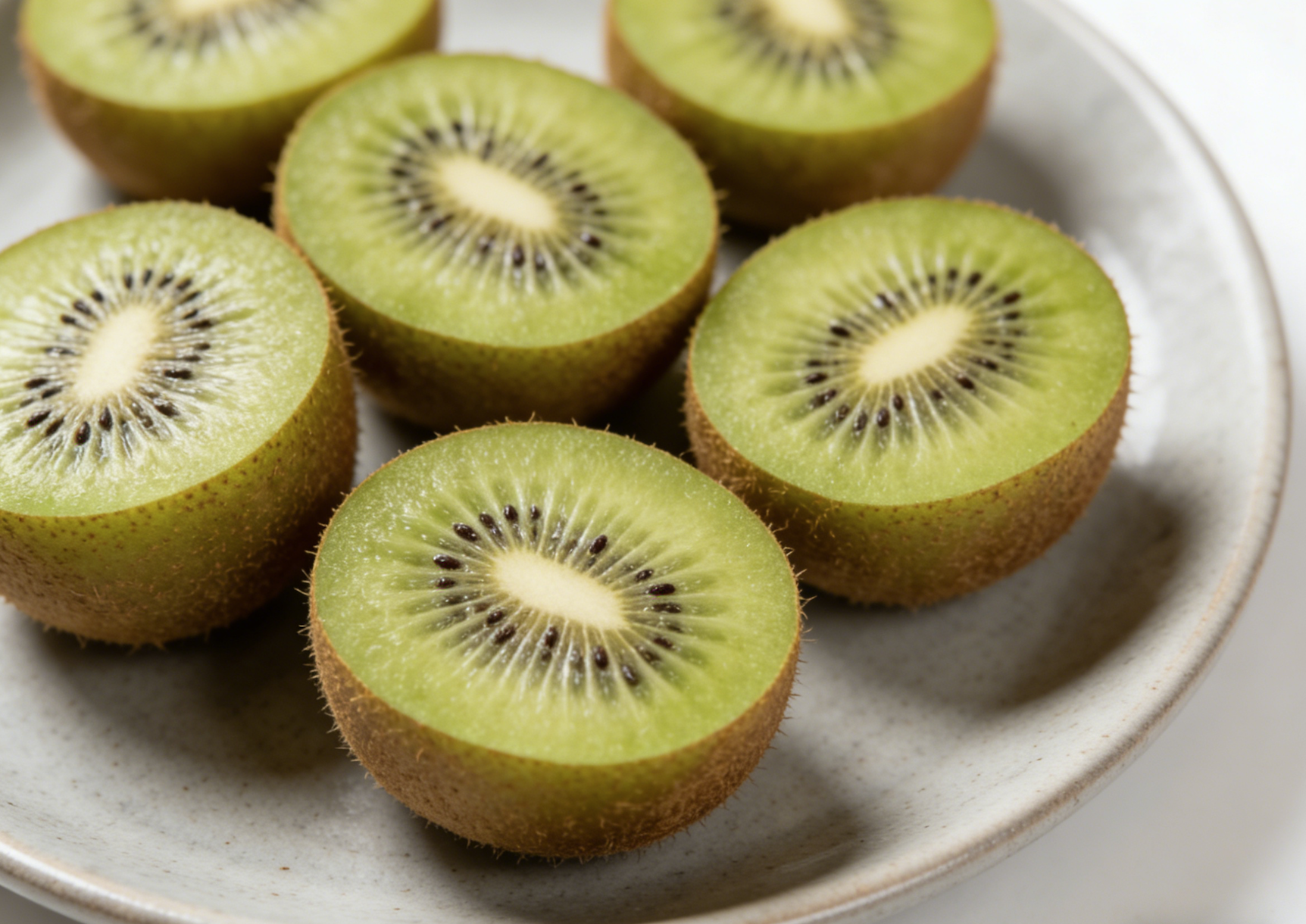
Analysis of kiwifruit's effects on regulating blood pressure, blood sugar, and cholesterol: improving blood circulation and preventing thrombosis.
This article details how kiwifruit, through its vitamin C and arginine components, helps lower cholesterol and triglycerides, improves blood circulation, and prevents thrombosis, thus aiding in the control of "three highs" (high blood pressure, high blood sugar, and high cholesterol). It is suitable for people with these conditions and provides healthy recipes such as kiwifruit honey drinks.
2026-03-06