
Corn for Regulating Blood Pressure, Blood Sugar, and Cholesterol: Cholesterol-Lowering Effects and Two Recommended Dietary Recipes
Corn – Effective for Calcium Supplementation and Anti-Aging. Also known as corn cob, maize, or corn kernels.
Taste and Properties: Sweet, neutral in nature; enters the spleen, stomach, and kidney meridians.
Recommended Consumption: 80-100 grams per meal.
Nutritional Components: Protein, fat, starch, vitamins B₁, B₂, B₆, A, E, carotene, cellulose, lecithin, phosphorus, selenium, calcium, magnesium, iron, etc.
Corn is rich in calcium, phosphorus, selenium, lecithin, and vitamin E, all of which help lower cholesterol. Linoleic acid accounts for over 60% of the unsaturated fatty acids in corn. It works synergistically with vitamin E in corn germ to lower blood cholesterol levels and prevent its deposition on blood vessel walls, offering some preventative and therapeutic benefits for coronary heart disease, atherosclerosis, diabetes, hyperlipidemia, and hypertension.
1. Diabetes: 50-100 grams of corn silk, decocted in water, taken in two divided doses throughout the day. Continuous use is effective.
2. High blood pressure: 15-25 grams of corn silk, with an appropriate amount of rock sugar, decocted in water and drunk as tea regularly; or 60 grams of dried corn silk, boiled in water and drunk 3 times a day.
Efficacy: Corn is known as a golden food, containing a large amount of calcium, which can effectively prevent menopausal osteoporosis. The glutamic acid in corn can also stimulate brain cells, enhancing brainpower and memory. The nutrients contained in corn germ can enhance metabolism, regulate the nervous system, and can make the skin delicate and smooth, inhibiting and delaying the formation of wrinkles.
Corn is also a weight-loss food. Because corn is a high-fiber food, the calories in the same amount of corn are similar to those in rice, but corn can help intestinal peristalsis, thereby promoting digestion and absorption, reducing the accumulation of body fat, and aiding in weight loss.
Those with weak spleen and stomach are prone to diarrhea after eating it.
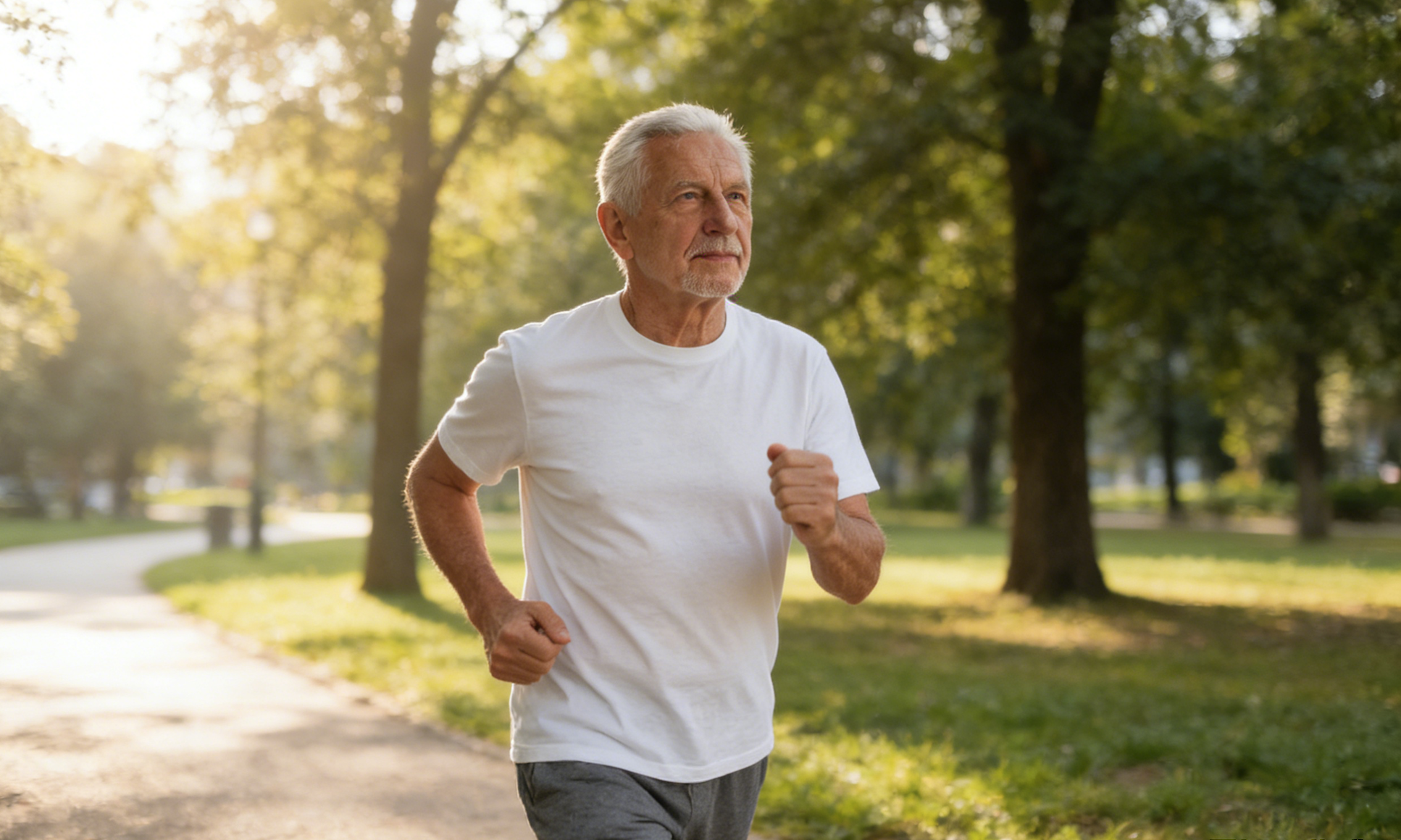
Blood pressure lowering exercises and walking: a two-pronged approach to effectively help control blood pressure.
This article introduces the benefits of antihypertensive exercises and walking for patients with hypertension. Both help lower blood pressure by enhancing regulatory function, dilating blood vessels, and relaxing nerves. Understanding and adhering to these exercises can effectively complement drug and non-drug therapies, achieving better blood pressure control and management.
2026-03-02
Exercise Guidelines for Hypertension Patients: How to Scientifically Control Intensity, Duration, and Frequency
This article provides guidance on scientific exercise for patients with hypertension, explaining in detail how to control exercise intensity, duration, and frequency to avoid blood pressure fluctuations caused by improper exercise. Correct exercise helps stabilize blood pressure and improve health, and is an important part of blood pressure management.
2026-03-02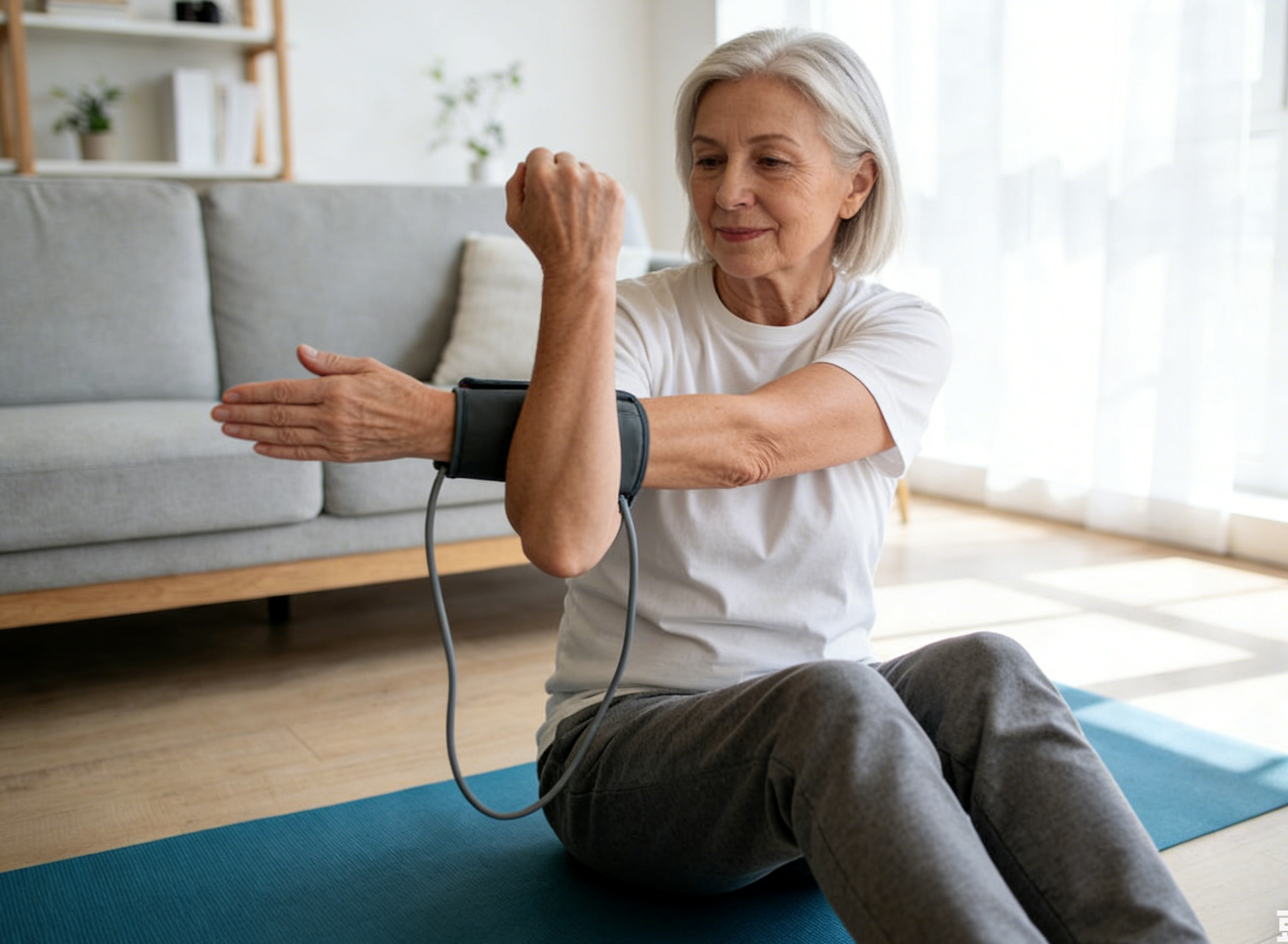
Two things to avoid when exercising for high blood pressure: Analysis of the risks of neglecting warm-up and strenuous exercise.
This article details the necessity of warming up before exercise for patients with hypertension and the risks of strenuous exercise. It emphasizes that proper warm-up can prevent a sudden rise in blood pressure, and that scientifically controlling exercise intensity can help stabilize blood pressure in the long term and ensure exercise safety.
2026-03-02