
Weight Loss and Blood Pressure Stabilization: A Health Guide for Hypertension Patients Through Tourism, Forest Bathing, and Sea Bathing
Hypertensive patients should be cautious when traveling and ensure they have all necessary medications.
Patients with stage III hypertension should generally not travel. Patients with stage I and II hypertension should avoid long trips, tight schedules, and travel during summer and winter. When traveling, bring your blood pressure medication and avoid overexertion. It's best to bring a blood pressure monitor for regular monitoring.
Travel and Fitness Can Lower Blood Pressure
Travel is a popular leisure activity. Hypertensive patients can enjoy strolling along mountain paths, surrounded by lush greenery, finding both beauty and physical activity beneficial. Appreciating natural scenery can improve mood, stabilize blood pressure, refresh the mind, reduce anxiety, cultivate character, promote metabolism, and maintain youthful vitality. For hypertensive patients, travel is a form of active rest, a recharge for the brain, and a significant improvement in overall physical health. Tourist destinations are typically located near beaches, mountains, and waterfalls, where the air contains up to 20,000 negative oxygen ions per cubic centimeter, compared to only 400-600 in city parks. Negative oxygen ions enhance brain function, improve blood circulation, promote metabolism, and boost immunity. Inhaling large amounts of negative oxygen ions can help prevent and treat hypertension, heart disease, and respiratory and digestive system disorders. While travel is enjoyable, it's important to pay attention to health during the trip; otherwise, it can have the opposite effect and spoil the enjoyment.
Travel and fitness are good, but safety is paramount.
① Don't plan too tight a itinerary. Choose travel destinations based on your physical condition—go as far as you can, but choose nearby destinations if you can't. Don't push yourself too hard. Excessive travel time leads to excessive physical exertion, which is detrimental to your health. Avoid strenuous activity; do what you can. Choose stimulating or thrilling activities selectively to avoid potential harm.
② Carry essential medications. When traveling, bring bandages, gauze, cold medicine, antibacterial and anti-inflammatory drugs, antidiarrheal medication, pain relief plasters, motion sickness medication, etc. Those with chronic illnesses such as hypertension, diabetes, or coronary heart disease should bring sufficient amounts of their commonly used medications. If you feel unwell during the trip, seek medical attention at a local hospital.
③ Eat well and be full during your trip, but avoid overeating. Try not to change your eating habits, pay attention to a balanced diet of meat and vegetables, and eat plenty of fruit. Be mindful of the hygiene and quality of local specialties. Do not consume unhygienic or substandard food and drinks during your trip; do not drink untreated water, pond water, or river water; eat at the restaurants in your accommodation whenever possible. Bring your own tableware and water containers for hygiene and convenience.
④ Do not eat too much before traveling by vehicle, but also do not travel on an empty stomach to prevent motion sickness. If you are prone to motion sickness, take motion sickness medication half an hour before departure, sit in the front of the vehicle or near a window with good ventilation, or hold a slice of ginger in your mouth before boarding.
⑤ Due to significant temperature differences between regions, be sure to bring enough clothing for your trip, especially in spring. Wear comfortable, breathable, and soft walking shoes. Also bring a sun hat, sunglasses, and rain gear.
⑥ Ensure 6-8 hours of sleep daily, soak feet in hot water before bed each night, and slightly elevate the calves before sleeping to prevent lower limb edema. Elderly individuals and those with poor health should travel in groups to prevent accidents.
Forest Oxygen Bathing: Disease Prevention and Health Improvement
Forest bathing is a therapy that combines comfortable breathing and appropriate exercise in a forest for disease prevention and health improvement. Photosynthesis in forests produces large amounts of oxygen, absorbs harmful gases such as carbon dioxide and sulfur dioxide, and purifies the air. Forest air has a high concentration of negative ions, and forest plants secrete abundant aromatic substances. Forests also help eliminate noise pollution. These factors are related to the blood pressure-lowering effect of forest bathing.
Forest Bathing: Good for Lowering Blood Pressure
Inhaling fresh air with high oxygen content has a good regulatory effect on the nervous, respiratory, and circulatory systems, increasing blood oxygen levels, promoting metabolism, improving immunity, helping to lower blood pressure, and alleviating symptoms such as headaches and dizziness in patients with hypertension. Studies have found that in forests, skin temperature can decrease by 1-2°C, pulse rate can decrease by 4-8 beats per minute, breathing becomes more even and slower, blood flow slows, and the burden on the heart is reduced, leading to mental clarity, a pleasant mood, and relief from tension and fatigue, which is beneficial for people with hypertension. The aromatic substances in forests have calming and analgesic effects, which are helpful in improving the symptoms of hypertension. The best locations for forest bathing are scenic spots with pleasant climates. The ideal time for forest bathing is from May to October. During forest bathing, the air should be cool, with an outdoor temperature between 15-25°C. Sunny days, between 10 am and 4 pm, are most suitable. Forest bathing should be done 1-2 times daily, for 60-90 minutes each time.
There are many ways to enjoy forest bathing. You can walk in the forest to regulate your mood; you can also wear shorts and a t-shirt and walk in the forest to let the fresh air stimulate your exposed skin, but be careful to avoid catching a cold; you can lie on a chair or on the grass to rest; you can do light activities such as Tai Chi and jogging on the grass to exercise your body; you can also sing loudly in the forest to vent your frustrations and broaden your mind.
Forest bathing is only suitable for patients with mild hypertension. It is not suitable for patients with severe hypertension, the elderly, or those who are weak. Forest bathing should not be done in cold, windy, foggy, or rainy weather; you should add or remove clothing according to the temperature to prevent catching a cold. It is best to go forest bathing in a group to prevent accidents.
How does seawater bathing lower blood pressure? Seawater bathing is a therapy that uses the physical and chemical effects of seawater for disease prevention and health maintenance.
(1) Effects: Seawater bathing is very beneficial for patients with mild hypertension. Seawater bathing can stimulate the dilation of skin blood vessels, promote blood circulation, and has a calming and blood pressure-lowering effect. Sea waves have a good massage effect, which can regulate vascular tension and lower blood pressure; the negative ions in the waves make the air exceptionally fresh, eliminating tension and fatigue, which is beneficial for improving the symptoms of patients with hypertension; the strong ultraviolet radiation at the seaside is beneficial for metabolism and blood circulation, and can promote calcium absorption, which is beneficial for lowering blood pressure.
(2) Time July to September is the best time for seawater bathing each year. The seawater temperature should be above 20℃, and the air temperature should be at least 2℃ higher than the seawater temperature. It should be done when the weather is sunny and the seawater is relatively calm. 9-11 am and 3-5 pm are the most suitable times for seawater bathing. It can be done daily or every other day, for 30-60 minutes each time.
What to pay attention to when bathing in seawater Patients with hypertension, hyperlipidemia, and diabetes should pay attention to the following:
① Seawater bathing is suitable for patients with mild hypertension, but not for patients with severe hypertension.
② The initial seawater bathing time should be short, and then gradually increased. Before each sea bath, take a walk and do warm-up exercises for at least 5 minutes. Then, splash water on your face and chest to acclimatize your body to the seawater. After bathing, rest in the sun for a while.
③ Diabetic patients should not bathe on an empty stomach or after a full meal; they should bathe one hour after eating.
④ The water temperature should not be too low to prevent catching a cold.
⑤ It is not advisable to bathe alone; it is best to go in an organized group to avoid accidents.
The Principle of Fitness and Blood Pressure Reduction: Fitness exercise refers to physical activities that use specialized and scientific movements and methods to develop muscles, increase physical strength, improve physique, and cultivate character. It can also improve overall health, enhance cardiopulmonary function, and aid in postoperative recovery. Specific exercises include swimming, running, gymnastics, and weightlifting.
First, establish a health awareness. How can someone who doesn't prioritize health cherish their life or care for their health? Only when you pay attention to and understand health can you value health maintenance or fitness.
Second, nourish your mind before exercising. The mind is the soul of the body. A poor mental state and psychological imbalance will render even the best health care measures ineffective. Only when the mind maintains a good condition can the body's functions be effectively guaranteed, thus making it possible to prevent disease, maintain health, and prolong life.
Finally, "go with the flow" and cultivate the healthy habit of "nurturing without nourishing." The wise way to stay healthy is not to deliberately set fitness plans and goals, or to engage in named fitness programs. Following rigid rules will only restrict you and make life more tiring.
The true way to stay healthy is to unintentionally integrate beneficial activities that adapt to your own physiological and psychological needs into your life. Over time, it naturally becomes a lifestyle and a method of fitness—this is the longevity path of "nurturing without nourishing."
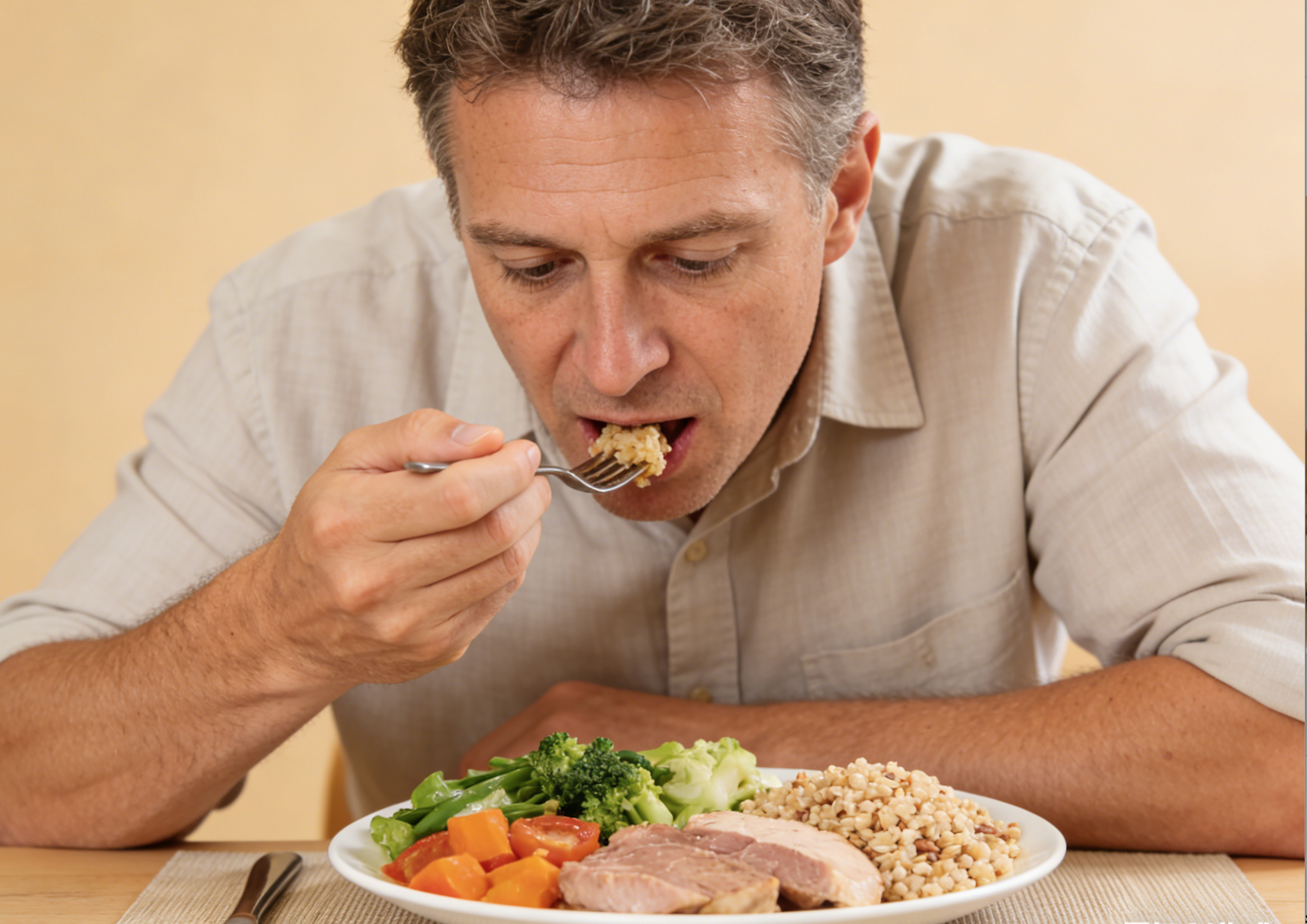
Three major dietary taboos for patients with high blood sugar: replacing staple foods with meat and ignoring calories.
This article points out three major dietary misconceptions that people with high blood sugar should avoid: replacing staple foods with meat can easily lead to blood sugar fluctuations; ignoring the impact of food calories on weight; and excessive consumption of peanuts and sunflower seeds increases the burden of fat. Correcting these habits is crucial for maintaining stable blood sugar levels.
2026-03-05
Three dietary taboos for people with high blood sugar: smoking, caffeine, and protein.
This article analyzes three major dietary taboos that people with high blood sugar should avoid: heavy smoking can raise blood sugar, caffeine intake can interfere with blood sugar control, and neglecting protein quality can affect nutritional balance. Following these recommendations will help you better manage your blood sugar levels.
2026-03-05
Three major dietary restrictions for people with high blood sugar: cooking methods, nutrition, and sugar-free foods.
This article points out three major dietary misconceptions that people with high blood sugar should be wary of: improper cooking methods can easily raise blood sugar, long-term nutritional deficiencies may affect pancreatic function, and indiscriminate consumption of "sugar-free foods" may actually lead to blood sugar fluctuations. Understanding and avoiding these risks is crucial for stabilizing blood sugar levels.
2026-03-05