
Beware of diabetic foot: How should patients with high blood sugar take care of their feet daily?
Protect Your Feet: Experts believe that the feet are the "second heart" of the body; illness in the feet can affect overall health, especially for diabetic patients. Reports indicate that 20% of diabetic patients are hospitalized due to foot infections and other complications. Foot infections account for 25% to 50% of all non-traumatic amputations in diabetic patients. This type of diabetes caused by foot infection is called diabetic foot.
Diabetic foot is one of the most serious complications of diabetes and the leading cause of amputation. Diabetic patients often have vascular insufficiency and neuropathy, which easily leads to impaired local blood circulation, nutritional deficiencies, and reduced sensation in the feet. Poor blood return and decreased local resistance in the feet make them highly susceptible to secondary purulent bacterial infections, forming chronic ulcers that are difficult to heal, and even severe infections or gangrene that necessitate amputation. If the foot infection spreads, bacteria can enter the bloodstream and cause sepsis, directly threatening the patient's life. For diabetic patients, the biggest hidden danger of diabetic foot is the lack of awareness and common sense, which leads them to neglect important preventive measures. Therefore, the following points should be noted:
(1) Control blood sugar levels and quit unhealthy lifestyle habits such as smoking, excessive drinking, and staying up late.
(2) Wear appropriate shoes and socks. It is advisable to buy shoes in the afternoon or evening. Avoid sandals and high heels. Socks should be made of cotton or wool, and avoid socks with loops to secure the cuff.
(3) Before putting on shoes, check for any other items inside. It is best to alternate between two pairs of shoes. Do not wear new shoes for more than one hour on the first day, gradually increasing the time as needed. Do not wear underwear with elastic bands on the legs.
(4) Wash feet every night with warm water (no more than 40℃) and mild soap. Gently dry feet with a highly absorbent towel, paying special attention to the spaces between the toes, avoiding excessive rubbing to prevent any minor injuries. (5) If feet are excessively dry, apply lanolin, vegetable oil, or moisturizing cream to dried feet and gently massage the skin. Avoid applying between the toes; do not use alcohol-based cleansers or preservatives; for cracked skin, use antibiotic ointment; for slightly split toenails, apply mineral oil; never attempt to treat ingrown toenails, onychomycosis, blisters, or ulcers yourself, as this can lead to infection and serious consequences.
(6) If toenails are brittle, soak feet in lukewarm water with borax (one tablespoon per liter) for 30 minutes every night to soften the toenails, then massage the area around the toes with a soft cloth to keep the area clean.
(7) Check feet daily for blisters, cracks, abrasions, or other changes. If redness, swelling, or abscesses are found, seek immediate medical attention.
(8) Do not use strong antiseptics such as iodine, as these corrosive and acidic substances can damage the skin. (9) Persist in performing isometric muscle contraction exercises for the lower limbs, and frequently change body position, elevating the affected limb to promote venous blood return and arterial blood supply.
(10) If there are pressure marks on the skin of the feet, massage with 75% ethanol once a week to promote blood circulation.
(11) Do not use hot water bottles to warm the feet, do not use electric blankets or other heat sources, and avoid sun exposure to prevent burns.
(12) When trimming nails, soak them in warm water first to soften them, then carefully trim them. Do not trim them too short. If eyesight is poor, it is best to have a family member do it for you.
Another important point is that diabetic patients should not soak their feet in hot water.
Diabetic patients experience peripheral nerve, microcirculatory, and vascular lesions in the feet due to high blood sugar. Peripheral neuropathy can lead to abnormal skin sensation, muscle atrophy, dry skin, and abnormal sweat secretion in the feet, reducing the foot's defensive function. Even a basin of hot water can cause foot gangrene and amputation. Therefore, diabetic patients should not soak their feet in hot water.
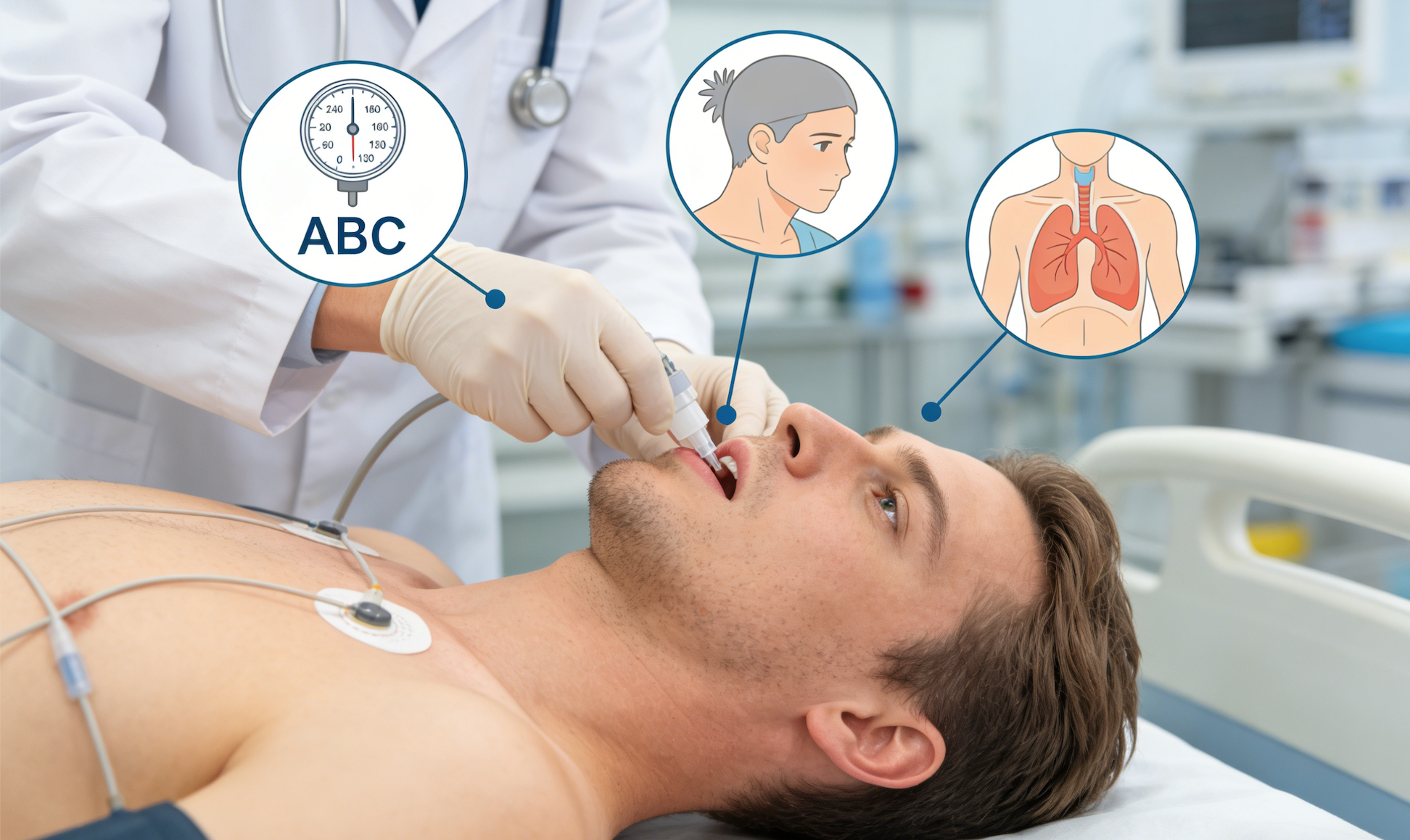
Rapidly progressing hypertensive crisis: identification, complications (coronary artery disease) and emergency treatment
This article details the rapid course of malignant hypertension and the severe symptoms of hypertensive crisis, such as headache and blurred vision. It emphasizes its close connection to coronary heart disease and its high risk, highlighting the crucial importance of timely blood pressure identification and control for preventing serious cardiovascular and cerebrovascular complications.
2026-02-27
Hypertension complicated by heart failure and stroke: symptom recognition and blood pressure management
This article details the manifestations and risks of two serious complications of hypertension—heart failure and stroke. It explains how long-term high blood pressure damages the heart and cerebrovascular system, provides key methods for recognizing early warning signs, and emphasizes that effective blood pressure control is crucial for preventing complications.
2026-02-27
Hypertension and Hyperlipidemia: Dual Risks and Prevention of Arteriosclerosis
This article details how abnormal blood pressure and high blood lipids synergistically damage the vascular endothelium and accelerate the process of atherosclerosis when hypertension and hyperlipidemia coexist. It elucidates the causal mechanism between the two and emphasizes that lipid-lowering therapy must be implemented simultaneously with blood pressure control to effectively protect the cardiovascular system.
2026-02-27