
Detailed Explanation of Three Types of High Blood Pressure: Causes and Management of Abnormal High and Low Blood Pressure
High blood pressure can manifest in several ways:
1. Diastolic pressure only is higher than normal.
This refers to a diastolic blood pressure ≥90 mmHg, while the systolic blood pressure <140 mmHg.
Elevated diastolic pressure alone is common in young and middle-aged adults. The causes are generally related to vascular elasticity, peripheral vascular resistance, and heart rate. Patients with high diastolic pressure usually have no problems with vascular elasticity; the high blood pressure is often associated with increased peripheral vascular resistance and a faster heart rate.
These symptoms are often closely related to unhealthy lifestyle habits such as obesity, alcohol consumption, smoking, staying up late, and high stress levels.
Therefore, young people with only high diastolic pressure should first improve their lifestyle, namely, controlling their diet, maintaining a regular lifestyle, avoiding staying up late, abstaining from alcohol, reducing meat and salt intake, losing weight, and engaging in aerobic exercise 3-5 times a week for 30 minutes to 1 hour each time.
Through these methods, most cases of mild blood pressure elevation can be reduced to the normal range. 1. If a patient's diastolic blood pressure cannot be controlled below 90 mmHg, ACE inhibitors or ARBs can be used for treatment. If the patient has symptoms of tachycardia, such as a resting heart rate >80 beats/min, beta-blockers can be taken.
2. Only systolic blood pressure is higher than normal. This refers to a systolic blood pressure ≥140 mmHg, while the diastolic blood pressure <90 mmHg.
These patients are mostly elderly, and the cause is often atherosclerosis. Treatment should first focus on lifestyle modifications, such as limiting salt intake and increasing physical activity. In addition, if the systolic blood pressure >160 mmHg, medication should be initiated. The first-line antihypertensive drugs should be those that can control blood pressure and combat atherosclerosis, such as dihydropyridine calcium channel blockers. Elderly patients with hypertension often require combination therapy with two or more antihypertensive drugs.
3. Both systolic and diastolic blood pressure are higher than normal. This refers to a systolic blood pressure ≥140 mmHg and a diastolic blood pressure ≥90 mmHg. This type of patient is mostly young and middle-aged adults, and is frequently obese. However, if both diastolic and systolic blood pressure are very high, such as above 180/110 mmHg, secondary hypertension should be suspected. Many obese patients snore at night and have symptoms of sleep apnea, which should be treated aggressively. Regarding medication, ACE inhibitors and ARBs are the first choice, and dihydropyridine calcium channel blockers can also be used. Regular blood pressure monitoring is essential.
(Note: Medication selection and adjustment should be done under the guidance of a doctor.)
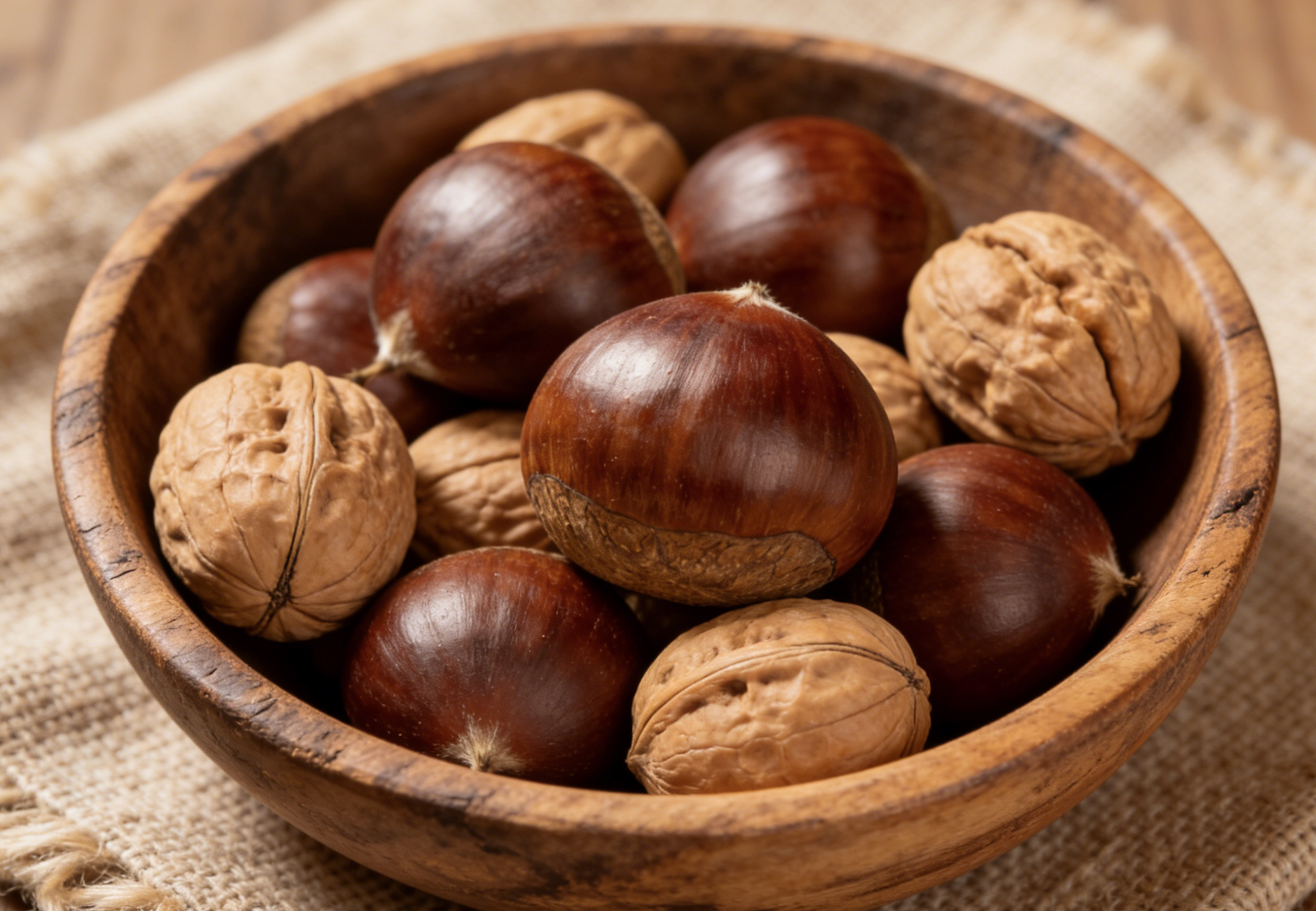
Chestnuts help regulate blood pressure, blood sugar, and cholesterol: Two healthy recipes for maintaining healthy blood vessels.
This article details how chestnuts, through their vitamin C, potassium, and dietary fiber, can help promote sodium excretion and lower blood lipids, thus regulating "the three highs" (high blood pressure, high blood sugar, and high cholesterol). It provides dietary guidance for controlling these conditions and includes two delicious recipes: braised baby bok choy with chestnuts and chestnut porridge, to help people with these conditions consume them scientifically.
2026-03-06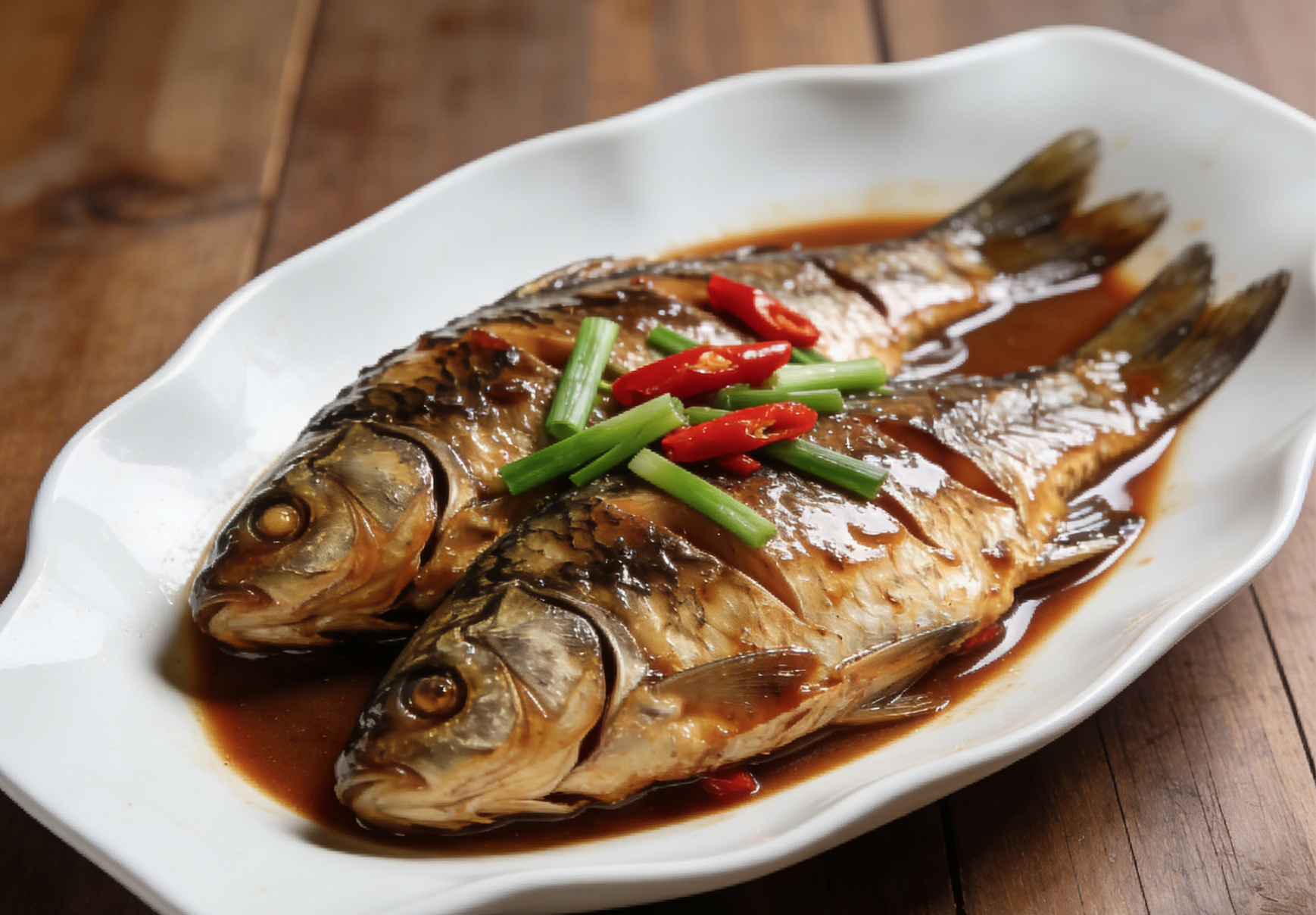
Detailed Explanation of Braised Crucian Carp and Grass Carp with Tofu: A Healthy Recipe and Its Benefits in Regulating High Blood Pressure, High Blood Sugar, and High Cholesterol
This article provides a detailed analysis of the nutritional components of crucian carp and its effects on lowering blood pressure, blood sugar, and cholesterol, including how its high-quality protein reduces cholesterol and blood sugar. It also offers healthy recipes such as braised grass carp with tofu and steamed crucian carp with wood ear mushrooms, providing dietary references for people with these conditions and aiding in health management.
2026-03-06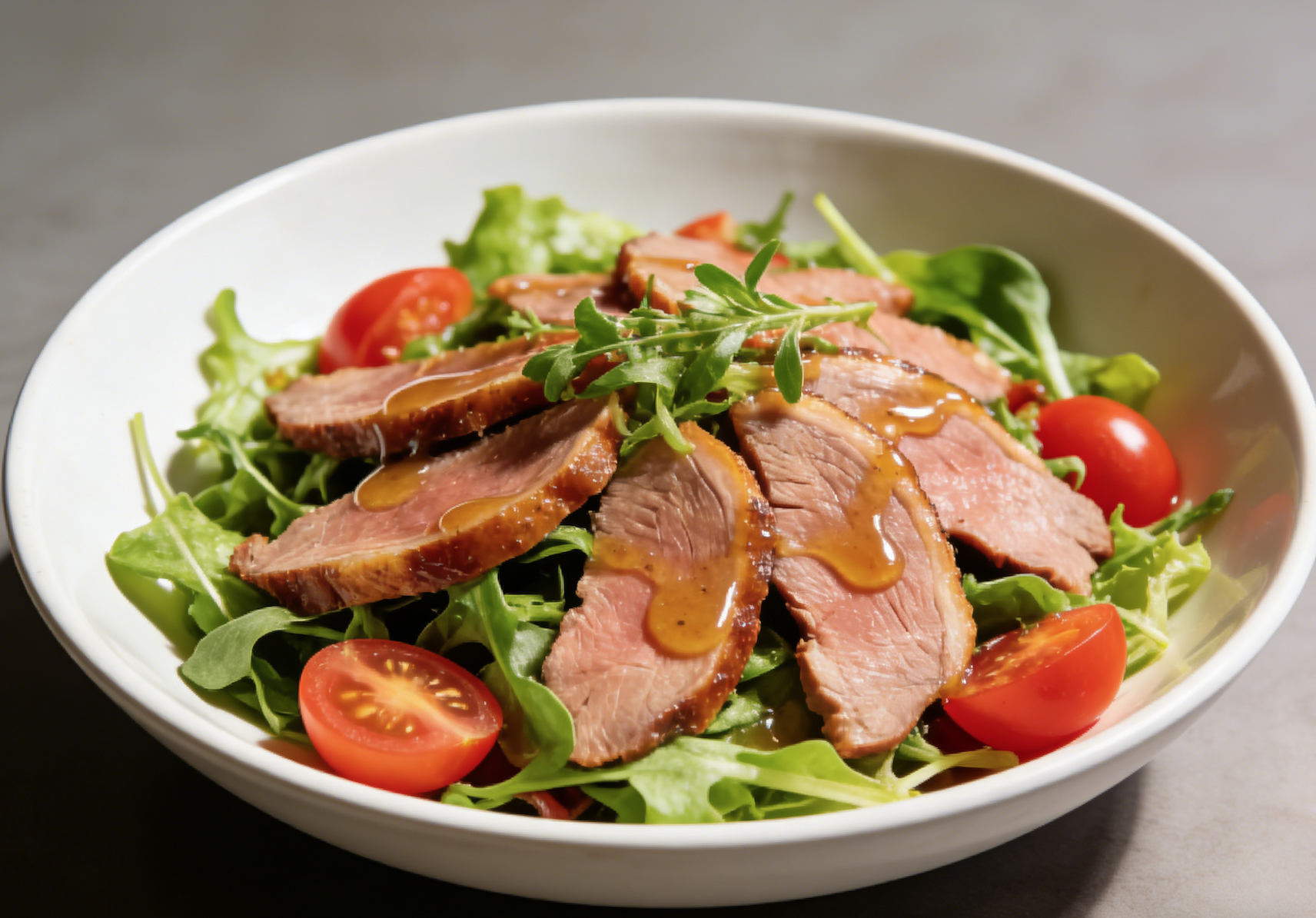
Peanuts and duck meat help regulate blood pressure, blood sugar, and cholesterol: Analysis of their effects and recommended healthy recipes.
This article details how the unsaturated fatty acids and resveratrol in peanuts help lower cholesterol and regulate blood sugar, and why the unsaturated fatty acids in duck meat are suitable for people with hypertension, hyperlipidemia, and hyperglycemia. It also provides dietary remedies for hypertension and healthy recipes such as walnut, peanut, and milk soup, offering dietary guidance for the scientific management of these conditions.
2026-03-07