
Four easy home-cooked recipes for people with high cholesterol and their health benefits
Healthy Recipes for Patients with Hyperlipidemia:
1. Braised Crucian Carp with Scallions
Ingredients: 500g crucian carp, 250g scallions, 3 slices of ginger, 20ml soy sauce, 20ml Shaoxing wine, 50g sugar, 10ml vinegar, 5ml sesame oil, and cooking oil as needed.
Instructions:
① Clean and gut the crucian carp. Make fine cuts on both sides of the fish. Marinate the fish with 10ml Shaoxing wine and a little salt for a while. Cut the scallions into two sections.
② Heat oil in a pan. Pan-fry the crucian carp until both sides are slightly golden brown. Add the scallion sections and ginger slices and stir-fry briefly. Add Shaoxing wine, soy sauce, sugar, and a suitable amount of water. Bring to a boil, then simmer over low heat until the sauce is reduced. Finally, drizzle with vinegar and sesame oil before serving.
Efficacy and Indications: Crucian carp has tender and delicious flesh. Larger, male crucian carp is preferred. It is highly nutritious, containing abundant protein that is easily digested and absorbed by the human body.
2. Bamboo Shoot and Crucian Carp Soup
Ingredients: 500g crucian carp, 100g fresh bamboo shoots, salt to taste, MSG to taste.
Preparation Method:
① Clean the crucian carp, removing scales and entrails. Wash the fresh bamboo shoots and slice them.
② Place the crucian carp and bamboo shoot slices in a pot, add enough water to cover, bring to a boil over high heat, skim off any foam, then reduce to a simmer and cook until done. Add salt and MSG to taste.
Efficacy and Indications: Crucian carp is rich in protein, carbohydrates, and minerals such as calcium, iron, and phosphorus. Traditional Chinese medicine believes that its flesh is sweet and warm in nature, and can promote diuresis, reduce swelling, and invigorate the spleen and stomach. Clinical experiments have shown that crucian carp has preventive and therapeutic effects on hypertension, heart disease, and arteriosclerosis. Bamboo shoots are extremely rich in fiber, thus preventing hypertension, hyperlipidemia, and obesity. The combination of these two ingredients can help lower blood lipids and cholesterol in patients with hyperlipidemia.
3. Western-Style Braised Chicken
Ingredients: 1 chicken, appropriate amount of sliced onion, sliced mushrooms, tomato juice, sliced green bell pepper, pepper powder, salt, vegetable oil, shredded ham, flour, sugar, MSG, chicken broth, and cooking wine.
Instructions:
① Wash the chicken, cut it into pieces, and sprinkle with salt, pepper, MSG, and flour. Mix well. Heat a frying pan with salad oil until it reaches 80% of its smoking point. Add the chicken pieces and fry until golden brown and cooked through on both sides. Add cooking wine and simmer briefly before plating.
② Heat oil in the frying pan again. Sauté the sliced onion until fragrant, add the sliced green bell pepper and cook until tender. Add the shredded ham and sliced mushrooms and stir-fry. Finally, add tomato juice and heat until the oil is released. Add chicken broth, salt, pepper, MSG, and sugar to taste. Pour the sauce over the fried chicken and serve. Efficacy and Indications: Chicken, sweet in flavor and warm in nature, has the effects of warming the middle energizer, replenishing qi, nourishing essence and marrow. It is beneficial for those who are weak and emaciated, have poor appetite, are weak after illness, or suffer from diarrhea, to replenish nutrition and strength. It is also suitable for patients with hyperlipidemia.
4. Braised Chicken with Raisins
Ingredients: 1000g chicken, 100g raisins, 125g tomatoes, 750g potatoes, 150g green bell pepper, 125g fresh peas, 50g celery, 50g onions, 100ml vegetable oil, 5g garlic, 2-5ml vinegar, appropriate amount of salt, a pinch of pepper, appropriate amount of chicken broth.
Preparation Method:
① Wash the chicken and cut it into 20 pieces. Rub with a little salt and pepper and marinate for a while.
② Wash and dice the tomatoes, potatoes, and green bell pepper.
③ Wash and dice the onions; wash and mince the garlic and celery.
④ Heat a wok, add vegetable oil, and when the oil is about 60% hot, add garlic and shallots and stir-fry until slightly golden. Add chicken pieces and stir-fry until golden brown. Add tomatoes and celery and stir-fry thoroughly. Pour in an appropriate amount of chicken broth and simmer over low heat until the chicken is about 80% cooked. Add raisins, potatoes, green peppers, and peas, stir well, and simmer over low heat until fully cooked. Season with salt, pepper, and vinegar to taste and serve.
Efficacy and Indications: Traditional Chinese medicine believes that chicken is sweet and warm in nature, and has the effects of warming the middle jiao (spleen and stomach), replenishing qi, nourishing essence and marrow, tonifying deficiency and warming the stomach, promoting blood circulation and regulating menstruation, strengthening muscles and bones, assisting yang qi, and reducing frequent urination.

How Emotional Fluctuations Affect Blood Pressure: Mechanisms, Hazards, and Management Recommendations
This article details the neural and physiological mechanisms by which excessive emotional stress leads to a sudden increase in blood pressure, and elucidates the acute harm this fluctuation poses to hypertensive patients. Understanding the link between emotions and blood pressure, and learning to manage emotions, is crucial for stabilizing blood pressure and preventing cardiovascular and cerebrovascular accidents.
2026-02-28
Is an overly willful personality prone to causing high blood pressure? Emotional management is key.
This article explores how overly willful and extreme personality traits can trigger strong emotional fluctuations, leading to a sudden increase in blood pressure and thus increasing the risk of developing and experiencing hypertension. It emphasizes that personality adjustment and emotional control are crucial for long-term blood pressure stability and the prevention of cardiovascular and cerebrovascular accidents.
2026-02-28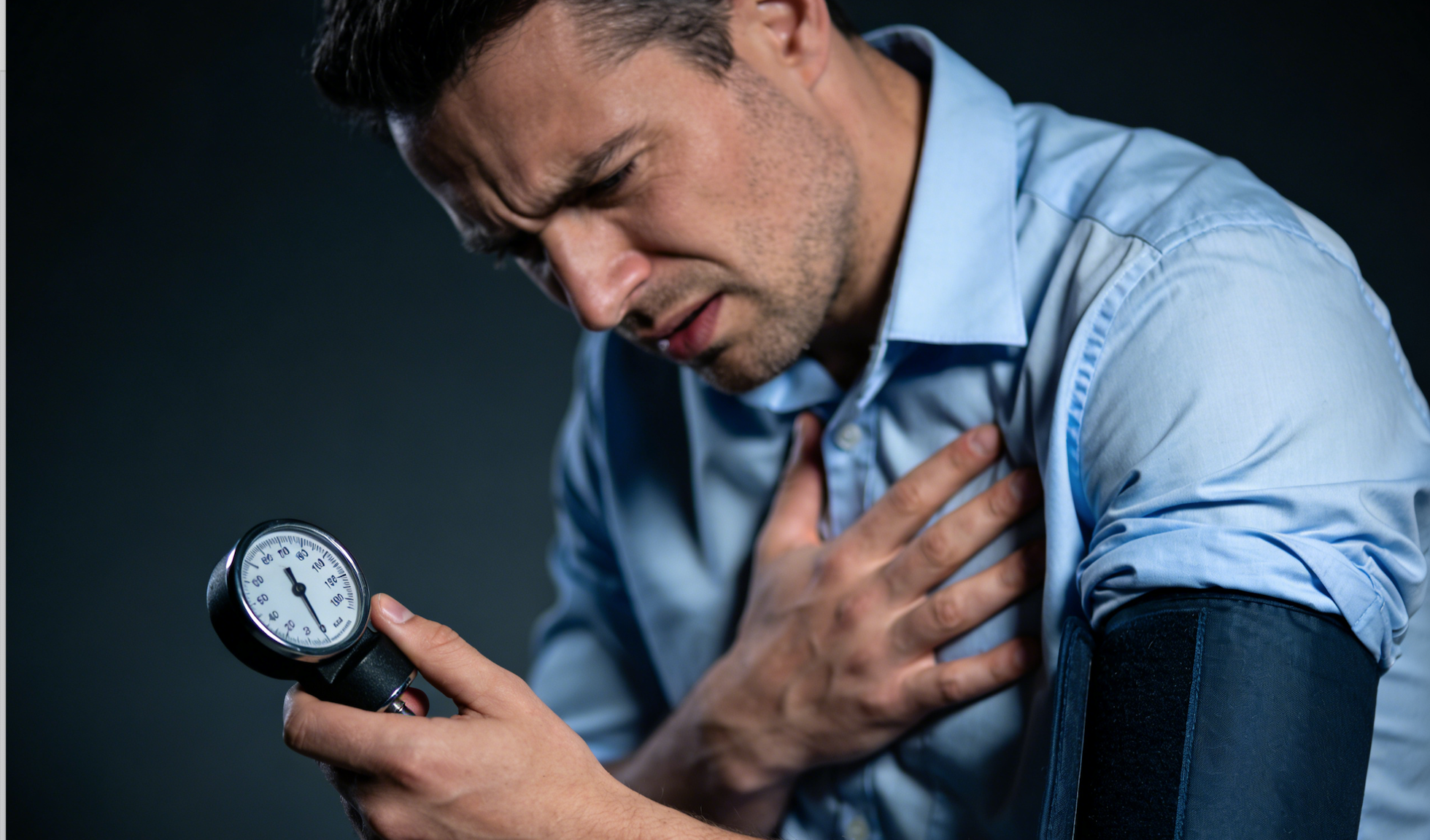
Does despair increase the risk of high blood pressure? A positive mindset is the best medicine.
This article explores how negative psychological states such as despair and anxiety can worsen hypertension and even increase the risk of developing the disease. The article emphasizes that a positive mindset and emotional management are crucial for hypertension patients to effectively control blood pressure and improve prognosis; psychological burden should be avoided to prevent blood pressure from becoming uncontrolled.
2026-02-28