
Detailed Explanation of the Pathogenesis of Hyperlipidemia: Diagnostic Criteria, Etiology, and Classification
It's important to understand the pathogenesis of hyperlipidemia: Hyperlipidemia is generally defined as a blood cholesterol level exceeding 220 mg/100 ml, or triglycerides exceeding 150 mg/100 ml, LDL cholesterol exceeding 135 mg/100 ml, and HDL cholesterol below 35 mg/100 ml. Healthy individuals generally do not exceed these levels. The greater the deviation of these values from the recommended range, the more severe the condition.
Hyperlipidemia is classified into primary and secondary types.
Primary hyperlipidemia results from a congenital defect in a step of lipoprotein metabolism or from a metabolic disorder caused by environmental factors. When a genetic factor is present, it is called hereditary or familial hyperlipidemia. Dietary habits, nutritional factors, lifestyle habits, and many other unknown factors are considered adverse factors.
Secondary hyperlipidemia is mainly secondary to diseases such as diabetes, chronic liver disease, nephrotic syndrome, hypothyroidism, obesity, or the effects of certain medications and immune system disorders.
The causes of elevated blood lipids are not singular; dietary factors are one of them. In addition, high blood lipids are associated with various diseases, including genetic disorders (such as familial hypercholesterolemia), diabetes, hypothyroidism, nephrotic syndrome, obesity, and atherosclerosis. All these diseases that can cause elevated blood lipids can potentially affect the normal metabolism of cholesterol in the body, leading to excessive accumulation in the blood. Atherosclerosis and coronary heart disease are the greatest dangers of high blood lipids.

Physiological rhythms of blood pressure: Implications for health from age, season, and diurnal fluctuations
Blood pressure is not constant. This article explores the physiological effects of gender, age, diet, sleep, and weather changes on blood pressure, particularly the association between the "morning surge" phenomenon and the risk of coronary heart disease. Through an analysis of vascular resistance and cardiac dynamics, the article reveals the intrinsic link between elevated diastolic blood pressure and arteriosclerosis, and introduces the concept of "compensatory period" to remind readers to pay attention to subtle signals when the body is in a critical state.
2026-03-20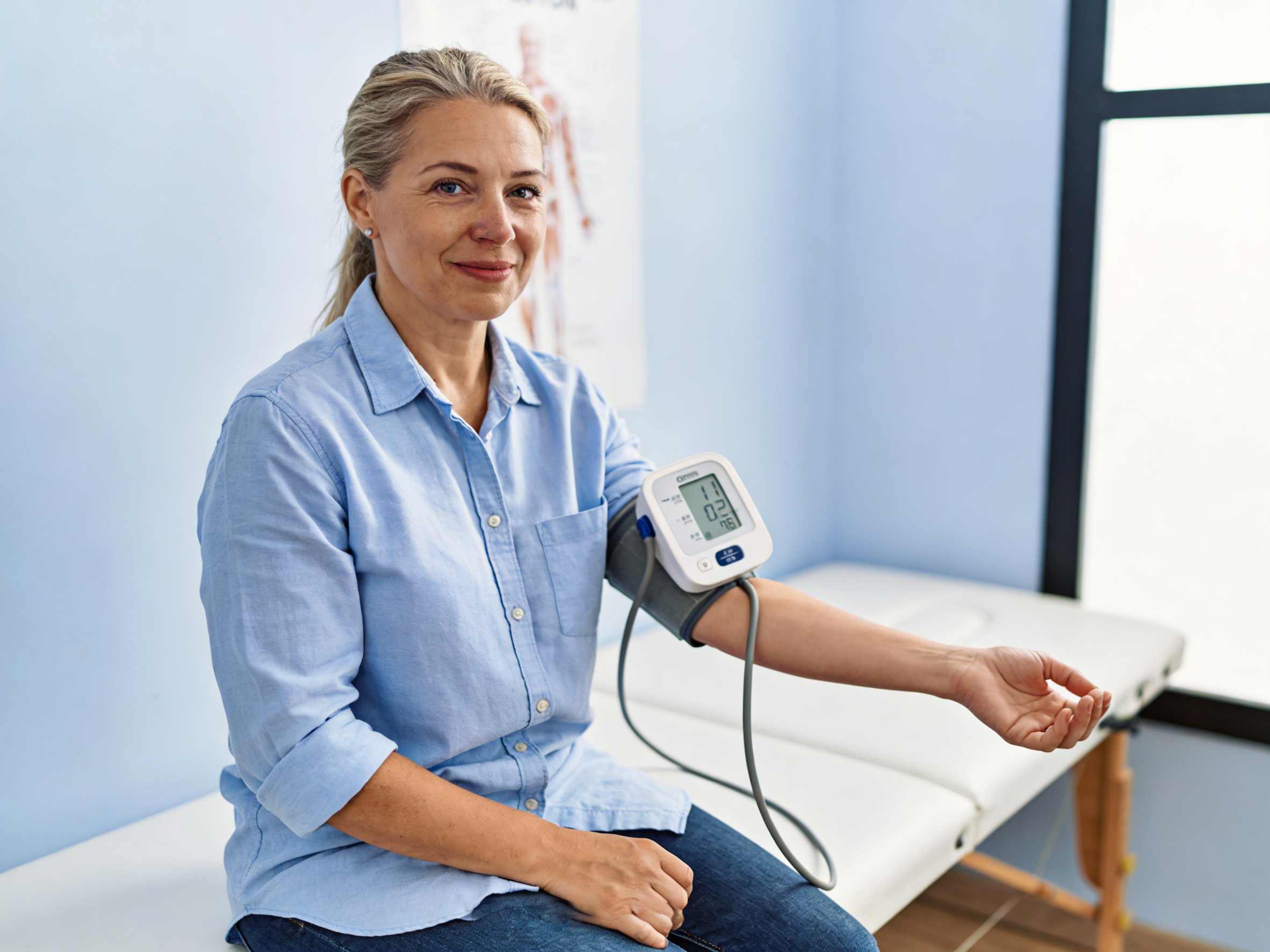
From Compensation to Imbalance: The "Gray" Warning Signs of Sub-health and Practical Applications of Home Blood Pressure Monitoring
This article vividly describes the "compensatory period" as a "gray area" of health, emphasizing the importance of detecting early lesions through blood pressure changes. Through the heartwarming example of a "birthday gift for my husband," it vividly demonstrates how home blood pressure monitoring can detect borderline hypertension and early vascular lesions. The article concludes with professional precautions for home blood pressure monitoring, aiming to help readers establish scientific daily health monitoring habits.
2026-03-20
Behavior and Personality: The Intrinsic Drivers of Blood Pressure Fluctuations and Health Medicine Models
This article explores the profound impact of behavior and personality on blood pressure stability. By introducing concepts from behavioral medicine, it reveals how unhealthy behaviors such as smoking, excessive alcohol consumption, and sleep deprivation can lead to abnormal blood pressure. The article focuses on analyzing the association between different personality types (such as rational, emotional, willful, and A/B types) and cardiovascular health, emphasizing the core role of cultivating good character and habits in stabilizing blood pressure and prolonging life.
2026-03-20