
Detailed explanation of blood pressure definition, normal range, and various influencing factors.
What is blood pressure? Blood pressure refers to the lateral pressure exerted per unit area on the walls of blood vessels as blood flows through them. Since blood vessels are divided into arteries, veins, and capillaries, there are arterial pressure, venous pressure, and capillary pressure. Blood pressure usually refers to arterial pressure.
The blood in blood vessels is like water in a tap. The pressure of water on the pipe is like the pressure of blood on the blood vessel walls. The pressure of water depends on the volume of water in the water tank and the size of the pipe. The more water in the tank, the greater the pressure on the pipe; conversely, the less water in the tank, the less pressure. Blood pressure works similarly: when blood vessels dilate, blood pressure decreases; when blood vessels constrict, blood pressure increases. The arterial blood pressure regulation system is the factor affecting blood pressure, mainly by increasing or decreasing blood volume, dilating or constricting blood vessels, or both. The pressure in the arteries is highest when the heart contracts; this pressure is called systolic pressure, also known as high pressure. The pressure generated by the elastic recoil of the arteries when the heart relaxes is called diastolic pressure, also known as low pressure.
Blood pressure is usually expressed in millimeters of mercury (mmHg). In recent years, my country has implemented a legal unit of measurement, and according to regulations, the unit of measurement for blood pressure has been changed to kPa. 1 mmHg = 0.133 kPa.
Check your blood pressure value: Blood pressure is usually represented by the blood pressure measured in the brachial artery of the upper limb. For normal adults, the systolic blood pressure in the upper limb arteries is 90–140 mmHg, the diastolic blood pressure is 60–90 mmHg, and the pulse pressure is 30–40 mmHg. Both excessively low and high blood pressure are signs of illness.
What affects your blood pressure? The human body has several special blood pressure regulatory systems, namely, factors that affect blood pressure fluctuations.
In normal individuals, baroreceptors are present in the heart, lungs, carotid sinus, aortic arch, and the origin of the right subclavian artery. The vasomotor center in the medulla oblongata can receive impulses from these receptors, as well as impulses from higher nerve centers in the cerebral cortex and the hypothalamus. These impulses, collected in the vasomotor center, are processed and transmitted through efferent nerves to effectors, regulating heart rate, cardiac output, and peripheral resistance. When blood pressure rises, baroreceptors become more excitable, generating impulses that travel via afferent nerves to the vasomotor center. This alters the center's activity, enhancing the depressor reflex, weakening cardiac contraction, dilating blood vessels, decreasing peripheral resistance, and causing blood pressure to drop and remain at a certain level. Conversely, when blood pressure drops, baroreceptors transmit impulses to the vasomotor center, weakening the depressor reflex, strengthening cardiac contraction, increasing cardiac output, constricting blood vessels, increasing peripheral resistance, and causing blood pressure to rise. Additionally, chemoreceptors are located near the carotid sinus and aortic arch, highly sensitive to the oxygen and carbon dioxide levels in the blood. In a hypoxic state, stimulation of these chemoreceptors reflexively causes accelerated respiration, peripheral vasoconstriction, and an increase in blood pressure.
In the juxtaglomerular apparatus of the kidney, located in the afferent arteriole of the glomerulus, the juxtaglomerular cells contain renin granules. When arterial blood pressure decreases, these cells are stimulated to secrete renin, activating the renin-angiotensin-aldosterone system. This increases sodium and water reabsorption, leading to water and sodium retention until blood volume increases and blood pressure rises. Conversely, if blood pressure rises, sodium and water excretion increases, reducing blood volume, cardiac output, and restoring normal blood pressure.
Blood and tissues contain chemical substances that regulate the activity of the myocardium and vascular smooth muscle, as well as circulating blood volume. Catecholamines (such as adrenaline and noradrenaline), the antidiuretic hormone renin, and angiotensin have vasoconstrictive effects and can raise blood pressure. Bradykinin, prostaglandin E, and atrial natriuretic peptide have strong vasodilatory effects and can lower blood pressure.
Elevated blood pressure results from the interaction between external environmental factors and genetic factors. The external environment triggers a series of neurohumoral adaptive regulation processes in the human body. Blood pressure tends to decrease slightly in summer and increase significantly in winter, generally by 12.0/6.0 mmHg compared to summer. This is mainly due to temperature; in summer, skin blood vessels dilate, while in winter they constrict. Evidence suggests that for every 1°C decrease in temperature, systolic blood pressure increases by 1.3 mmHg and diastolic blood pressure by 0.6 mmHg. In winter, the drop in temperature increases adrenaline levels, causing vasoconstriction to reduce heat loss. Adrenaline also increases heart rate and cardiac output, further contributing to elevated blood pressure. In summer, the hot environment causes vasodilation, reducing resistance and increasing blood flow. Additionally, sweating and decreased blood volume contribute to a drop in blood pressure. Therefore, some hypertensive patients experience a sudden spike in blood pressure due to cold stimulation, potentially leading to stroke.
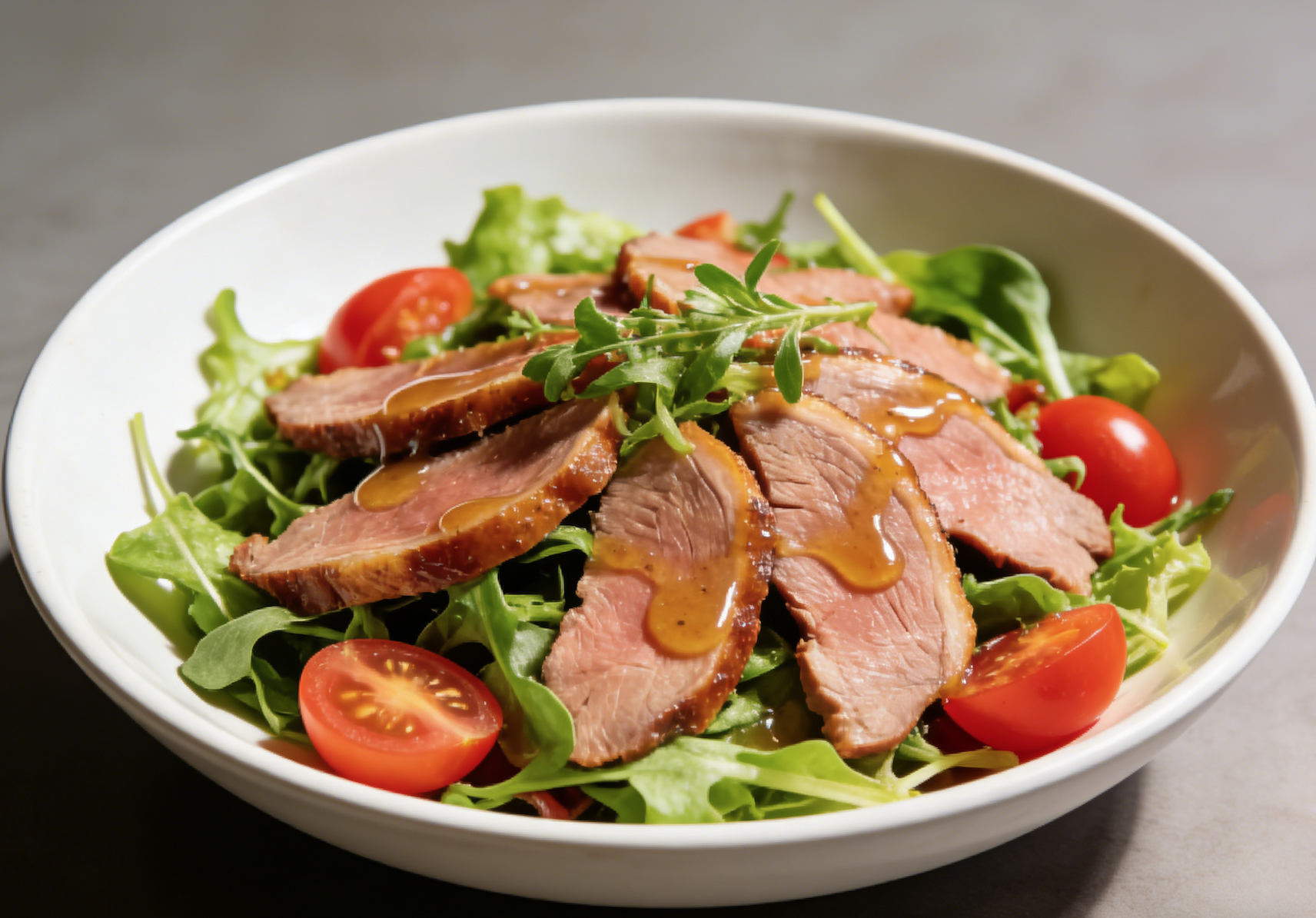
Peanuts and duck meat help regulate blood pressure, blood sugar, and cholesterol: Analysis of their effects and recommended healthy recipes.
This article details how the unsaturated fatty acids and resveratrol in peanuts help lower cholesterol and regulate blood sugar, and why the unsaturated fatty acids in duck meat are suitable for people with hypertension, hyperlipidemia, and hyperglycemia. It also provides dietary remedies for hypertension and healthy recipes such as walnut, peanut, and milk soup, offering dietary guidance for the scientific management of these conditions.
2026-03-07
Analysis of seaweed's effects on regulating blood pressure, blood sugar, and cholesterol: Blood sugar reduction and two healthy recipes.
This article details how seaweed, through its polysaccharides, magnesium, and taurine, can effectively lower blood sugar and blood viscosity, thus helping to regulate the "three highs" (high blood pressure, high blood sugar, and high cholesterol). It provides dietary remedies for hypertension and healthy recipes such as seaweed and sea cucumber soup, offering dietary guidance for people with these conditions.
2026-03-07
Chest pain has various causes and requires differentiation: An analysis from angina to aortic dissection
This article analyzes the different causes of chest pain, including angina, myocardial infarction, and aortic dissection, emphasizing the dangers of blindly using medication and helping readers correctly identify the type of chest pain and seek medical attention in a timely manner.
2026-03-08