
A comprehensive analysis of high-risk groups for hypertension and damage to the heart, brain, and kidneys.
People at high risk of hypertension include: those with parents who have hypertension, those who consume high levels of salt or animal fat, long-term smokers and drinkers, those under stress, those with a quick temper, obese individuals, and those with kidney disease, coronary atherosclerotic heart disease, localized vascular disease, or diabetes.
The dangers of hypertension: If a patient with hypertension cannot control their blood pressure below 140/90 mmHg after taking measures such as quitting smoking, limiting salt intake, losing weight, increasing exercise, and taking three or more antihypertensive medications for three months, it is generally called refractory hypertension. The real danger of refractory hypertension lies in damaging vital organs such as the heart, brain, and kidneys. Specifically, it manifests as follows:
1. Cerebrovascular accident: Hypertension accelerates arteriosclerosis, making blood vessel walls brittle and prone to rupture. Sudden excitement or agitation, such as anger, a sudden accident, or strenuous exercise, can cause a rapid increase in blood pressure, leading to cerebral hemorrhage. 1. Hypertension can cause atherosclerosis of medium-sized cerebral arteries, narrowing or even blocking the lumen. Arteriosclerosis and thrombosis of small cerebral arteries can lead to lacunar infarction. Common clinical manifestations include: sudden fainting, unconsciousness, facial paralysis, slurred speech, and hemiplegia.
2. Hypertensive heart disease: A typical harm of hypertension to the heart is left ventricular hypertrophy. Sustained elevation of arterial pressure causes excessive resistance in the left ventricle, increasing the burden on the heart. In addition, the elevated levels of catecholamines and angiotensin II during the development of hypertension can also stimulate myocardial cells. Early manifestations are compensatory left ventricular hypertrophy; as the condition progresses, the heart continues to dilate, eventually leading to heart failure and serious arrhythmias.
3. Coronary artery disease: Changes in blood pressure can cause an imbalance between myocardial oxygen supply and demand. In hypertensive patients, persistently elevated blood pressure increases left ventricular afterload, myocardial contractility, and myocardial oxygen consumption. Simultaneously, prolonged hypertension can cause coronary atherosclerosis, decreased coronary blood flow reserve, and reduced myocardial oxygen supply, potentially leading to angina pectoris and myocardial infarction.
Prolonged elevated blood pressure can damage the blood-retinal barrier, cause plasma leakage, and exudation of formed elements within blood vessels, resulting in retinal edema, hemorrhage, ischemia, or exudation. In severe cases, retinal detachment and even blindness can occur.
4. Renal Artery Sclerosis and Uremia Hypertension complicated by renal failure accounts for approximately 10% of these complications. Hypertension and the kidneys have a close and complex relationship, and they can influence each other, creating a vicious cycle. On the one hand, hypertension causes kidney damage; on the other hand, kidney damage exacerbates the rise in blood pressure. Hypertension can cause glomerular arteriolar spasm, sclerosis, and degeneration, leading to renal ischemia and hypoxia. Sustained hypertension can cause increased intraglomerular pressure, glomerular fibrosis and atrophy, ultimately leading to renal failure and uremia. In malignant hypertension, proliferative endotheliitis and fibrotic necrosis occur in the glomerular arterioles and interlobular arteries, which can rapidly develop into renal failure.
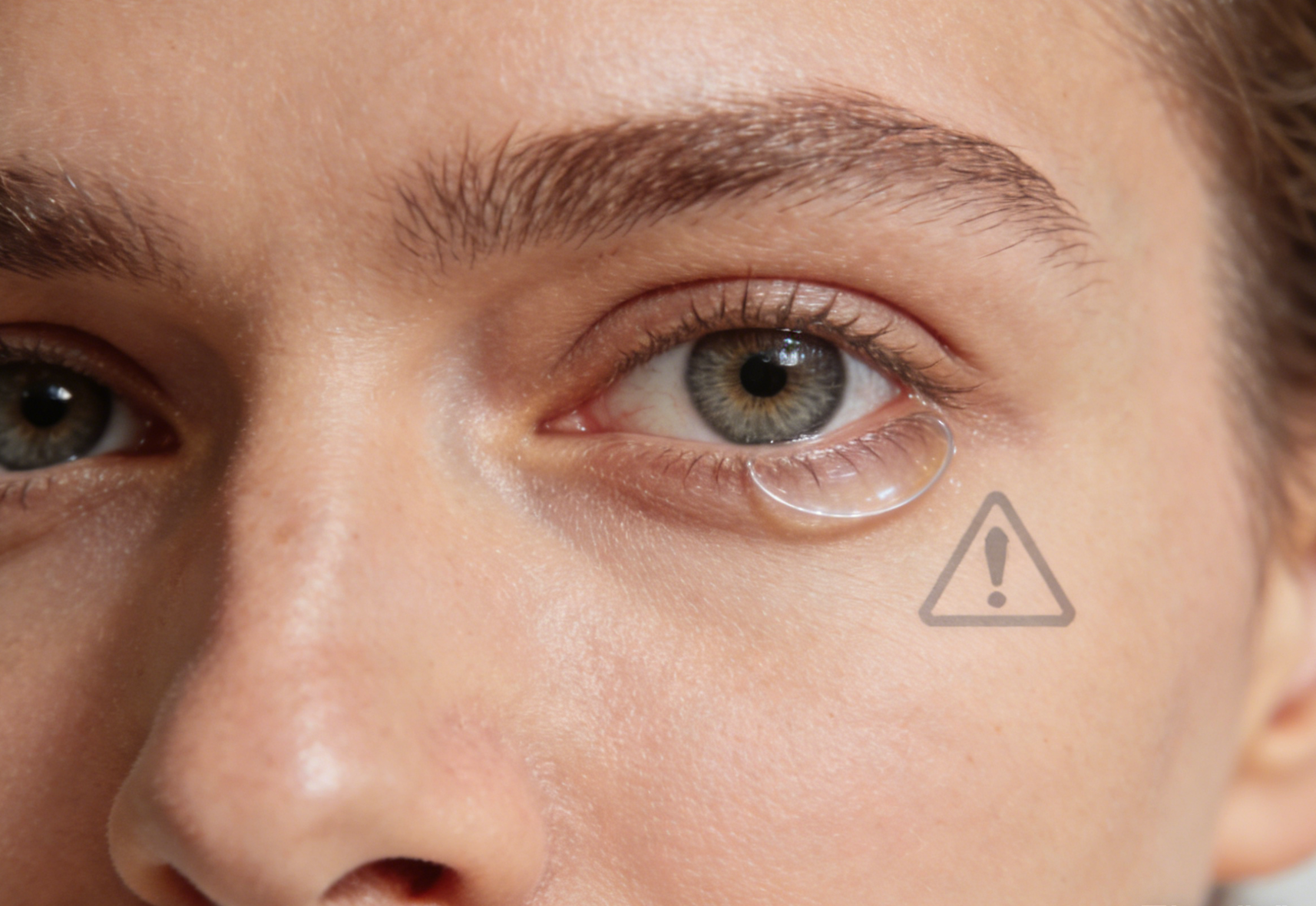
Three things to avoid for diabetic patients: contact lenses, cooling mats, and hot baths – all of which increase blood sugar risks.
This article lists three major taboos for diabetic patients: frequently wearing contact lenses, sleeping on a cool mat, and taking hot baths. Following these recommendations can help maintain stable blood sugar levels and avoid complications caused by infection or irritation, thus better managing blood sugar levels.
2026-02-27
Attention diabetics: How weather changes and air conditioning use affect blood sugar.
This article reminds diabetic patients that weather changes and air conditioning use may cause blood sugar fluctuations. It explains how external environmental factors affect blood sugar control through emotional and metabolic pathways, and provides relevant prevention suggestions to help patients maintain stable blood sugar levels.
2026-02-27
Daily Taboos for Diabetics: How Excessive Eye Strain and Fatigue Affect Blood Sugar
This article reminds diabetic patients to avoid prolonged computer use, frequent mobile phone use, and overexertion, as these factors may stimulate elevated blood sugar levels. Understanding these taboos can help better manage blood sugar and maintain its stability.
2026-02-27