
Chestnuts help regulate blood pressure, blood sugar, and cholesterol: Two healthy recipes for maintaining healthy blood vessels.
Chestnut
Maintaining Normal Vascular Function
Also known as large chestnut, chestnut fruit, hairy chestnut.
Taste and Nature: Sweet, warm in nature; enters the spleen, stomach, and kidney meridians.
Recommended serving size: 10 chestnuts (approximately 50 grams) per serving.
Efficacy: Chestnuts are high in carbohydrates, providing the body with a significant amount of energy, enhancing the body's cold resistance, and effectively alleviating symptoms such as cold limbs and frequent urination in patients with kidney disease. Chestnuts also maintain the normal function of teeth, bones, blood vessels, and muscles, aid in fat metabolism, and have the effects of invigorating qi, strengthening the spleen, and nourishing the stomach and intestines. Chestnuts are low in sugar, so diabetic patients can eat 6-7 chestnuts daily.
Nutritional Components: Protein, carbohydrates, starch, fat, carbohydrates, dietary fiber, ash, vitamin B, vitamin C, lipase, phosphorus, iron, potassium, calcium, etc.
Benefits in Lowering Blood Pressure, Blood Sugar, and Cholesterol: Chestnuts are rich in vitamin C, potassium, and other nutrients, which can promote the excretion of sodium from the body, maintain normal vascular function, lower blood lipids, and provide abundant dietary fiber. Braised Baby Bok Choy with Chestnuts
Main Ingredients: 350g baby bok choy.
Additional Ingredients: 100g chestnuts, 200ml milk broth.
Seasonings: 5g salt, 3g chicken powder, 10ml chicken oil, 25ml cornstarch, sugar to taste.
Instructions:
1. Remove the outer leaves from the baby bok choy, leaving only the tender core. Make a cross-shaped cut at the bottom, blanch until cooked, then tear into pieces and arrange on a plate.
2. Steam the chestnuts with a little water and sugar until soft. Drain the broth and arrange on top of the baby bok choy.
3. In a pot, add milk broth, salt, chicken powder, and chicken oil. Bring to a boil over high heat, thicken with cornstarch slurry, and pour over the broth.
Chestnut Porridge
Main Ingredients: 200g rice, 50g chestnuts.
Seasonings: Sugar to taste.
Instructions:
1. Wash the rice and soak in water for 1 hour; cook the chestnuts until tender, peel, and chop.
2. Place a pot on the stove, add an appropriate amount of water, and add the soaked rice. Simmer over low heat to make porridge.
3. When the porridge boils, add the chopped chestnuts and simmer over low heat for about 10 minutes until cooked through and the porridge is thick. Add sugar to taste.
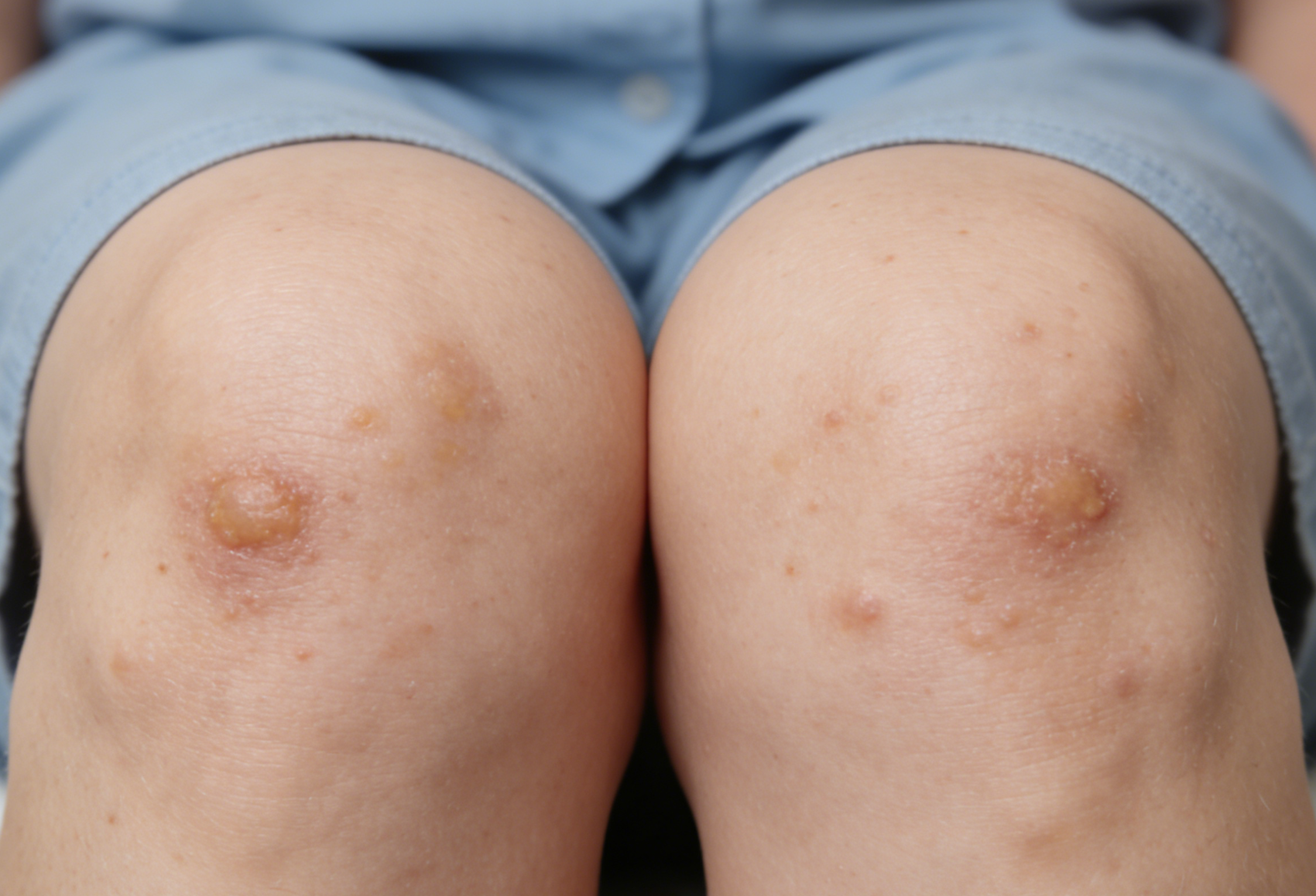
High cholesterol skin warning signs: Identification and significance of seven types of xanthoma
This article provides a detailed analysis of seven typical skin manifestations of high blood lipids—xanthomas—including their morphological characteristics and diagnostic significance in areas such as tendons and eyelids. Understanding these skin signals of abnormal blood lipids can help identify lipid problems early and provide clues for intervention and treatment.
2026-03-09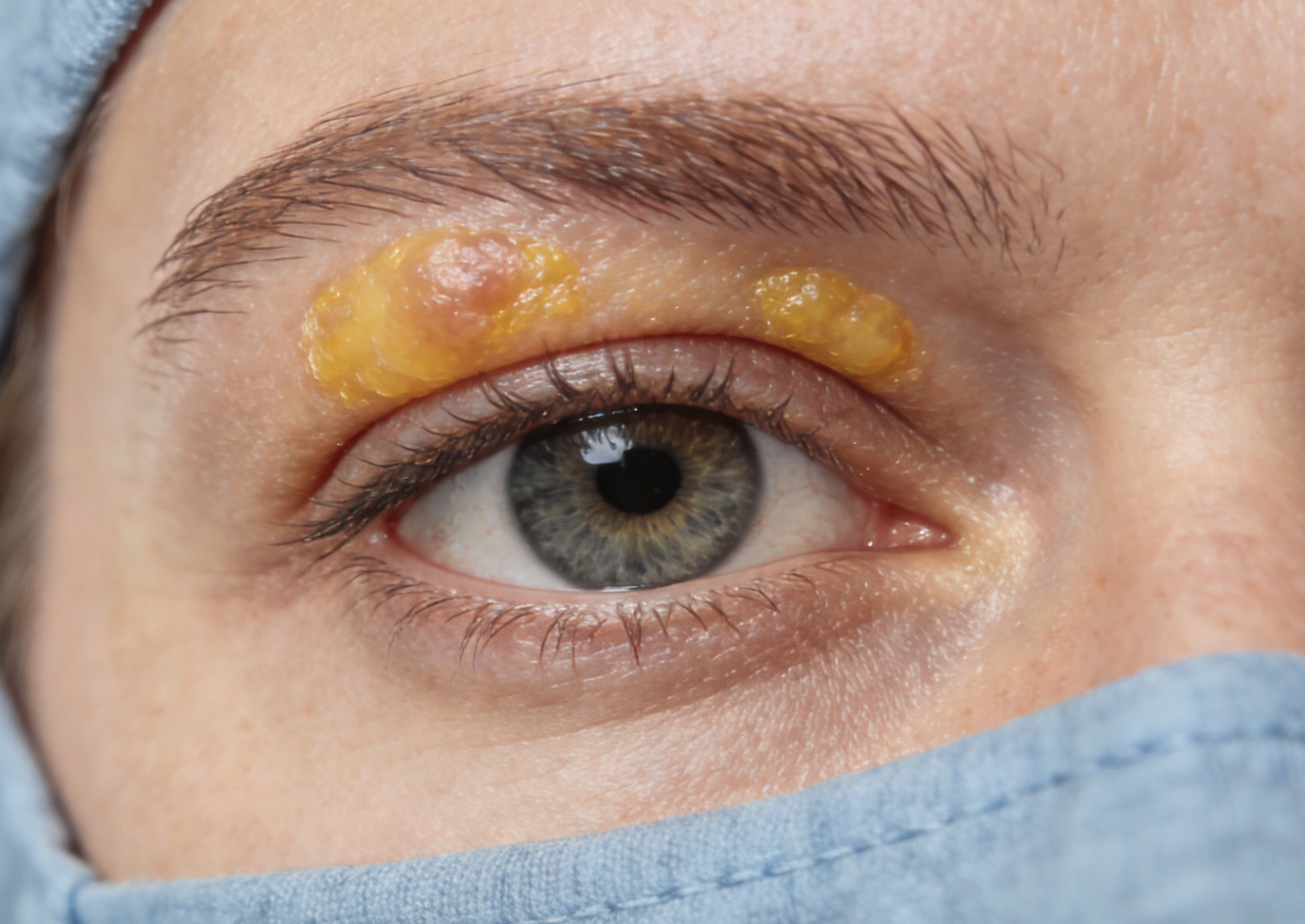
Analysis of Clinical Manifestations of Hyperlipidemia: Changes in the Eyes and Recognition of Skin Signals
This article details the clinical manifestations of high blood lipids in the eyes and skin, such as corneal arcus (arcus senilis) and fundus changes associated with hyperlipidemia. Understanding these symptoms helps in the early identification of potential lipid abnormalities. However, most cases of high blood lipids are asymptomatic, and regular monitoring of blood lipid levels is crucial for detecting problems.
2026-03-10
Detailed Explanation of Diagnostic Criteria for Hyperlipidemia: Six Subtypes and Clinical Manifestations
This article provides a detailed analysis of the six diagnostic subtypes of hyperlipidemia (hyperlipoproteinemia), from type I to type V, explaining the blood characteristics, cholesterol and triglyceride changes, and related diseases of each subtype. Understanding these subtypes helps in the accurate diagnosis of dyslipidemia and provides a basis for targeted treatment.
2026-03-10