
Dietary Guidelines for Hypertensive Patients During Holidays and Analysis of the Blood Pressure Lowering Effect of Vitamin C
Dietary Recommendations for Hypertensive Patients During Holidays: Hypertensive patients often have atherosclerosis and decreased vascular elasticity in their coronary and cerebral arteries, making them prone to vasospasm or insufficient blood supply to the heart and brain, especially during holidays. It's often said that holiday rest is more tiring than usual. Indeed, the busy schedule of welcoming guests and participating in various activities during holidays puts people in a state of tension and busyness, easily leading to autonomic nervous system dysfunction. Combined with excessive excitement, this makes hypertensive patients more susceptible to myocardial infarction and cerebral hemorrhage. Furthermore, holidays often feature abundant and delicious dishes. If hypertensive patients don't control their appetite and overeat, especially consuming excessive amounts of high-fat foods, the digestive organs are overburdened, and excessive blood flow is concentrated in the stomach, intestines, heart, brain, and other vital organs, inevitably causing relative ischemia. Increased blood lipids can also lead to increased blood viscosity and slowed blood flow, potentially triggering angina, myocardial infarction, or cerebral infarction. Additionally, some people visit relatives and friends during holidays, smoking and drinking more alcohol. Many harmful substances in tobacco and alcohol can cause vasospasm, leading to cardiovascular and cerebrovascular accidents. Some people are too busy during holidays, and many patients often forget to take their antihypertensive and lipid-lowering medications, which is also a significant contributing factor to the onset of the disease. Therefore, people with cardiovascular and cerebrovascular diseases should not celebrate holidays. Even during holidays, they should maintain a balance between work and rest, participate in activities within their capabilities, and protect themselves as patients, ensuring regular daily routines, a balanced diet, timely medication, and proper self-care. Only with good health can one truly enjoy the holidays.
Supplementing with Vitamin C can lower high blood pressure: Studies have shown that daily vitamin C supplementation can significantly lower high blood pressure. The recommended daily intake is 500 mg. This study was conducted jointly by scientists from Boston University School of Medicine and Oregon State University, with support from the National Institutes of Health. High blood pressure is a worldwide disease that can lead to heart disease and stroke in severe cases. Scientists consider this a significant discovery, especially for patients with high blood pressure, allowing them to work with their doctors to lower their blood pressure to an acceptable range without the side effects of common medications. Don't underestimate the small amount of vitamin C you get daily; it's as effective as some prescription antihypertensive drugs. In the trial, after one month of daily administration of 500 mg of vitamin C, both systolic and diastolic blood pressure decreased by 9%. Approximately, the patient's systolic blood pressure dropped from 155 mmHg to 142 mmHg, and diastolic blood pressure dropped from 87 mmHg to 79 mmHg.
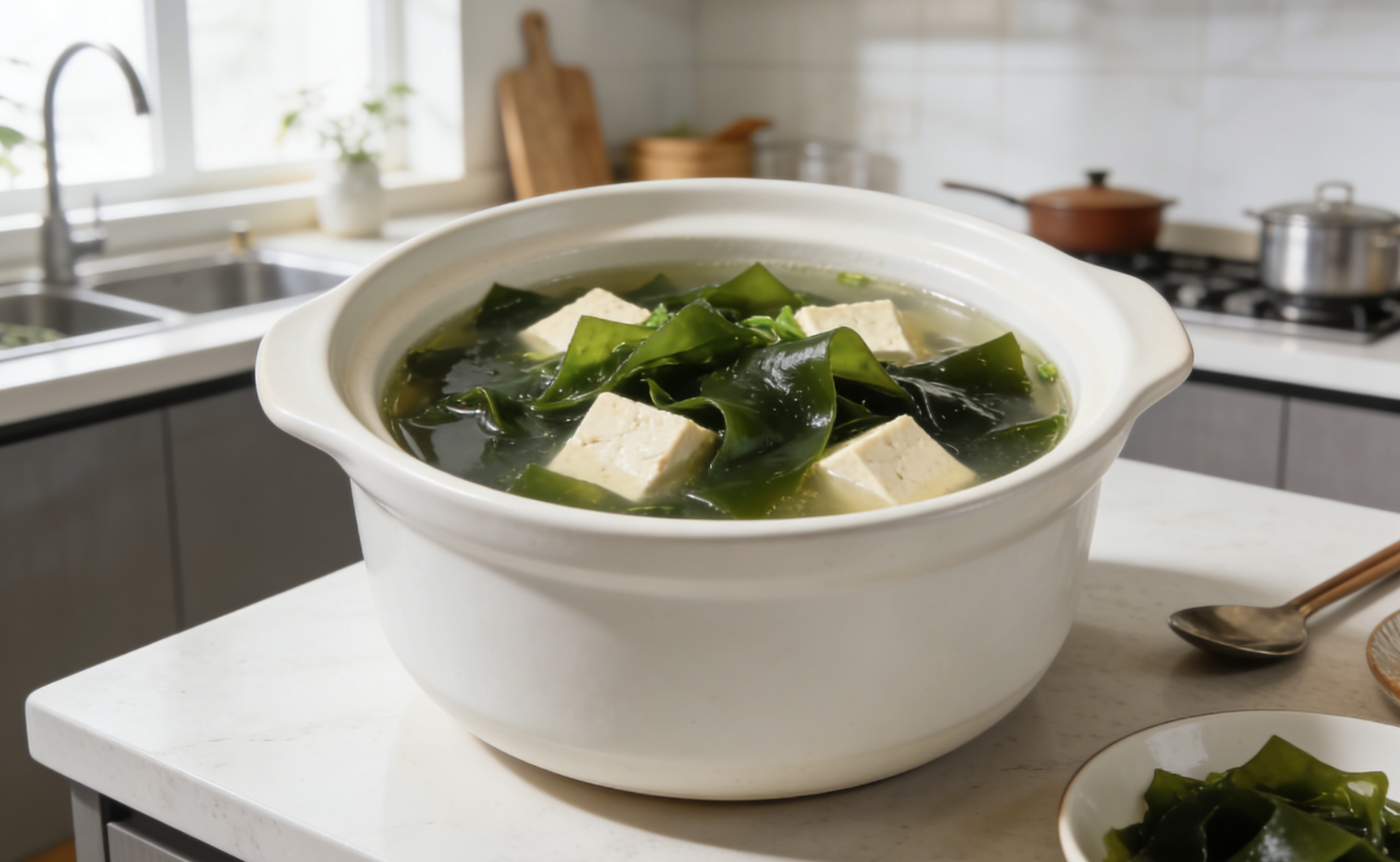
Four healthy recipes for lowering blood lipids: Braised cauliflower and stewed tofu with kelp, etc.
This article introduces four healthy recipes that can help lower blood lipids, including braised cauliflower and stir-fried broad beans with shrimp. These dishes use specific ingredients such as cauliflower and kelp, which can help regulate blood lipids and are suitable for daily consumption by people with high blood lipids, helping to manage their blood lipid levels.
2026-03-06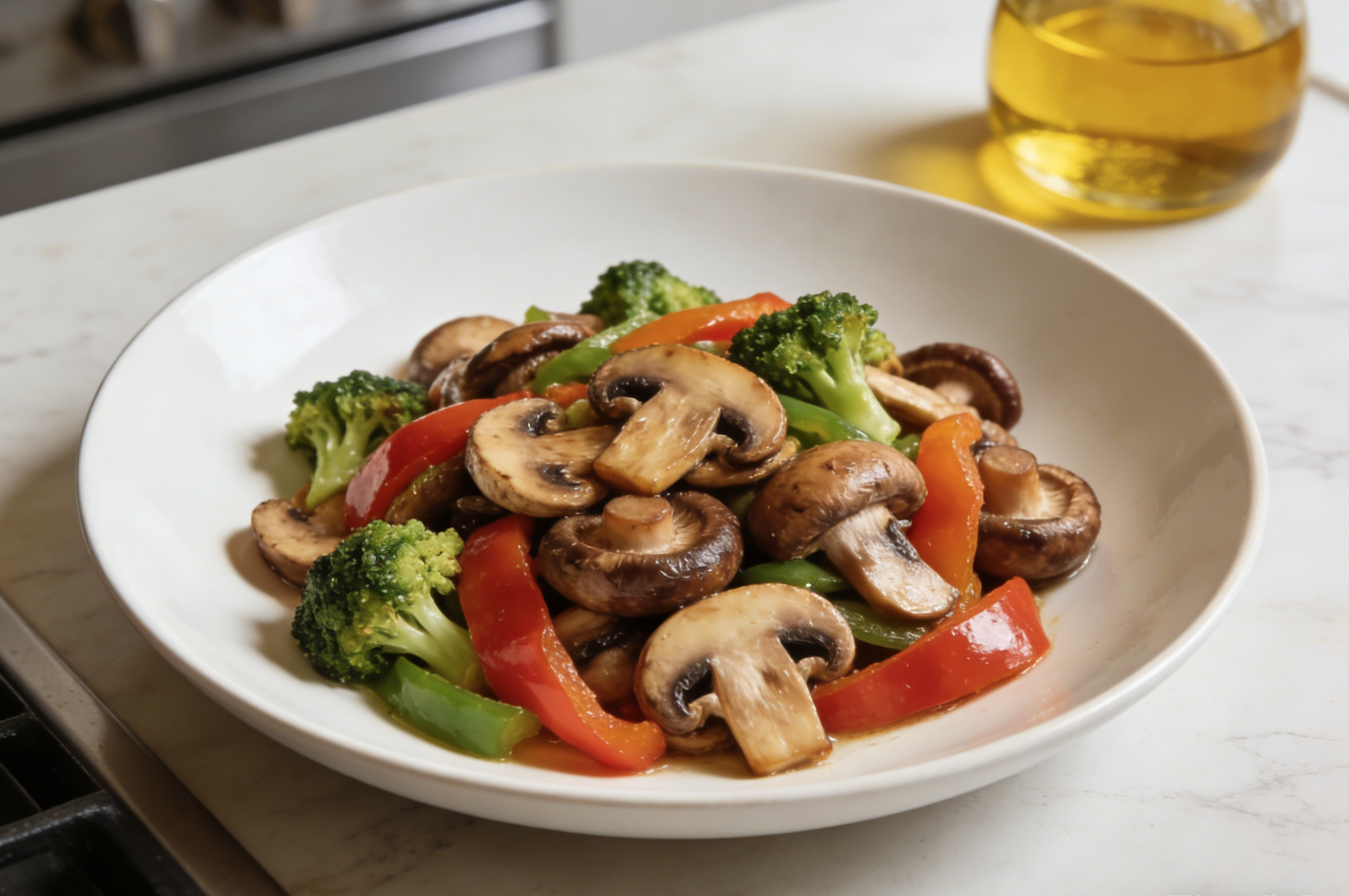
Five carefully selected home-style recipes for lowering blood lipids: Braised Three Mushrooms with Hawthorn and Herring Slices
This article shares five carefully selected home-style recipes, such as Braised Three Mushrooms and Hawthorn Fish Fillets, to help people with high cholesterol manage their blood lipids through diet. These recipes emphasize ingredient pairings and are designed to help lower blood lipids, making them suitable for everyday cooking.
2026-03-06
Early warning signs of diabetes: Increased earwax and excessive sweating require blood sugar testing.
This article points out that excessive earwax buildup and excessive sweating may be early signs of diabetes. It is recommended that individuals experiencing these symptoms monitor their blood sugar levels promptly for early detection and management.
2026-02-26