
In-depth analysis of stroke risk factors and the effect of blood pressure on kidney damage
What other risk factors are associated with stroke?
Smoking, high cholesterol, diabetes, and metabolic syndrome are all modifiable risk factors for cardiovascular and cerebrovascular diseases. While lowering blood pressure, it's also important to actively address these risk factors. Atrial fibrillation is another very important risk factor for stroke.
Other types of heart disease, including dilated cardiomyopathy, valvular heart disease (such as mitral valve prolapse, endocarditis, and prosthetic valves), and congenital heart disease (such as patent foramen ovale, atrial septal defect, and atrial septal aneurysm), also increase the risk of thromboembolic stroke. It is estimated that about 20% of ischemic strokes are caused by cardiac embolism. Some studies suggest that up to 40% of cryptogenic strokes are related to potential cardiac embolism. 0.8% of people who experience an acute myocardial infarction develop a stroke shortly afterward, and approximately 10% develop a stroke within 6 years.
What damage does hypertension cause to the kidneys?
The long-term effect of hypertension on the kidneys is nephrosclerosis. The progression of hypertension begins with arteriosclerosis of the renal arterioles, followed by sclerosis of the glomeruli, tubules, and interstitium. Because the renal tubules are highly sensitive to ischemia, the earliest clinical manifestation is often increased nocturia. If ischemic changes occur in the glomeruli, urinalysis will show positive protein in the urine. If the condition progresses further, the glomerular filtration rate decreases, gradually leading to renal insufficiency, until it progresses to chronic renal failure—uremia.
Therefore, after being diagnosed with hypertension, it is essential to have the kidneys examined and evaluated to determine if there is any kidney damage.
Kidney disease is a major cause of secondary hypertension; the two are mutually causal. Regular urine tests can prevent many kidney diseases from going undiagnosed. If this is done, a significant number of people will not develop renal insufficiency and uremia.
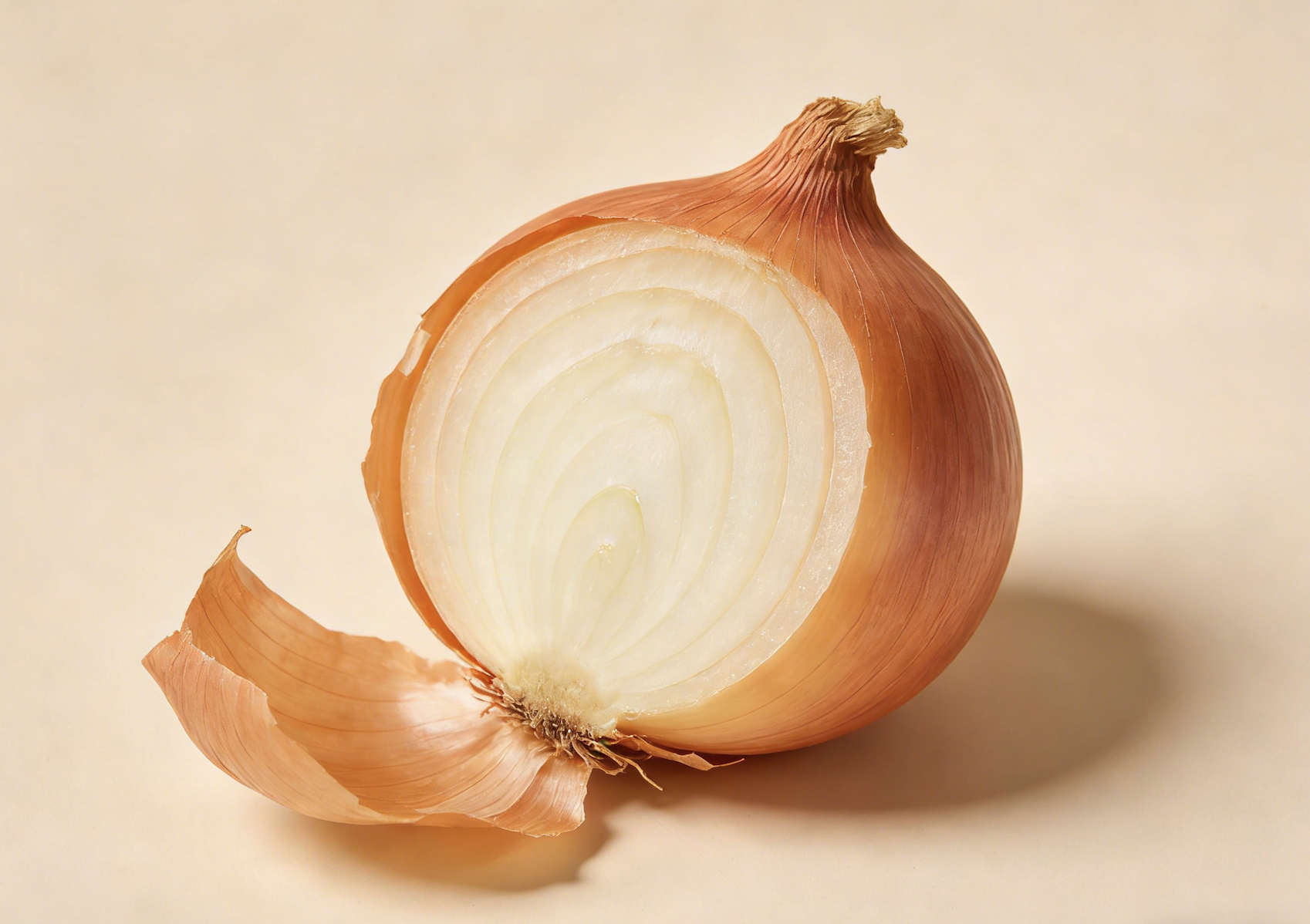
Onions and cauliflower: Two healthy vegetables and recipes for regulating blood sugar
This article details how the chromium and other nutrients abundant in onions and broccoli can effectively help regulate blood sugar levels. It also provides dietary remedies for diabetes, as well as delicious recipes such as stir-fried shrimp with onions and braised broccoli with mushrooms, offering scientific dietary choices for blood sugar management.
2026-03-07
Tomatoes and soybean sprouts: Two ingredients for regulating blood pressure, blood sugar, and cholesterol, and healthy recipes.
This article details how lycopene in tomatoes and dietary fiber in soybean sprouts can help control high blood pressure, high blood sugar, and high cholesterol. It provides dietary therapy methods and healthy recipes for hypertension and diabetes, offering scientific dietary choices for your daily management of these conditions.
2026-03-05
Analysis of the three major benefits of cucumber in regulating blood pressure, blood sugar, and cholesterol, and recommendations for healthy recipes.
This article details the effects of cucumbers, through their sterols and dietary fiber, on lowering cholesterol, regulating blood pressure and blood sugar, thus aiding in the management of "three highs" (hypertension, hyperlipidemia, and hyperglycemia). It also provides dietary remedies for hypertension and healthy recipes such as stir-fried cucumber blossoms with shredded chicken, offering delicious options for daily dietary management of "three highs."
2026-03-05