
Unveiling the Human Body's "Central Laboratory": A Deeper Understanding of the Liver's Multiple Physiological Functions and the Definition of Fatty Liver
The liver performs a variety of physiological functions and is often referred to as the body's "central laboratory." For example, the liver plays a vital role in the metabolism of substances such as proteins, carbohydrates, lipids, and vitamins. In addition, the liver has detoxification and excretion functions, as well as the ability to "inactivate" hormones (destroy them within the liver). It can be said that without a liver, there is no life; liver damage leads to impaired health.
This includes anabolism, catabolism, and energy metabolism. The liver plays a crucial role in the metabolism of many substances in the body, such as proteins, carbohydrates, and lipids. Besides synthesizing most plasma proteins, the liver also plays a vital role in carbohydrate metabolism, maintaining a relatively constant blood glucose level to ensure adequate glycogen supply. Bile secreted by hepatocytes promotes lipid digestion and absorption. In cases of liver dysfunction, bile secretion decreases, leading to poor fat digestion. The liver is also a storage site for various vitamins, including A, D, E, K, B1, B6, and B12. Furthermore, the liver undergoes hormone metabolism. It inactivates estrogen and antidiuretic hormone secreted by the posterior pituitary gland; the intermediate metabolism of adrenocortical ketones and aldosterone largely occurs in the liver. In cirrhosis, the inactivation effect is reduced, and the increase in estrogen in the body causes phenomena such as spider angiomas, palmar erythema, and gynecomastia in men; the increase in antidiuretic hormone and aldosterone promotes the retention of water and sodium in the body, causing edema and ascites.
Liver cells constantly produce bile acids and secrete bile. Bile promotes the digestion and absorption of fats in the small intestine during digestion. Abnormal bile secretion and excretion often lead to symptoms such as jaundice, bitter taste in the mouth, vomiting of yellow fluid, rib pain, and loss of appetite. Jaundice can be caused by liver disease itself, extrahepatic diseases, or even hemolysis, so thorough examination is essential.
The liver plays a vital role in the biotransformation of many non-nutritive substances from both inside and outside the body, such as various drugs, toxins, and certain metabolic products. For example, some byproducts of nutrient metabolism, toxic substances produced from waste in the large intestine through bacterial putrefaction, and toxic components of some drugs can mostly be broken down or transformed into non-toxic substances by the liver and excreted from the body. These substances are completely broken down or excreted unchanged through metabolism. In severe liver diseases, such as advanced cirrhosis and fulminant hepatitis, the detoxification function is impaired, leading to the accumulation of toxic substances in the body. This not only damages other organs but also further aggravates liver damage.
A newborn's liver has hematopoietic function, but this ceases as the child grows. However, when the bone marrow's hematopoietic function is impaired, the liver can undertake a portion of the hematopoietic function, known as extramedullary hematopoiesis. For example, some leukemia patients experience hepatosplenomegaly because their bone marrow's hematopoietic function declines, placing an excessive burden on the liver. Since blood flows into the liver through two vessels (the portal vein and the hepatic artery) and flows out through another vessel (the hepatic vein), the liver has a large blood flow and correspondingly large blood volume. At rest, a portion of blood containing more blood cells remains in the sinusoids, capillary networks, and veins of the liver, lungs, subcutaneous tissue, and spleen, flowing more slowly; this portion is called reserve blood. Therefore, the liver acts like a warehouse, supplying blood to other organs when needed.
At rest, the body's heat is primarily supplied by internal organs. The liver is a metabolically active organ, with a temperature 0.4°C to 0.8°C higher than the aorta. During labor or exercise, the main heat-generating organ is the muscle, which provides 5 to 10 times more heat than the liver. The liver can weaken or even eliminate cold and flu bacteria and other pathogens. Through the phagocytic action of Kupffer cells in the reticuloendothelial system, the liver removes bacteria, pigments, and other debris from the blood.
In Traditional Chinese Medicine (TCM), excessive joy injures the heart, anger injures the liver, overthinking injures the spleen, and fear injures the kidneys. The liver governs the free flow of Qi, encompassing its comprehensive physiological functions of smoothing, regulating, ascending, and dispersing. Ancient people likened the liver's function to the harmonious and unobstructed flow of Wood Qi, thus classifying it as Wood in the Five Elements theory. The *Suwen* (Plain Questions) states, "The liver is the general's office, from which strategies arise." The liver's function of regulating Qi manifests primarily in three aspects: regulating emotions, promoting digestion and absorption, and maintaining the circulation of Qi, blood, and body fluids. The liver's function of regulating Qi also assists the spleen and stomach in their ascending and descending functions. If the liver fails to regulate Qi, bile secretion and excretion are obstructed, affecting the digestive function of the spleen and stomach. Tang Dynasty scholar Wang Bing, in his commentary on the *Suwen*, stated, "The liver stores blood, and the heart circulates it. When a person moves, blood circulates through the meridians; when a person is at rest, blood returns to the liver." Therefore, the liver also plays a role as a partial blood reservoir.
In a normal person, the total fat content in the liver accounts for about 5% of the liver weight, containing phospholipids, triglycerides, fatty acids, cholesterol, and cholesterol esters. A fat content exceeding 5% is considered mild fatty liver, exceeding 10% is moderate fatty liver, and exceeding 25% is severe fatty liver. When the total fat content in the liver exceeds 30%, it can only be detected by ultrasound, leading to a diagnosis of "fatty liver." The total fat content in fatty liver patients can reach 40%–50%, and in some cases, over 60%, primarily consisting of triglycerides and fatty acids, while phospholipids, cholesterol, and cholesterol esters are only slightly increased. Common symptoms include: dull pain or discomfort in the liver area, loss of appetite, nausea, abdominal distension, and weight loss. Alcoholic steatohepatitis is a common disease in Western countries, and its incidence is increasing in my country. Clinical manifestations vary considerably, and the basic treatment involves abstinence from alcohol and improvement of nutritional status. The incidence of alcoholic steatohepatitis is approximately 10–15 times higher than that of non-alcoholic steatohepatitis. Currently, the incidence of fatty liver disease in large and medium-sized cities in my country is as high as 10%. The average incidence of fatty liver disease in certain related groups, such as white-collar workers, taxi drivers, professional managers, self-employed individuals, government officials, and senior intellectuals, is 25%. The incidence of fatty liver disease among heavy drinkers and alcoholics is 57.7%. The incidence of fatty liver disease in sub-healthy groups who often suffer from insomnia, fatigue, loss of appetite, and gastrointestinal dysfunction is about 60%.
Fatty liver is a common clinical disease today, with middle-aged people being the largest affected group. Many factors can cause fatty liver, such as nutritional deficiencies (overdose or underdose), excessive alcohol consumption, drug poisoning, pregnancy, and many chronic diseases. Non-alcoholic steatohepatitis (NAH) can be an independent disease, but more often it is a pathological process of systemic diseases affecting the liver. Obesity, drug and toxin poisoning, malnutrition, diabetes, pregnancy, hepatitis virus or other pathogen infections, and congenital metabolic defects can all cause it. Alcohol is the leading cause of liver damage. Alcohol's toxicity to liver cells impairs the breakdown and metabolism of fatty acids, leading to fat deposition in the liver and causing fatty liver. Since 90%–95% of alcohol is metabolized by the liver, at a rate of 60–200 mg per kilogram of body weight per hour, it takes 3–10 hours for the body to eliminate all alcohol. Frequent drinking places a heavy burden on the liver; even if daily alcohol consumption does not exceed the limit, it will still harm the body, especially the liver. Nearly 60% of chronic alcoholics develop fatty liver, and 20%–30% will eventually develop cirrhosis. The incidence of liver fibrosis in non-alcoholic fatty liver disease (NAFLD) is 25%, with a lower probability of developing cirrhosis. The progression is relatively slow, with approximately 1.5% to 8.0% of patients developing cirrhosis. Fatty liver disease is a contributing factor to liver cancer, increasing the likelihood of cancerous transformation. Because of the low incidence and late onset of cirrhosis in NAFLD, liver cancer is extremely rare.
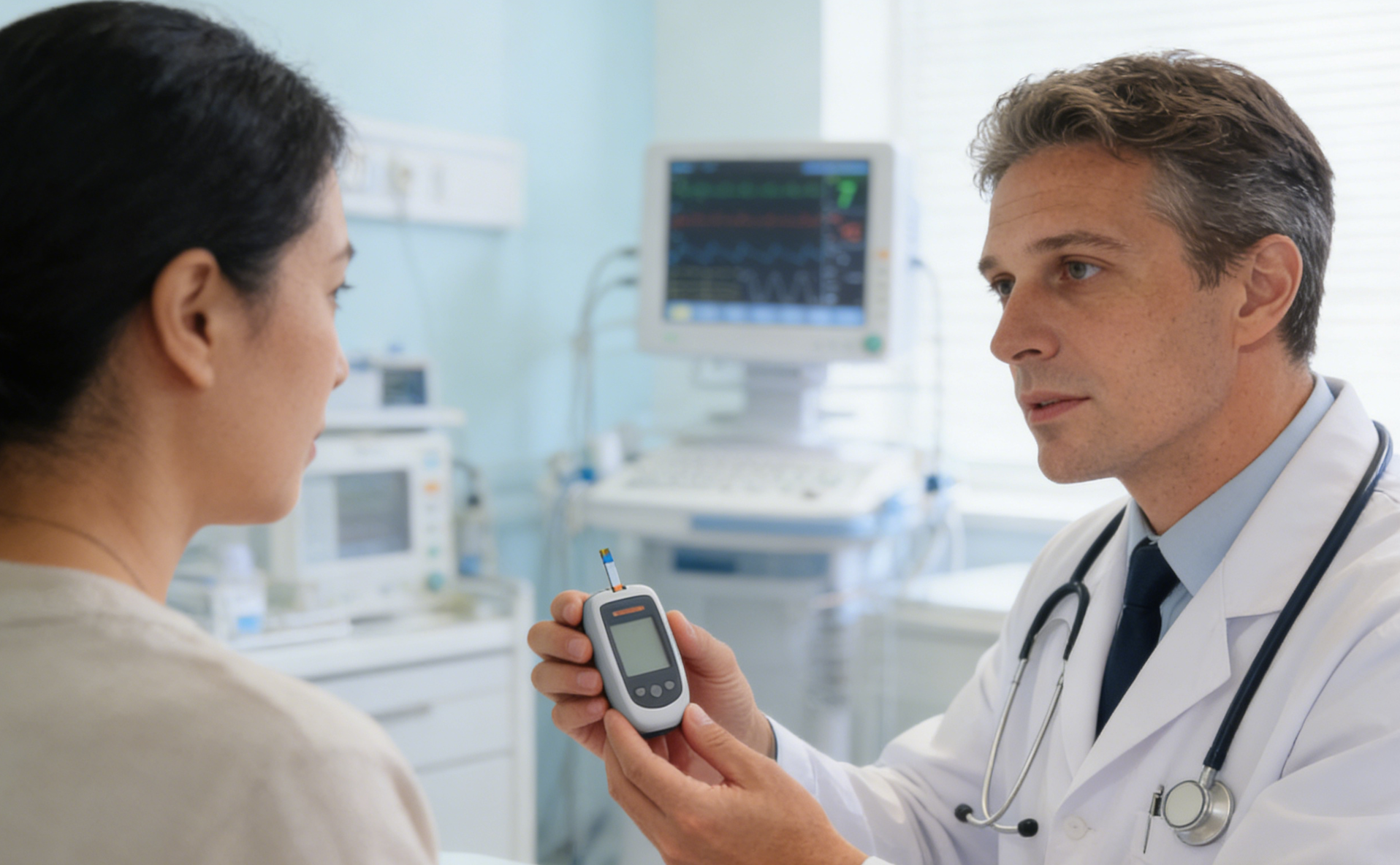
Detailed Explanation of Hyperglycemia: Symptoms, Diagnostic Criteria, and Potential Harms
This article details the diagnostic criteria, typical symptoms, and main dangers of hyperglycemia. Hyperglycemia is an important indicator of diabetes, and its long-term presence can lead to various complications. Understanding its manifestations and timely blood glucose monitoring are crucial steps in managing blood glucose levels and maintaining health.
2026-01-20
Detailed Explanation of Clinical Classification, Diagnosis, and Blood Glucose Control Standards for Hyperglycemia
This article provides a detailed analysis of the three clinical classifications of hyperglycemia (latent, chemical, and clinical) and their diagnostic methods, clarifying the satisfactory standards and management goals for blood glucose control. Understanding these classifications and standards will help in conducting more scientific blood glucose monitoring and achieving effective blood glucose management.
2026-01-20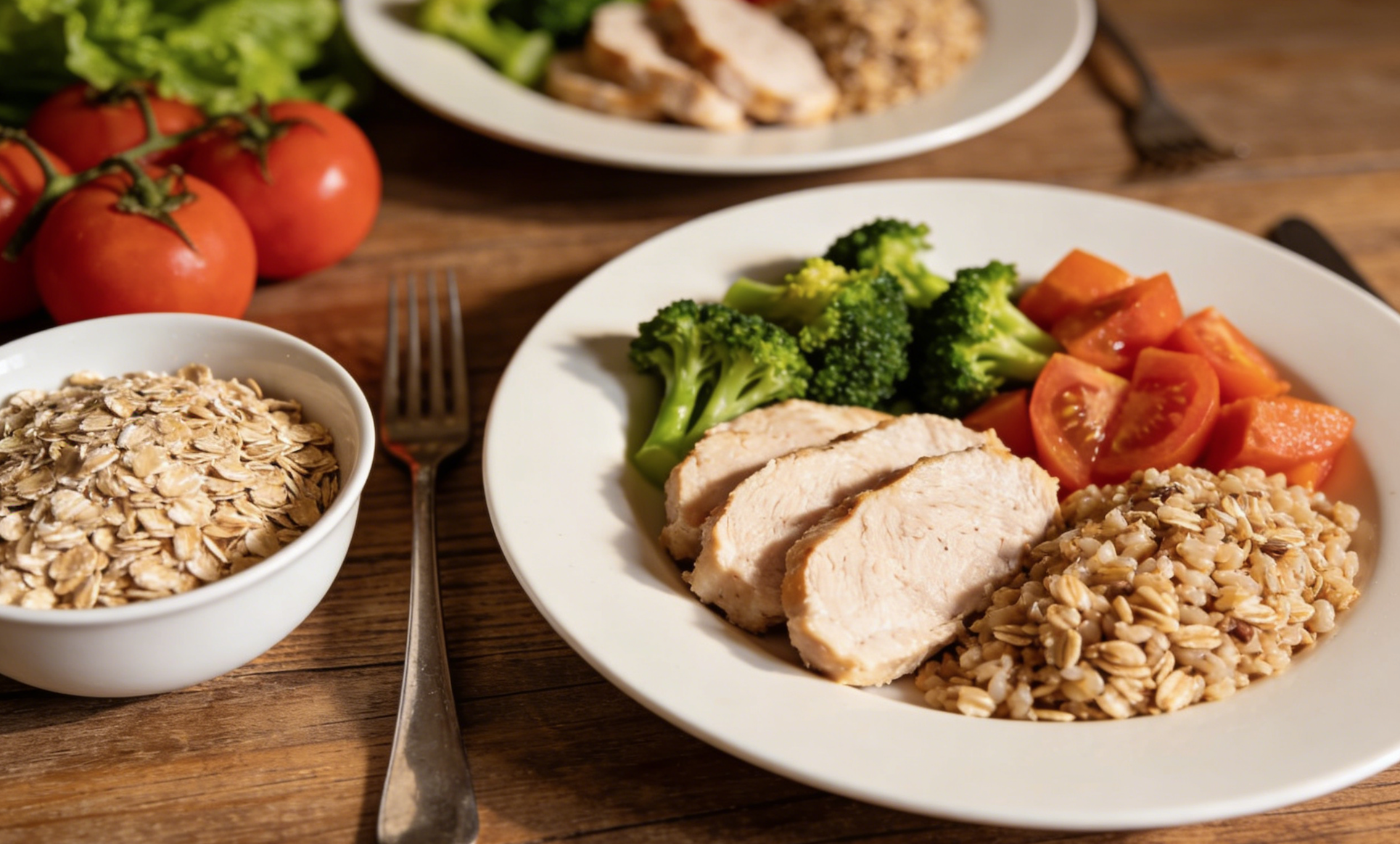
Dietary Guidelines for Patients with Hyperglycemia: Key Foods to Eat and Principles to Avoid
This article provides scientific dietary guidance for patients with high blood sugar, detailing seven key dietary recommendations and seven dietary restrictions. By adjusting the dietary structure appropriately, such as controlling calorie intake and choosing low-glycemic foods, it is helpful to effectively control blood sugar levels and achieve long-term stable blood sugar management.
2026-01-20