
Low cholesterol is not necessarily healthy! Blood lipid management requires balancing two key factors.
Low cholesterol is not a prerequisite for health: High cholesterol levels in the blood can lead to atherosclerosis, a major risk factor for coronary heart disease, myocardial infarction, and stroke. Therefore, controlling cholesterol levels is essential. However, excessively low cholesterol levels can also be harmful, especially in the elderly.
Blood lipids, primarily neutral fats including cholesterol, triglycerides, and lipoids, are essential substances for the body. They not only participate in energy production and storage but are also raw materials for the synthesis of adrenal cortex hormones, androgens, and estrogens. If blood lipid levels are too low, some physiological functions will be affected. Studies show that low cholesterol is not always good for the elderly. For those over 70 years of age, cholesterol levels below 4.16 mmol/L pose a risk comparable to levels above 6.24 mmol/L. Although the incidence of cerebral hemorrhage decreases with decreasing serum cholesterol levels, the incidence is actually higher when serum cholesterol levels are below 3.64 mmol/L. Therefore, low cholesterol is not necessarily a prerequisite for health.
The Function of Very Low-Density Lipoprotein (VLDL)
The primary function of VLDL is to transport endogenous triglycerides synthesized in the liver. Whether fatty acids transported from the blood to hepatocytes or those formed from glucose metabolism, triglycerides can be synthesized in hepatocytes. Within hepatocytes, triglycerides bind with apolipoprotein B100 (AB100), cholesterol, and other components to form VLDL, which is then released into the bloodstream. During a low-fat diet, the intestinal mucosa may also secrete some VLDL into the bloodstream. Most of the VLDL metabolized after entering the bloodstream is converted into low-density lipoprotein (LDL). Because these lipoproteins carry relatively little cholesterol and their particles are relatively large, they do not easily pass through the vascular endothelium. Therefore, normal VLDL does not contribute to arteriosclerosis and is not a major risk factor for coronary heart disease. However, since triglycerides account for 50%–70% and cholesterol for 8%–12% of VLDL, a significant increase in VLDL levels will lead to an increase in both triglyceride and cholesterol levels in the blood plasma.
Low-density lipoprotein (LDL) is derived from very low-density lipoprotein (VLDL). Its main function is to transport cholesterol to cells throughout the body, primarily to the liver for bile acid synthesis. While all lipoproteins carry a certain amount of cholesterol, LDL carries the most. Two-thirds of LDL in the body is absorbed into the liver and extrahepatic tissues via receptor-mediated pathways and then cleared through metabolism. The remaining one-third is cleared through a "scavenger" pathway. In this non-receptor pathway, macrophages bind to LDL and absorb the cholesterol within it, causing the cholesterol to remain inside the cell, creating "foam" cells. Therefore, LDL can enter arterial wall cells and carry cholesterol. Consequently, excessively high LDL levels can lead to atherosclerosis, putting individuals at risk of coronary heart disease.
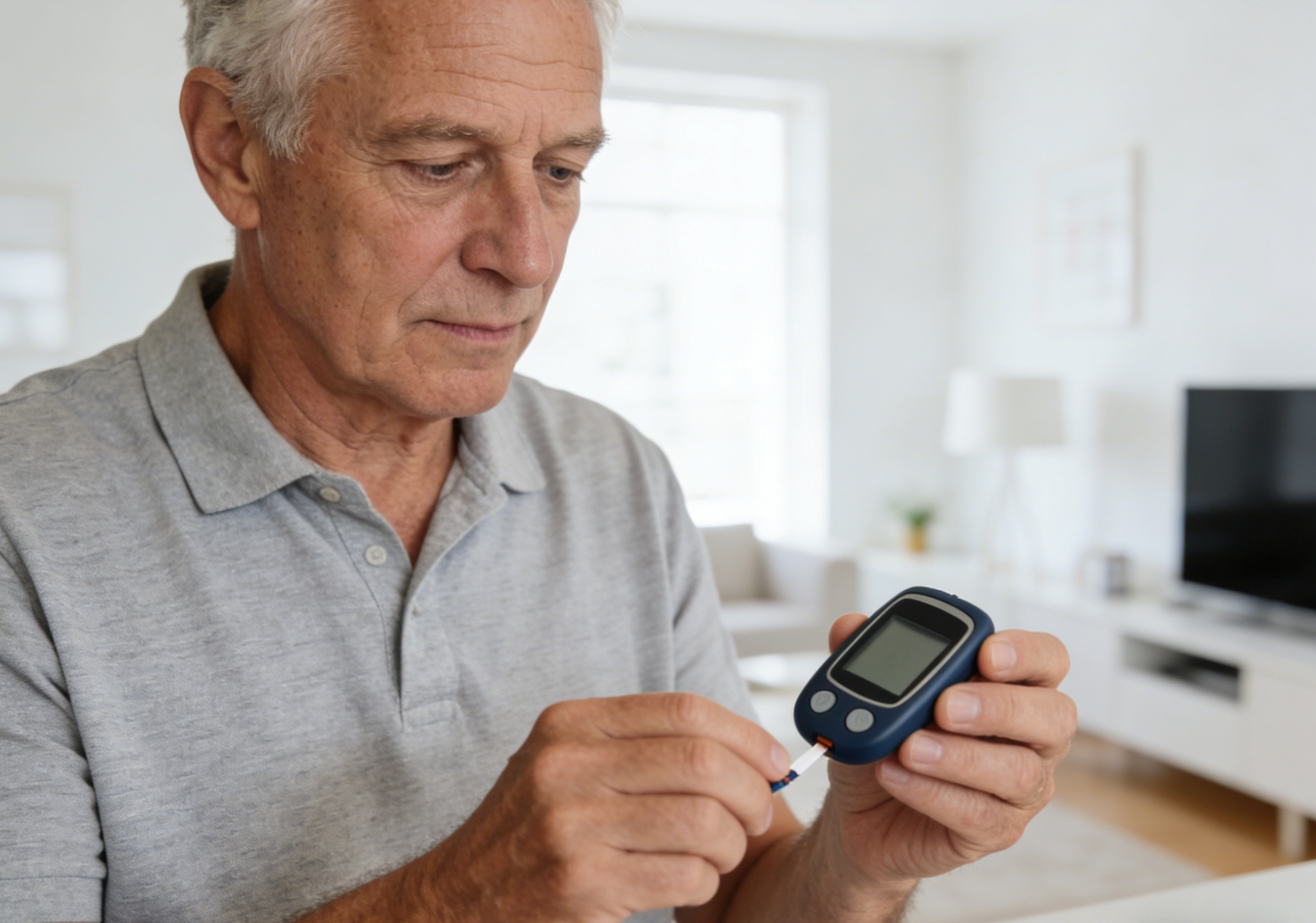
Analysis of the Causes of Hyperglycemia in Middle-aged and Elderly People and Five Prevention Strategies
This article analyzes in detail the ecological causes of hyperglycemia in middle-aged and elderly people and provides five scientific prevention strategies: living environment, dietary control, regular exercise, regular monitoring, and drug intervention, to help effectively manage blood sugar levels. By establishing a healthy lifestyle, middle-aged and elderly people can significantly reduce their risk of diabetes and maintain long-term blood sugar stability.
2026-03-09
Beware of the increasing prevalence of high blood sugar among young people: Risk analysis of obese office workers
This article reveals the rapid spread of hyperglycemia among young office workers, analyzes why mental laborers with high stress and little exercise are more prone to elevated blood sugar, and elaborates on the close relationship between obesity and abnormal blood sugar, providing scientific prevention and management advice for high-risk groups.
2026-03-10
Detailed Explanation of the Eight Major Dangers of High Blood Sugar and Six Comprehensive Treatment Measures for Diabetes
This article details eight serious harms of long-term high blood sugar to blood vessels, nerves, pancreatic cells, and other aspects. It also systematically introduces six comprehensive treatment measures for diabetes, with diet, exercise, medication, and monitoring as the core, emphasizing the importance of scientific blood sugar control in delaying complications and managing the condition.
2026-03-10