
People with high blood sugar should eat more whole grains: a natural choice for stabilizing blood sugar.
Dietary Recommendations for People with High Blood Sugar
Eat More Whole Grains:A crucial principle in the diet of diabetic patients is to prioritize polysaccharides and starches, frequently consuming unrefined rice, flour, and whole grains, while minimizing refined rice and flour. Whole grains release glucose slowly in the gastrointestinal tract, which helps control blood sugar. Furthermore, Traditional Chinese Medicine emphasizes the concept of "medicine and food sharing the same origin," meaning that the medicinal properties of whole grains can be used to prevent and treat diseases, are economical and practical, and have no side effects. In recent years, many countries have added plant fiber to health foods to treat diabetes, achieving some success. Plant fiber not only satisfies hunger but also slows glucose absorption, lowering fasting and postprandial blood glucose levels, especially reducing the rise in postprandial blood glucose. Currently, the medical and nutritional communities recommend the following whole grains for diabetic patients:
Soybeans:Sweet and neutral in nature, soybeans have spleen-strengthening, stomach-soothing, and water-reducing effects. They can be used as an adjunct treatment for malnutrition, diarrhea, abdominal distension, emaciation, pregnancy toxemia, sores, boils, and external bleeding. Soybeans: Neutral in nature and sweet in taste, they have the effect of strengthening the spleen and replenishing qi, making them suitable for those with weak spleen and stomach. Various soy products made from soybeans, such as tofu and soy milk, also have medicinal properties: tofu can invigorate the spleen and stomach, clear heat and disperse blood stasis, and is especially suitable for those with phlegm-heat cough and asthma, colds, and sore throat.
Mung beans: Sweet in taste and cold in nature, they have diuretic, swelling-reducing, detoxifying, and thirst-quenching effects.
Mung bean flour: Sweet in taste and cold in nature, it has diuretic, swelling-reducing, detoxifying, and thirst-quenching effects.
Cowpeas: Sweet in taste and neutral in nature, they have dampness-removing, spleen-strengthening, heat-clearing, hemostatic, detoxifying, and thirst-quenching effects. Traditional Chinese medicine uses cowpeas as a dietary therapy for kidney disease, as they can nourish the five internal organs, replenish qi and harmonize the middle jiao, and regulate the meridians.
Sorghum: Sweet in taste and warm in nature, it has the effect of strengthening the spleen and stomach. It has a remarkable effect on indigestion in children. Sorghum can be stir-fried until fragrant, hulled, ground into powder, and taken 2-3 grams each time. However, sorghum is warm in nature and contains tannins, which have astringent and antidiarrheal effects; therefore, it is not suitable for those with constipation.
Corn: Recognized worldwide as a "golden crop," corn's fiber can eliminate factors that contribute to colon cancer, reduce cholesterol absorption, and prevent coronary heart disease. Corn can also absorb some glucose from the body, thus alleviating diabetes.
Yellow millet: Contains protein, fat, carbohydrates, and crude fiber. When made into a soup, it has a good auxiliary therapeutic effect on diabetes.
Job's tears : Also known as coix seed, its protein content is much higher than rice and wheat, making it easily digestible and beneficial for reducing the burden on the gastrointestinal tract and strengthening the body. Traditional Chinese medicine believes that Job's tears are sweet and bland in taste, slightly cold in nature, and have the effects of strengthening the spleen, nourishing the lungs, clearing heat, and promoting diuresis. Modern research has proven that Job's tears have anti-tumor, immune-enhancing, and blood sugar-lowering effects. Cooking Job's tears and rice into porridge and adding an appropriate amount of rock sugar can increase the appetite of cancer patients and reduce the toxic side effects of radiotherapy and chemotherapy. In addition, the coixol contained in Job's tears has an inhibitory effect on skeletal muscle and can reduce wrinkles, so people who care about their appearance may wish to eat more of it.

Does elevated triglyceride level require treatment? A tiered management plan for dyslipidemia.
This article analyzes the dangers, causes, and graded treatment options for elevated triglycerides. It provides scientific guidance on lipid management, from lifestyle adjustments to medication selection (such as statins and fibrates), to help control lipid levels, for different degrees of dyslipidemia.
2026-03-08
Diabetes Diagnosis and Monitoring: Detailed Explanation of Six Key Blood Glucose Tests
This article details six key tests that diabetic patients should undergo, including fasting blood glucose, postprandial blood glucose, and glycated hemoglobin (HbA1c). These tests help to comprehensively assess blood glucose levels and are important bases for diagnosing diabetes and developing effective blood glucose control plans.
2026-03-08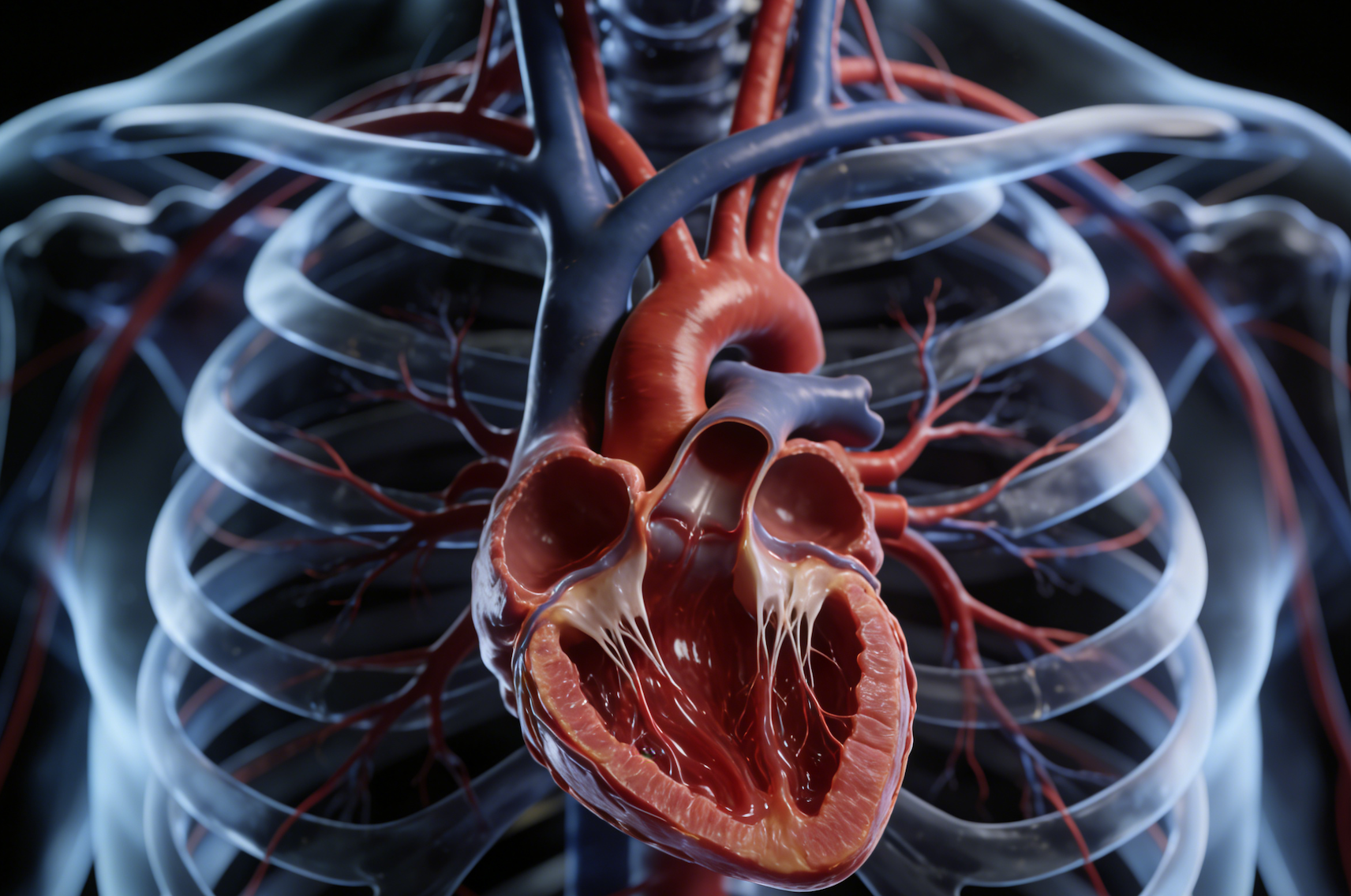
Detailed Explanation of Heart Structure and Corresponding Examination Methods: From Myocardium to Coronary Arteries
This article explains the harm of smoking to the heart and provides a detailed analysis of the three main components of the heart—the myocardium, coronary arteries, and electrical conduction system—as well as their corresponding specialized examination methods, such as echocardiography, coronary CT angiography, and electrocardiogram, to help readers understand cardiac examination procedures.
2026-02-26