
Scientific Exercise Program and Psychological Adjustment Guidelines for Patients with Hyperlipidemia
Exercise Program for Patients with Hyperlipidemia
Exercise is beneficial for promoting metabolism, increasing the activity of lipoprotein lipase, and effectively improving lipid metabolism in patients with hyperlipidemia. It promotes the transport, breakdown, and excretion of lipids, lowering serum cholesterol, triglycerides, and low-density lipoprotein levels, while increasing high-density lipoprotein levels, thus preventing the occurrence of atherosclerosis and other related diseases. However, patients with hyperlipidemia should follow the following principles when exercising:
Choose suitable exercise programs:
Patients with hyperlipidemia should choose exercise programs that suit their physical condition and age. Younger patients can run, swim, play ball games, and do gymnastics, with a larger exercise volume for more significant results; older people or those with hypertension, coronary heart disease, and diabetes should choose less strenuous activities, such as walking, Tai Chi, jogging, and brisk walking.
Control exercise intensity:
The appropriate exercise intensity is when you don't feel tired or exhausted after exercise, and your heart rate increases by no more than 40% compared to before exercise. However, it should be done under medical supervision if necessary.
Appropriate exercise frequency:
For middle-aged and elderly people, especially the elderly, due to the reduced metabolic level of the body, the time required to recover from fatigue after exercise is longer. Therefore, the exercise frequency can be increased or decreased depending on the situation, generally 3-4 times a week is appropriate.
Suitable exercise time:
Each exercise session should be controlled to 30-40 minutes. The afternoon is the best time for exercise, and it should be done consistently.
Walking can prevent and treat hyperlipidemia:
Walking is a very meaningful fitness activity. For patients with hyperlipidemia, it not only strengthens the body but also treats the disease. The latest research in the United States shows that appropriate and effective walking can significantly lower blood lipids, prevent atherosclerosis, and prevent coronary heart disease. However, to achieve the goal of preventing and treating hyperlipidemia through walking, one must master the scientific principles – persistence, order, and moderation.
Persistence is key in walking:
Walking is the simplest and most convenient form of exercise, requiring no special venue and can be done all year round. Immerse yourself in nature and exercise easily and happily, such as walking home or taking the stairs.
Walking should be gradual:
Don't walk too fast at the beginning, gradually increase the time and speed. For example, you can start by walking slightly faster than usual for 10 minutes, or, depending on your condition, walk for 3 minutes at a time, several times a day. As your body gradually adapts, you can first increase the duration of exercise until you are exercising for half an hour every day, and then gradually increase your walking speed.
The walking speed should be moderate:
Walking speeds include slow, medium, and fast.
(1) Slow walking: 70-90 steps per minute or slower (3-4 kilometers per hour).
(2) Medium-speed walking: 90-120 steps per minute (4-4.5 kilometers per hour).
(3) Fast walking: 120-140 steps per minute (5-7 kilometers per hour).
The walking speed depends on your health condition; you can start with slow walking and then progress to faster walking as you adapt.
Walking should ideally be done at a steady pace. When walking, keep your head up, chest out, eyes looking forward, shoulders relaxed, and back straight with your abdomen tucked in. You should walk for 30-60 minutes daily, covering 2-3 kilometers, at least 5 times a week. Walking should be done half an hour to an hour after meals.
Psychological Treatment for Hyperlipidemia Patients
Once hyperlipidemia is diagnosed, coupled with the fact that it requires lifelong medication, patients may experience fear and anxiety. This negative psychological state is extremely detrimental to recovery, so psychological treatment must be emphasized, providing patients with beneficial psychological guidance.
(1) Medical staff should provide strong psychological support to patients. Before patients experience fear and anxiety, they should be informed of the situation to prepare them psychologically. At the same time, positive reinforcement should be given to enhance the patient's confidence in recovery and reduce their psychological burden.
(2) Timely feedback on various medical information should be provided to patients to strengthen their confidence in treatment. During communication, attention should be paid to how the patient receives the information to avoid misunderstandings. Help patients build confidence and courage in life and adjust their mindset. Lack of a sense of purpose in life is a central issue in psychological crises; rebuilding the patient's worldview, values, and sense of responsibility is particularly important during treatment.
(3) Employ supportive therapy to provide psychological assistance. The specific approach involves using methods such as persuasion, enlightenment, encouragement, empathy, support, reassurance, dispelling doubts, and providing further assurance to help and guide patients in analyzing and understanding the problems they face, providing authoritative support, and strengthening their psychological defense mechanisms. Patients can also be encouraged to express their confusion and anxieties through venting or discussion, allowing negative emotions to be relieved and eliminated.
(4) Patients should understand that hyperlipidemia is not a single disease; it includes both primary and secondary hyperlipidemia, with different prevention and treatment measures, but it is treatable. The effects of hyperlipidemia on the body develop slowly, so treatment is a long-term process. Patients should not expect a cure in the short term and should be prepared for a prolonged battle against the condition.
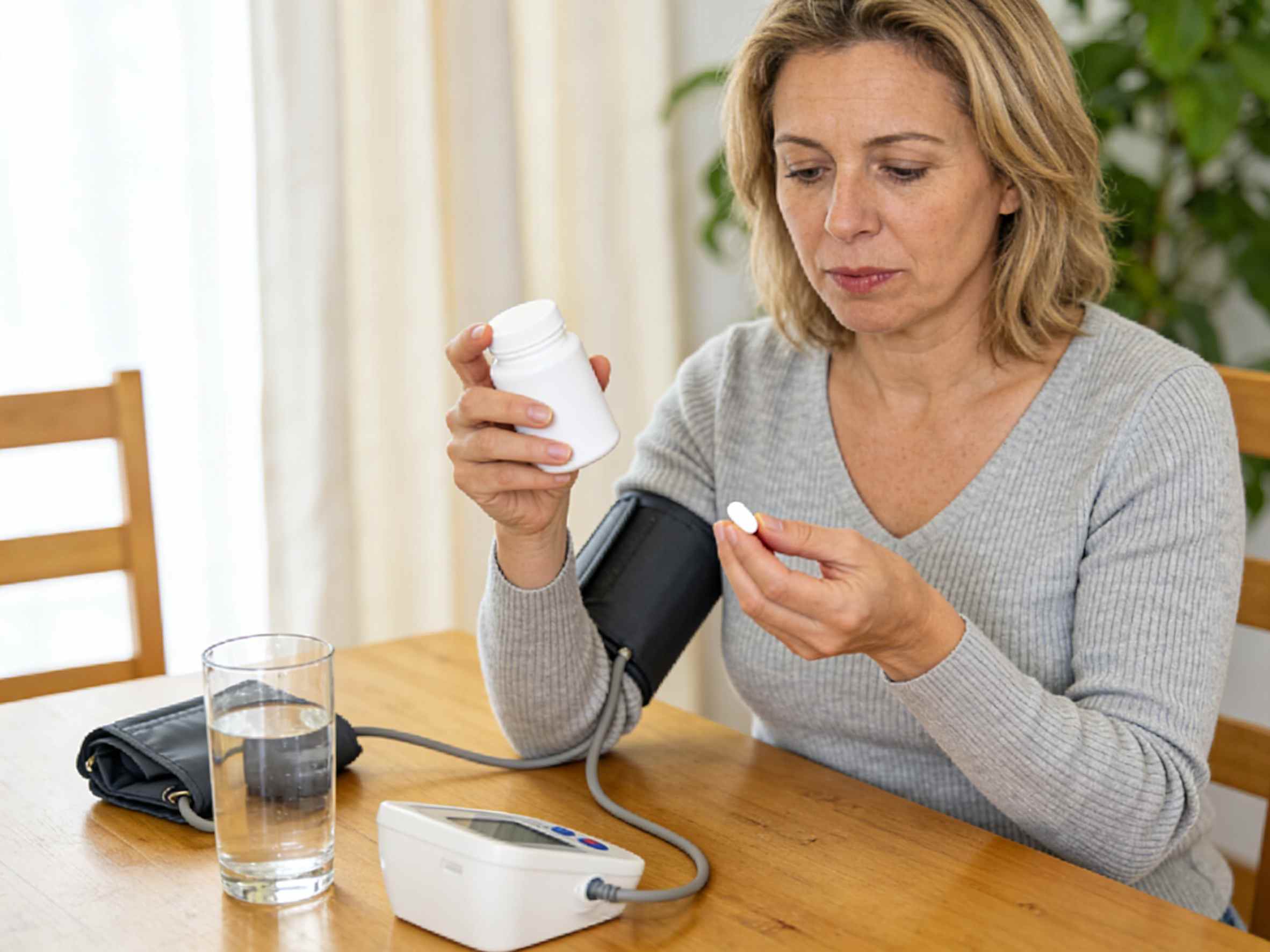
Guidelines for Combination Therapy for Hypertension: Principles, Regimens, and Treatment of Comorbidities
Hypertension often requires combination therapy to effectively achieve target blood pressure. This article details the principles, advantages, and recommended regimens of combination therapy, and provides specific medication guidance for complications such as heart failure and kidney failure, helping you manage hypertension scientifically.
2026-03-22
Guidelines for the Timing of Antihypertensive Medication Administration and Emergency Treatment
When is the best time to take antihypertensive drugs? How to manage a sudden spike in blood pressure? This article details the timing of taking various antihypertensive drugs, emergency procedures, and the proper use of aspirin to help you take antihypertensive drugs correctly and achieve effective blood pressure control.
2026-03-22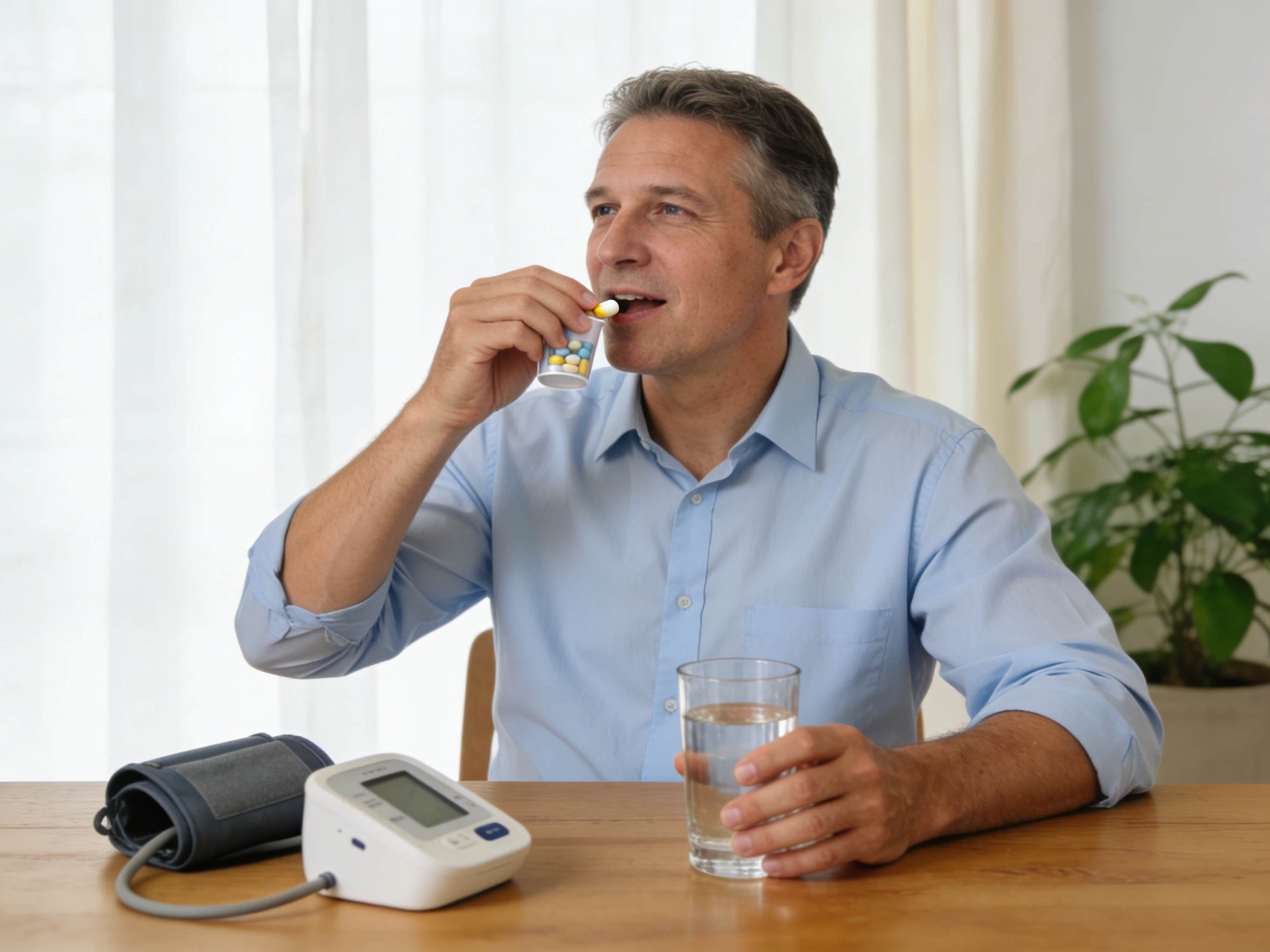
Guidelines for Aspirin Use in Patients with Hypertension: Contraindications and Precautions
Aspirin can prevent cardiovascular and cerebrovascular events in patients with hypertension, but it is not suitable for everyone. This article details the contraindications, precautions, and optimal timing for taking aspirin for patients with hypertension, guiding you to use aspirin safely.
2026-03-22