
Walking and Tai Chi: Two effective forms of exercise to help stabilize blood pressure
Regular walks are recommended.
Walking, as the name suggests, refers to a relaxed and free stroll. The word "walk" describes a leisurely and unrestrained state of doing something. From a medical perspective, walking can promote blood circulation in the limbs and internal organs, regulate the nervous system, promote metabolism, relieve mental fatigue, improve blood flow, lower blood pressure, and thus alleviate dizziness, headaches, irritability, insomnia, and other symptoms.
Furthermore, when walking, it's best to maintain a natural and upright posture, with your head up, chest out, eyes looking straight ahead, and breathing freely. Your arms should swing naturally and rhythmically with your steps, and your whole body should be relaxed. A slow pace is generally recommended, at a speed of 60-90 steps per minute, for about 20-40 minutes each time, 1-2 times a day.
When walking, clothing should be loose and comfortable, and shoes should ideally have soft soles. High heels and leather shoes are not recommended. The best places for a walk are flat areas with fresh air, such as parks, tree-lined paths, or country lanes. You can also choose mountainous areas according to your personal preference.
Tai Chi is also recommended: Tai Chi is widely known in my country. It is a traditional Chinese medicine treatment method with unique national characteristics, boasting a long history and being passed down through generations, constantly evolving and embodying the essence of ancient Chinese fitness exercises. Tai Chi is permeated with the theories of Yin and Yang, movement and stillness, and emptiness and fullness. It is a method of strengthening the body and treating illness in accordance with nature, incorporating guiding and breathing techniques.
The unity of "intention," "qi," and "form" is integrated throughout the entire practice, requiring close coordination of consciousness, breathing, and movement to achieve internal and external harmony, a state of Yin-Yang balance, and seamless integration. Tai Chi movements are slow, gentle, and natural, making it very suitable for the rehabilitation and health maintenance of middle-aged and elderly patients with chronic diseases. It also has a good rehabilitation and health maintenance effect on hypertension. Medical research shows that after practicing a set of Tai Chi, patients with hypertension can experience a decrease in systolic blood pressure of 1.33–2.66 kPa (10–20 mmHg) and a decrease in diastolic blood pressure of 1.33–2.0 kPa (10–15 mmHg). Furthermore, Tai Chi has multifaceted health benefits for the rehabilitation and well-being of hypertension patients.
(1) Tai Chi emphasizes concentration and coordinated breathing, using intention to guide movement, which can improve the regulatory function of the central nervous system and effectively lower blood pressure by regulating the vasomotor center. Simultaneously, Tai Chi can improve autonomic nerve function; the meditative state during practice can significantly reduce the excitability of the sympathetic nervous system, thereby lowering blood pressure.
(2) The coordinated movements of Tai Chi, combining softness and strength, can improve blood circulation, increase blood supply to the heart and brain, and reduce peripheral resistance, thus lowering blood pressure. (3) The gentle and slow movements of Tai Chi can reduce myocardial oxygen consumption, lessen the burden on the heart, increase lung capacity, and enhance pulmonary ventilation and gas exchange, which is beneficial for the recovery of patients with hypertension.
(4) The continuous and powerful movements of Tai Chi can promote metabolism, regulate blood lipid levels, prevent the occurrence of arteriosclerosis, and greatly help improve the prognosis of patients with hypertension.
There are many styles of Tai Chi. In 1956, the State Sports Commission compiled and created a simplified 24-form Tai Chi based on Yang-style Tai Chi, which is simple to learn and easy to popularize. There are also 48-form Tai Chi that balances left and right movements, and 88-form Tai Chi with greater intensity and more complex movements, for learners to improve their skills. The popularization of Tai Chi has brought good news to patients with hypertension. Patients can participate in various types of Tai Chi classes in many cities and towns throughout the country. Generally, mastering one routine is sufficient. As long as one persists year after year, one will definitely achieve good results in strengthening the body and lowering blood pressure.
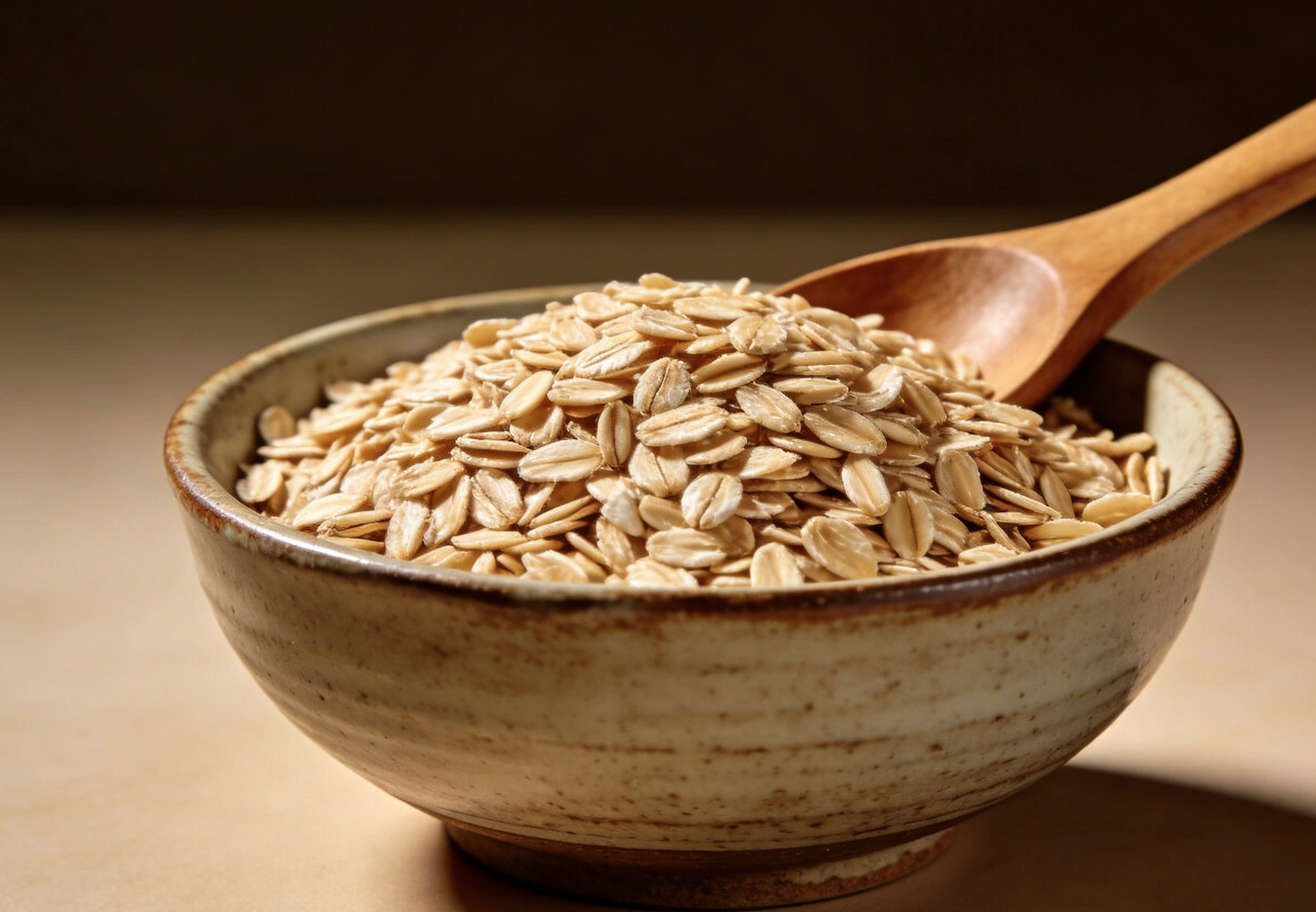
Oat and buckwheat: benefits for lowering blood pressure, blood sugar, and cholesterol, along with four healthy recipes.
This article introduces the nutritional value of oats and buckwheat and their ability to help lower blood pressure, blood sugar, and cholesterol, and shares four practical recipes, including oatmeal chicken balls and buckwheat porridge. These ingredients help regulate blood pressure, blood sugar, and cholesterol levels, making them suitable as healthy dietary choices for people with these conditions.
2026-03-09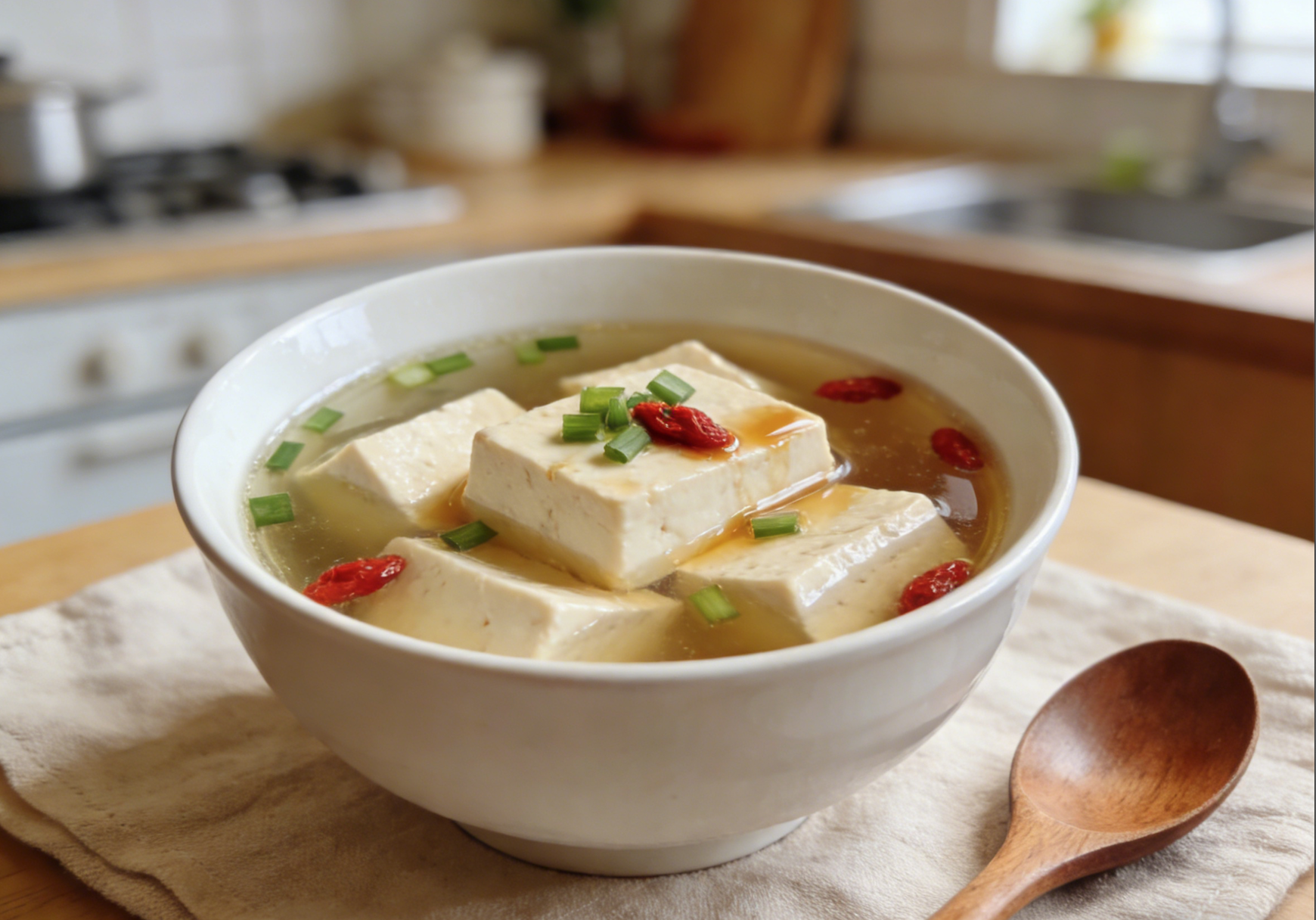
Four healthy recipes for people with high blood sugar to help manage high blood pressure, high cholesterol, and high blood sugar.
This article selects four healthy recipes for people with high blood sugar and the "three highs" (high blood pressure, high blood sugar, and high cholesterol), detailing the preparation methods and blood sugar-lowering effects of dishes such as stir-fried shredded pork with dried tofu and celery, and stewed turtle with corn silk. Through scientific dietary combinations, you can help manage your "three highs" and stabilize your blood sugar levels by incorporating delicious everyday foods.
2026-03-07
Detailed explanation of blood pressure definition, normal range, and various influencing factors.
This article explains the scientific definition of blood pressure in detail, clarifies the difference between systolic and diastolic blood pressure, and lists the normal blood pressure range. It also systematically analyzes how various internal and external factors, such as baroreceptors, chemoreceptors, and seasonal changes, affect blood pressure levels, helping you to fully understand the mechanisms of blood pressure regulation.
2026-03-09