
In-depth analysis of the interrelationships between blood pressure, blood lipids, and blood sugar.
Understanding the Relationship Between Blood Pressure, Blood Lipids, and Blood Sugar:
Correlation Between Hypertension and Hyperlipidemia: Epidemiological studies have confirmed a positive correlation between blood cholesterol levels and blood pressure; individuals with higher blood pressure tend to have higher cholesterol levels. A survey of 16,525 healthy men found that those with a diastolic blood pressure greater than 100 mmHg after age 40 had an average increase of 0.71 mmol/L in blood cholesterol levels compared to those with a diastolic blood pressure less than 70 mmHg. Multivariate analysis showed that the relationship between blood pressure and cholesterol was not affected by age, season, smoking, random blood glucose, or exercise level, but only by body mass index and triglycerides.
This study analyzed the relationship between high-density lipoprotein cholesterol (HDL-C), total cholesterol (Total Cholesterol), non-HDL-C, and triglyceride levels and blood pressure in 8081 men aged 20–54 and 7663 women aged 20–49. The results showed that triglyceride and non-HDL-C levels in both men and women increased significantly with increasing systolic and diastolic blood pressure. Total cholesterol and non-HDL-C levels were positively correlated with age-corrected diastolic blood pressure. Men with diastolic blood pressure greater than 99 mmHg had an average total cholesterol level 0.69 mmol/L higher than men with diastolic blood pressure less than 70 mmHg, and this difference was more significant in younger men aged 20–29. The relationship between triglyceride levels and blood pressure was significantly positively correlated after adjusting for body mass index (BMI); this correlation was more pronounced in individuals with a BMI above the median than in those with a lower BMI, particularly regarding diastolic blood pressure. Studies comparing the relationship between blood pressure and blood lipids in pregnant women with gestational hypertension and healthy pregnant women revealed significantly elevated levels of low-density lipoprotein cholesterol (LDL-C), triglycerides, and apolipoprotein B in the gestational hypertension group, while high-density lipoprotein cholesterol (HDL-C) was decreased. Furthermore, a significant correlation was found between blood lipids and blood pressure in gestational hypertension patients.
The mechanism by which hyperlipidemia affects hypertension: Arterial contractility is largely regulated by vascular endothelial function. Hypertensive patients exhibit impaired endothelial-mediated diastolic function, and hypercholesterolemia also damages arterial endothelial function; the damage is more pronounced when both conditions are present simultaneously. Studies have found that oxidized LDL-C is the lipid abnormality most directly related to endothelial dysfunction. Since arterial contractility is largely regulated by the functional vascular endothelium, lipid abnormalities may indirectly affect arterial dilatation (elasticity) by influencing endothelial regulation. Therefore, lowering total cholesterol and LDL-C through drug treatment can restore normal arterial function and significantly improve blood pressure.
Plasma cholesterol levels, especially LDL-C levels, significantly influence the effect of angiotensin II (Ang11) on blood pressure. A study observing the effects of Angll injections on blood pressure found that cholesterol levels, especially low-density lipoprotein cholesterol (LDL-C), were correlated with changes in systolic and diastolic blood pressure after Angll injection. Therefore, blood lipids are considered an important factor affecting blood pressure regulation.
Diabetes with blood pressure above 80 mmHg can be diagnosed as having hypertension. The normal diagnostic criteria for hypertension are: systolic blood pressure above 140 mmHg and diastolic blood pressure above 90 mmHg.
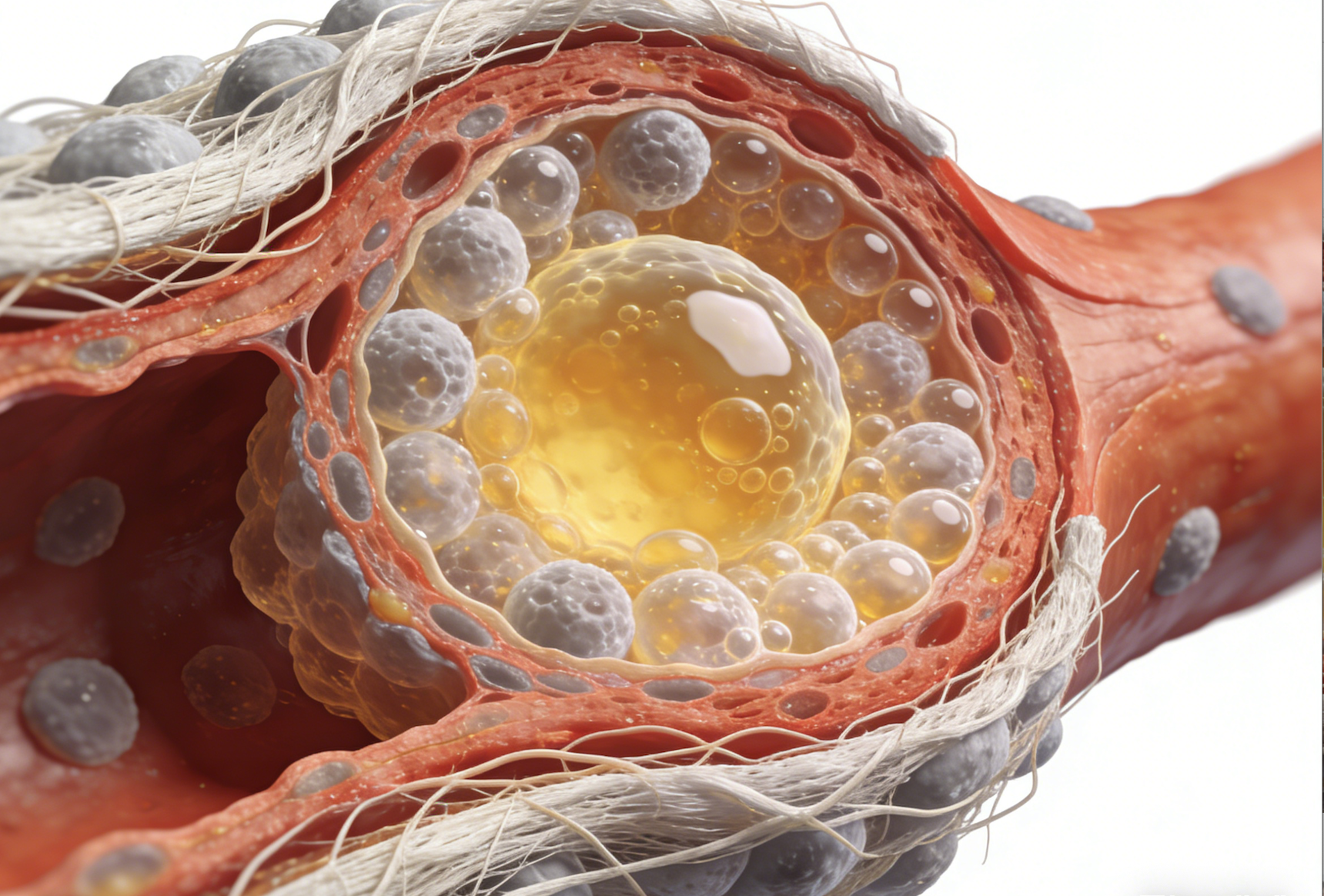
Analysis of common symptoms of hyperlipidemia: from silent onset to xanthoma manifestations
This article details the common symptoms and manifestations of hyperlipidemia (commonly known as high cholesterol), including its early, insidious nature and potential signs such as xanthomas. Understanding these symptoms helps in timely lipid testing, enabling early detection and management of lipid abnormalities.
2026-03-04
Analysis of Early Identification and Scientific Prevention Strategies for Hyperlipidemia
This article elucidates the importance of correctly understanding hyperlipidemia, revealing its hidden dangers of causing arteriosclerosis even when it is asymptomatic in its early stages. It emphasizes the necessity of lipid screening for high-risk groups and advocates for effective control of lipid levels through early intervention and scientific management.
2026-03-04
How to develop individualized lipid-lowering plans and reference standards for patients with hyperlipidemia
This article explains that the treatment of hyperlipidemia (i.e., hyperlipoproteinemia) requires an individualized lipid-lowering plan based on personal circumstances and provides specific reference values for blood lipid standards. Understanding these standards helps patients and doctors jointly set reasonable treatment goals and scientifically manage abnormal blood lipids.
2026-03-04