
Why a comprehensive assessment of dyslipidemia is a key step in precision treatment
What is the importance of a comprehensive assessment for patients with dyslipidemia?
As mentioned earlier, dyslipidemia is a major cause of atherosclerosis, but not the only one. Other conditions such as hypertension, diabetes, and smoking also have adverse effects on the body, and these adverse effects are compounded if they coexist. Therefore, after dyslipidemia is detected, further comprehensive examination is necessary to conduct a comprehensive assessment and judgment of the risk of cardiovascular and cerebrovascular diseases.
Early detection of individuals with dyslipidemia and monitoring of changes in their lipid levels are important foundations for the effective implementation of ASCVD prevention and control measures. Therefore, the "Guidelines for the Prevention and Control of Dyslipidemia in Chinese Adults (2016 Revised Edition)" emphasizes the following:
(1) Clinically, the decision to initiate lipid-lowering drug therapy should be based on the individual's ASCVD risk level.
(2) Lowering LDL-C levels should be the primary intervention target for controlling ASCVD risk, while non-HDL-C can be used as a secondary intervention target.
(3) Target values should be set for lipid-lowering therapy: LDL-C < 1.8 mmol/L for very high-risk individuals; LDL-C < 2.6 mmol/L for high-risk individuals; and LDL-C < 3.4 mmol/L for intermediate and low-risk individuals.
(4) For individuals with high baseline LDL-C values who cannot reach the target value, LDL-C should be reduced by at least 50%; for very high-risk patients whose baseline LDL-C is within the target value, LDL-C should still be reduced by approximately 30%.
To make assessment and stratification simpler, more practical, and more specific, the "Guidelines for the Prevention and Treatment of Dyslipidemia in Chinese Adults (2016 Revised Edition)" has updated and refined the assessment. Individuals meeting any of the following criteria can be directly classified as high-risk or very high-risk:
① Very high-risk: ASCVD patients.
② High Risk: LDL-C ≥ 4.9 mmol/L or TC ≥ 7.2 mmol/L; for diabetic patients, 1.8 mmol/L ≤ LDL-C < 4.9 mmol/L (or) 3.1 mmol/L ≤ TC < 7.2 mmol/L, and age ≥ 40 years.
Those with any two or more of the following risk factors, and aged < 55 years, have an extremely high likelihood of developing cardiovascular and cerebrovascular diseases in the remainder of their lives, defined as high risk:
① Systolic blood pressure ≥ 160 mmHg or diastolic blood pressure ≥ 100 mmHg;
② Non-HDL-C ≥ 5.2 mmol/L (200 mg/dL);
③ HDL-C < 1.0 mmol/L (40 mg/dL);
④ BMI ≥ 28 kg/m²;
⑤ Smoking.
Because the absolute risk of ischemic cardiovascular disease when combined with hypertension is equivalent to the absolute risk when combined with three other risk factors. The risk associated with hypertension is the sum of the other three risk factors. Therefore, if a hypertensive patient has other risk factors, even if their total cholesterol (TC) or lower uric acid (LDL-C) levels are at the so-called "appropriate level," they are considered to be at intermediate risk. For individuals with coronary artery disease or equivalent risk, lipid-lowering intervention is necessary even if their TC or LDL-C levels are at the so-called "appropriate level."

Weight Loss and Wellness: Recommended Dietary Therapy Porridges and Nourishing Soups for People with High Blood Pressure, High Cholesterol, and High Blood Sugar
Weight loss can be achieved by combining dietary therapy porridges and nourishing soups suitable for people with high blood pressure, high cholesterol, and high blood sugar. These foods provide balanced nutrition, control fat, stabilize blood pressure, and lower blood sugar. A scientifically combined diet can help with weight loss while gently addressing these issues.
2026-03-13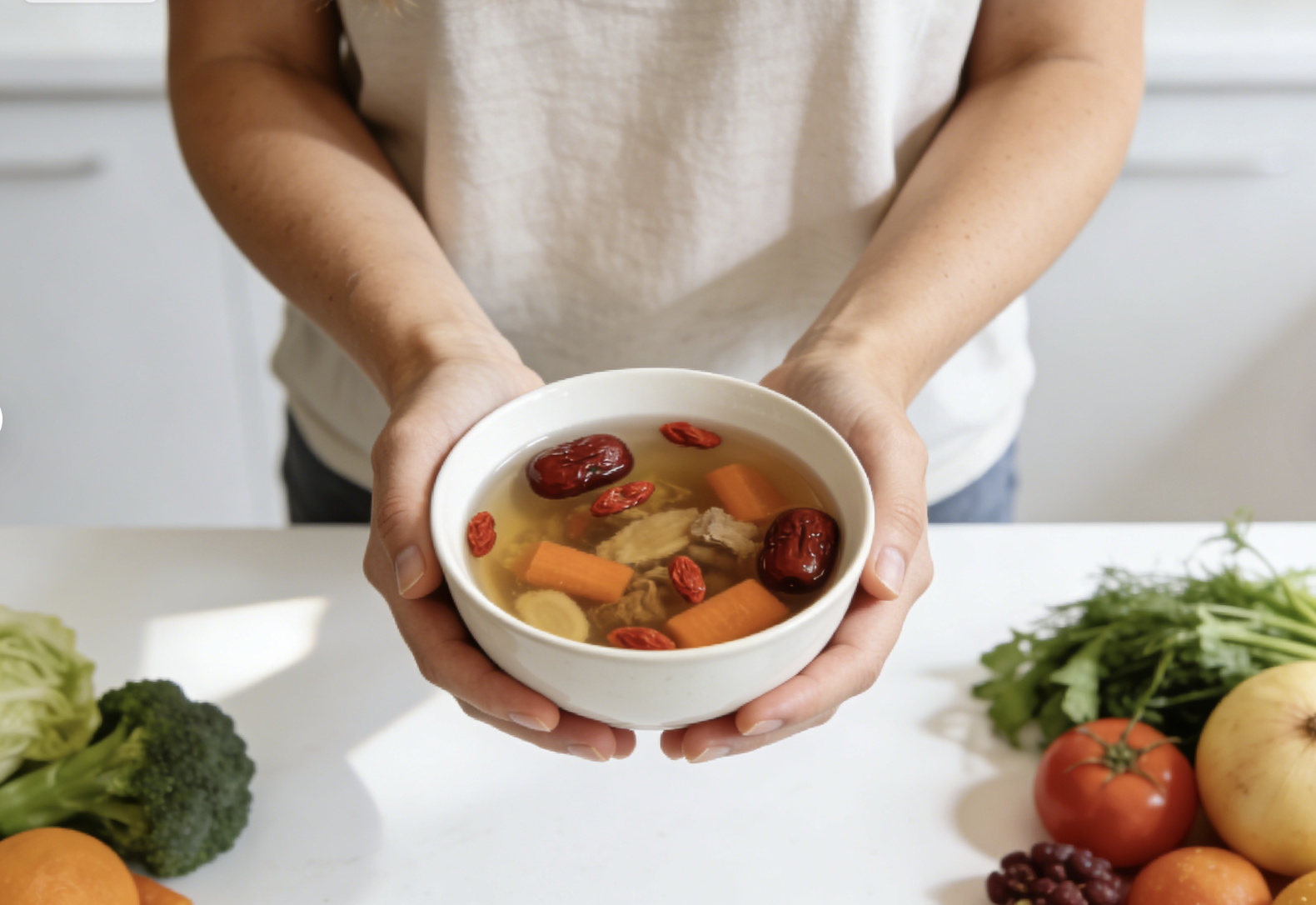
Weight Loss, Blood Pressure Stabilization, and Fat Reduction: Autumn Dietary Therapy Soup Guide for People with High Blood Pressure, High Cholesterol, and High Blood Sugar
Weight loss can be combined with autumn nourishing soups suitable for people with high blood pressure, high cholesterol, and high blood sugar. These soups balance moisturizing dryness, lowering blood pressure, and reducing fat. They are light, nutritious, and filling, helping with weight loss and supporting people with these conditions to smoothly navigate the autumn season and protect their health.
2026-03-14
Weight Loss and Regulating the Three Highs: Scientific Exercise Principles and Health Guidance
Reasonable exercise is key to weight loss and improving the three highs (high blood pressure, high blood sugar, and high cholesterol). This article details the benefits of exercise and four principles, guiding safe and effective exercise that can steadily reduce weight and also help lower blood pressure, cholesterol, and blood sugar.
2026-03-14