
Yan Yan's family tragedy: the double whammy of genetic factors and lifestyle on high blood sugar.
A Girl's Story: My name is Yan Yan, and I'm 15 years old. I used to have a happy family, and I should have been in school. But for some reason, my happy family and my health started having problems one after another starting the year before last. First, my 70-year-old grandmother fell ill. She drank water and urinated constantly, ate a lot, but became increasingly thin. My parents repeatedly urged her to see a doctor, but she said she was fine, adding, "Money can't buy old age thinness." This dragged on until the snow, when suddenly she went completely blind. Only then, accompanied by my parents, did she go to the hospital. The doctor diagnosed her with diabetes, saying she had sought treatment too late and already had many complications. For example, her eyes had developed retinopathy due to high blood sugar, which was incurable. Not long after becoming blind, my grandmother suffered a brain hemorrhage and became paralyzed. Paralyzed in bed, she cried every day with her blind eyes open, and no one could console her. She died before the New Year. Grandma's death devastated my father, who was just over fifty. He blamed it on his negligence, saying it was his carelessness that caused his kind grandmother to leave us in such pain. In his grief, he tried to drown his sorrows in alcohol, but instead of finding relief, his health deteriorated. He started drinking heavily and urinating frequently, but refused to go to the hospital because he had lost his job. Mom said she could manage with her income. She urged him to see a doctor, and he agreed in front of her, but secretly saved the money for my university education. My father told me, "My biggest regret in life is not going to university. You must go to university for me." He also said that as a man, he had to go out and earn money to support his family. So, every day, he worked tirelessly, searching for jobs until he finally found one as a scrubber in a bathhouse. Having worked in an office for most of his life, my father's limbs were weak, and the sudden strenuous work was too much for him. But my father was a strong-willed man; he suffered in silence, only drinking more. One day, my father collapsed in the bathhouse. His coworkers took him to the hospital, where the doctor said his long-term untreated high blood sugar had triggered heart disease. The doctor added that the key issue was that he had inherited diabetes from his grandmother, and the high blood sugar, coupled with overwork, depression, and an unbalanced diet, had caused his already pre-existing condition to worsen. My mother quit her job to care for him, and the three of us lived frugally, relying on the help of relatives and friends. My ailing father, not wanting to be a burden on us, passed away one morning. In my grief, I suddenly felt I had grown up. I wanted to take care of my mother, and I wanted to go to university!
In the days that followed, I studied diligently while thinking about how to help my mother, often unable to sleep at night. Later, I secretly collected and sold garbage behind my mother's back, as she, being older and lacking skills, couldn't find work. As a result, I often felt unwell; the most obvious symptom was weakness in my legs. I also suffered from dry mouth, constantly thirsting, and frequent urination, and I grew thinner day by day. My mother was worried and took me to the hospital for a checkup. Oh my god! I also had high blood sugar and was diagnosed with diabetes. Grandma, Dad, and I—how did we all get the same disease? The doctor said that the disease itself has a hereditary component, and coupled with the stress of life, depression, excessive fatigue, and alcoholism, the insulin secretion ability of all three of us decreased, our bodies' sensitivity to insulin reduced, and ultimately, our blood sugar rose. Unfortunately, three generations of us went from being "susceptible" to "patients."
Note: Yan Yan's experience is truly heartbreaking. It is hoped that people will pay more attention to their own and their family's health and emotions, establish healthy lifestyles, and avoid similar tragedies. One way to control high blood sugar is to eat properly. Controlling high blood sugar is an effective measure to prevent people from developing from a sub-healthy state to disease.
Among these measures, the first thing we need to do is control our "mouth." We say that to live, we need to eat to ensure the function of our organs and the energy required for various activities. The organ for eating is the mouth. People with high blood sugar often feel hungry and therefore constantly want to eat to eliminate this feeling. Therefore, to control blood sugar within a normal range, the first step is to control what you eat – eat properly.
In the 1990s, the Victoria Declaration first proposed the concept of the "Four Cornerstones of Health": a balanced diet, appropriate exercise, quitting smoking and limiting alcohol consumption, and mental balance. In the early 21st century, Chinese scholars proposed the "Five Cornerstones of Health" formula: "Eat properly + Sleep well + Moderate activity and rest + Stable mood + Regular lifestyle." Whether in the last century or the 21st century, the first element of the cornerstones of health is "eating properly."
Eating properly includes:
1. Drinking enough water. Drinking enough water refers to both the quantity and the timing of water intake. Adults should drink 1400-2000 ml of water daily, which is 7-10 cups of water (200 ml each). 1. Regarding the timing of water intake, based on the body's metabolic processes, most people should drink 1-2 glasses of water on an empty stomach upon waking in the morning. Additionally, it's advisable to drink water around 10 AM, 4 PM, and before bed. Drinking water proactively means drinking even when you're not thirsty, as the body's cells need water. Establishing a regular water-drinking habit is the simplest way to prevent illness. It's important to note that you should drink plain boiled water, as it's the most suitable water for the human body.
2. Include staple foods in every meal. Some people only eat vegetables, fruits, and meat, neglecting staple foods, which is a serious mistake. One of the three major nutrients for human life is carbohydrates, primarily derived from rice, noodles, and grains.
3. Include a variety of proteins in every meal. For example, animal protein (fish, lean meat, eggs) and plant protein (soy products).
4. Eat fruits and vegetables daily. The specific fruits and vegetables to eat should vary depending on location, individual circumstances, and time of year, following the principle of "following the season." Some people eat only expensive, imported fruits and vegetables. However, the nutritional value of fruits and vegetables is not determined by price, but by their vitamin and fiber content. High-fiber foods are polysaccharides and do not stimulate insulin secretion.
5. Reduce salt intake. Northerners, in particular, should control their salt intake. The World Health Organization recommends that each person consume no more than 5 grams of salt per day. Changing the millennia-old "sweet in the south, salty in the north" dietary habits in middle age is not easy, but for health, salt control is essential. (Because people with high blood sugar often also have high blood pressure.)
6. Many people drink milk now. Some drink it in the morning, some at noon, and some whenever they want. Actually, it's best to drink milk before bed. Drinking milk before bed has a calming effect and helps with calcium absorption.
7. People with high blood sugar. Should they absolutely avoid sugar? Absolutely not, is unscientific; they can eat less.
8. People with high blood sugar should eat less high-fat foods. Rabbit meat is the leanest, with a fat content of around 15%. 9. Limit your intake of barbecued and fried foods.
10. Also limit your intake of foods like preserved eggs, instant noodles, sunflower seeds, and pork liver. People with high blood sugar should primarily consume whole grains as their staple food, supplemented with chicken, duck, fish, meat, and eggs, combining refined and whole grains in a balanced way, and eating smaller, more frequent meals. Tip: Everyone must eat every day. Eating seems simple, but it's actually not, especially for those with elevated blood sugar. It's important to learn the science of eating properly. Adults should consume 25-30 kcal per kilogram of body weight daily. Those engaged in light physical labor should consume 30-35 kcal. Those engaged in moderate physical labor should consume 35-40 kcal. Those engaged in heavy physical labor should consume over 40 kcal. Moving from unhealthy to healthy eating requires willpower to ensure good behavior. Lowering blood sugar and preventing diabetes are goals pursued by humanity in the 21st century.
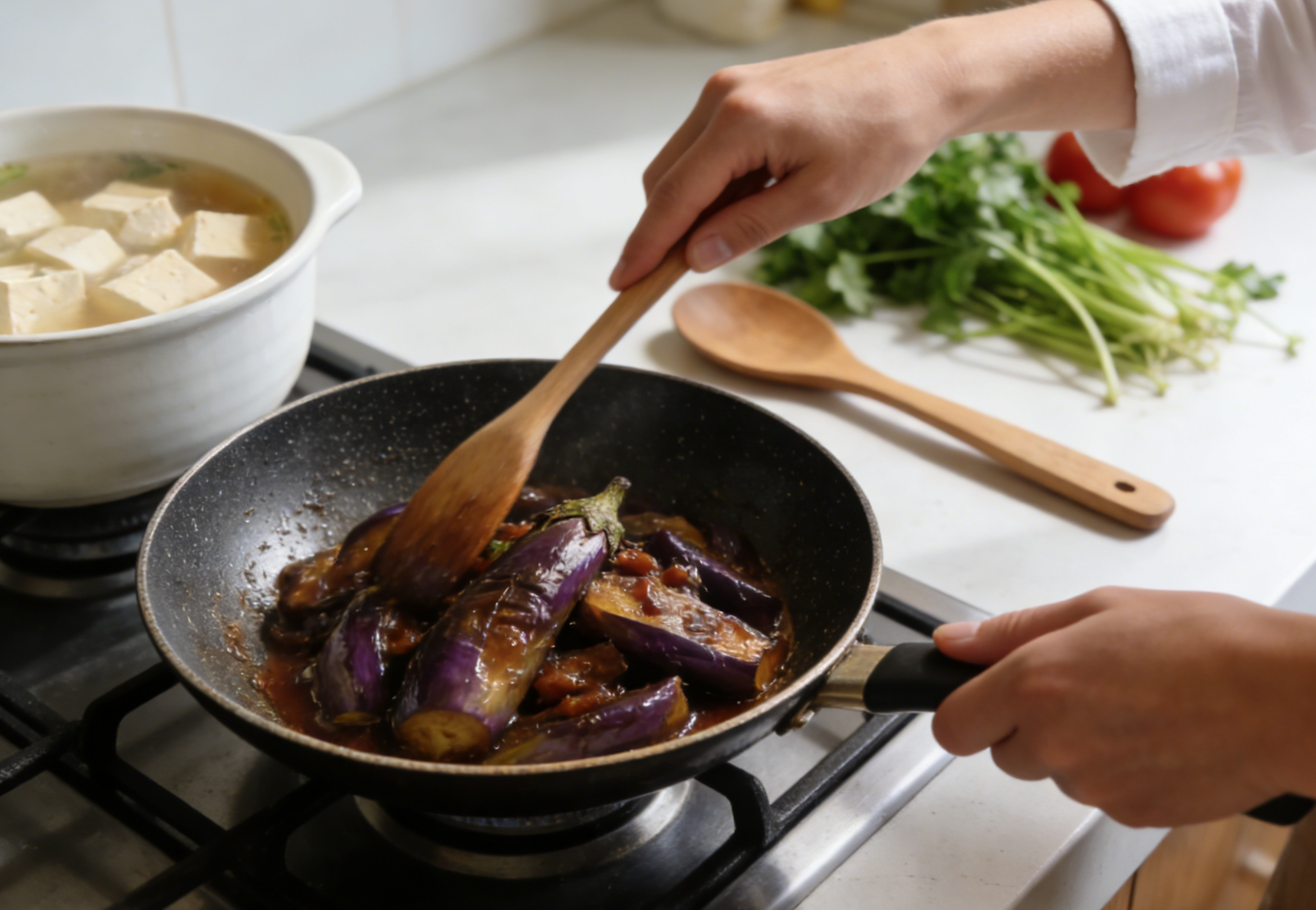
Essential for people with high cholesterol: Four cholesterol-lowering recipes and detailed cooking instructions
This article selects four healthy recipes for patients with high cholesterol, detailing their cooking methods and their effects in helping to lower cholesterol. Understanding how to scientifically manage cholesterol levels through daily diet, such as consuming tofu and eggplant, is an important way to control cholesterol and improve health.
2026-03-05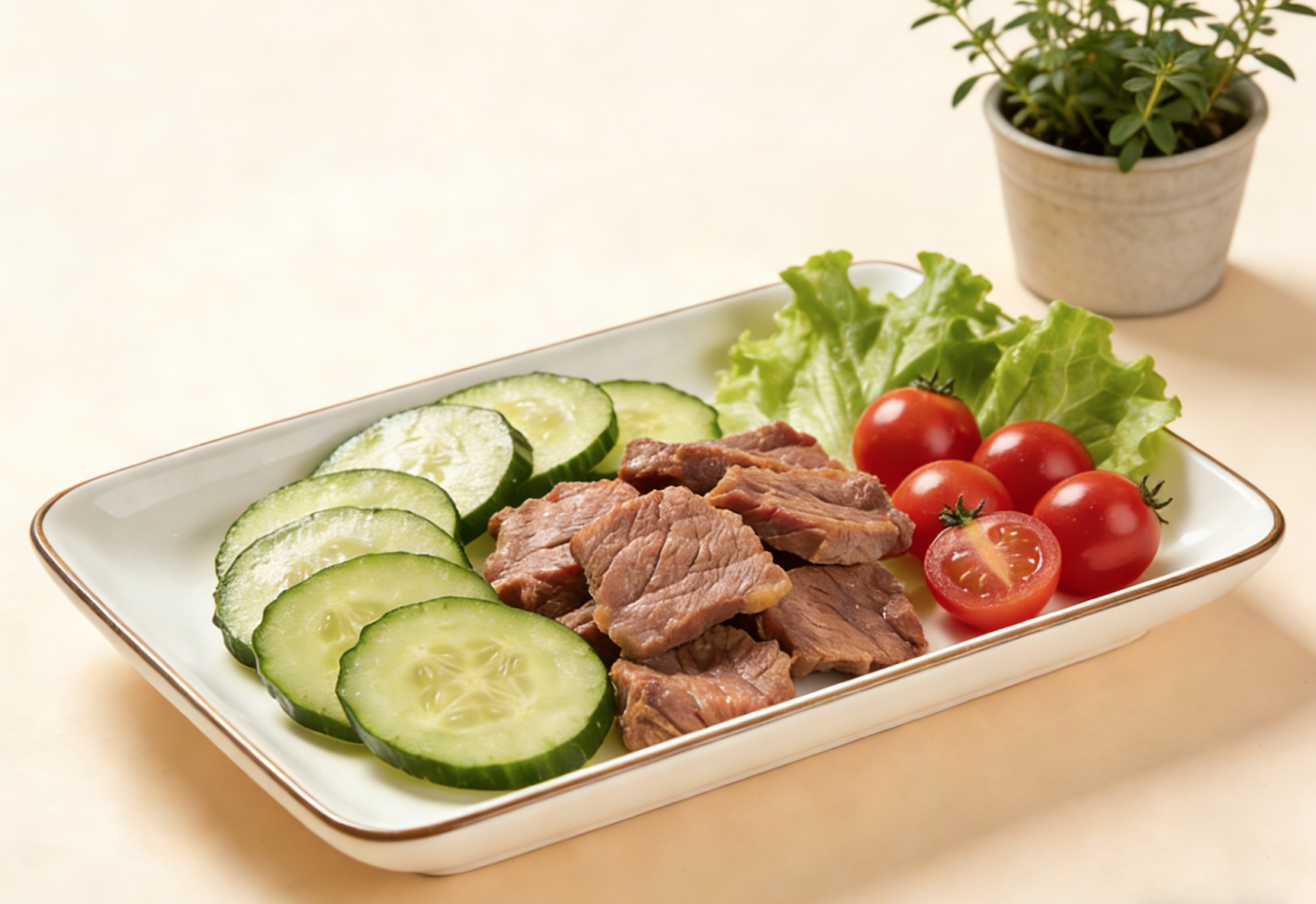
Five easy-to-make recipes and cooking methods for lowering cholesterol in patients with high blood lipids
This article provides five easy-to-make recipes for lowering cholesterol in individuals with high blood lipids, detailing the preparation of dishes such as perilla sardines and cold spinach and oyster salad, and their benefits for blood lipids. Understanding these healthy cooking methods can help improve blood lipid levels through daily diet and achieve scientific management.
2026-03-06
Four easy home-cooked recipes for people with high cholesterol and their health benefits
This article selects four practical home-style recipes for patients with high cholesterol, including low-fat, high-protein dishes such as crucian carp and chicken. These healthy cooking methods can help control and improve cholesterol levels and are an important part of scientifically managing cholesterol in daily diet.
2026-03-06