
A Powerful Tool for Diabetes Control: A Basic Guide to Insulin Preparations
Diabetes Treatment with Insulin
Insulin
What is Insulin? The pancreas contains many cell groups called islets of Langerhans. Among them are B cells, which secrete a protein hormone called insulin in response to stimulation by endogenous or exogenous substances such as glucose, lactose, ribose, arginine, and glucagon. Insulin is the only blood sugar-lowering hormone in the human body. It binds to receptors on target cells, promoting the entry of extracellular glucose into these cells and its conversion into glycogen for storage. Simultaneously, insulin inhibits the breakdown of glycogen back into glucose, thus lowering blood sugar. Furthermore, insulin promotes protein and fat synthesis and prevents the conversion of fat and protein into glucose. Insufficient insulin secretion, whether relative or absolute, will cause elevated blood sugar, leading to diabetes.
What are the different types of insulin based on their duration of action? What are the different formulations?
① Ultra-short-acting insulin: Includes insulin aspart (NovoRapid) and insulin lispro (Humalog), both of which are rapid-acting human insulin analogs produced using recombinant technology. Subcutaneous injection has an onset time of 10-20 minutes, with maximum effect occurring 1-3 hours after injection. Its blood glucose-lowering effect lasts 3-5 hours. Compared to regular insulin, it better matches the physiological secretion pattern of insulin. Immediate pre-meal injection (3 times daily) results in rapid absorption, 3 times faster than human insulin, and a shorter peak time, leading to more effective postprandial blood glucose control. It is usually used in combination with intermediate- or long-acting insulin. It is important to note that carbohydrates should be consumed within 10 minutes of administration to avoid hypoglycemia.
② Short-acting insulin: This includes animal-derived regular insulin (regular insulin, neutral insulin, soluble insulin, etc.) and recombinant human insulin, such as NovoMix R (pen cartridge), Humulin R (pen cartridge), and Gansulin R (pen cartridge). Animal insulin has a higher incidence of allergic reactions, requires larger doses, has a slower onset of action, and a slightly shorter duration of action than human insulin. For example, NovoMix takes effect half an hour after subcutaneous injection, reaches peak effect in 1-3 hours, and lasts for approximately 8 hours. Short-acting insulin is generally injected subcutaneously 30 minutes before meals. Because subcutaneous injection involves an absorption process, it doesn't act as quickly as ultra-short-acting insulin, has a sharper peak, and differs somewhat from the physiological secretion pattern in humans. Eating too early can lead to poor blood sugar control, while eating too late can easily cause hypoglycemia. ③ Intermediate-acting insulin: also known as protamine zinc insulin, refers to insulin mixed with zinc and protamine phosphate buffer. This includes animal-derived protamine zinc insulin (such as vesulphine N) and recombinant human insulin [such as NovoMix N (pen cartridge), Humulin N (pen cartridge), and Gansulin N (pen cartridge)]. Intermediate-acting insulin releases slowly and steadily after subcutaneous injection, with an average onset of action in 1.5 hours, peak effect in 4–12 hours, and a duration of action of 18–24 hours. The risk of hypoglycemia is lower than that of short-acting insulin. It is generally used in combination with short-acting formulations to provide the daily basal insulin dose. It can be injected subcutaneously 0.5–1 hour before breakfast. If the daily dose exceeds 4.0U, it should be divided into two injections: 2/3 of the daily dose before breakfast and 1/3 before dinner. In addition, intermediate-acting insulin is often used in intensive insulin therapy regimens, administered at bedtime to control nighttime and morning fasting blood glucose.
④ Long-acting insulin: also known as protamine zinc insulin, is based on low-protamine zinc with a higher protamine content, resulting in a slower release and longer duration of action. It is injected subcutaneously 0.5–1 hour before breakfast, with an onset of action in 3–4 hours, peak effect in 10–20 hours, and a duration of action of 24–26 hours.
⑤ Ultra-long-acting insulin: includes glargine insulin (Lantus) and detemir insulin. Subcutaneous injection maintains a relatively constant concentration for 24 hours, with a significant peak appearing at the end. It is generally injected in the evening, with an onset of action of 1.5 hours and an effect lasting approximately 24 hours. It is more suitable for basal insulin therapy, less prone to nocturnal hypoglycemia, and results in less weight gain.
⑥ Premixed insulin: refers to a mixture containing short-acting and intermediate-acting insulin, including NovoRapid 30R (containing 30% short-acting insulin and 70% intermediate-acting insulin), NovoRapid 50R (containing 50% short-acting insulin and 50% intermediate-acting insulin), Humulin 20/30 (containing 70% intermediate-acting insulin and 30% short-acting insulin), and NovoRapid 30 Special (a biphasic mixture containing ultra-short-acting aspart insulin). The short-acting component in the formulation has a rapid onset of action, providing good control of postprandial blood glucose, while the intermediate-acting component is released slowly and continuously, primarily acting as a substitute for basal insulin secretion. The disadvantage is that premixed regimens are limited and cannot meet specific mixing requirements.
What are insulin analogs? What are their functions and characteristics?
The term "analog" has two meanings: they mimic the secretion of normal insulin and are chemically similar to insulin. In the late 1990s, it was discovered that modifying the peptide chain of insulin alters its physicochemical and biological characteristics, leading to the development of insulin analogs that are more suitable for human physiological needs than regular human insulin. These are also known as "rapid-acting insulin" or "mealtime insulin." They are divided into rapid-acting and slow-acting insulin analogs. Examples of rapid-acting insulin analogs include lispro, aspart, and lisglutinin; examples of slow-acting insulin analogs include glargine and detemir.
Compared to regular insulin, insulin analogs offer several advantages:
① Rapid onset of action, avoiding the need for administration 30 minutes before meals, allowing for injection 15 minutes before or immediately after meals, with a shorter duration of action;
② Closer to physiological treatment, combining insulin analogs with long-acting insulin, injecting short-acting analogs with meals and glargine insulin before bedtime, helps diabetic patients more accurately mimic the insulin metabolism process under normal physiological conditions, maximizing blood glucose control within the normal range and reducing the likelihood of hypoglycemia;
③ Peak effect time coincides with the postprandial blood glucose peak, better controlling postprandial blood glucose elevation;
④ Flexible injection timing, allowing for convenient application, such as supplemental use after meals;
⑤ Significantly reduces nocturnal hypoglycemia;
⑥ Lowers glycated hemoglobin;
⑦ Stable drug absorption;
⑧ Bedtime injection of glargine insulin in combination with oral hypoglycemic agents improves blood glucose control in type 2 diabetes, and is easier to implement and more cost-effective than conventional methods.
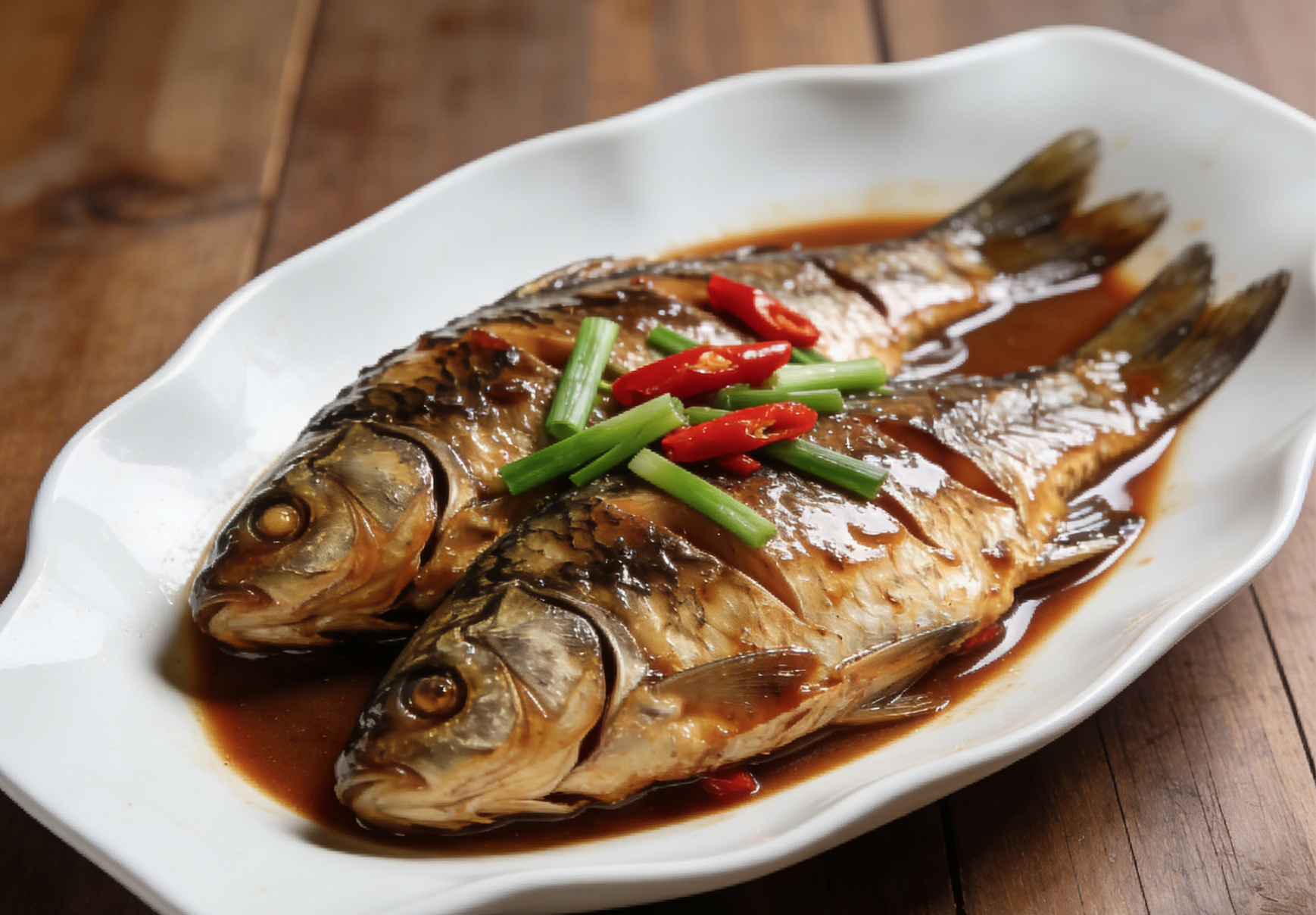
Detailed Explanation of Braised Crucian Carp and Grass Carp with Tofu: A Healthy Recipe and Its Benefits in Regulating High Blood Pressure, High Blood Sugar, and High Cholesterol
This article provides a detailed analysis of the nutritional components of crucian carp and its effects on lowering blood pressure, blood sugar, and cholesterol, including how its high-quality protein reduces cholesterol and blood sugar. It also offers healthy recipes such as braised grass carp with tofu and steamed crucian carp with wood ear mushrooms, providing dietary references for people with these conditions and aiding in health management.
2026-03-06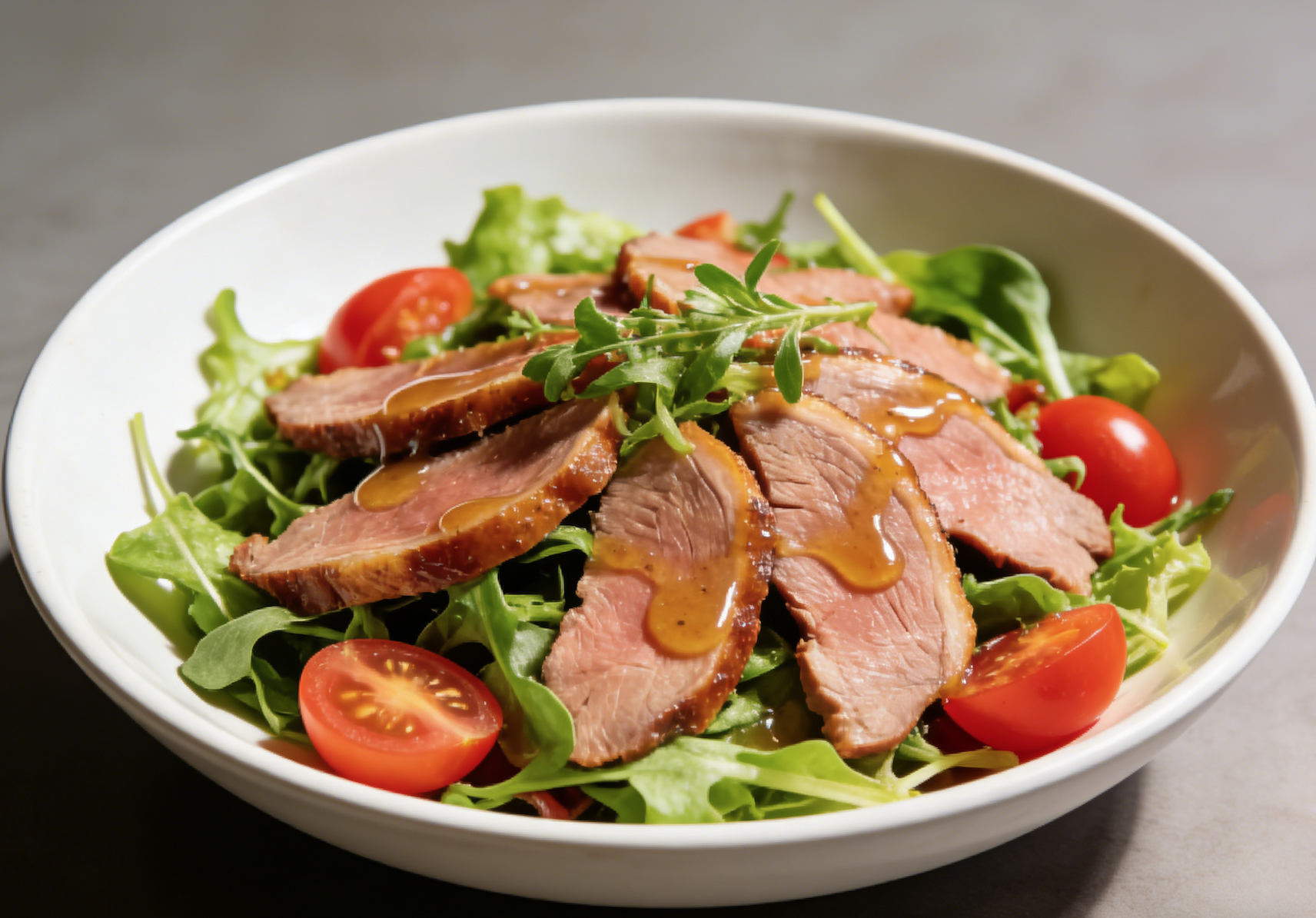
Peanuts and duck meat help regulate blood pressure, blood sugar, and cholesterol: Analysis of their effects and recommended healthy recipes.
This article details how the unsaturated fatty acids and resveratrol in peanuts help lower cholesterol and regulate blood sugar, and why the unsaturated fatty acids in duck meat are suitable for people with hypertension, hyperlipidemia, and hyperglycemia. It also provides dietary remedies for hypertension and healthy recipes such as walnut, peanut, and milk soup, offering dietary guidance for the scientific management of these conditions.
2026-03-07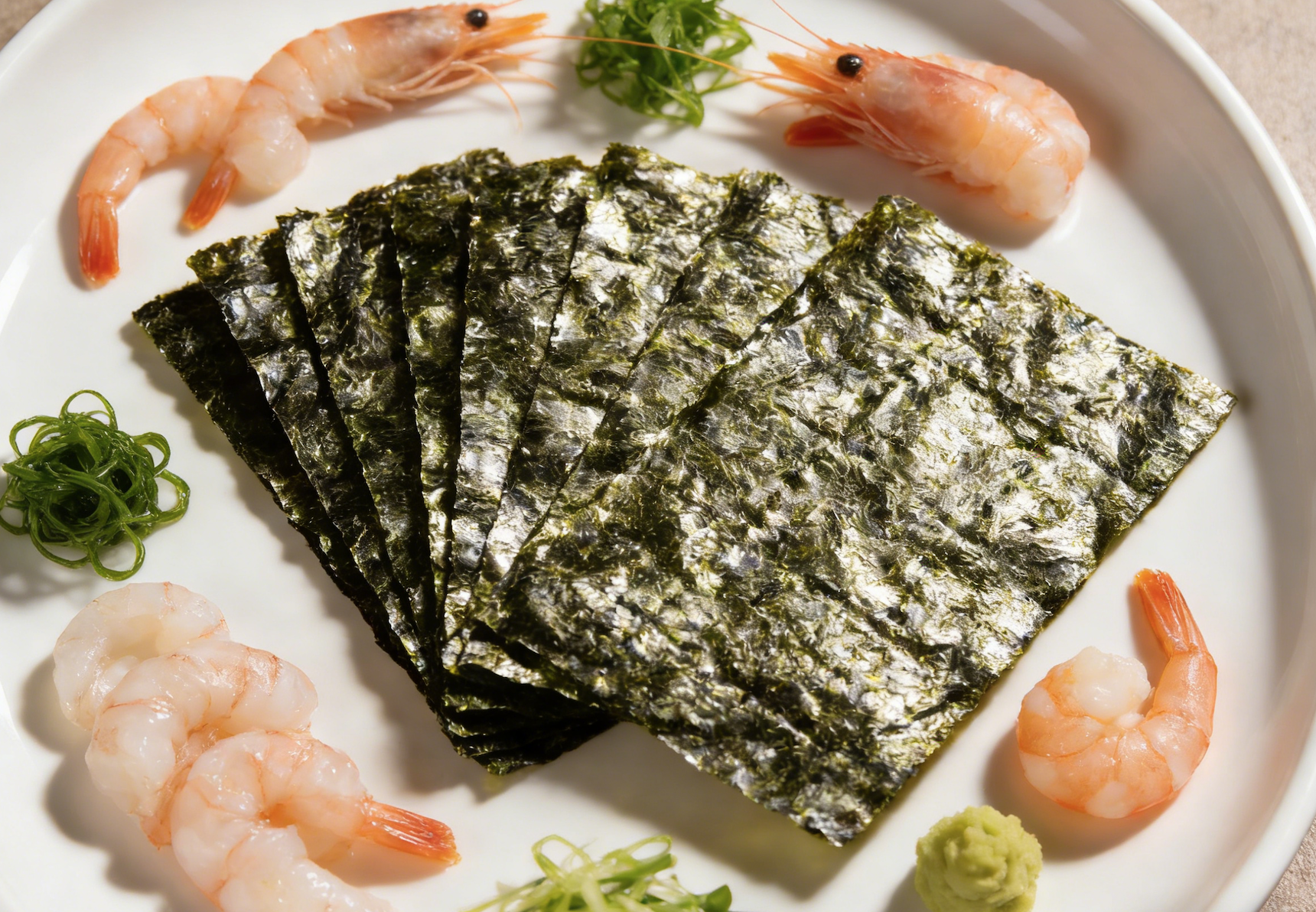
Analysis of seaweed's effects on regulating blood pressure, blood sugar, and cholesterol: Blood sugar reduction and two healthy recipes.
This article details how seaweed, through its polysaccharides, magnesium, and taurine, can effectively lower blood sugar and blood viscosity, thus helping to regulate the "three highs" (high blood pressure, high blood sugar, and high cholesterol). It provides dietary remedies for hypertension and healthy recipes such as seaweed and sea cucumber soup, offering dietary guidance for people with these conditions.
2026-03-07