
Analysis of High-Risk Groups for Hypertension: Characteristics and Treatment Principles in Middle-Aged and Elderly Individuals
High-risk groups for hypertension:
(1) Parents with hypertension. Hypertension is a polygenic hereditary condition; multiple hypertension patients in the same family are not only due to shared lifestyles but also, more importantly, the presence of genetic predisposition.
(2) Those with high salt intake. This is because high sodium intake raises blood pressure, while low sodium intake helps lower it. Additionally, a high-calcium and high-potassium diet can reduce the incidence of hypertension.
(3) Those with high animal fat intake.
(4) Long-term alcohol drinkers. The incidence of hypertension is higher in those who drink more alcohol, and this is directly proportional to the amount of alcohol consumed.
(5) Those under mental stress. If these individuals also lack physical exercise, they are more prone to hypertension.
(6) Smokers and obese individuals.
Relationship between hypertension and age:
Hypertension—a common disease in middle-aged and elderly people:
●Characteristics of hypertension in middle-aged and elderly people:
Because the pressure receptors in the bodies of middle-aged and elderly people have lower sensitivity in regulating blood pressure, they are prone to large fluctuations in blood pressure, which can easily lead to cardiovascular and cerebrovascular accidents.
(1) Prone to orthostatic hypotension, especially while taking antihypertensive drugs.
(2) Prone to heart failure. (3) Prone to arrhythmias. Often accompanied by left ventricular hypertrophy, leading to repolarization disorders, resulting in premature ventricular contractions (PVCs), ventricular tachycardia (VT), supraventricular tachycardia (SVT), atrial fibrillation, and bundle branch block.
● Treatment Principles for Hypertension in Middle-Aged and Elderly Individuals
(1) Non-pharmacological treatment. Regardless of whether the hypertension is low-risk, intermediate-risk, or high-risk, non-pharmacological treatment should be the first-line approach. Non-pharmacological treatment is the foundation of hypertension treatment and should be consistently implemented. Specific measures include a reasonable diet, physical exercise, weight control, smoking cessation, alcohol cessation, and maintaining a good mental state. Non-pharmacological treatment is very important for early and mid-stage hypertension. Some patients with late-stage hypertension can also control their blood pressure within the ideal range using the above methods.
(2) Pharmacological treatment. Pharmacological treatment should start with a small dose and gradually increase it. Combination therapy should be used, and frequent changes in medication should be avoided. Individual differences should also be considered.
● Treatment of Hypertension in Middle-Aged and Elderly Individuals Middle-aged and elderly individuals often experience varying degrees of damage to the heart, brain, and kidneys. Therefore, medication should ideally be long-acting antihypertensive drugs that provide 24-hour antihypertensive efficacy once a day. Only one type of drug should be used; combination therapy should be avoided. Diuretics are suitable for middle-aged and elderly individuals with hypertension and heart failure; otherwise, they are not recommended to prevent hypovolemia that could lead to cerebral and cardiac ischemia. When choosing a diuretic, mild, slow-acting medications are preferable; avoid any strong or rapid-acting diuretics.

Essential Guide for Diabetics on Business Trips: How to Manage Blood Sugar and Travel Safely
This article provides a comprehensive guide for diabetic patients preparing for business trips, including pre-trip checks, medication carrying and storage, blood glucose monitoring, and managing hypoglycemia. It helps patients effectively manage their blood sugar during their travels, ensuring stable blood sugar levels and travel safety.
2026-02-27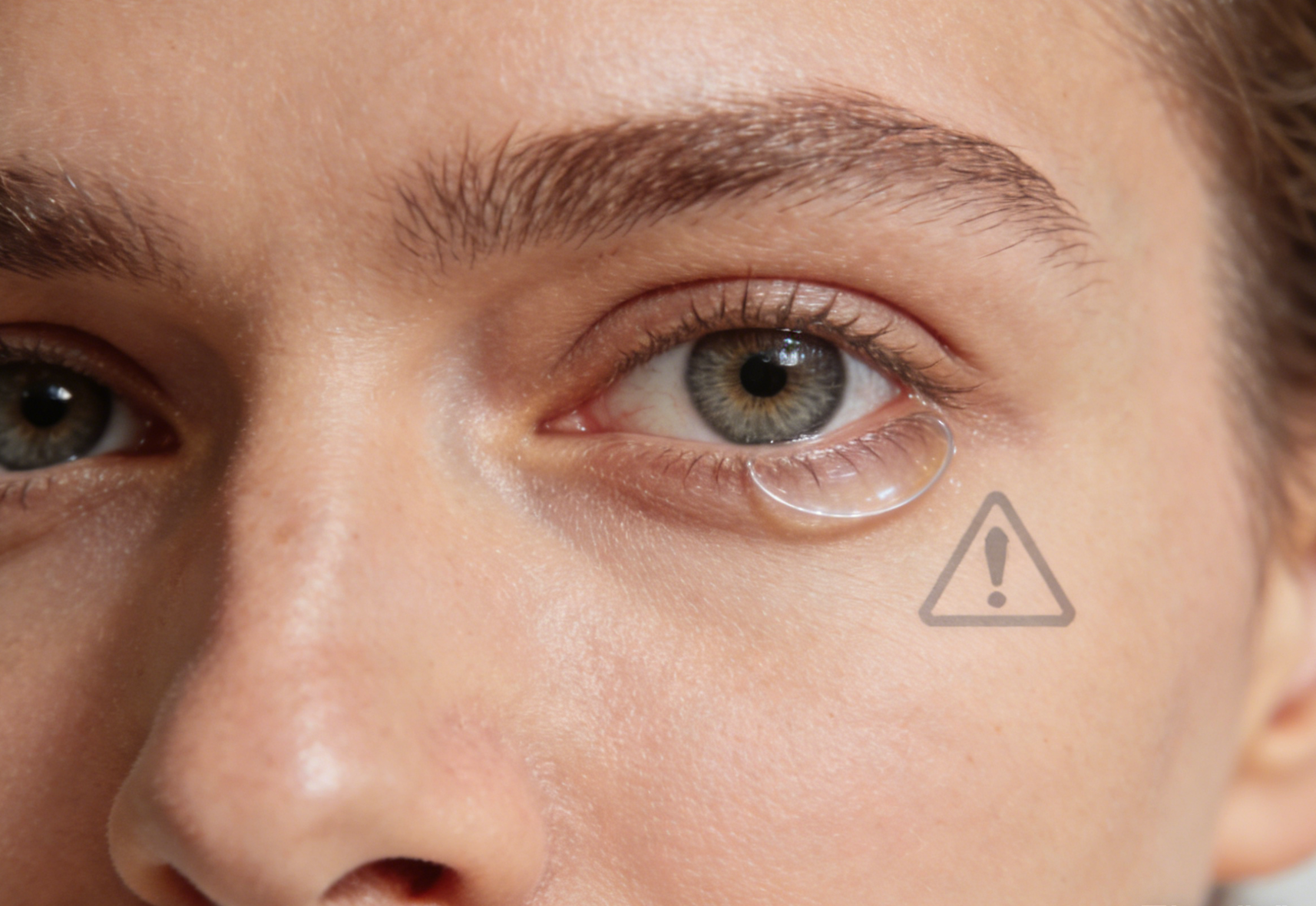
Three things to avoid for diabetic patients: contact lenses, cooling mats, and hot baths – all of which increase blood sugar risks.
This article lists three major taboos for diabetic patients: frequently wearing contact lenses, sleeping on a cool mat, and taking hot baths. Following these recommendations can help maintain stable blood sugar levels and avoid complications caused by infection or irritation, thus better managing blood sugar levels.
2026-02-27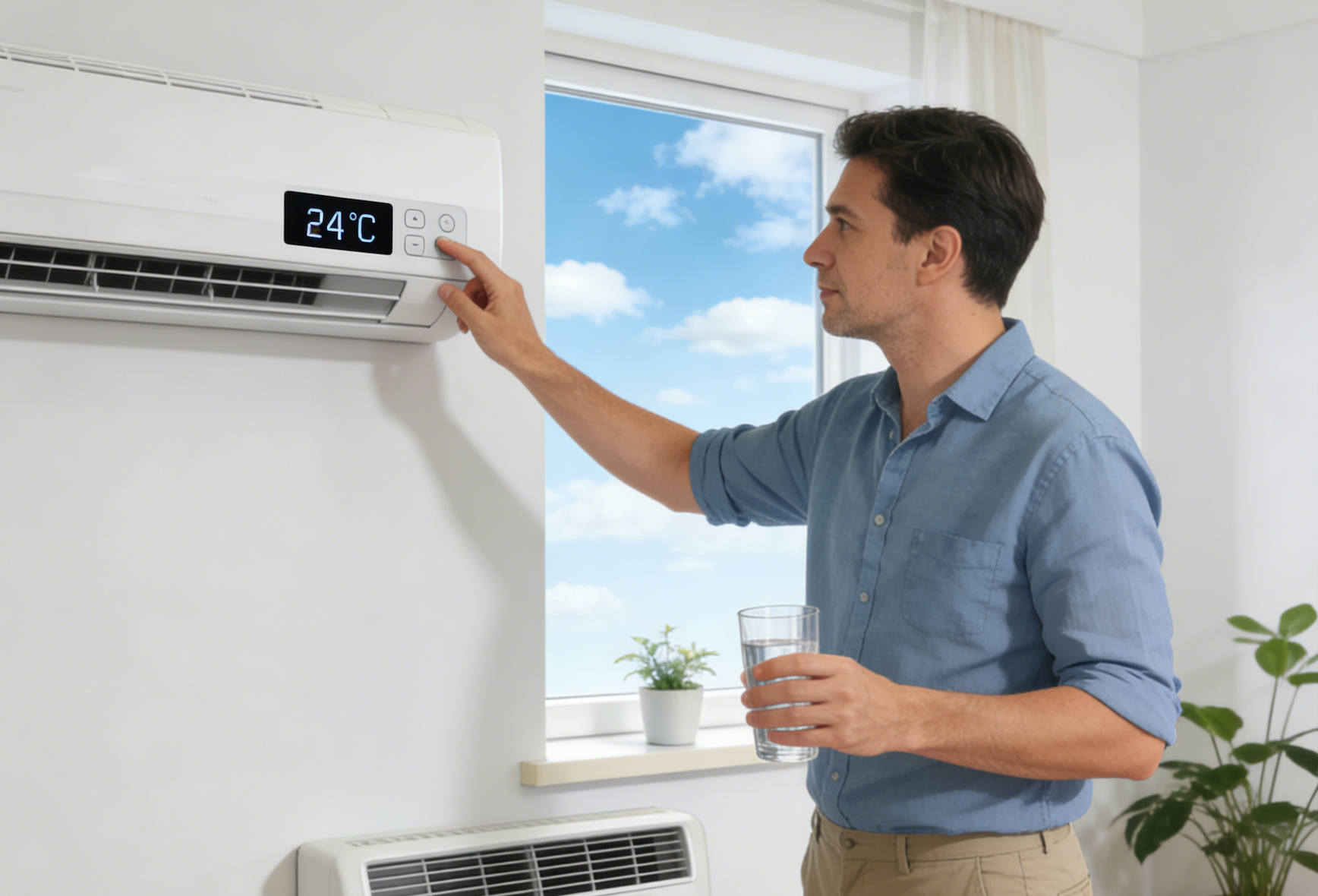
Attention diabetics: How weather changes and air conditioning use affect blood sugar.
This article reminds diabetic patients that weather changes and air conditioning use may cause blood sugar fluctuations. It explains how external environmental factors affect blood sugar control through emotional and metabolic pathways, and provides relevant prevention suggestions to help patients maintain stable blood sugar levels.
2026-02-27