
Analysis of Special Treatments for Hyperlipidemia: From Stroke Prevention to Diabetes Management
Specific Treatments for Hyperlipidemia:
1. Lipid-lowering therapy reduces stroke incidence. Epidemiological studies have found a close correlation between plasma cholesterol levels and the occurrence of ischemic stroke. Treatment of patients with pre-existing coronary heart disease or myocardial infarction (whose cholesterol levels were not elevated or only slightly elevated) with pravastatin showed a 31% and 20% reduction in stroke risk, respectively.
While the role of lipid-lowering therapy (statins) in reducing stroke risk in secondary prevention of coronary heart disease is well-established, its effectiveness in preventing stroke in individuals without coronary heart disease remains uncertain.
2. Lipid-lowering therapy is beneficial for the recovery of patients with kidney disease. Hyperlipidemia itself can cause or worsen kidney damage, and many kidney diseases are accompanied by lipid metabolism disorders, with nephrotic syndrome being particularly prominent.
Numerous clinical studies have found that lipid-lowering therapy is beneficial for patients with kidney disease complicated by hyperlipidemia. Statins not only have a good lipid-lowering effect on nephrotic hyperlipidemia, but also significantly reduce proteinuria in patients with nephrotic syndrome, which is beneficial to the recovery of kidney disease.
3. Lipid-lowering therapy is beneficial to the recovery of patients with fatty liver. Fatty liver is a disease with few or no symptoms, but if left untreated, it can develop into cirrhosis and liver cancer. Patients with hyperlipidemia may experience an accumulation of large amounts of triglycerides in liver cells due to overnutrition, leading to fatty liver.
For patients with fatty liver caused by hyperlipidemia, alcohol consumption should be avoided. Simultaneously, the intake of carbohydrates and fats should be controlled, weight should be maintained, and sufficient intake of high-quality protein and vitamins should be ensured. Medication may be necessary to control blood lipids, but the burden on the liver should be carefully considered. Patients should take medication under the guidance of a doctor.
4. Treatment of hyperlipidemia combined with hypertension. Hypertension often occurs concurrently with hyperlipidemia, and its onset greatly promotes atherosclerosis. Therefore, a low-sodium diet is very important for treating hyperlipidemia. When treating hyperlipidemia through diet, it's important to reduce salt intake and actively consume potassium-rich foods such as fruits, seaweed (e.g., kelp, nori), and yellow-green vegetables to promote sodium excretion. When taking antihypertensive medications, avoid drugs that can raise blood lipids, such as diuretics and propranolol.
5. How to treat hyperlipidemia in postmenopausal women? Postmenopausal women are at high risk for coronary heart disease and must actively prevent and treat hyperlipidemia. After menopause or in patients who have undergone oophorectomy, the concentration of low-density lipoprotein cholesterol (LDL-C) in the blood rises rapidly, while high-density lipoprotein (HDL-C) decreases, thereby increasing the risk of coronary heart disease.
If a postmenopausal woman has hyperlipidemia, it is generally not recommended to control it solely with non-pharmacological therapies; early and adequate use of lipid-lowering drugs is necessary. Appropriate estrogen replacement therapy can be added to help lower blood lipids. Postmenopausal women often have complications such as obesity and diabetes, leading to abnormal blood lipids; these diseases should be actively identified and treated to prevent and treat hyperlipidemia.
6. Diabetic patients should pay attention to the treatment of dyslipidemia.
Cardiovascular disease is the leading cause of death in diabetic patients, and dyslipidemia is the most important risk factor for cardiovascular disease. Diabetic patients are prone to developing dyslipidemia. Therefore, while controlling blood sugar, diabetic patients should actively control their blood lipid levels.
7. Characteristics of dyslipidemia in diabetes. Diabetic dyslipidemia is mainly characterized by elevated serum triglyceride (TG) levels, decreased high-density lipoprotein cholesterol (HDL-C) levels, accompanied by mild to moderate elevations in total cholesterol (TC) or low-density lipoprotein cholesterol (LDL-C).
Generally, elevated total cholesterol levels are discovered during the diagnosis of diabetes. In some cases, elevated total cholesterol is found during a physical examination, followed by elevated blood sugar levels; that is, high total cholesterol occurs before high blood sugar. Therefore, high total cholesterol should raise suspicion of concurrent diabetes.

Daily Management of Hyperglycemia: Guidelines for Daily Routine, Weight, and Footwear Selection
This article provides three daily management recommendations for people with high blood sugar: maintaining a regular sleep schedule to stabilize blood sugar, controlling weight to optimize blood sugar levels, and choosing appropriate footwear and socks to prevent diabetic foot. These practical guidelines can help achieve better blood sugar control.
2026-01-20
Daily Care Guidelines for Patients with Hyperglycemia: Key Points for Bowel Movements, Oral and Eye Health
This article provides three key aspects of daily care for patients with high blood sugar: developing good bowel habits, paying attention to oral hygiene to prevent complications, and scientifically protecting the eyes to prevent retinopathy. These measures help stabilize blood sugar levels and are important components of comprehensive blood sugar control and long-term health maintenance.
2026-01-20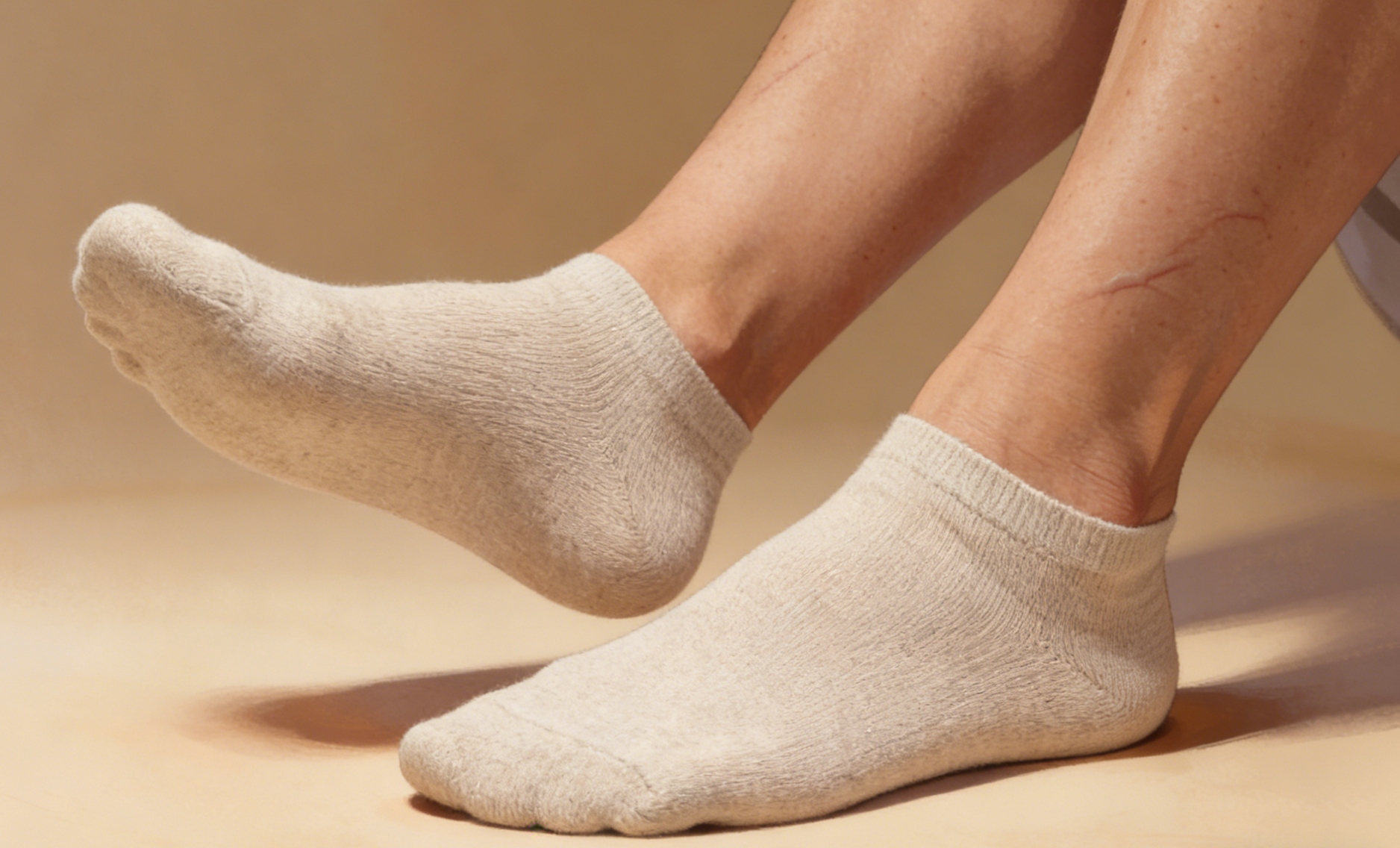
Beware of diabetic foot: How should patients with high blood sugar take care of their feet daily?
This article details the risks and key points of daily care for diabetic foot, emphasizing that good blood sugar control is the foundation of prevention, and provides 12 specific foot protection measures. Through scientific care, patients with high blood sugar can effectively prevent serious complications such as foot infections and ulcers, thus ensuring their quality of life.
2026-01-20