
Analysis of the mechanisms of hyperlipidemia: Influence of endogenous and exogenous factors and age
It's important to understand the causes of hyperlipidemia: Blood plasma cholesterol and triglycerides have two sources: exogenous triglycerides from food, absorbed by the small intestine after digestion; and endogenous triglycerides synthesized within the body. Triglycerides are synthesized in the liver, while cholesterol is mainly synthesized in the liver and small intestinal mucosa. The body has a feedback mechanism to regulate the absorption, synthesis, breakdown, and excretion of cholesterol, thus ensuring a dynamic balance in its blood concentration.
Serium cholesterol mainly comes from internal synthesis. Intestinal absorption is strictly regulated by the body and is not directly proportional to the amount of cholesterol ingested. For example, if daily cholesterol intake increases by 100 mg, serum cholesterol only increases by 3-5 mg/dL. The body synthesizes approximately 1.5 grams of cholesterol daily, which is higher than exogenous cholesterol. The liver is the site of both cholesterol synthesis and breakdown. Hyperlipidemia can occur when there is excessive consumption of animal fat (which can become raw materials for cholesterol synthesis in the liver and small intestine), or when there is nephrotic syndrome, congenital lipid metabolism disorders, or liver metabolic disturbances. Factors such as mental stress, tension, smoking, seasonal temperature changes, menstruation, and pregnancy can all cause significant fluctuations in serum cholesterol levels.
Age has a certain impact on blood lipids and lipoproteins because the metabolism of blood lipids and lipoproteins decreases across the board in older adults. Generally, cholesterol and triglyceride levels peak around age 50 for men and age 65 for women. A survey of blood lipids and lipoproteins in 438 elderly people in Shanghai showed that serum lipids in the urban elderly group were significantly higher than those in the younger group. Blood lipid concentrations in the elderly also increase with weight gain, decreased activity, and the presence of hypertension and coronary heart disease.
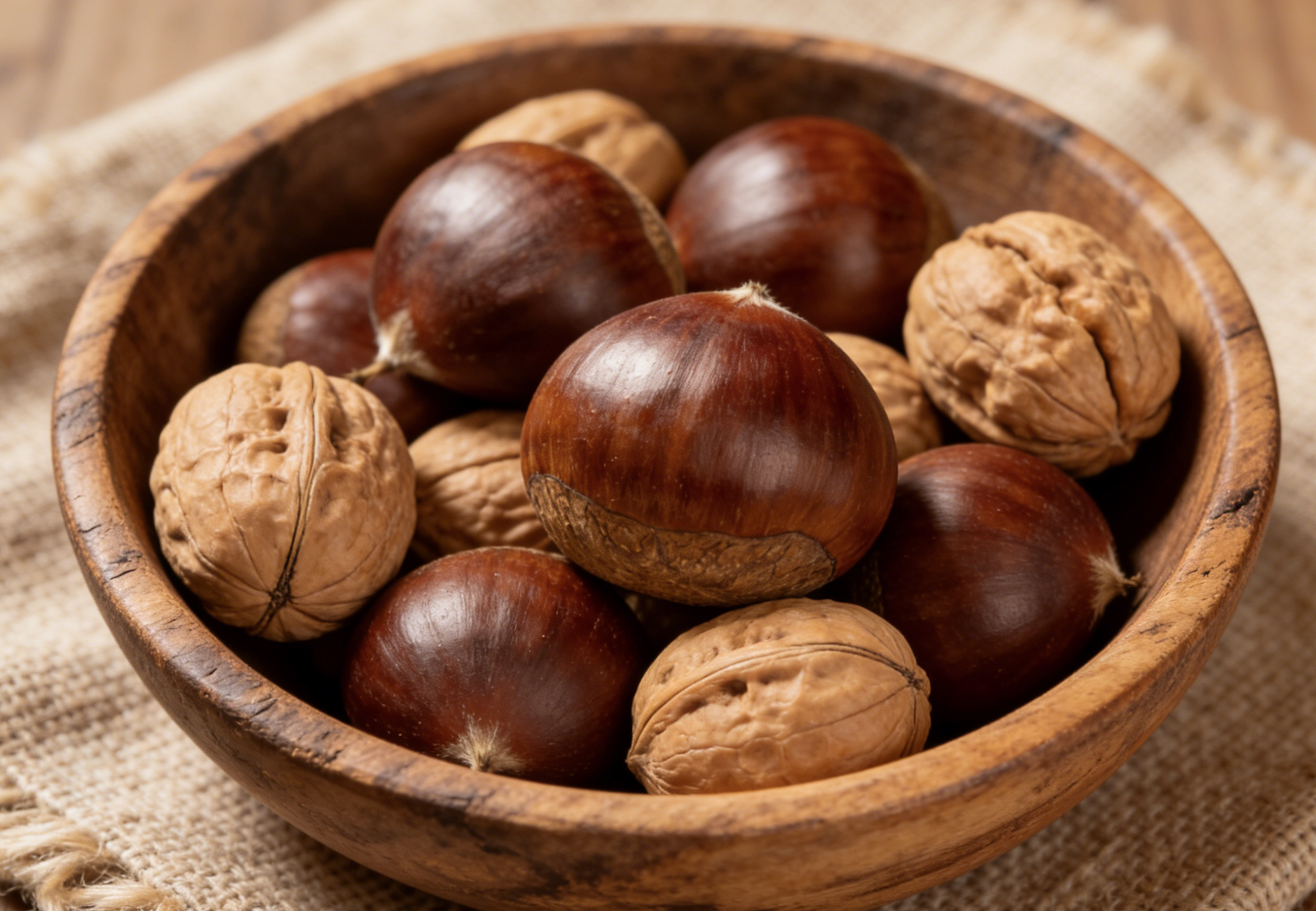
Chestnuts help regulate blood pressure, blood sugar, and cholesterol: Two healthy recipes for maintaining healthy blood vessels.
This article details how chestnuts, through their vitamin C, potassium, and dietary fiber, can help promote sodium excretion and lower blood lipids, thus regulating "the three highs" (high blood pressure, high blood sugar, and high cholesterol). It provides dietary guidance for controlling these conditions and includes two delicious recipes: braised baby bok choy with chestnuts and chestnut porridge, to help people with these conditions consume them scientifically.
2026-03-06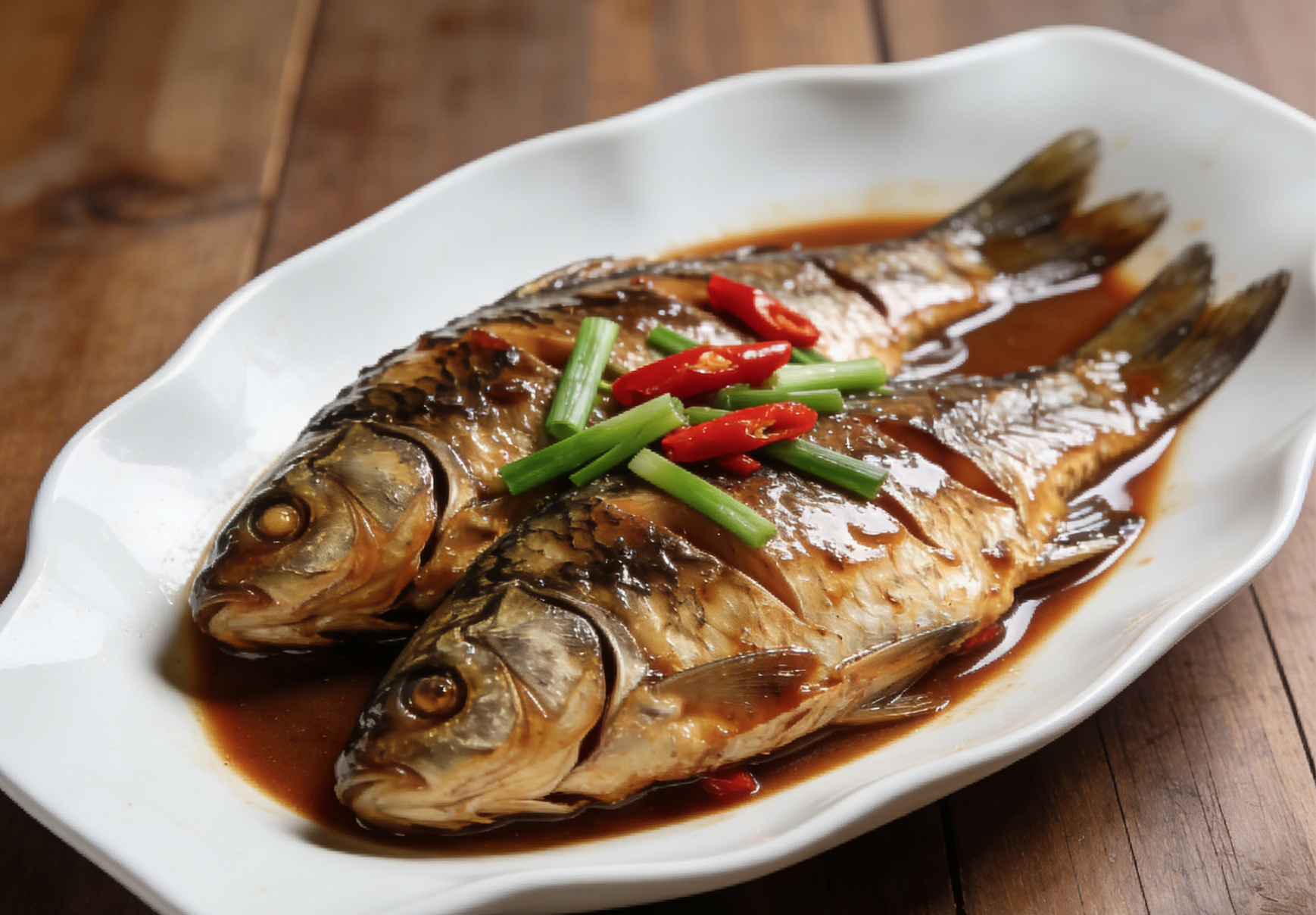
Detailed Explanation of Braised Crucian Carp and Grass Carp with Tofu: A Healthy Recipe and Its Benefits in Regulating High Blood Pressure, High Blood Sugar, and High Cholesterol
This article provides a detailed analysis of the nutritional components of crucian carp and its effects on lowering blood pressure, blood sugar, and cholesterol, including how its high-quality protein reduces cholesterol and blood sugar. It also offers healthy recipes such as braised grass carp with tofu and steamed crucian carp with wood ear mushrooms, providing dietary references for people with these conditions and aiding in health management.
2026-03-06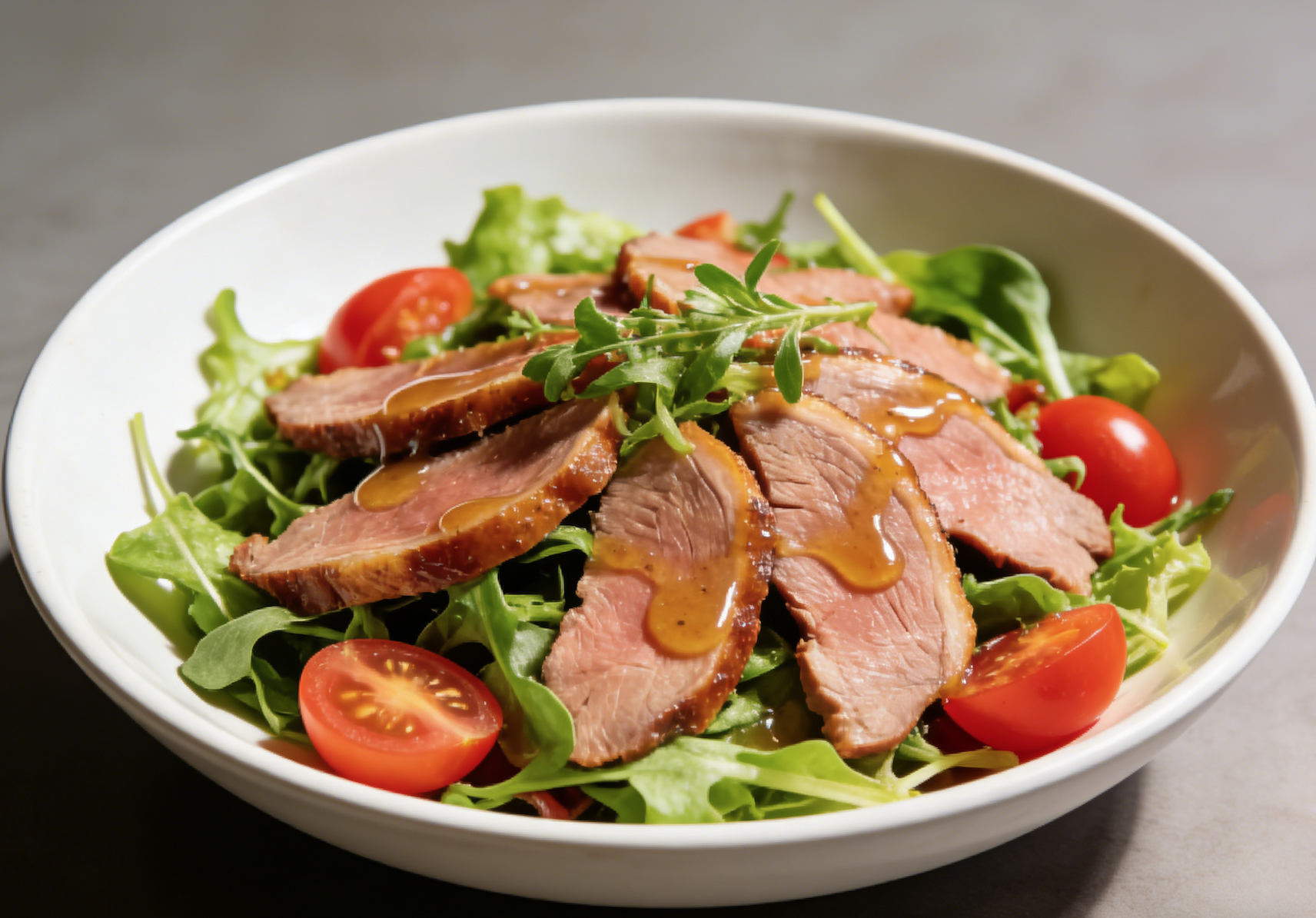
Peanuts and duck meat help regulate blood pressure, blood sugar, and cholesterol: Analysis of their effects and recommended healthy recipes.
This article details how the unsaturated fatty acids and resveratrol in peanuts help lower cholesterol and regulate blood sugar, and why the unsaturated fatty acids in duck meat are suitable for people with hypertension, hyperlipidemia, and hyperglycemia. It also provides dietary remedies for hypertension and healthy recipes such as walnut, peanut, and milk soup, offering dietary guidance for the scientific management of these conditions.
2026-03-07