
Skin abnormalities and driving safety: Diabetic patients need to be alert to blood sugar signals
Be alert to skin abnormalities: Most people know that the main symptoms of diabetes are the "three highs and one low"—excessive eating, excessive drinking, excessive urination, and weight loss. However, some diabetic patients do not exhibit these typical symptoms, yet their skin shows early signs of diabetes.
Diabetic patients' microvascular complications weaken blood vessel elasticity, causing facial capillary dilation, resulting in skin congestion and redness. This may also be accompanied by distinctive rose-colored rashes.
Elevated blood sugar increases the sugar content in the skin, creating favorable conditions for bacterial growth. For example, staphylococcal infections can lead to folliculitis with pustules on the back of the neck and occipital region, potentially developing into boils and polypustular carbuncles.
Therefore, diabetic patients often experience dry, flaky skin and localized or generalized itching. Female patients, in particular, often experience vulvar and vaginal itching, mostly due to the irritating effect of urinary glucose on the skin and mucous membranes.
Diabetic patients with xanthelasma often have lipid metabolism disorders, and some may develop orange-colored xanthelasma on the inner side of both eyelids.
Some diabetic patients frequently develop blisters and bullae on their hands and feet. The blister walls are loose and easily ruptured, containing clear, transparent fluid. This is related to carbohydrate metabolism disorders in diabetic patients, leading to local skin malnutrition.
If these symptoms appear, patients should promptly visit a hospital for blood glucose and urine glucose tests for timely diagnosis.
Reducing driving frequency is advisable: With the continuous improvement of people's living standards, the number of car owners has increased significantly in recent years, leading to a rise in traffic accidents. Although government regulations have significantly reduced traffic accidents and injuries, the increasing prevalence of diabetes has resulted in more diabetic drivers, leading to an increase in traffic accidents caused by diabetic hypoglycemia and other diabetic complications. Therefore, whether diabetic patients are suitable to drive is a concern for many.
In fact, diabetic patients with stable conditions can drive just like normal people. However, driving is not advisable in the following situations:
(1) Individuals with diabetic retinopathy, such as cataracts or retinopathy, causing decreased vision or impaired visual field accommodation, should not drive.
(2) Individuals with diabetes complicated by hypertension, coronary heart disease, or cerebral arteriosclerosis, or other macrovascular diseases. High-speed driving can easily cause increased heart rate, blood pressure, and blood sugar, and may even induce arrhythmias or angina attacks, greatly increasing the risk of accidents.
(3) Individuals with diabetic neuropathy. These patients often experience numbness, dulled sensation, limb pain, foot problems, or high blood sugar while driving, leading to poor concentration and an inability to react promptly to emergencies and unexpected events, resulting in accidents.
(4) Individuals experiencing hypoglycemia. Diabetic patients are prone to hypoglycemia when driving after taking hypoglycemic drugs or injecting insulin. Symptoms include palpitations, dizziness, sweating, blurred vision, slow reaction time, and decreased orientation and self-control, easily leading to accidents. Therefore, drivers with diabetes should carry food and drinks to combat hypoglycemia, such as cola, candy, and biscuits. They should avoid high-speed driving, driving while fatigued, and prolonged continuous driving. It is best to take appropriate breaks or have someone else drive during the journey to avoid accidents caused by inattention and slow reaction time.
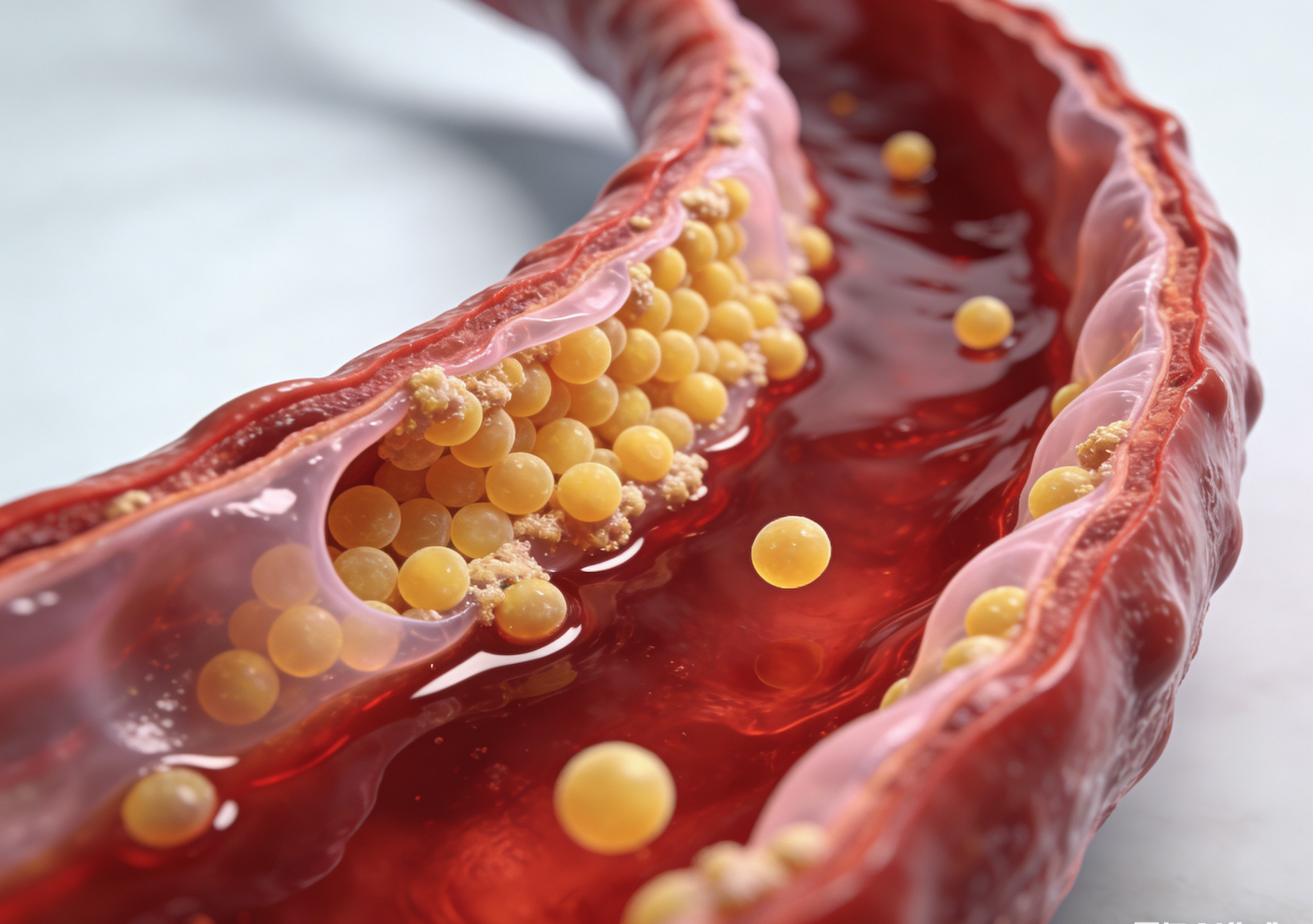
Analysis of diagnostic criteria, classification, and eleven high-risk groups for hyperlipidemia
This article details the diagnostic values for four key blood lipid indicators and analyzes four types of hyperlipidemia, including high cholesterol and high triglycerides. It also outlines eleven high-risk groups prone to hyperlipidemia, including those with a family history of the condition and those who are obese, to help you scientifically assess your own blood lipid health risks.
2026-03-09
The Dangers of Hyperlipidemia and its Three-Tier Prevention: A Comprehensive Analysis and Coping Strategies
This article details the serious harm that hyperlipidemia causes to multiple systems, including the heart, brain, and pancreas, emphasizing the importance of controlling blood lipids. It also systematically introduces the core measures for the three levels of prevention of hyperlipidemia, including drug therapy and lifestyle interventions, guiding patients to scientifically manage their blood lipid levels and prevent cardiovascular and cerebrovascular complications.
2026-03-09
Leeks help lower blood pressure, blood sugar, and cholesterol: A comprehensive analysis of their medicinal effects and delicious recipes.
This article provides a detailed analysis of the volatile essential oils and other components in chives, explaining how they can help control high blood pressure, high cholesterol, and high blood sugar by regulating blood pressure and promoting metabolism. It also offers dietary remedies for diabetes and constipation, and includes two practical recipes: stir-fried chives with shrimp, providing a scientific dietary management plan for these conditions.
2026-03-05