
The Dangers of Hyperlipidemia and its Three-Tier Prevention: A Comprehensive Analysis and Coping Strategies
The Dangers of Hyperlipidemia
Numerous studies have shown that hyperlipidemia is a risk factor for stroke, coronary heart disease, myocardial infarction, and sudden death. Furthermore, hyperlipidemia is also a significant risk factor for hypertension, impaired glucose tolerance, and diabetes. Hyperlipidemia can also lead to fatty liver, cirrhosis, gallstones, pancreatitis, retinal hemorrhage, blindness, peripheral vascular disease, claudication, and hyperuricemia. Therefore, the dangers of hyperlipidemia must be taken very seriously, and active prevention and treatment are essential.
Hyperlipidemia is a major risk factor for atherosclerotic diseases in humans. Common atherosclerotic diseases include coronary heart disease (including myocardial infarction and angina pectoris), sudden death, and peripheral vascular thromboembolic diseases. These cardiovascular and cerebrovascular diseases have a high incidence rate, are highly dangerous, and progress rapidly, accounting for about half of all human deaths.
Three Levels of Prevention for Hyperlipidemia
The three levels of prevention for hyperlipidemia can be divided into population prevention and individual prevention. Here, we mainly discuss individual prevention of hyperlipidemia.
Drug Treatment
Drug treatment has seen significant progress in recent years, both with Western and traditional Chinese medicine. This book has a dedicated chapter discussing this, so it will not be elaborated upon here.
Appropriate exercise is essential alongside dietary and drug treatments; we must not forget to maintain regular physical exercise.
Tertiary prevention is crucial for the active prevention and treatment of complications such as coronary heart disease, pancreatitis, and cerebrovascular disease.

Insulin Therapy Guidelines: Applicable Population and Early Intervention
Insulin is a crucial tool for controlling blood sugar. This article details the suitable populations for insulin use, its adverse reactions, and the advantages of early use, helping diabetic patients choose the right insulin treatment plan and effectively manage their blood sugar.
2026-03-24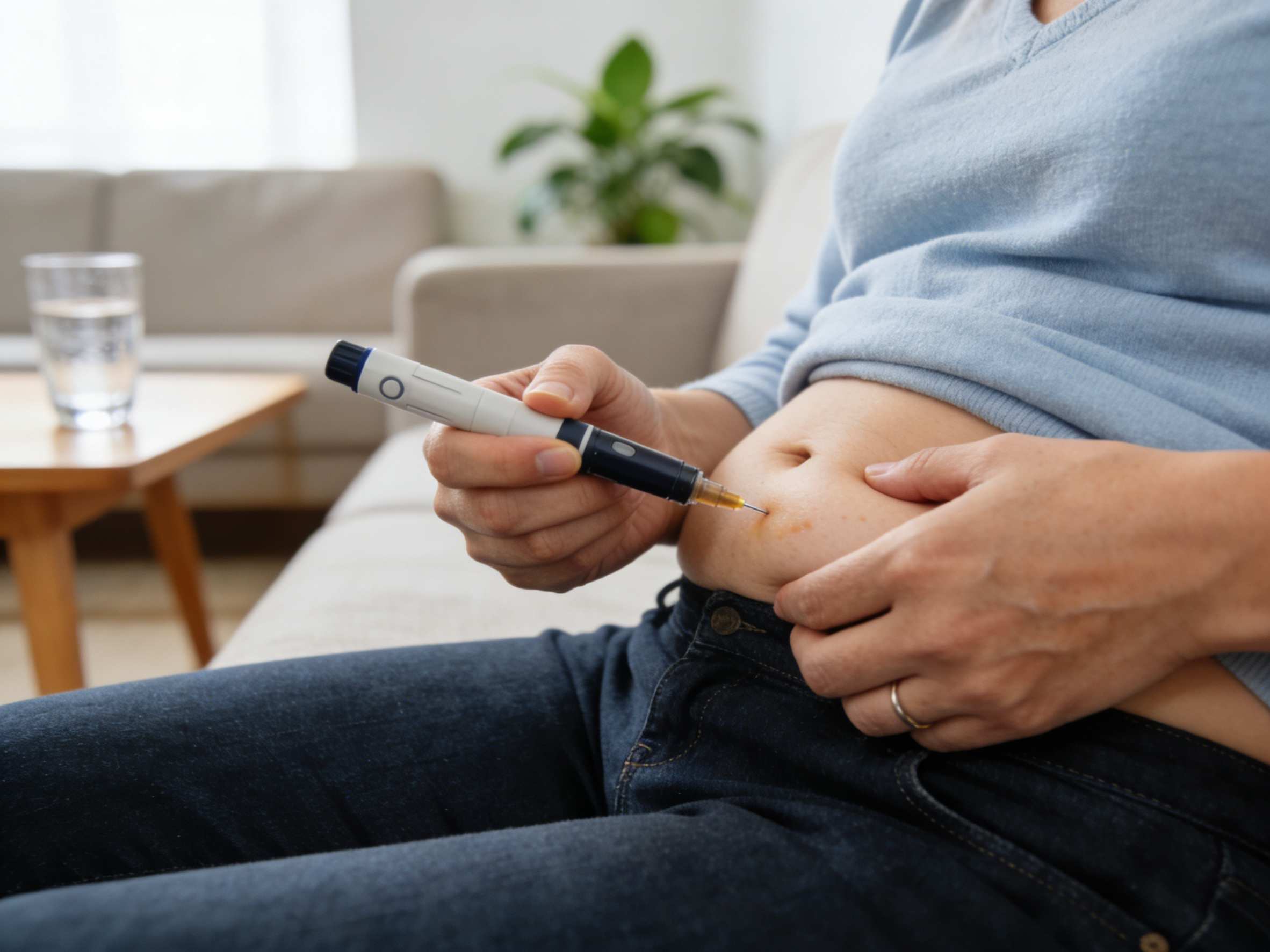
Insulin replacement therapy: When to initiate and blood glucose management
Insulin replacement therapy is an important means of controlling blood sugar. This article details the applicable situations, injection techniques, and management of hypoglycemia associated with insulin replacement therapy, helping diabetic patients manage their blood sugar scientifically.
2026-03-24
Special populations with diabetes and management of complications: Contraindications for medication in the elderly
This article provides precise clinical medication guidance for elderly patients with diabetes and those with serious comorbidities. It emphasizes that the elderly should avoid high-risk medications such as glibenclamide and glibenclamide, and instead choose more stable treatment options.
2026-03-24