
Weight Loss and Stress Relief: Simple Home Exercises and Wellness Guide for People with Hypertension
Work Breaks and Body Movements: Relaxing and Relieving Fatigue
(1) Hip Movement
Adjusting the balance of the waist and pelvis can eliminate tension and help lower blood pressure. The patient sits on the ground, legs extended, hands stretched forward in front of the chest, and moves the hips forward in coordination with the hands and feet. Start by moving forward 2-3 meters, gradually increasing the speed; 10 meters in 1.5 minutes is optimal. Practice 1-2 times daily to lower blood pressure.
(2) Ankle Rotation
Patients with hypertension often experience varying degrees of ankle stiffness. Regularly rotating the ankles can stimulate acupoints on the feet, promoting blood circulation and lowering blood pressure. Sit cross-legged on the bed or chair, grasp the left toes with the right hand and the right toes with the left hand, rotating 30-40 times to each side. Perform this once in the morning and once in the evening, with better results after washing the feet. Note that rotations should be slow and gentle to avoid ankle sprains. (3) Abdominal Breathing: This method helps avoid tension, eliminate fatigue, and relax the mind and body, relieving sympathetic nerve excitation and lowering blood pressure. Patients with mild hypertension can use abdominal breathing to lower blood pressure. Lie supine on the bed, gently cross your hands over your abdomen, and consciously slide your hands up and down in coordination with your breathing. When exhaling, the abdomen contracts and the hands slide down; when inhaling, the abdomen rises and the hands slide down. Initially, breathe 7-8 times per minute. After getting used to it, you can hold your breath after inhalation, and gradually reduce the breathing rate to 4-5 times per minute. Do this once in the morning and once in the evening, for 5 minutes each time. Persistence will lower blood pressure.
(4) Toe Steps and Cross Steps: "Toe steps" and "cross steps" can stimulate acupoints on the feet, regulating the autonomic nervous system, thereby achieving a blood pressure-lowering effect. You can do "toe steps" or "cross steps" at home for 5-10 minutes each time, 2-3 times a day. Consistent practice will lower blood pressure. ① Toe Walking: This can be done indoors or outdoors. Lift your heels and walk on your toes. This burns more calories than normal walking and also exercises the rarely used toe joints, improving blood circulation in the feet and helping to lower blood pressure.
② Cross-Stepping: Stand with your back against a wall and move laterally along the wall. Towards the left, cross your right foot in front of your left, then step forward with your left foot, repeating this motion. To the right, cross your left foot in front of your right, then step forward with your right foot, repeating this motion. Cross-stepping burns more calories than normal walking and is beneficial for blood circulation.
Walking on Cobblestones: Foot Massage for Lowering Blood Pressure
Walking on cobblestones is an external treatment method for the feet, belonging to foot massage therapy. In China, this fitness method has a history of nearly two thousand years. Repeatedly stimulating acupoints on the feet with the tip of a pebble can directly stimulate acupoints corresponding to internal organs, calming the liver, reducing internal heat, and tonifying the kidneys; it can also guide Qi along the meridians to the liver and kidneys, harmonizing Yin and Yang, relieving dizziness, and treating headaches. The feet have a close internal-external relationship with the body's internal organs. Each organ has a specific distribution area and reflex zone on the feet. Stimulating a certain area of the foot can affect the corresponding organ, strengthening visceral activity. Walking on pebbles can unblock meridians, regulate internal organs, calm the liver, lower blood pressure, accelerate blood circulation, dilate blood vessels, and lower blood pressure. Therefore, it has a good blood pressure-lowering effect for patients with grade 1 and 2 hypertension.
Studies have shown that walking on pebbles for half an hour daily for four months can significantly lower blood pressure and improve physical stability and coordination. Research suggests that regular walking on pebbles, stimulating and massaging the soles of the feet, can strengthen muscles and bones, enhance nerve sensitivity, and promote blood circulation. Traditional Chinese medicine believes that the feet are closely connected to the five internal organs through meridians. The three Yin meridians of the foot originate in the foot, and the three Yang meridians of the foot terminate in the foot. The three Yin and three Yang meridians of the hand connect with their corresponding meridians in the foot through an exterior-interior relationship. The soles of the feet are rich in acupoints. The relationship between the acupoints of the foot and the human body is like that of a child lying supine on the sole of their foot, head towards the heel, buttocks towards the toes, with the internal organs distributed in the middle of the plantar surface. Traditional Chinese medicine considers hypertension to fall under the categories of "dizziness" and "headache," with common causes being liver fire, phlegm-heat, and kidney deficiency. Treatment should focus on calming the liver, suppressing yang, clearing fire, and tonifying the kidneys. Guiding qi along the meridians can also treat hypertension. Thus, the health benefits of walking on pebbles in lowering blood pressure can be understood.
There are several ways to walk on pebbles: barefoot on an uneven pebble path, such as stepping, jumping, jogging, or strolling; filling a cloth bag with pebbles, laying it flat on the ground, and repeatedly stepping on it barefoot; or making a pebble-cement slab from selected pebbles and walking on it barefoot. Generally, each session should last about 15 minutes, 1-2 times daily. In winter, wear socks or soft-soled shoes while dancing; avoid getting cold when dancing barefoot.
Seven things to avoid when dancing for people with hypertension:
(1) Avoid vigorous dancing: Elderly people have poor blood vessel elasticity; vigorous dancing can over-excite the sympathetic nervous system, leading to rapid breathing, increased heart rate, and a sudden rise in blood pressure, which can exacerbate hypertension.
(2) Avoid dancing in crowded places: Choose a well-ventilated dance floor with fewer people.
(3) Avoid dancing on a full stomach: Dancing on a full stomach can lead to gastrointestinal problems.
(4) Avoid getting chilled while dancing: Because dancing can cause sweating and thirst, avoid removing clothing unnecessarily when dancing in the morning or evening to prevent catching a cold and developing other illnesses; also avoid consuming too many cold drinks to prevent illness caused by low-temperature stimulation.
(5) Avoid wearing hard-soled shoes. Dance floors are smooth, and wearing hard-soled shoes increases the risk of slipping, sprains, or fractures. Hard-soled shoes also have poor elasticity, resulting in greater ground reaction force, which can damage calf tendons and joints.
(6) Avoid dancing after drinking alcohol. Alcohol stimulates the brain, increasing heart rate and dilating blood vessels. Dancing after drinking can easily trigger angina and cerebrovascular diseases.
(7) Avoid dancing when ill. Dancing can easily lead to increased blood pressure in people with cardiovascular diseases. Those with hernias, gastroptosis, or rectal prolapse may experience worsened symptoms from dancing; elderly people with otogenic vertigo or cervical spondylosis are prone to falls, and in severe cases, fractures may occur.
Hypertensive patients should be cautious about winter swimming.
Winter and early spring are peak seasons for hypertension. Starting in late autumn, blood vessels constrict due to the stimulation of cold air, leading to increased blood pressure. Therefore, hypertensive patients should be cautious about winter swimming. People's blood vessels have varying elasticity, and their pressure tolerance differs. Similarly, when exposed to cold stimuli, some people may experience life-threatening situations, others may suffer a stroke, while others remain unharmed.
Most patients with hypertension are older, and their cerebral blood vessels have varying degrees of hardening, often accompanied by high blood lipids. Therefore, patients with hypertension should adapt to changes in nature to protect themselves. Since winter swimming can raise blood pressure, patients with hypertension should choose other sports. Even if they choose to participate in winter swimming, it should be under the guidance of a doctor, with regular blood pressure monitoring to prevent accidents.
"The Three Highs" (hypertension, hyperlipidemia, and hyperglycemia) require self-cultivation; enjoy music, chess, calligraphy, and painting.
Patients with "the three highs" should focus on self-cultivation, constantly adjusting their mental state and maintaining a cheerful mood. They should arrange their lives according to different interests and hobbies, such as listening to crosstalk, music, watching plays, playing chess, appreciating flowers, composing poetry, painting, planting flowers, raising birds, and fishing, to cultivate their character. A balance of activity and stillness is essential for maintaining physical and mental health, stabilizing their condition, and promoting recovery.
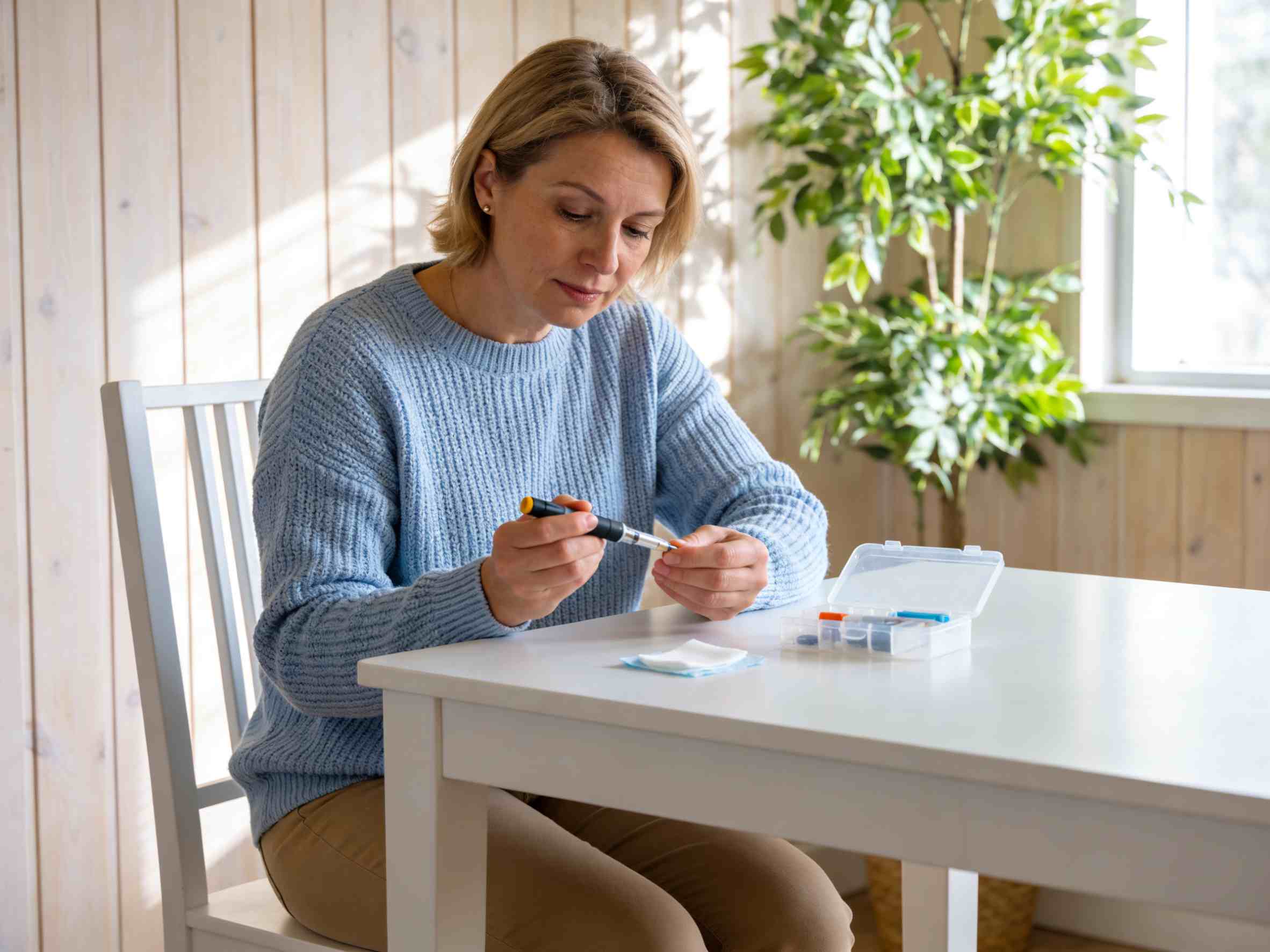
Insulin Therapy Guidelines: Applicable Population and Early Intervention
Insulin is a crucial tool for controlling blood sugar. This article details the suitable populations for insulin use, its adverse reactions, and the advantages of early use, helping diabetic patients choose the right insulin treatment plan and effectively manage their blood sugar.
2026-03-24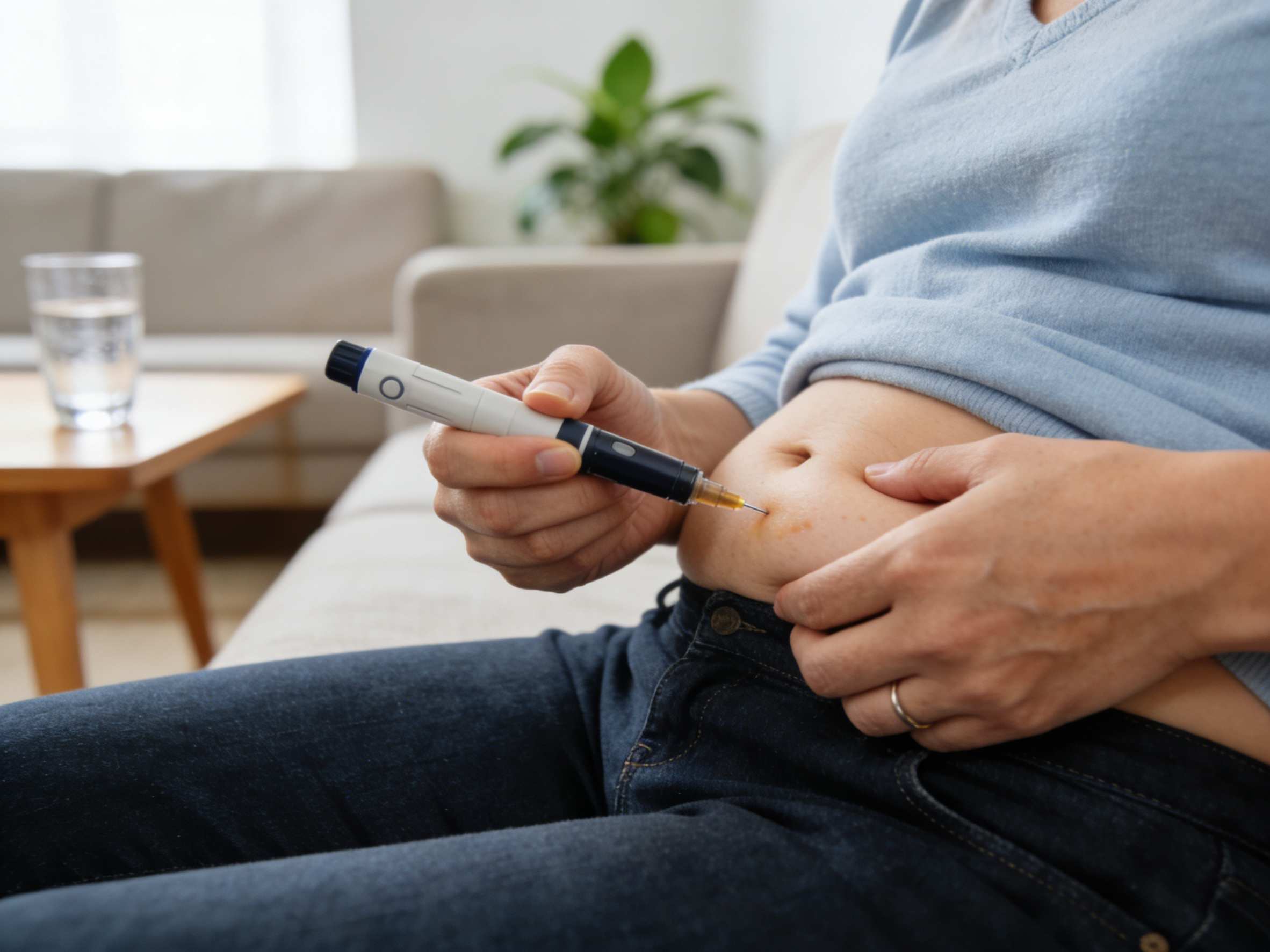
Insulin replacement therapy: When to initiate and blood glucose management
Insulin replacement therapy is an important means of controlling blood sugar. This article details the applicable situations, injection techniques, and management of hypoglycemia associated with insulin replacement therapy, helping diabetic patients manage their blood sugar scientifically.
2026-03-24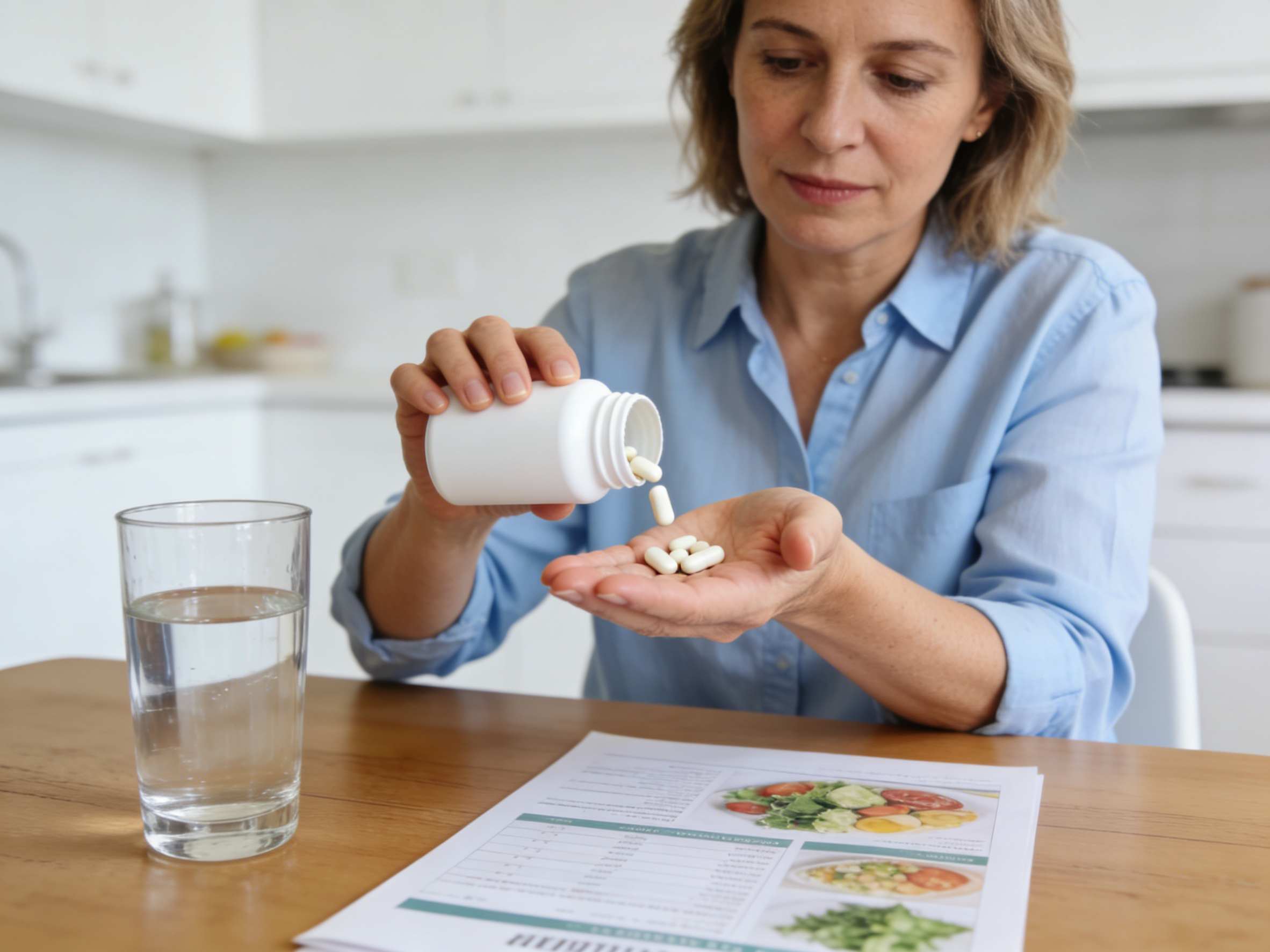
Special populations with diabetes and management of complications: Contraindications for medication in the elderly
This article provides precise clinical medication guidance for elderly patients with diabetes and those with serious comorbidities. It emphasizes that the elderly should avoid high-risk medications such as glibenclamide and glibenclamide, and instead choose more stable treatment options.
2026-03-24