
A Comprehensive Guide to Non-Drug Treatments for Hypertension: A Balanced Diet and Blood Pressure Control
What are the effects of non-pharmacological treatments for hypertension?
Because of the numerous risk factors mentioned above that affect atherosclerosis and cardiovascular and cerebrovascular diseases, the treatment of hypertension should not be limited to the use of antihypertensive drugs. Comprehensive intervention of the aforementioned reversible risk factors is also necessary to minimize the overall risk of cardiovascular disease and death. The role of lifestyle modifications in reducing blood pressure and cardiovascular disease risk is widely recognized, and all patients should adopt the following measures. The blood pressure-lowering effects of these measures are roughly as follows:
(1) How to achieve a reasonable diet and control weight: For adults, diet provides the calories we consume daily and the nutrients needed for tissue metabolism and repair. Under current living conditions, malnutrition is basically nonexistent; the main problem is excessive intake, leading to nutritional and calorie surplus, resulting in widespread overweight and obesity.
For overweight and obese individuals, it is necessary not only to control total food intake but also to reduce the intake of fatty foods and animal organs. At the same time, it is essential to ensure sufficient exercise to burn off the daily calorie intake in order to achieve the goal of not gaining weight, or even losing weight.
Fresh vegetables and fruits provide the vitamins and minerals the body needs daily, and contain very few calories, so they should be eaten frequently. An ideal daily intake is 400-500 grams of fresh vegetables and 100 grams of fruit.
Eggs, especially egg yolks, are rich in cholesterol, so 3-4 per week is appropriate. Sugars and sweets are high in calories and should be consumed sparingly. Dairy products provide high-quality protein, are rich in calcium, and are low in cholesterol; it is recommended to consume at least 250 grams daily.
(2) The meaning of appropriate exercise: First, it is essential to maintain moderate-intensity exercise 3-5 times per week, for at least 30 minutes each time. The form of exercise can be chosen flexibly according to personal preference and conditions. Walking, brisk walking, jogging, swimming, etc., are all acceptable. The intensity of exercise can be reflected by heart rate. The upper limit for exercise time is heart rate = 170 - age. When exercising, even if the person does not have serious cardiovascular disease, they should exercise within their limits and gradually increase the intensity. Stop when you feel tired or lack strength; do not overexert yourself to achieve a certain goal. If you have cardiovascular or cerebrovascular disease, exercise should be conducted under the guidance of a physician.
(4) How to reduce sodium intake: The "Guidelines for the Prevention and Treatment of Hypertension in China" recommends that adults consume less than 6 grams of salt per day, while the WHO recommends less than 5 grams. High salt intake is a significant factor contributing to hypertension in the Chinese population. Therefore, reducing salt intake can greatly reduce the incidence of hypertension. For patients who already have hypertension, reducing salt intake has a blood pressure-lowering effect. Even if it doesn't reach the point where medication is no longer necessary, the dosage will be reduced accordingly, making it easier to lower blood pressure.
If someone consumes a lot of salt, they may find food tasteless when reducing their salt intake. In reality, a person's sense of taste is a gradual adaptation process. As long as you maintain a low-salt diet, you will gradually stop feeling that low-salt food is tasteless. This may lead to an inability to adapt to a high-salt diet. The amount of salt consumed is largely a matter of habit. Developing a low-salt diet is crucial for preventing and treating hypertension.
The main sources of salt in daily life are cooking salt and pickled, marinated, and fermented foods. Therefore, one should minimize consumption of these high-salt foods and control salt intake to below 6 grams per day.
To reinforce the concept of low-salt hygiene, the Beijing Municipal Health Bureau has provided each household with a free 6-gram salt spoon. If you don't have a concrete idea of what 6 grams of salt means, fill a regular beer bottle cap horizontally after removing the rubber seal; that's 6 grams of salt.
If you find a low-salt diet tasteless, you can use low-sodium salt instead.
(5) How to limit and control alcohol consumption: Studies show that small amounts of alcohol may reduce the risk of coronary heart disease, but there is a linear relationship between alcohol consumption and blood pressure levels and the prevalence of hypertension, and excessive alcohol consumption can induce cardiovascular and cerebrovascular events. Therefore, using small amounts of alcohol to prevent coronary heart disease is not recommended. People with high blood pressure should abstain from alcohol.
If abstaining from alcohol is difficult, daily alcohol consumption should be controlled. The standard is that for men, the ethanol content should not exceed 30 grams, which translates to no more than 25-50 ml of spirits, no more than 250-500 ml of beer, and no more than 100-150 ml of wine. High-proof spirits are discouraged.
The WHO's advice on alcohol: The less alcohol, the better.

Lower blood lipid levels aren't always better: Ideal levels and scientific exercise guidelines.
This article analyzes the health risks associated with low blood lipid levels and reveals the ideal blood lipid ranges for different populations. It emphasizes the crucial importance of scientifically managing blood lipid levels and maintaining a healthy balance. Regular aerobic exercise can effectively regulate blood lipid levels, maintain cardiovascular health, and prevent the potential harm caused by indiscriminate lipid-lowering practices.
2026-03-12
Scientific Exercise Program and Psychological Adjustment Guidelines for Patients with Hyperlipidemia
This article provides detailed fitness plans and psychological adjustment guidelines for patients with hyperlipidemia. It emphasizes the crucial role of scientific exercise in regulating blood lipids and introduces specific methods for aerobic exercises such as walking. It also guides patients in adjusting their mindset to build confidence in long-term blood lipid management, thereby achieving dual improvements in both physical and mental health.
2026-03-12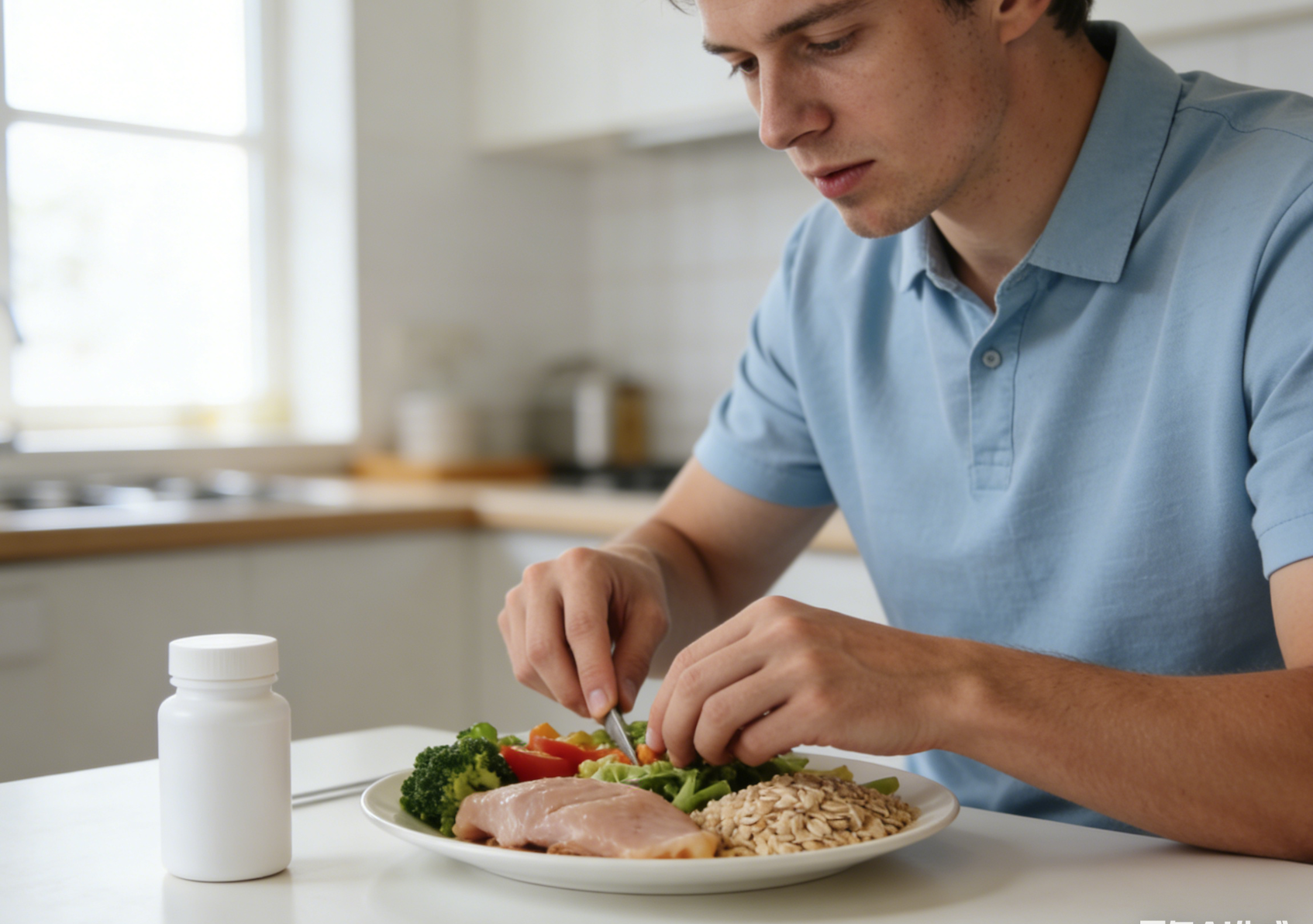
A Scientific Guide to Choosing Medications for Patients with High Cholesterol: A Comprehensive Analysis of Commonly Used Lipid-Lowering Drugs
This article provides a detailed explanation of commonly used lipid-lowering medications for patients with hyperlipidemia, focusing on the mechanisms of action and target populations of statins. It aims to help patients understand how different medications regulate blood lipid levels, providing a reference for the scientific selection of lipid-lowering drugs and enabling safe and effective lipid management.
2026-03-12