
A Comprehensive Analysis of Vascular Plaque Progression and Key Points for Summer Myocardial Infarction Prevention
The progression of vascular plaques:
I. Formation of coronary artery fatty streaks in adolescence: Spot-like yellow lipid deposits appear in the middle of the coronary artery intima. This stage is called the coronary artery fatty streak stage. Many patients experience this symptom as early as age 18. If not controlled in time, the lipid deposits will advance to the next stage, forming fatty plaques.
II. Formation of coronary artery plaques: The coronary artery fatty streak stage has no obvious symptoms and is easily overlooked by young people, allowing it to develop unchecked. With age, unhealthy lifestyle habits such as smoking, drinking alcohol, consuming high-fat and high-salt foods, and staying up late, among other factors, work together to gradually form vascular plaques.
Vascular plaque formation takes decades, while myocardial infarction can occur in just seconds. When a person is under extreme emotional stress, overwork, exertion, or other stressful conditions, the vascular plaque can rupture instantly, forming a thrombus that blocks the lumen of the coronary artery, leading to myocardial infarction and claiming the patient's life.
Many patients may believe that winter is the peak season for myocardial infarction, while summer is relatively safe. This is not the case; the hottest days of summer (the "dog days") are also a high-risk period for acute myocardial infarction. Because of the high temperatures and low air pressure in summer, especially during the dog days, the body sweats profusely, causing blood concentration and excitation of the sympathetic nervous system, which can easily lead to increased heart rate and hypercoagulability. Inappropriate methods of cooling down, such as excessive air conditioning, direct fan blowing, drinking large amounts of cold drinks, or taking cold showers, can easily lead to plaque rupture in blood vessels and acute myocardial infarction. Below, Dr. Zhou introduces six points to note for preventing myocardial infarction.
Point 1: Pay attention to changes in indoor and outdoor temperature. For patients with cardiovascular disease, the optimal indoor temperature is generally between 26℃ and 28℃, and the temperature difference between indoors and outdoors should ideally be less than 6℃. If the outdoor temperature is >35℃, it is recommended that patients stop outdoor activities and take cooling measures, such as using air conditioning or fans, but avoid having the fan blowing directly on you.
Note 2: Summer days are long and nights are short, and the weather is hot. Many people like to eat late, and many patients go to sleep immediately after eating, which is not a good habit. First, a full stomach and intestines contain a lot of food, and lying down prolongs the time food stays in the digestive system, hindering digestion and potentially leading to weight gain in some people. Second, after meals, as nutrients are absorbed into the bloodstream, blood viscosity increases, which can easily lead to blood clots, even causing myocardial infarction or stroke, especially for some cardiovascular disease patients and the elderly.
Note 3: Proper Showering is Important
1. When you are sweating profusely, it is recommended to dry yourself before showering;
2. The water temperature should be moderate, avoiding water that is too cold or too hot;
3. Shower time should not be too long;
4. Good ventilation is recommended.
Note 4: Sufficient Sleep is Essential
The summer heat often leads to poor sleep quality for many patients, which creates a risk factor for cardiovascular disease. If you have poor sleep quality, you can consult a professional doctor at the hospital for treatment to improve your sleep, or you can compensate for insufficient nighttime sleep with a nap. Note 5: Replenish fluids frequently. Patients with cardiovascular disease should carry sufficient drinking water when going out, preferably warm water, and avoid drinking large amounts of iced beverages. Replenish fluids promptly when sweating heavily, drinking small amounts frequently. For patients without heart failure, it is recommended to drink 2000-2500 mL of water daily.

Skin abnormalities and driving safety: Diabetic patients need to be alert to blood sugar signals
This article explains possible early skin abnormalities in people with diabetes and reminds them to pay attention to driving safety. Understanding these symptoms helps in timely blood sugar monitoring, and managing blood sugar levels is crucial for preventing complications and ensuring driving safety.
2026-02-27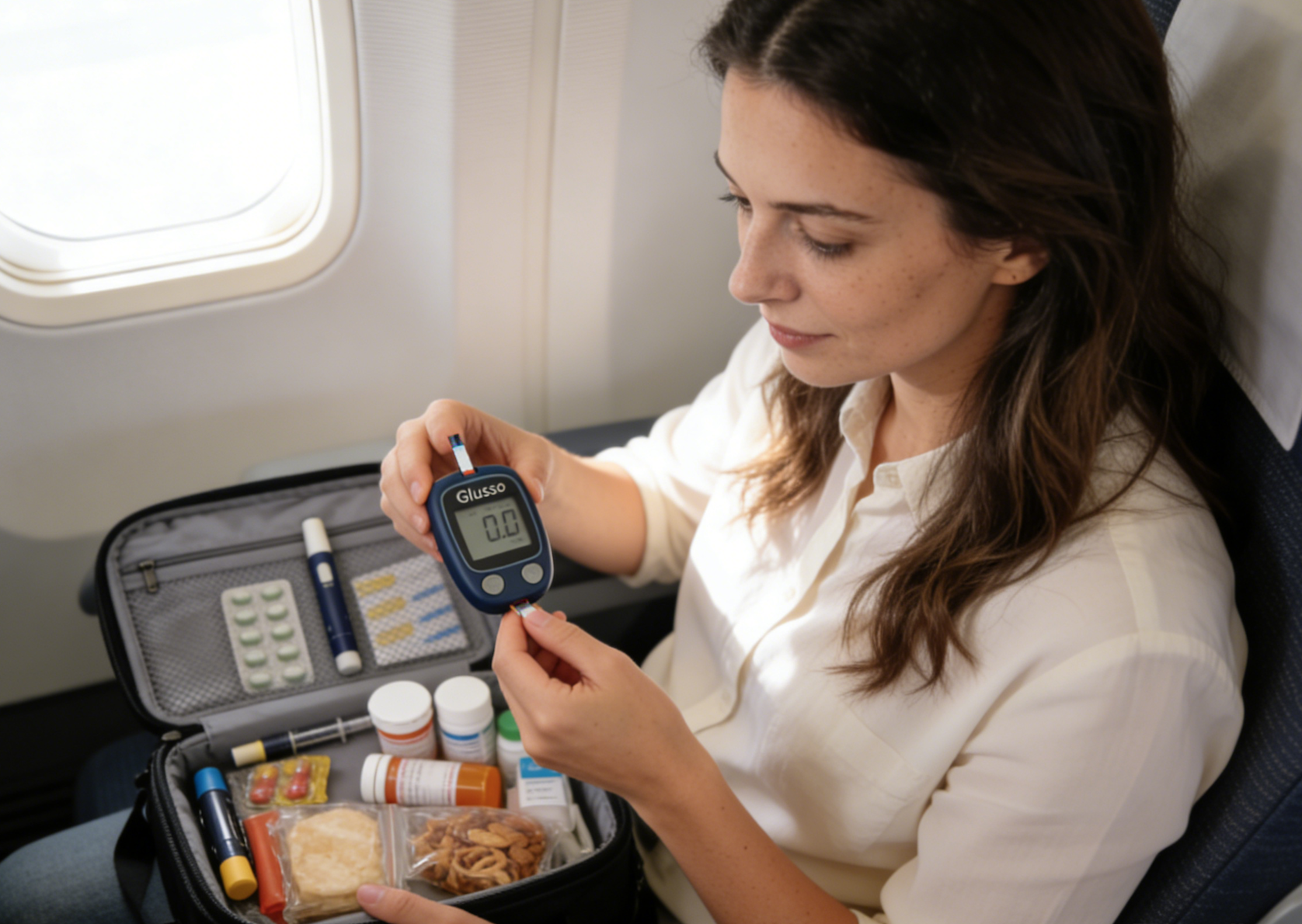
Essential Guide for Diabetics on Business Trips: How to Manage Blood Sugar and Travel Safely
This article provides a comprehensive guide for diabetic patients preparing for business trips, including pre-trip checks, medication carrying and storage, blood glucose monitoring, and managing hypoglycemia. It helps patients effectively manage their blood sugar during their travels, ensuring stable blood sugar levels and travel safety.
2026-02-27
Essential Guide for Diabetics on Business Trips: How to Manage Blood Sugar and Travel Safely
This article provides a comprehensive guide for diabetic patients preparing for business trips, including pre-trip checks, medication carrying and storage, blood glucose monitoring, and managing hypoglycemia. It helps patients effectively manage their blood sugar during their travels, ensuring stable blood sugar levels and travel safety.
2026-02-27