
Analysis of contraindications for cholesterol-lowering treatment and common misconceptions about health supplement alternatives
Avoid blindly pursuing cholesterol-lowering treatment: Because lipid-lowering drugs are metabolized in the liver, they can exacerbate liver damage. Therefore, patients with active hepatitis are not suitable for taking cholesterol-lowering drugs.
Atherosclerosis is a relatively slow process. Discontinuing lipid-lowering drugs for a certain period has a negligible negative impact on the long-term effects of treating primary hypercholesterolemia. Furthermore, cholesterol and other products of its biosynthesis are essential components for fetal development, including steroid and cell membrane synthesis. It is worth noting that statins, while reducing cholesterol biosynthesis, also reduce other products of the cholesterol biosynthesis pathway. Pregnant women taking these lipid-lowering drugs may potentially harm the fetus. Therefore, pregnant or breastfeeding women should not take cholesterol-lowering drugs; discontinuing their use is far more beneficial than harmful.
Whether lipid-lowering drugs and their metabolites are secreted in human breast milk is currently lacking research, and there is no sufficient theoretical or evidentiary support. Given that many drugs are secreted in human breast milk, and considering the potential side effects of lipid-lowering drugs, breastfeeding women are also not suitable for taking them.
It is obvious that not all patients with coronary heart disease are suitable for cholesterol-lowering treatment. For elderly patients in their seventies, those with chronic congestive heart failure, dementia, advanced cerebrovascular disease, or active malignant tumors, lipid-lowering treatment has significant drawbacks.
Avoid using health supplements as a substitute for regular treatment: Patients often ask in the clinic, "Doctor, is it enough for me to just take deep-sea fish oil or ginkgo biloba? How much more effective are they compared to those Chinese and Western medicines?" While it's undeniable that deep-sea fish oil is rich in various unsaturated fatty acids and can have a certain lipid-lowering effect, it should be clear that this lipid-lowering effect varies depending on the type of hyperlipidemia. It mainly lowers triglyceride levels, but under its influence, hypercholesterolemia can become quite severe. Other health supplements such as ginkgo biloba and garlic oil also have rather slow effects. Taking ginkgo biloba as an example, the content of ginkgo biloba varies in products from different production channels, and most require long-term use to achieve some lipid-lowering effect, and even then, the effect is not significant. It is clear that lipid-lowering health products can only be used as an adjunct to treatment. Patients should not blindly believe in their efficacy, and it would be unwise to abandon regular lipid-lowering treatment.

Analysis of kiwifruit's effects on regulating blood pressure, blood sugar, and cholesterol: improving blood circulation and preventing thrombosis.
This article details how kiwifruit, through its vitamin C and arginine components, helps lower cholesterol and triglycerides, improves blood circulation, and prevents thrombosis, thus aiding in the control of "three highs" (high blood pressure, high blood sugar, and high cholesterol). It is suitable for people with these conditions and provides healthy recipes such as kiwifruit honey drinks.
2026-03-06
Chestnuts help regulate blood pressure, blood sugar, and cholesterol: Two healthy recipes for maintaining healthy blood vessels.
This article details how chestnuts, through their vitamin C, potassium, and dietary fiber, can help promote sodium excretion and lower blood lipids, thus regulating "the three highs" (high blood pressure, high blood sugar, and high cholesterol). It provides dietary guidance for controlling these conditions and includes two delicious recipes: braised baby bok choy with chestnuts and chestnut porridge, to help people with these conditions consume them scientifically.
2026-03-06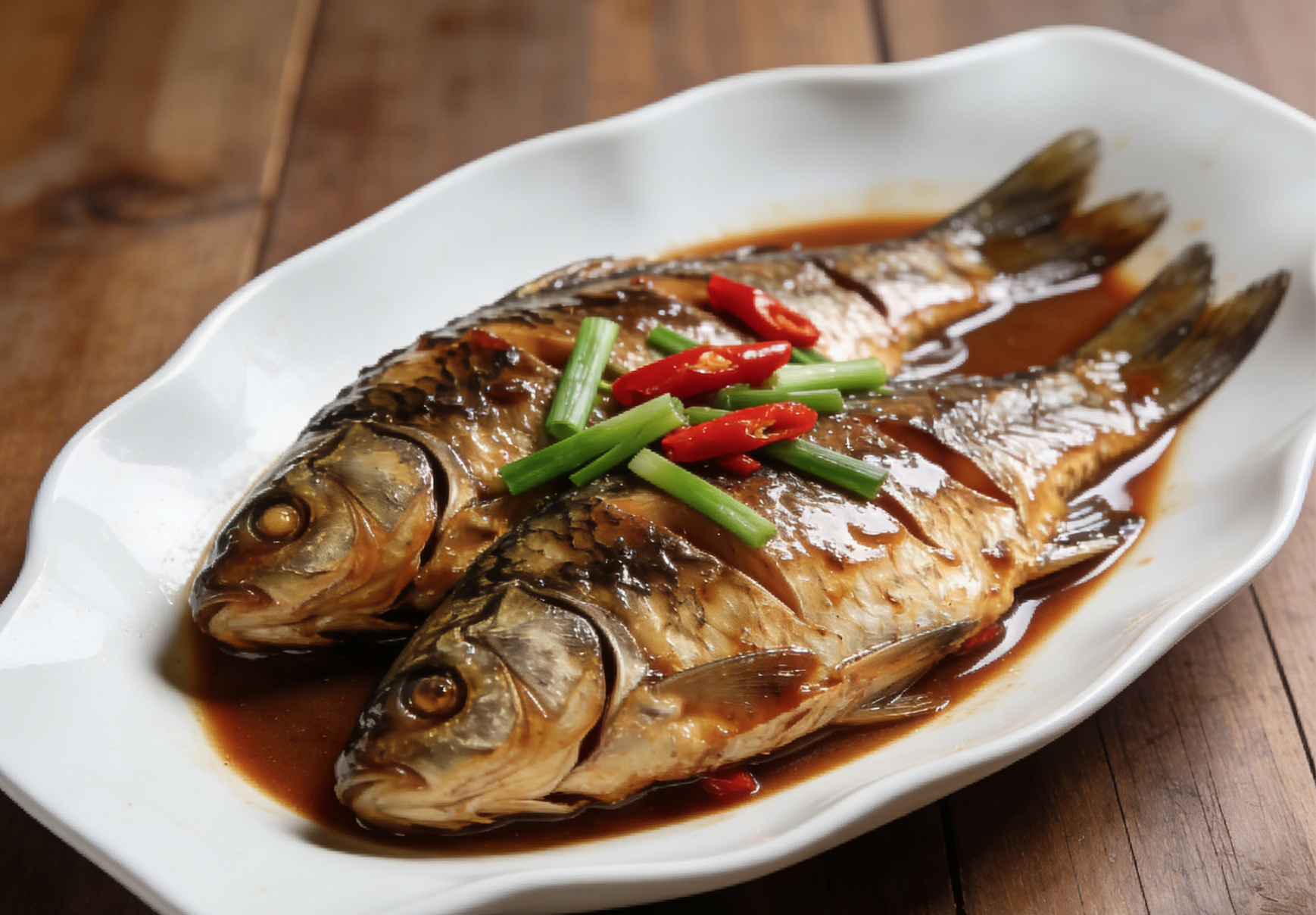
Detailed Explanation of Braised Crucian Carp and Grass Carp with Tofu: A Healthy Recipe and Its Benefits in Regulating High Blood Pressure, High Blood Sugar, and High Cholesterol
This article provides a detailed analysis of the nutritional components of crucian carp and its effects on lowering blood pressure, blood sugar, and cholesterol, including how its high-quality protein reduces cholesterol and blood sugar. It also offers healthy recipes such as braised grass carp with tofu and steamed crucian carp with wood ear mushrooms, providing dietary references for people with these conditions and aiding in health management.
2026-03-06