
How does high blood lipid levels cause hearing loss? A scientific guide to managing lipid levels and protecting your hearing.
Patients with High Blood Lipids Should Prevent Hearing Loss
High blood lipids may lead to hearing loss.
There are many causes of hearing loss in middle-aged and elderly people. In recent years, experts have found that high blood lipids are also an important cause of hearing loss in this population.
Why are elderly people with high blood lipids prone to hearing loss? This is because high blood lipids can cause lipid deposition in the inner ear, increased lipid peroxidation, directly leading to inner ear cell damage and vascular atrophy, thus causing age-related hearing loss. In addition, in patients with high blood lipids, increased blood viscosity and platelet aggregation are prone to atherosclerosis. The inner ear arteries have no collateral circulation, resulting in slow blood flow and insufficient blood supply, all of which can cause microcirculation perfusion disorders in the inner ear, thereby affecting hearing.
Patients with high blood lipids should prevent hearing loss.
Elderly patients with high blood lipids should actively treat their condition and eat less high-fat and high-cholesterol foods. This not only helps prevent atherosclerosis but is also very beneficial in preventing age-related hearing loss. Walnuts, pine nuts, hazelnuts, and other plant fats contain polyunsaturated fatty acids, which can lower blood cholesterol, so regular consumption helps prevent age-related hearing loss, especially in those with high blood lipids. Blood pressure measurement is one of the best methods to check and evaluate the effectiveness of antihypertensive treatment. After obtaining satisfactory results from occasional clinical blood pressure measurements, it is best to use 24-hour ambulatory blood pressure monitoring to determine whether blood pressure is stable.
Hypertensive patients should take medication for life. While taking medication, they should also pay attention to lifestyle changes, such as quitting smoking, limiting salt and alcohol intake, and maintaining regular exercise. Although currently available antihypertensive drugs have varying degrees of side effects, long-term use is generally safe.
This is very effective for elderly patients. Fish oil, especially the fats contained in certain marine organisms, is also rich in polyunsaturated fatty acids, which can not only lower blood cholesterol but also adjust the balance of prostaglandins and thromboxane A₂, thereby inhibiting platelet aggregation.
Therefore, when middle-aged and elderly people experience hearing loss, they should not always assume it is a natural part of aging; they should remember to have their blood lipids checked. For hearing loss caused by high blood lipids, if the blood lipids are well controlled after appropriate treatment, the progression of hearing loss can be effectively slowed down.

Two key points for diet for people with high blood sugar: choosing health supplements carefully and enjoying meals.
This article reminds patients with high blood sugar to choose health supplements carefully and avoid believing exaggerated claims. It also emphasizes that maintaining a pleasant mood during meals helps stabilize blood sugar. These two key points are crucial aspects of dietary management and are essential for helping control blood sugar levels.
2026-03-05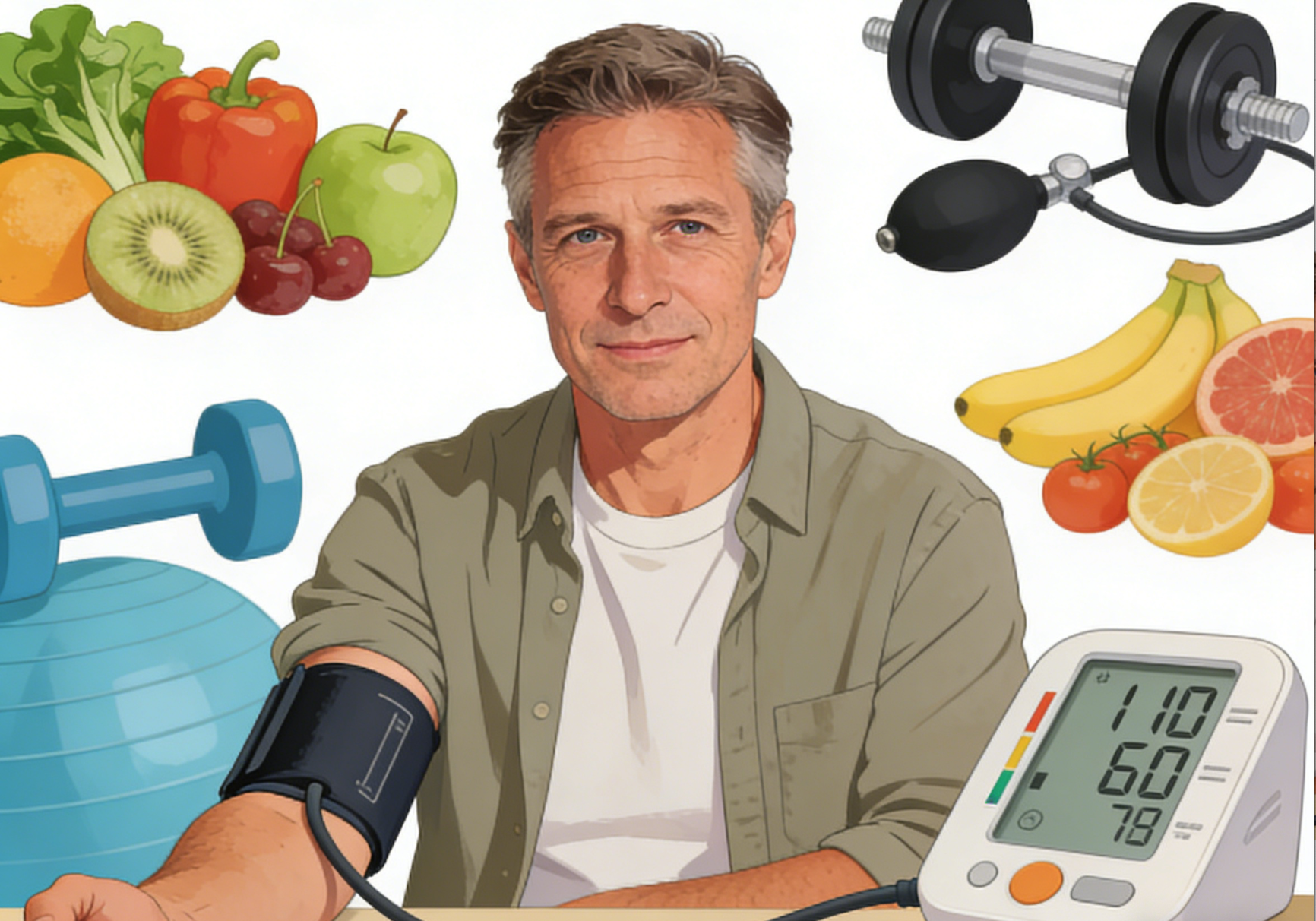
Analysis of the six major causes of hypertension: How to control blood pressure by improving lifestyle habits
This article provides a detailed analysis of six major unhealthy lifestyle habits that contribute to high blood pressure, including obesity, a high-salt diet, and lack of exercise. Improving these habits is the cornerstone of blood pressure control and helps to effectively lower and stabilize blood pressure levels in the long term.
2026-03-04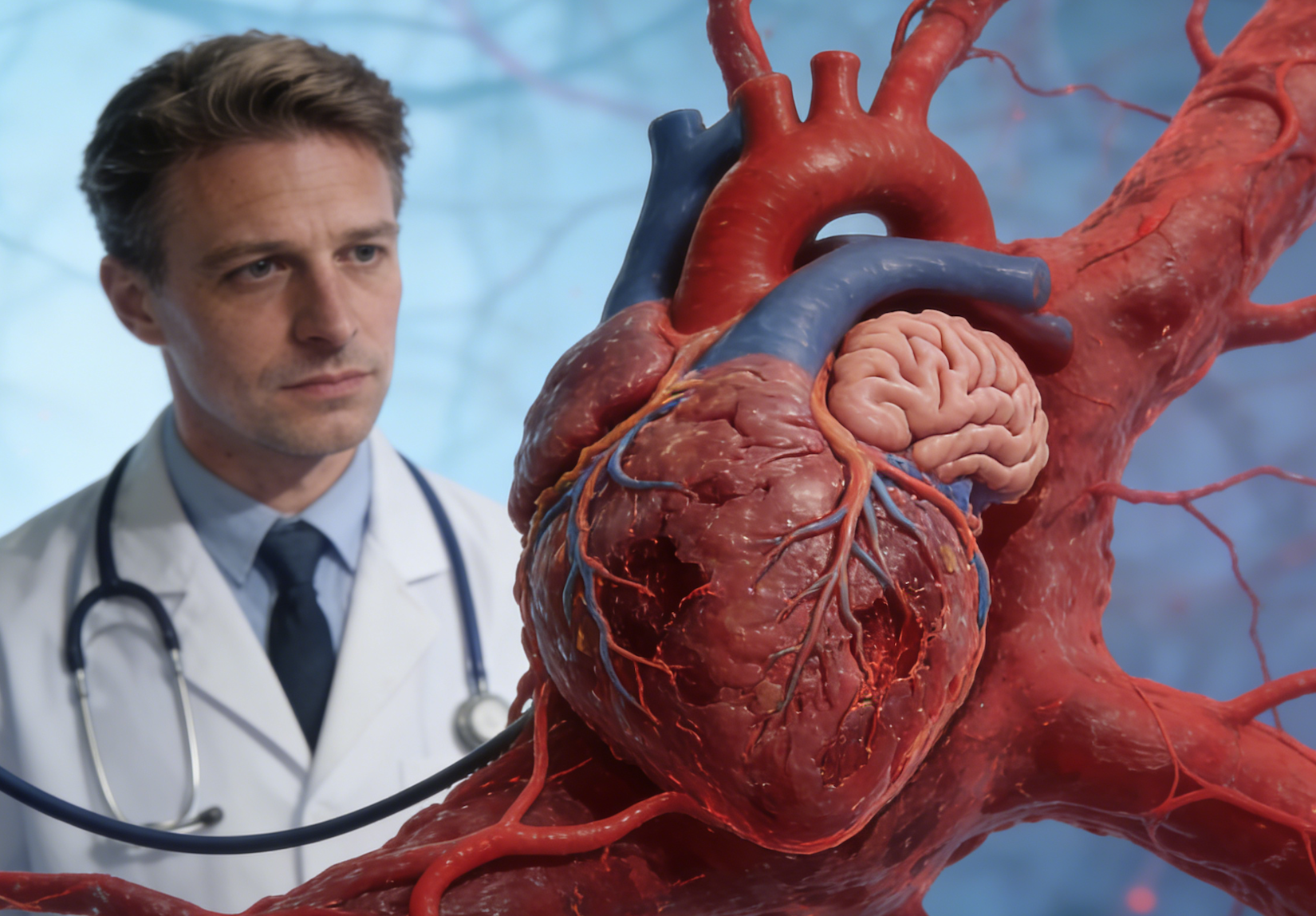
A detailed explanation of the six major harms of hypertension: how it damages the health of the heart, brain, and kidneys.
This article details the long-term damage that hypertension, as a "silent killer," inflicts on multiple organs, including the heart, brain, and kidneys, leading to serious consequences such as myocardial hypertrophy, stroke, and kidney failure. Understanding these dangers helps raise awareness of the importance of controlling blood pressure and actively managing blood pressure levels.
2026-03-04