
Weight Loss and Belly Fat Reduction: Give Up Coffee and Sweets, Develop Healthy Eating Habits
Good Habits are worse than a Healthy Belly
Many people believe that losing belly fat is incredibly difficult due to diet. They try everything, from twisting and turning, but still can't reach their goal. Others, however, believe it's simple: like crossing the street, stop at red lights, go at green lights, and be careful at yellow lights. Simply put, habits are the root of all evil. Without changing habits, the pleasures of life will turn into a series of meals, causing you to consume far more than your body needs, leading to various negative consequences. Therefore, the first lesson in getting rid of a big belly is cultivating good lifestyle habits.
Change these eating habits, and losing belly fat will be a sure thing.
01. Want to drink coffee? First, cut back on your desires. A cup of coffee, a novel, a hamburger, and occasional visits to Starbucks—is that sophisticated? Sophistication comes at a price. If you want to get rid of that big belly as soon as possible, you should give up this indulgence.
For example, drinking a 240ml can of coffee every day can cause your figure to increase by two sizes in a year. Why? Because the coffee we often drink—instant coffee—is an industrially synthesized product, mainly composed of sugar, creamer, and coffee. This type of coffee is high in fat and sugar, but low in high-quality protein and caffeine, and may even lose the essence of coffee during the production process. See? All these beneficial components are lost; what's left? Just junk food, a super-high-calorie killer for your figure. Think about it carefully: over the years of drinking coffee, what changes have occurred to your once-proud belly?
Perhaps you'll say, "It's not that I want to be luxurious, it's just that work is too hard, and I drink coffee simply to stay awake!" Drinking coffee to stay awake! This is a misconception. The downsides of coffee can be described in four words—"living beyond your means," meaning consuming three months' worth of food in one month. Although drinking coffee may make you feel excited, energetic, and alert, this energy is borrowed from tomorrow. After the caffeine's effects wear off, your body will feel even more fatigued.
Tips for Reducing Belly Fat: Coffee Bath
A coffee bath is very simple. First, brew coffee beans into espresso, then pour it into a 38°C hot water bath for soaking. Alternatively, you can pour leftover coffee grounds directly into the hot water. The ideal soaking height is below the heart. Soak for 15-20 minutes. People with cardiovascular disease should take intermittent baths. Healthy individuals can choose their soaking time according to their own condition, such as soaking for 5 minutes, resting for 3 minutes, and then soaking again, repeating this 3 times. The soaking height can also be above the heart.
Habits to Reduce Belly Fat—Good Habits Matter More Than a Healthy Belly
The reason is simple: caffeine depletes the body's B vitamins, which are related to nerve and muscle coordination. People lacking B vitamins are more prone to fatigue. When a person is tired, their metabolism is affected, creating a vicious cycle that eventually leads to the accumulation of waste in the body, resulting in a large belly. Therefore, you shouldn't rely on anything to stay alert. If you can't wake up without coffee, it's because you're addicted to caffeine, lack sleep, or your health is in poor condition.
Perhaps you can't live without coffee now, to the point where you can't go without it, or can't go without it, and the mere mention of coffee triggers your withdrawal symptoms. But you must understand: coffee isn't heroin; you need to learn to live without it.
Therefore, you should follow these methods to break your coffee addiction:
First, eat less acidic foods, such as meat and white rice, and eat more fruits, corn, and vegetables.
Second, replace coffee with plain water every day. Plain water is a magical "medicine," a hero in reducing belly fat. Drinking plain water for about two weeks can reduce your caffeine dependence. Of course, this doesn't mean you should completely eliminate coffee, but rather drink less of it, preferably black coffee, as it contains almost no calories and won't significantly affect your figure.
Furthermore, the best time to drink coffee is between 3 and 5 pm, which aligns with the body's biological clock and is less likely to disrupt sleep. The daily intake should not exceed four cups, or 800-1000 ml.
There's a saying, "You only know the goodness of wine after you've been drunk, and the depth of love after you've loved." Here, we say, "You only know how strong your coffee addiction is after you've tried to quit." Quitting coffee won't be easy, but compared to your growing belly, what's a little pain?
02 Don't let sugar fatten you up; stay away from those sugar-coated poisons. Sugar is the devil, and you'll find it everywhere in your kitchen. Carefully read the ingredient lists of breakfast cereals, bread, pancakes, etc.; you're sure to find it there.
If you're an office worker with a belly, don't doubt it—everyone has their own snack section: chocolate, candy, cookies, egg rolls… and that's not all. Most people, big or small, have a habit of having a cup of milk tea or coffee after lunch; sometimes they even ask colleagues on field trips to bring them donuts or gummy candies. Look closely, all these foods contain the same thing: sugar. That's how you get that belly fat.
Food manufacturers know this: if they add sugar to their products, you'll buy them again and again, unable to stop. Sugar comes from a plant called sugarcane. A plant? Sounds good, right? If eaten raw in moderation, sugarcane is indeed "friendly"; however, processing destroys all the fiber, vitamins, and minerals it contains. Foods high in fat, calories, or cholesterol often contain this sugar. This sugar is extremely harmful, potentially leading to high blood sugar and a weakened immune system, causing problems like mood swings, difficulty concentrating, and emotional instability.
Furthermore, refined sugar can make you fat. Normally, excess sugar is converted into glycogen and stored in the liver. Once the liver is full, this sugar can only return to the bloodstream as fatty acids. Guess where it ends up? It naturally accumulates in the abdomen, followed by the hips, lower abdomen, thighs, and buttocks, making you bulky and overweight!
You should learn to refuse excessive sugar intake, even if not for your figure, but at least for your health.
The first step in rejecting sweets is to pay attention to the sugar hidden in various foods, such as bread, tomato sauce, and salad dressing. Discovering these sugars requires almost detective work, as sugar often appears in different forms on nutrition labels, such as fructose, sucrose, glucose, corn syrup, or maltose. You need to be adept at identifying and rejecting them.
If you are addicted to sweets, we suggest drinking a cup of slightly bitter tea with each meal to alleviate your sugar craving. Of course, you can also satisfy your cravings with a few slices of fruit. The peels of fruits like apples and pears are rich in fiber, which can slow down the breakdown of carbohydrates into sugar in the body, helping you eventually break free from your dependence on sweets.
We all know how difficult it is to stay away from sugar. However, if you can't rid yourself of this "devil" from your diet, you'll never get rid of your belly fat.

A comprehensive analysis of high-risk groups for hypertension and damage to the heart, brain, and kidneys.
This article provides a detailed analysis of high-risk groups for hypertension and focuses on the severe damage that refractory hypertension can cause to core organs such as the heart, brain, and kidneys, including fatal complications such as coronary heart disease and stroke. Understanding these dangers can help high-risk individuals pay attention to and manage their blood pressure scientifically as early as possible, preventing serious consequences.
2026-03-06
Detailed Explanation of Scientific Diagnostic Criteria for Secondary Prevention of Hypertension and Hyperlipidemia
This article details secondary prevention strategies for hypertension, emphasizing the importance of controlling blood pressure within the target range through standardized treatment and protecting target organs such as the heart, brain, and kidneys. It also provides an in-depth analysis of the composition of blood lipids and the diagnostic criteria for hyperlipidemia, helping patients understand how to scientifically manage their blood lipids and blood pressure to comprehensively prevent cardiovascular complications.
2026-03-06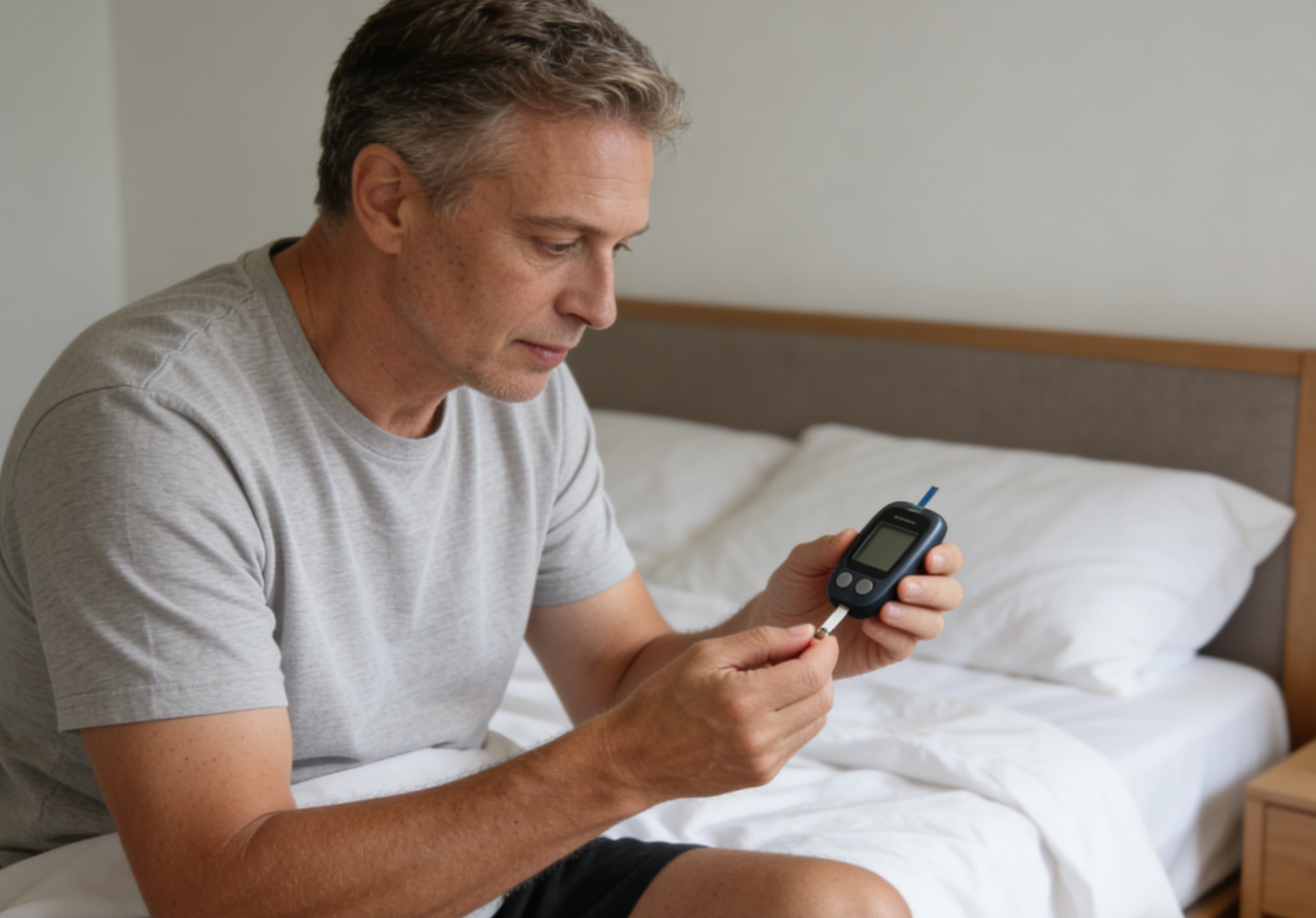
Daily Blood Sugar Fluctuations and Diabetes Diagnosis: Criteria and Symptoms Explained
This article details the normal fluctuations in blood sugar levels throughout the day in healthy individuals and provides clear diagnostic criteria and blood sugar thresholds for diabetes. It also explains typical symptoms of hyperglycemia such as polydipsia, polyphagia, polyuria, and weight loss, helping you to scientifically understand and monitor your own blood sugar levels.
2026-03-06