
Blood Pressure

Combining antihypertensive medication with lifestyle changes: A two-pronged strategy for hypertension management
This article explains that in the treatment of hypertension, antihypertensive medications need to be combined with lifestyle modifications, including non-pharmacological interventions such as weight control and dietary adjustments. This "two-pronged approach" can more effectively assist in controlling blood pressure and achieve long-term stable management of blood pressure levels.
2026-01-20
Holiday Health Care for Hypertension Patients: Four Key Points to Help You Have a Peaceful Holiday
This article provides a health guide for patients with hypertension during the holidays, covering four key aspects: emotions, diet, keeping warm, and medication. It aims to help patients effectively control their blood pressure during the holiday season, avoid fluctuations caused by lifestyle changes, and ensure a safe and healthy holiday.
2026-01-20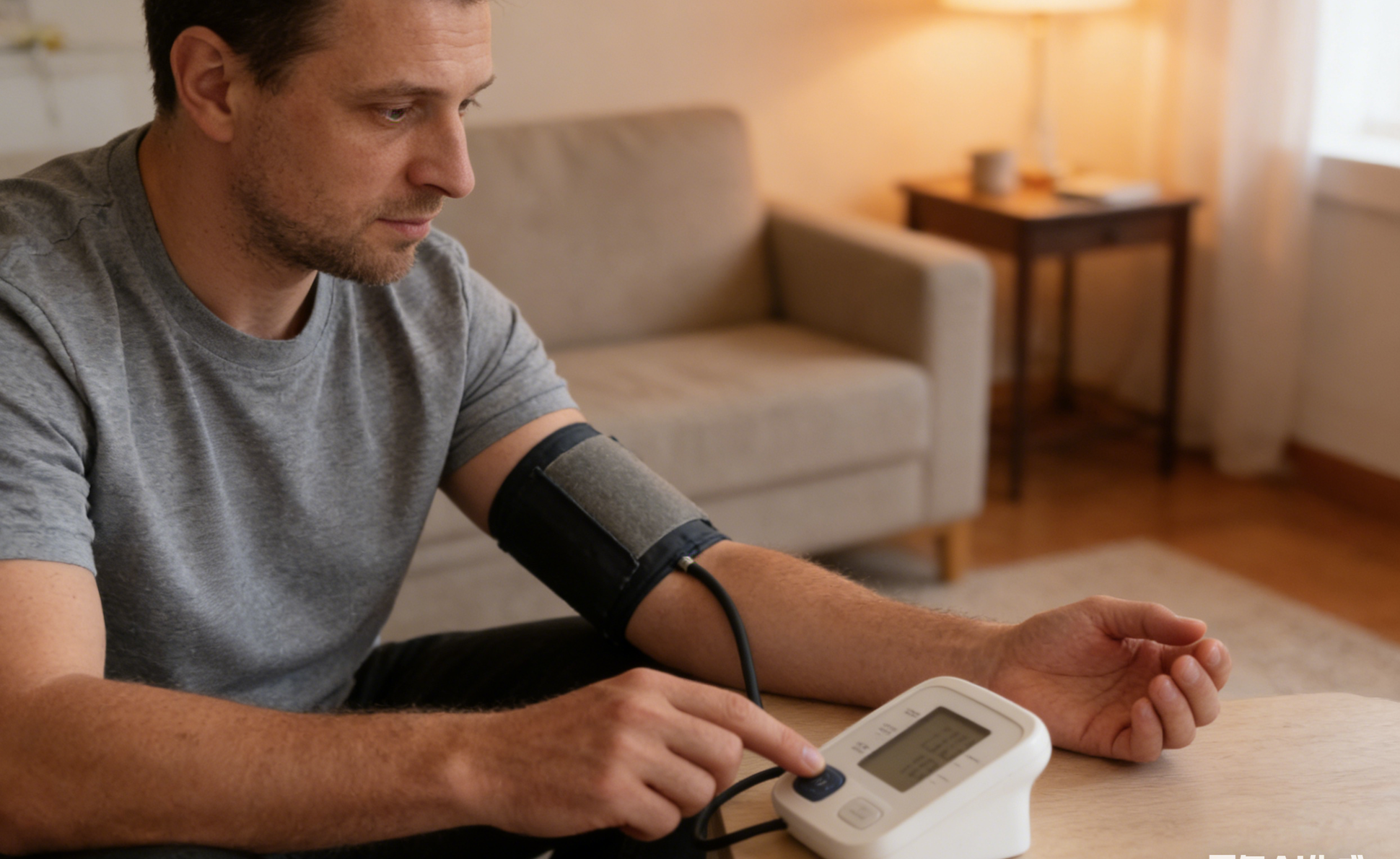
Is hypertension the leading cause of coronary heart disease in Chinese people? The importance of balanced blood pressure control.
This article reveals that hypertension has become the leading risk factor for coronary heart disease in Chinese people, emphasizing the importance of stabilizing blood pressure through balanced blood pressure control, especially controlling morning blood pressure fluctuations, in order to effectively prevent cardiovascular and cerebrovascular complications.
2026-01-20
How does lifestyle affect high blood pressure? Five adjustments to help stabilize your blood pressure.
This article explores the impact of lifestyle on hypertension, analyzing how non-pharmacological interventions such as weight loss, salt restriction, and exercise can effectively lower and stabilize blood pressure. Understanding and implementing these adjustments can help hypertensive patients better manage their blood pressure levels.
2026-01-20
Essential reading for people with hypertension: Weight loss, quitting smoking, and limiting alcohol consumption are crucial for controlling blood pressure.
This article explores in detail the crucial roles of weight loss, smoking cessation, and alcohol limitation in blood pressure management. Studies have shown that being overweight and drinking alcohol are significant risk factors for elevated blood pressure, and that scientific weight loss and strict alcohol limitation can effectively lower blood pressure. These non-pharmacological interventions have significant benefits for hypertensive patients in controlling blood pressure and preventing complications.
2026-01-20
Eight everyday behaviors that can cause blood pressure to spike; people with hypertension should be wary.
This article lists eight common behaviors, including lifting heavy objects, emotional excitement, and straining during bowel movements, and reveals how they can cause a sudden spike in blood pressure. Understanding these risk factors can help hypertensive patients effectively avoid risks and achieve more stable blood pressure control.
2026-01-20
How do four key lifestyle factors—obesity, alcohol consumption, smoking, and exercise—affect blood pressure control?
This article analyzes the mechanisms by which four major lifestyle factors—obesity, alcohol consumption, smoking, and exercise—affect blood pressure, and provides specific preventative recommendations. Understanding these connections helps in effectively controlling blood pressure through lifestyle changes, achieving scientific blood pressure reduction and health management.
2026-01-20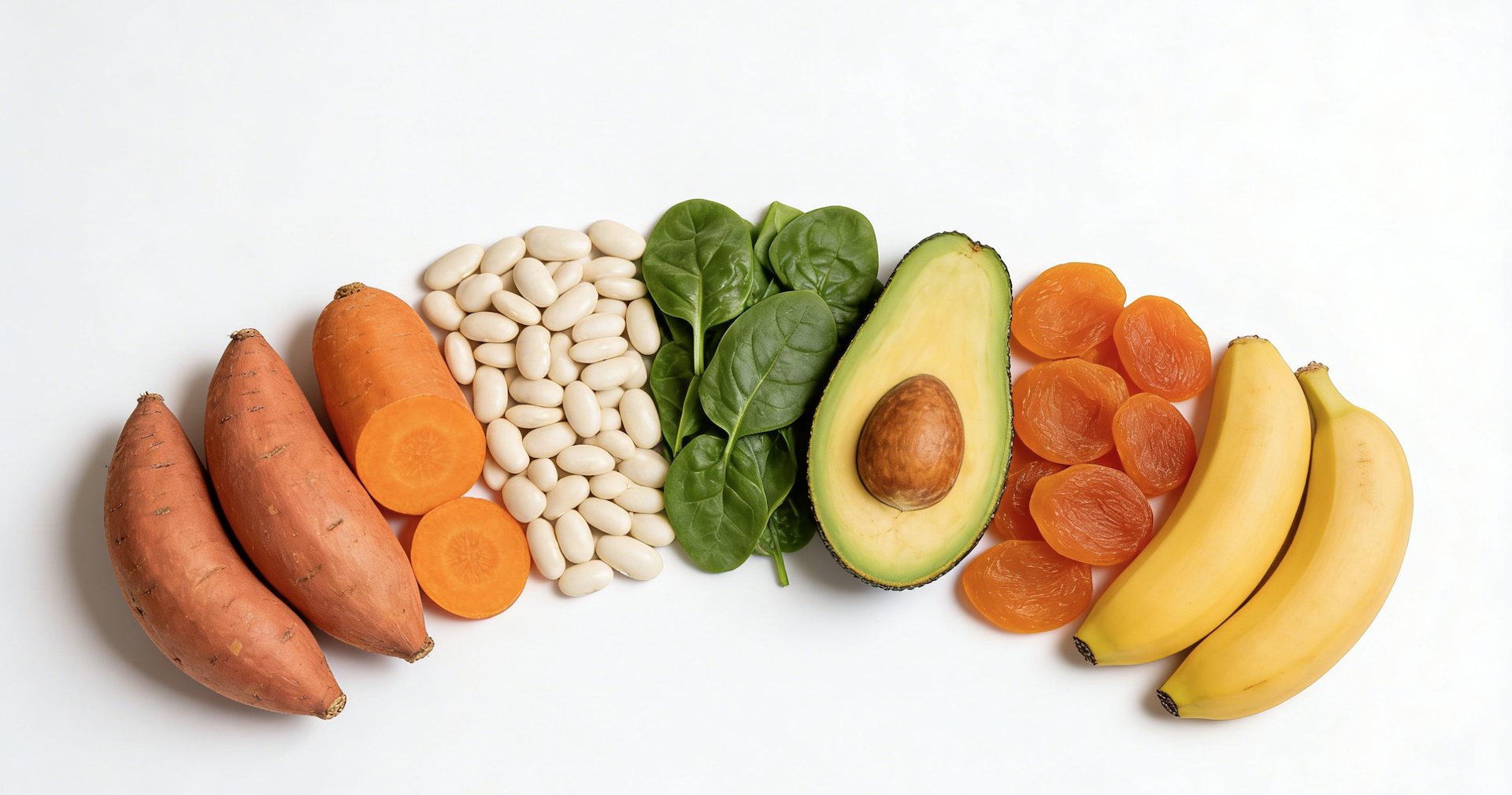
Dietary Guidelines for Patients with Hypertension: Salt Restriction, Potassium Supplementation, and Dietary Structure Adjustment Plan
This article provides scientific dietary guidance for patients with hypertension, emphasizing core principles such as limiting sodium, controlling fat intake, increasing potassium and calcium intake, and controlling calorie consumption. Reasonable dietary adjustments can effectively help lower and stabilize blood pressure levels, and are an important component of non-pharmacological treatment for hypertension.
2026-01-20
Moderate exercise and mental balance: two major non-drug therapies for patients with hypertension
This article details how moderate exercise and mental well-being can be effective non-pharmacological therapies for patients with hypertension. Regular exercise helps lower blood pressure and improve cardiovascular health, while maintaining mental well-being can reduce the adverse effects of emotional fluctuations on blood pressure. The combination of both is crucial for long-term stable blood pressure control.
2026-01-20