
Blood Pressure
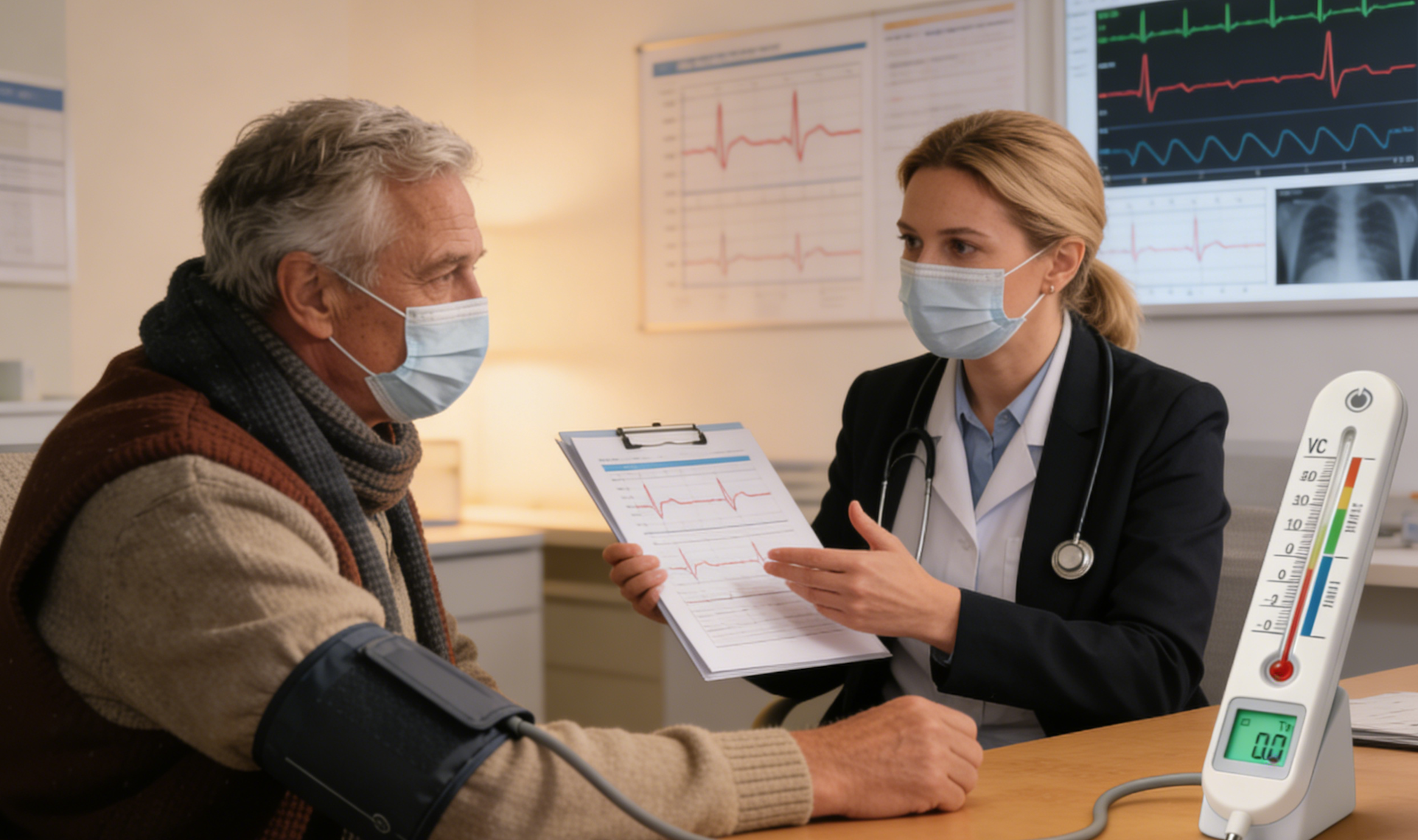
Health care guidelines and medication warnings for patients with hypertension in cold weather
This article provides 11 specific health tips for people with hypertension during cold weather, and emphasizes the need for caution when using painkillers such as indomethacin, as they may inhibit prostaglandins, leading to vasospasm and increased blood pressure. Following these guidelines will help patients manage their health and stabilize their blood pressure more safely during the winter.
2026-03-03
A Comprehensive Guide to Exercise for Hypertension Patients: Benefits, Intensity, and Precautions
This article provides a detailed analysis of the multiple benefits of exercise for patients with hypertension, offering scientific formulas for determining exercise intensity and relevant precautions. It aims to help patients effectively control and stabilize their blood pressure through regular and moderate exercise, thereby improving their overall health.
2026-03-03
Essential pre-exercise procedures for patients with hypertension: physical examination and safety assessment
This article emphasizes that hypertensive patients must consult a doctor and undergo a comprehensive physical examination and exercise stress test before starting exercise therapy to assess the risks of exercise. Scientific pre-examination can ensure safe and effective exercise, avoiding drastic fluctuations in blood pressure or triggering cardiovascular and cerebrovascular accidents due to inappropriate exercise.
2026-03-02
Swimming and jogging: Exercise guidelines and precautions for patients with hypertension
This article explains the benefits and suitable conditions for swimming and jogging for patients with hypertension. Swimming helps relieve tension and assists in lowering blood pressure; jogging can enhance cardiopulmonary function. Scientific and appropriate exercise is of positive significance in helping to control and stabilize blood pressure levels.
2026-03-02
Guidelines for 3 Hours of Exercise Per Week for Hypertensive Patients: Indoor Exercise Bike and Pre-Meal Exercise
This article provides scientific exercise recommendations for patients with hypertension, suggesting a total of 3 hours of exercise per week, and detailing the unique benefits of indoor cycling and pre-meal exercise. Regular and moderate exercise can effectively help lower and stabilize blood pressure and is an important component of a blood pressure management plan.
2026-03-02
Exercise Guidelines for Hypertension Patients: How to Scientifically Control Intensity, Duration, and Frequency
This article provides guidance on scientific exercise for patients with hypertension, explaining in detail how to control exercise intensity, duration, and frequency to avoid blood pressure fluctuations caused by improper exercise. Correct exercise helps stabilize blood pressure and improve health, and is an important part of blood pressure management.
2026-03-02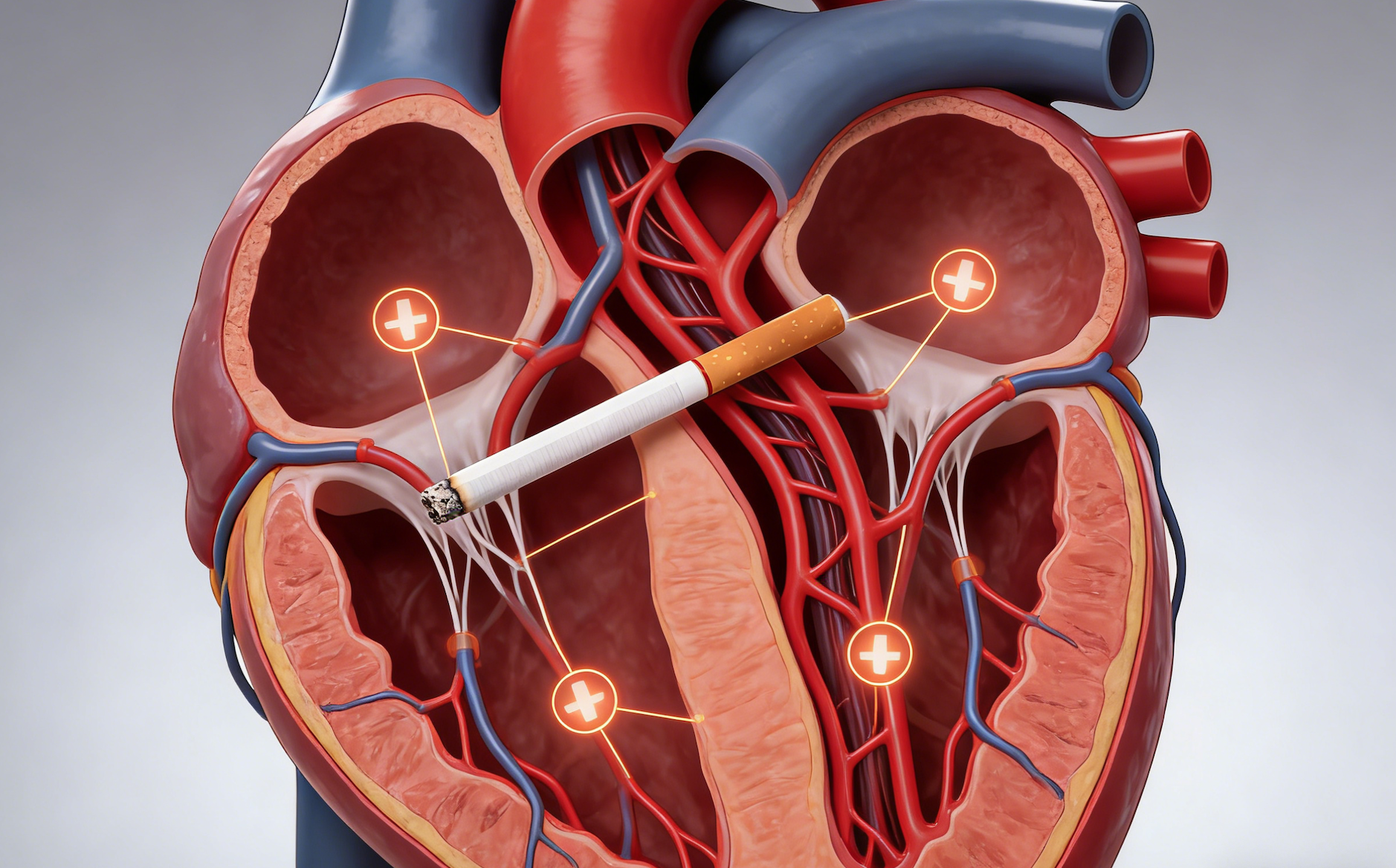
The harmful effects of smoking on hypertension and the timeline of blood pressure changes after quitting smoking.
This article details how smoking, through substances like nicotine, causes an increased heart rate and elevated blood pressure, thus exacerbating hypertension. It also includes an authoritative timeline for the body's recovery after quitting smoking, demonstrating that blood pressure can gradually return to normal after quitting, a crucial step for hypertension patients to achieve effective blood pressure management.
2026-03-02
Two things to avoid when exercising for high blood pressure: Analysis of the risks of neglecting warm-up and strenuous exercise.
This article details the necessity of warming up before exercise for patients with hypertension and the risks of strenuous exercise. It emphasizes that proper warm-up can prevent a sudden rise in blood pressure, and that scientifically controlling exercise intensity can help stabilize blood pressure in the long term and ensure exercise safety.
2026-03-02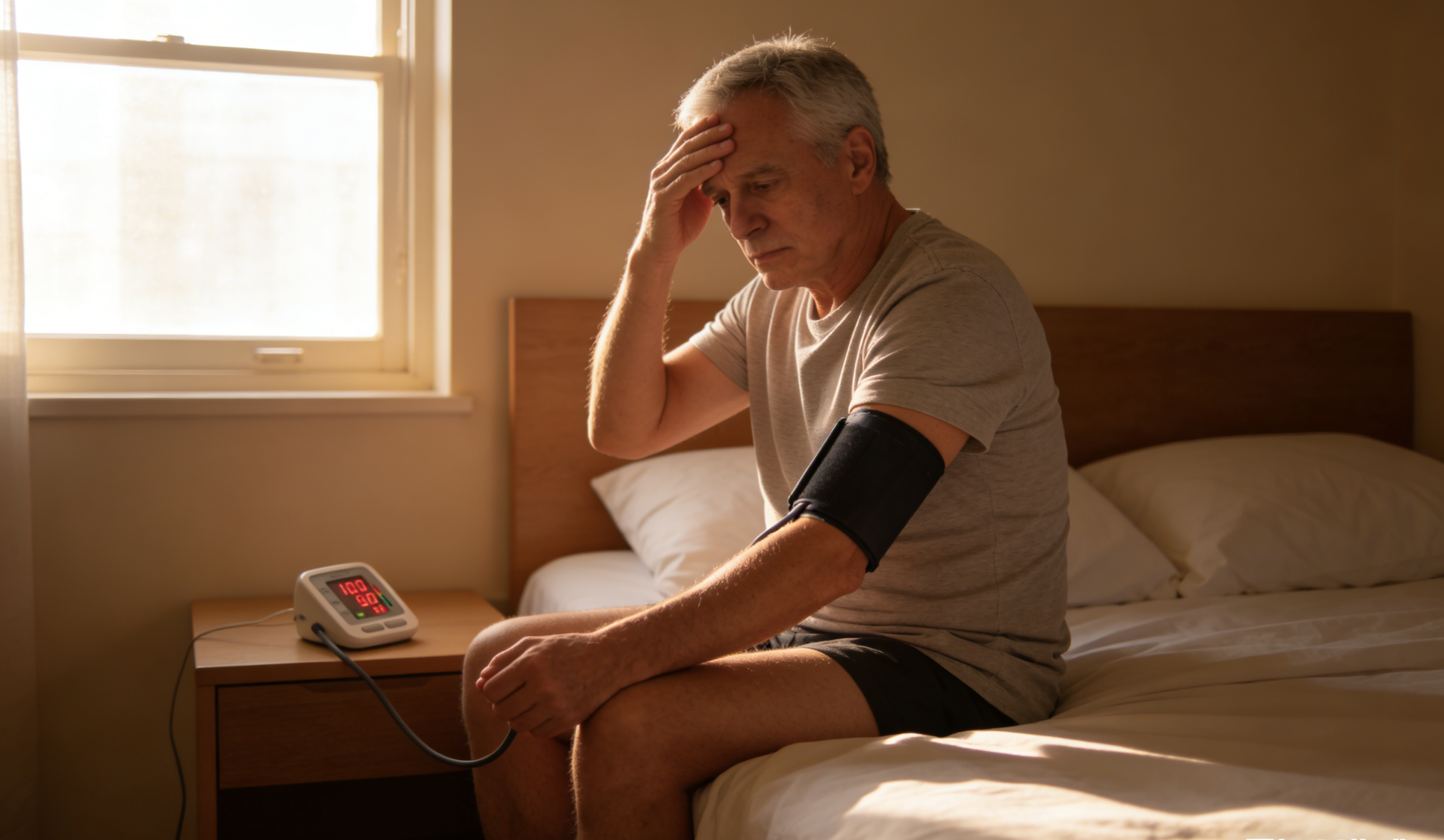
Why should people with high blood pressure avoid exercising in the early morning? Scientific analysis and suggestions.
This article analyzes the potential risks of morning exercise for hypertensive patients, including the "morning blood pressure surge" and air pollution, which can exacerbate blood pressure fluctuations and increase the burden on the cardiovascular system. It is recommended to exercise in the morning or evening for safer and more effective blood pressure control and health management.
2026-03-02
Blood pressure lowering exercises and walking: a two-pronged approach to effectively help control blood pressure.
This article introduces the benefits of antihypertensive exercises and walking for patients with hypertension. Both help lower blood pressure by enhancing regulatory function, dilating blood vessels, and relaxing nerves. Understanding and adhering to these exercises can effectively complement drug and non-drug therapies, achieving better blood pressure control and management.
2026-03-02
How can people with hypertension plan their work and monitor their blood pressure effectively?
This article provides core self-management strategies for patients with hypertension: planning their work rhythm to avoid overwork and mastering the scientific method of regularly monitoring their blood pressure. Understanding these two points is crucial for timely detection of blood pressure fluctuations, assessment of medication efficacy, and achieving long-term stable blood pressure control.
2026-03-01
How can patients with hypertension balance work and rest scientifically to stabilize blood pressure?
This article provides guidance for patients with hypertension on balancing work and rest, explaining the principle of choosing appropriate work and exercise intensity based on the severity of their condition. Reasonable rest and activity arrangements help avoid excessive stress and are key to achieving long-term stable blood pressure control and maintaining health.
2026-03-01
Key Considerations for Nighttime Care and Bedding Selection for Hypertensive Patients
This article details key points for nighttime care of hypertensive patients, including avoiding the negative effects of excessively thick blankets and pillows that are too high or too low on blood pressure, in order to help stabilize blood pressure. It also emphasizes the importance of nighttime care to prevent sudden cardiovascular and cerebrovascular accidents, ensuring patient safety and effective blood pressure control.
2026-03-01
Daily Activity Guidelines for Elderly Patients with Hypertension: Three "Half-Minute" Times and Bed Rest Contraindications
This article provides key activity recommendations for elderly patients with hypertension: follow the three "half-minute" steps when getting up at night to prevent accidents, emphasizes avoiding prolonged bed rest, and encourages appropriate outdoor activities. Scientific daily activity management helps stabilize blood pressure and reduce the risk of complications.
2026-03-01
Does despair increase the risk of high blood pressure? A positive mindset is the best medicine.
This article explores how negative psychological states such as despair and anxiety can worsen hypertension and even increase the risk of developing the disease. The article emphasizes that a positive mindset and emotional management are crucial for hypertension patients to effectively control blood pressure and improve prognosis; psychological burden should be avoided to prevent blood pressure from becoming uncontrolled.
2026-02-28
How can patients with hypertension stabilize their blood pressure by improving sleep quality?
This article provides five practical suggestions for improving sleep quality for patients with hypertension, including afternoon naps, dietary adjustments, and bedtime habits. Good sleep helps reduce blood pressure fluctuations and assists medication in achieving more stable blood pressure control, making it an important part of hypertension management.
2026-02-28
Is an overly willful personality prone to causing high blood pressure? Emotional management is key.
This article explores how overly willful and extreme personality traits can trigger strong emotional fluctuations, leading to a sudden increase in blood pressure and thus increasing the risk of developing and experiencing hypertension. It emphasizes that personality adjustment and emotional control are crucial for long-term blood pressure stability and the prevention of cardiovascular and cerebrovascular accidents.
2026-02-28
Precautions for elderly people with hypertension: Recognizing early warning signs and scientifically lowering blood pressure
This article emphasizes the unique characteristics and common misconceptions surrounding hypertension in the elderly, reminding patients to pay attention to daily blood pressure monitoring and medication adjustments to avoid ignoring potential risks. It also analyzes early warning signs of elevated blood pressure to help patients identify and intervene promptly, achieving scientific blood pressure control and management.
2026-02-28
How Emotional Fluctuations Affect Blood Pressure: Mechanisms, Hazards, and Management Recommendations
This article details the neural and physiological mechanisms by which excessive emotional stress leads to a sudden increase in blood pressure, and elucidates the acute harm this fluctuation poses to hypertensive patients. Understanding the link between emotions and blood pressure, and learning to manage emotions, is crucial for stabilizing blood pressure and preventing cardiovascular and cerebrovascular accidents.
2026-02-28
Daily Health Care Guide for Hypertension Patients: Ten Details to Help Stabilize Your Blood Pressure
This article provides ten daily health care tips for patients with hypertension, covering aspects such as morning routines, diet, rest, and regular sleep patterns, to help establish lifestyle habits that are beneficial for stable blood pressure. Following these recommendations can help supplement medication control and achieve long-term stable blood pressure management.
2026-02-28