
Blood Pressure

Guidelines for Managing Adverse Reactions to Antihypertensive Drugs: Safe Handling and Adjustment of Medical Treatment
This article provides methods for managing common adverse reactions (such as dry cough and edema) after taking antihypertensive drugs, emphasizing that medication should not be discontinued on one's own due to concerns about side effects. Seeking timely medical attention to adjust medication is crucial for ensuring stable blood pressure control and safe blood pressure reduction.
2026-03-05
A detailed explanation of the adverse reactions of eight major categories of antihypertensive drugs to help you safely control your blood pressure.
This article details eight common adverse reactions that may occur with antihypertensive drugs, such as dry cough, edema, and hypokalemia, to help patients correctly identify and manage these side effects. Understanding these side effects helps in safe medication use under the guidance of a doctor, ensuring stable blood pressure control.
2026-03-05
Orthostatic hypotension in hypertensive patients: symptoms, causes and coping strategies
This article analyzes why hypertensive patients, especially the elderly, experience symptoms of low blood pressure such as dizziness upon standing. It details the definition, incidence, and mechanisms of orthostatic hypotension to help understand this common but easily overlooked phenomenon, and emphasizes the importance of monitoring blood pressure.
2026-03-05
Snoring may be a hidden risk factor for high blood pressure: sleep apnea syndrome
This article explains that snoring may be related to sleep apnea syndrome, a significant risk factor for high blood pressure. Understanding its dangers and ways to improve it can help control blood pressure at its source and prevent related complications.
2026-03-05
Hypertensive patients should be wary of postprandial hypotension: symptoms and coping strategies
This article analyzes the pathogenesis, common symptoms, and coping strategies of postprandial hypotension in hypertensive patients, reminding patients to monitor their blood pressure, avoid the risks of a sudden drop in blood pressure after meals, and effectively manage their blood pressure levels.
2026-03-05
When is the best time to take antihypertensive drugs? New research reveals the impact of medication timing on blood pressure.
This article explores the optimal time to take antihypertensive drugs, analyzes the characteristics of short-acting, intermediate-acting, and long-acting antihypertensive drugs, and cites research indicating that taking medication at night may be more beneficial in controlling nighttime blood pressure, thereby helping patients manage their blood pressure levels more effectively.
2026-03-05
Ten carefully selected dietary recipes for hypertension to help you control your blood pressure steadily.
This article selects 10 proven dietary therapies for hypertension, such as celery juice and carrot juice, and explains their auxiliary blood pressure-lowering effects and suitable populations. These dietary therapies, through dietary adjustments, can help hypertension patients stabilize their blood pressure and manage their health in conjunction with medication.
2026-03-04
Detailed Explanation of Three Types of High Blood Pressure: Causes and Management of Abnormal High and Low Blood Pressure
This article provides a detailed analysis of three types of abnormal blood pressure: high diastolic pressure only, high systolic pressure only, and high systolic pressure in both cases. It explains the causes, corresponding population groups, and initial management strategies for each. Understanding these differences helps in targeted blood pressure management, timely control of blood pressure levels, and prevention of complications.
2026-03-04
Dietary Guidelines for Hypertensive Patients During Holidays and Analysis of the Blood Pressure Lowering Effect of Vitamin C
This article provides dietary and lifestyle management recommendations for patients with hypertension during the holidays to help avoid the risk of cardiovascular and cerebrovascular accidents. It also introduces research findings that daily supplementation with 500 mg of vitamin C can help lower blood pressure, providing scientific evidence for blood pressure stabilization.
2026-03-04
10 effective dietary therapy recipes for high blood pressure to help you control your blood pressure steadily.
This article selects 10 dietary therapy recipes for hypertension, such as jellyfish and achyranthes soup and double fungus soup. These recipes can help lower blood pressure and stabilize blood pressure levels. Through dietary adjustments, patients with hypertension can better manage their health.
2026-03-04
Detailed Explanation of Five Major Categories of Antihypertensive Drugs: How to Choose Scientifically and Precautions
This article provides a detailed analysis of five major classes of commonly used antihypertensive drugs in clinical practice, including dihydropyridine calcium channel blockers, ACE inhibitors, and angiotensin II receptor blockers (ARBs), explaining their respective applicable populations, mechanisms of action, and contraindications. Understanding this information helps in the scientific management of blood pressure under the guidance of a doctor; however, specific medication use must strictly adhere to the doctor's prescription.
2026-03-04
Analysis of the six major causes of hypertension: How to control blood pressure by improving lifestyle habits
This article provides a detailed analysis of six major unhealthy lifestyle habits that contribute to high blood pressure, including obesity, a high-salt diet, and lack of exercise. Improving these habits is the cornerstone of blood pressure control and helps to effectively lower and stabilize blood pressure levels in the long term.
2026-03-04
A detailed explanation of the six major harms of hypertension: how it damages the health of the heart, brain, and kidneys.
This article details the long-term damage that hypertension, as a "silent killer," inflicts on multiple organs, including the heart, brain, and kidneys, leading to serious consequences such as myocardial hypertrophy, stroke, and kidney failure. Understanding these dangers helps raise awareness of the importance of controlling blood pressure and actively managing blood pressure levels.
2026-03-04
Why do people with hypertension need to have their blood pressure checked regularly? Importance and Frequency Guidelines
This article emphasizes the importance of regular blood pressure monitoring for patients with hypertension, explaining that irregular monitoring may delay diagnosis and increase the risk of cardiovascular, cerebrovascular, and renal complications. The article provides recommendations on blood pressure monitoring frequency for different disease conditions, aiming to help patients achieve more effective blood pressure control and management through regular monitoring.
2026-03-03
Exercise Safety Guidelines for Hypertensive Patients: Contraindications for Poor Condition and Excessive Running
This article reminds patients with hypertension to suspend exercise when they are in poor physical condition or fatigued, to avoid the risks of forced exercise. It also emphasizes that exercises such as running require strict control of intensity and duration; excessive exercise may be counterproductive. Scientific exercise is the only way to effectively help control and stabilize blood pressure levels.
2026-03-03
Protein Intake and Hypertension: Benefits of High-Quality Protein and the Principle of Moderation
This article explores the relationship between protein intake and hypertension, clarifying that high-quality animal protein may help regulate blood pressure by promoting sodium excretion and protecting blood vessels. It also points out the risks of excessive intake and emphasizes the importance of a balanced diet for maintaining healthy blood pressure.
2026-03-03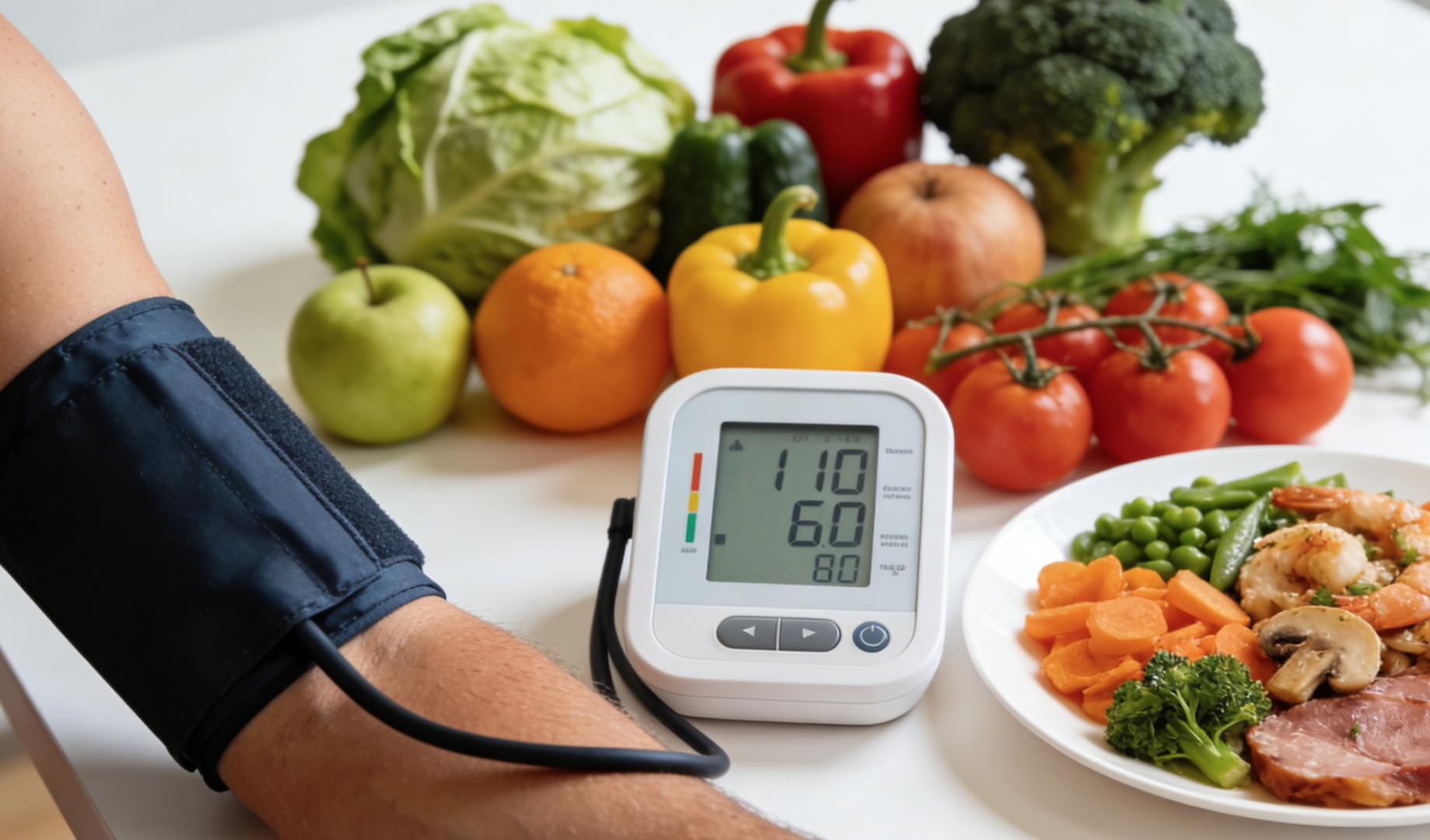
12 Life Hacks to Help You Effectively Control High Blood Pressure
This article provides 12 practical methods for controlling hypertension through diet and lifestyle habits, such as increasing potassium and magnesium intake and reducing caffeine, which can help effectively lower and stabilize blood pressure. Understanding these daily management techniques has positive guiding significance for hypertensive patients in long-term blood pressure management.
2026-03-03
How does salt intake affect blood pressure? A scientific guide to limiting salt intake and supplementing potassium.
This article details the physiological mechanisms by which a high-salt diet leads to elevated blood pressure and points out the existence of "salt-sensitive individuals." It provides recommendations for daily salt intake and emphasizes that limiting salt intake and increasing potassium intake (such as by consuming seaweed and bananas) are key non-pharmacological methods for effectively preventing and managing hypertension.
2026-03-03
Sleep Hygiene Guidelines for Hypertension Patients: Five Tips to Help Stabilize Blood Pressure
This article provides five sleep hygiene tips for patients with hypertension, including a midday nap and controlling dinner intake, aiming to improve sleep quality and help stabilize blood pressure. Good sleep habits help reduce blood pressure fluctuations and lower the risk of stroke, and are a key part of achieving long-term stable blood pressure management.
2026-03-03
Moderate exercise combined with mental well-being: a dual management strategy for hypertension
This article explores the importance of moderate exercise and mental well-being for patients with hypertension. Exercise effectively lowers blood pressure and reduces cardiovascular risk, while mental well-being helps relieve stress and stabilize blood pressure. The combination of both is a key non-pharmacological therapy for controlling blood pressure and preventing complications.
2026-03-03