
Blood Lipids

The Effects of Coffee and Dieting on Blood Lipids: An Analysis of Scientific Weight Loss and Dietary Taboos
This article explores the potential for excessive coffee consumption to raise blood lipid levels, and the potential harm to the body from relying solely on dieting for weight loss. Understanding these dietary misconceptions can help in adopting more scientific methods to manage and regulate blood lipids, achieving healthy weight loss and blood lipid balance.
2026-03-01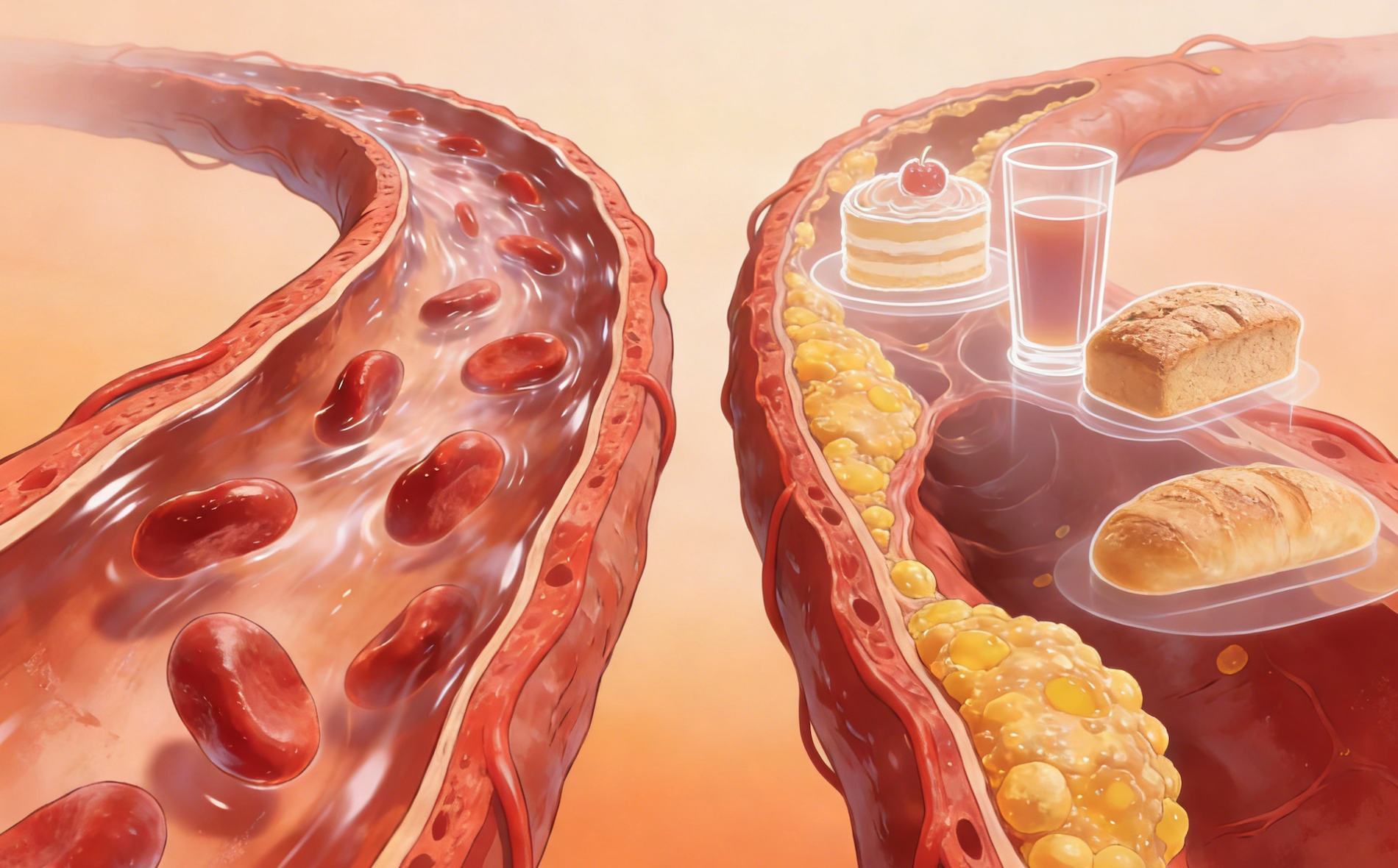
Why should patients with hyperlipidemia avoid sugary foods? An analysis of the impact of sugar on blood lipids.
This article explains in detail why patients with hyperlipidemia should avoid sugary foods, and how excessive sugar intake is converted into fat, leading to elevated blood lipids and subsequently cardiovascular diseases such as atherosclerosis. Understanding the dual impact of sugar on blood lipids is crucial for controlling and managing blood lipid levels.
2026-02-28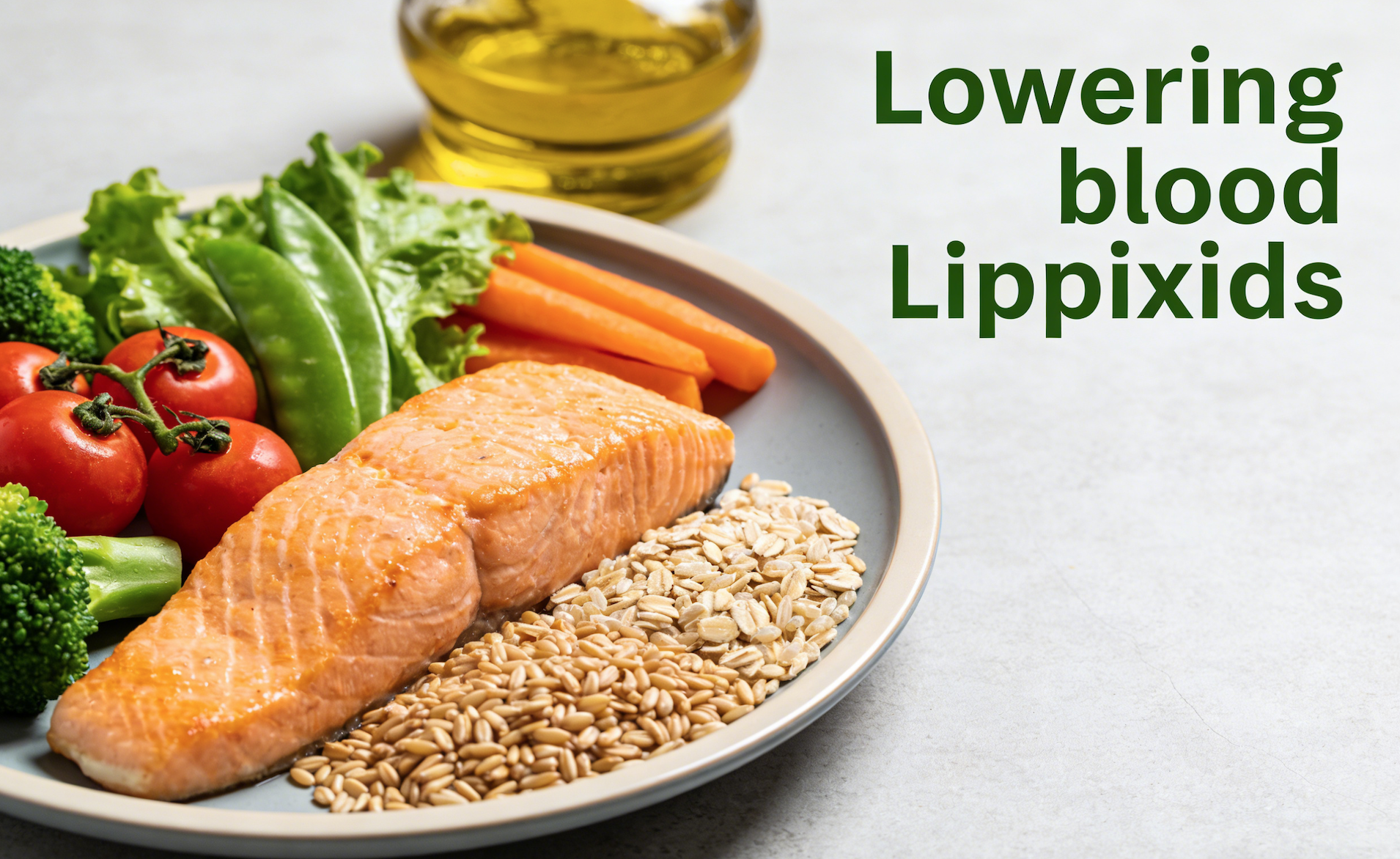
Cooking Guide for Patients with Hyperlipidemia: Analysis of Five Suitable and Four Unsuitable Cooking Methods
This article details five suitable healthy cooking methods (such as steaming and stewing) and four methods to be avoided (such as stir-frying and deep-frying) for patients with hyperlipidemia, clarifying the important auxiliary role of scientific cooking in controlling and stabilizing blood lipids. Choosing the right cooking method is a key aspect of dietary management.
2026-02-28
Why should patients with hyperlipidemia avoid high-cholesterol foods and lean meats?
This article reminds patients with hyperlipidemia to limit their intake of high-cholesterol foods (such as animal organs) and excessive lean meat, as both can exacerbate dyslipidemia and increase the risk of atherosclerosis. Scientific dietary control is a key measure for effectively regulating and managing blood lipids.
2026-02-28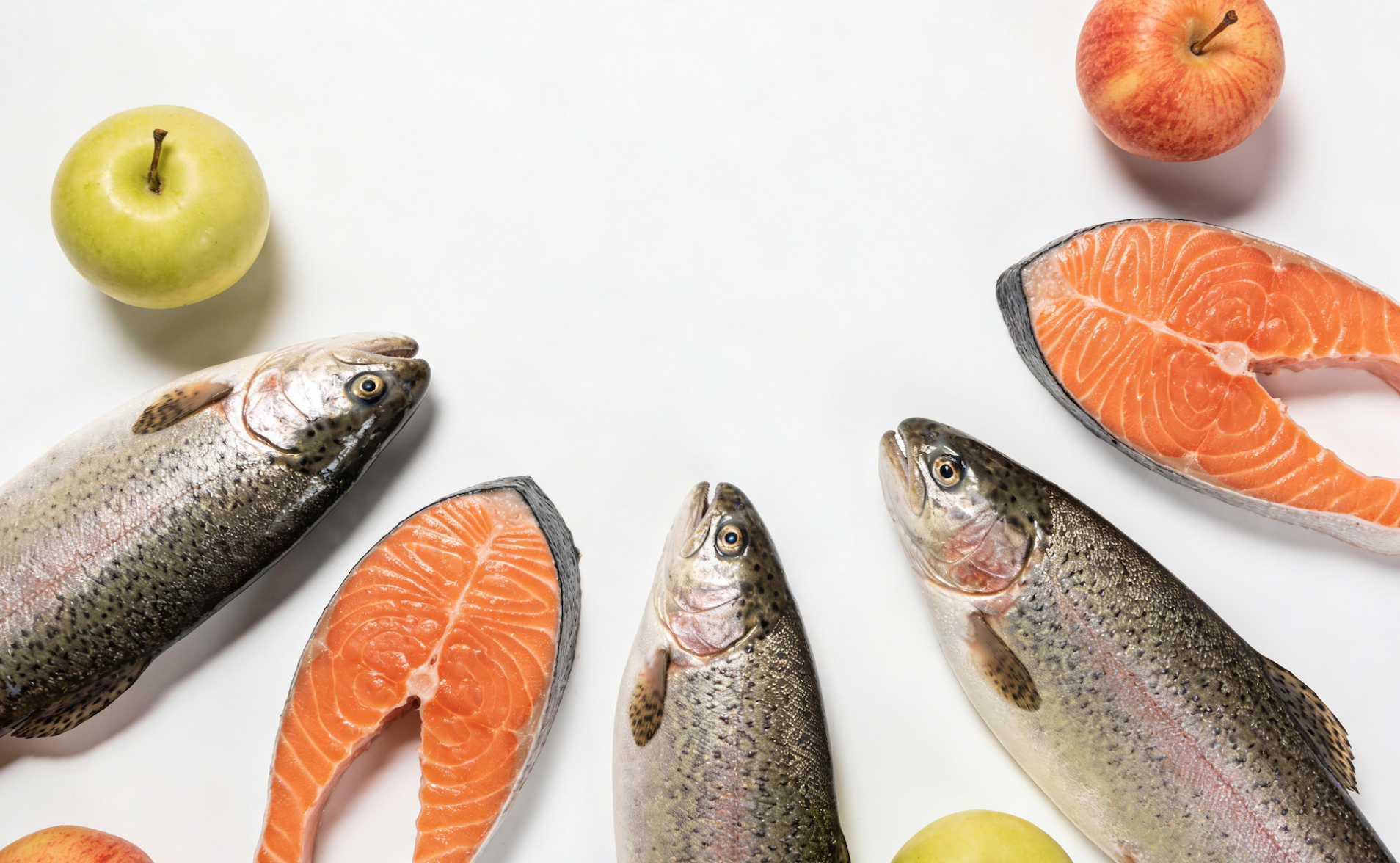
Freshwater fish and apples: How two everyday foods can effectively regulate blood lipid levels
Studies have shown that the EPA and DHA abundant in freshwater fish, along with components in apples, help lower blood cholesterol and triglycerides, thus effectively regulating blood lipids. Incorporating these two foods into your daily diet is a simple and effective way to help manage and improve blood lipid levels.
2026-02-28
Detailed Explanation of Hyperlipidemia: Etiology, Classification, and its Impact on Blood Lipids
This article provides a detailed analysis of the definition, causes, and clinical classification of hyperlipidemia, including the association between hyperlipoproteinemia and dyslipidemia. Understanding these different types of dyslipidemia and their mechanisms is crucial for the early identification and management of abnormal lipid levels.
2026-02-27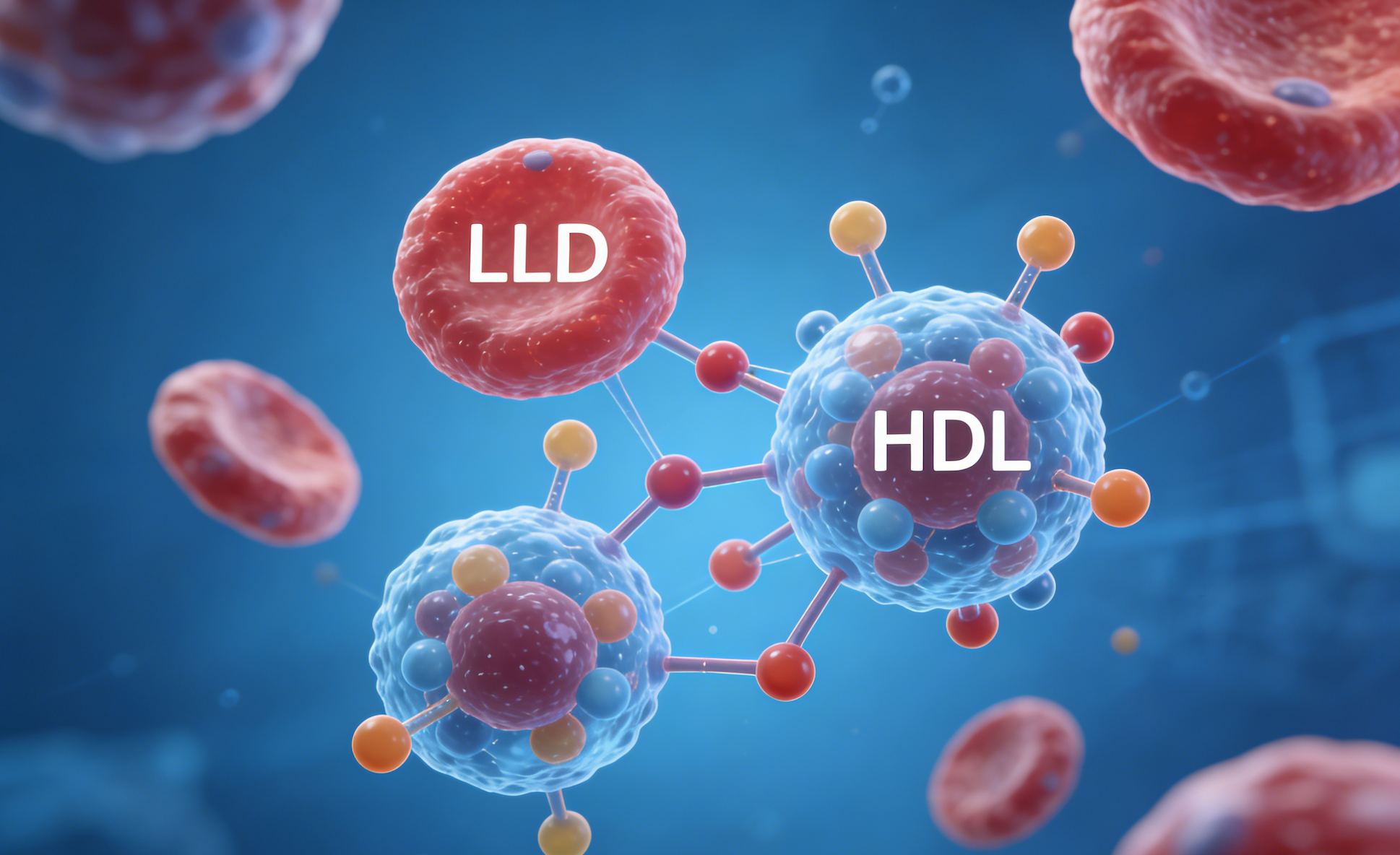
Detailed Explanation of High-Density and Low-Density Lipoproteins: The "Good" and "Bad" Cholesterols in Blood Lipids
This article provides a detailed analysis of the metabolic processes and core functions of high-density lipoprotein (HDL), known as "good cholesterol," and low-density lipoprotein (LDL), known as "bad cholesterol," in the body. Understanding how these two key blood lipid components affect arterial health is crucial for the scientific management of blood lipid levels and the prevention of cardiovascular disease.
2026-02-27
Adults should be wary, but children need to pay even more attention: Analysis of the dual harms of hyperlipidemia
This article details the serious harm that hyperlipidemia (dyslipidemia) poses to the cardiovascular system in adults, and specifically highlights the need to pay attention to dyslipidemia in children and its long-term risks. A scientific understanding and control of blood lipids, and an emphasis on blood lipid monitoring during childhood, are key to preventing complications such as atherosclerosis.
2026-02-27
Understanding and Correctly Viewing High Cholesterol: From Misconceptions to Scientific Management
This article helps readers understand high blood lipids correctly, clarifies common misconceptions, elucidates its pathological mechanisms, and emphasizes the necessity of long-term management. It provides scientific dietary and lifestyle recommendations to help readers overcome confusion, establish effective blood lipid management strategies, and prevent complications such as atherosclerosis.
2026-02-27
Detailed Explanation of Hyperlipidemia: Etiology, Classification, and its Impact on Blood Lipids
This article systematically analyzes the etiology, clinical manifestations, and classification criteria of primary and secondary hyperlipidemia, and elucidates the specific impact of various types on blood lipid levels. Understanding the root causes and manifestations of dyslipidemia is crucial for scientific intervention and effective management of abnormal blood lipids.
2026-02-27
Lecithin: A natural scavenger for regulating blood lipids and offering multiple health benefits
This article details how lecithin effectively lowers cholesterol and regulates blood lipids by emulsifying fats and dissolving atherosclerotic plaques. Understanding lecithin's role in maintaining healthy blood lipid levels, as well as its multiple health benefits such as brain health and liver protection, provides guidance for scientific supplementation.
2026-02-27
Patients with hyperlipidemia should build confidence and manage their blood lipids scientifically.
This article emphasizes the importance of maintaining a positive attitude for patients with hyperlipidemia. A good mental state can help support drug treatment and lifestyle interventions, thereby more effectively controlling blood lipids. Scientific self-management and unwavering confidence are key to long-term stable management of blood lipids and prevention of complications.
2026-02-27
A Comprehensive Guide to the Hazards and Standardized Treatment of Hyperlipidemia: From Examination to Prevention
This article comprehensively explains the main dangers of hyperlipidemia (i.e., dyslipidemia), especially its risk of causing atherosclerosis and cardiovascular and cerebrovascular diseases. It details the diagnostic criteria and core examination items to help readers understand how to effectively prevent and control related diseases through standardized blood lipid testing and management.
2026-02-27
Basic knowledge of blood lipids: Analysis of the metabolism and function of cholesterol and triglycerides
This article provides a comprehensive analysis of blood lipid composition, including the sources, metabolic processes, and core physiological functions of cholesterol and triglycerides. Understanding that lower blood lipid levels are not necessarily better is crucial for maintaining overall health, particularly cardiovascular and blood pressure health.
2026-02-26
Does dizziness in the elderly require a blood lipid test? Clarifying that lower cholesterol isn't always better.
This article explores the potential link between dizziness and dyslipidemia in the elderly, clarifying the common misconception that "the lower the cholesterol, the better." It elucidates the essential physiological functions of cholesterol and emphasizes the importance of scientifically managing and maintaining a balanced blood lipid level for the prevention of cardiovascular and cerebrovascular diseases.
2026-01-20
Seven Dietary Principles for Lowering Blood Lipids Through a Scientific Diet:
This article details seven core dietary principles for patients with hyperlipidemia, including reducing saturated fat and increasing unsaturated fatty acid intake. These methods can effectively help lower blood lipids. Following a scientific diet is fundamental to managing and lowering blood lipid levels, and its effectiveness is enhanced when combined with medication.
2026-01-20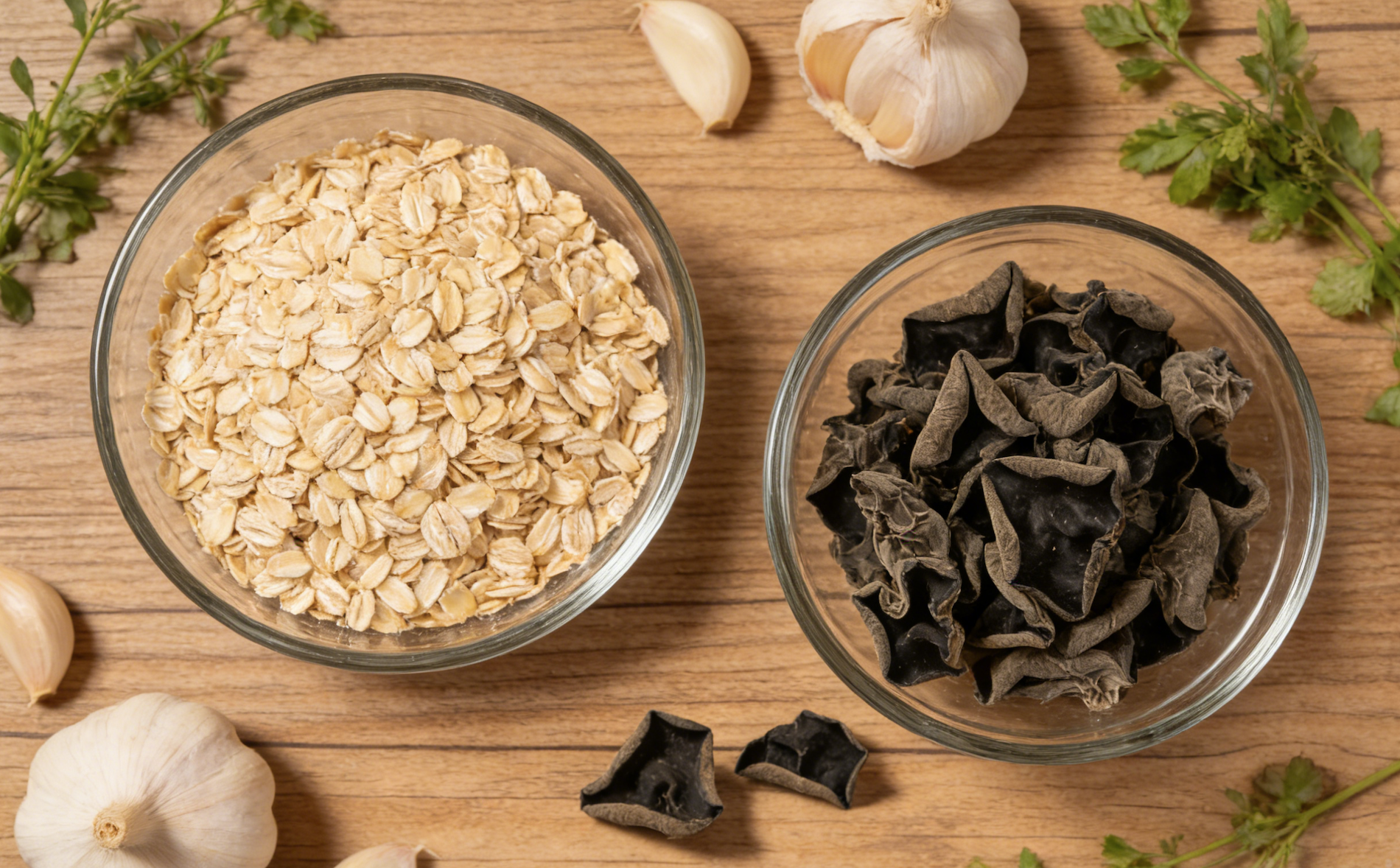
Oatmeal and Black Fungus: How Two Natural Foods Help Regulate Blood Lipids
This article introduces the significant benefits of oats and black fungus, two natural foods, for regulating blood lipids. Oats are rich in beta-glucan, which can effectively lower cholesterol; black fungus can inhibit platelet aggregation and reduce blood viscosity. Scientifically consuming these two foods is a healthy dietary choice for assisting in the management and optimization of blood lipid levels.
2026-01-20
How does moderate consumption of low-alcohol beverages affect blood lipids? A scientific analysis of its advantages and disadvantages.
This article explores the potential benefits of moderate consumption of low-alcohol beverages (such as red wine) on blood lipids, such as increasing levels of "good" cholesterol (high-density lipoprotein) and helping to regulate blood lipids. It also emphasizes the need for strict control of intake (less than 50 grams per day), as excessive consumption can be harmful, providing a scientific dietary reference for managing blood lipids.
2026-01-20
How does plant fiber help lower blood lipids? A breakdown of soluble and insoluble fiber.
This article details how soluble and insoluble plant fibers effectively help lower blood lipids by promoting cholesterol excretion and reducing absorption. Understanding foods rich in plant fiber and consuming them appropriately is an important dietary strategy for scientifically regulating and managing blood lipid levels.
2026-01-20
Vegetable oils help lower blood lipids: A guide to scientific selection and consumption.
This article details how common vegetable oils, rich in unsaturated fatty acids, can effectively help patients with hyperlipidemia lower "bad" cholesterol and total cholesterol, thus aiding in the improvement of blood lipid levels. Scientifically selecting and consuming vegetable oils in moderation is an important dietary strategy for regulating blood lipids and preventing atherosclerosis.
2026-01-20