
Blood Lipids

Lower blood lipid levels aren't always better: Ideal levels and scientific exercise guidelines.
This article analyzes the health risks associated with low blood lipid levels and reveals the ideal blood lipid ranges for different populations. It emphasizes the crucial importance of scientifically managing blood lipid levels and maintaining a healthy balance. Regular aerobic exercise can effectively regulate blood lipid levels, maintain cardiovascular health, and prevent the potential harm caused by indiscriminate lipid-lowering practices.
2026-03-12
Weight Loss and Managing the Three Highs: A Comprehensive Guide to Dietary Control for Hypertension and Hyperlipidaemia
Combining weight loss with a scientifically sound diet—low in salt and fat, while supplementing potassium and calcium—can effectively improve hypertension and hyperlipidaemia. Adhering to a balanced diet makes weight loss healthier and stabilises control over the three highs.
2026-03-12
How should patients with hyperlipidemia choose between bile acid sequestrants and niacin-based medications?
This article provides a detailed overview of bile acid sequestrants and niacin-based medications used in the treatment of hyperlipidemia, explaining their respective lipid-lowering mechanisms and indications. It aims to help patients understand how different medications specifically target abnormal lipid levels and provides a clear reference for clinicians to rationally select medications and achieve effective lipid control.
2026-03-12
A Scientific Guide to Choosing Medications for Patients with High Cholesterol: A Comprehensive Analysis of Commonly Used Lipid-Lowering Drugs
This article provides a detailed explanation of commonly used lipid-lowering medications for patients with hyperlipidemia, focusing on the mechanisms of action and target populations of statins. It aims to help patients understand how different medications regulate blood lipid levels, providing a reference for the scientific selection of lipid-lowering drugs and enabling safe and effective lipid management.
2026-03-12
Weight Loss and Managing High Blood Pressure, High Blood Sugar, and High Cholesterol: Foods to Avoid and Healthy Meal Plan Guide
To lose weight effectively, avoid foods high in fat, sugar, and salt. Pairing scientifically balanced meals with home-cooked dishes not only reduces calorie intake to aid weight loss but also helps stabilise high blood pressure, high blood sugar, and high cholesterol levels. This approach makes weight management and chronic disease care more straightforward.
2026-03-12
Comprehensive analysis of blood lipid regulation mechanisms and normal ranges of various indicators
This article provides a detailed analysis of the composition, regulatory mechanisms, and normal ranges of various blood lipid indicators, helping you to scientifically understand and manage your blood lipids. Mastering knowledge of blood lipids and health standards can help prevent cardiovascular disease and maintain overall health.
2026-03-12
A comprehensive guide to fibrate medications for hyperlipidemia patients: mechanisms of action and usage guidelines.
This article provides a detailed analysis of the mechanism of action and indications of fibrate-type lipid-lowering drugs, helping patients understand how to effectively control blood lipid levels through medication. For hyperlipidemia primarily characterized by elevated triglycerides, fibrate drugs can rapidly regulate blood lipids and reduce cardiovascular risk, providing patients with scientific guidance on medication use.
2026-03-12
Analysis of Occupational Differences in Dyslipidemia and the Vicious Cycle of Obesity
This article compares and analyzes the differences in the proportion of abnormal blood lipids between white-collar and blue-collar workers, revealing the impact of lifestyle and work patterns, and explains in detail the vicious cycle formed by obesity and elevated blood lipids and its relationship with fat distribution, providing a basis for targeted prevention.
2026-03-11
A Comprehensive Explanation of Common Misconceptions about Hyperlipidemia and Scientific Prevention Strategies
This article systematically corrects common misconceptions such as "high blood lipids are nothing to worry about" and "no treatment is needed if there are no symptoms," emphasizing that blood lipids should be monitored regularly even without discomfort. It elaborates on medications to avoid, treatment of accompanying diseases, and a comprehensive management strategy combining diet, exercise, and lifelong medication to scientifically prevent and treat dyslipidemia.
2026-03-11
Initiating lipid prevention in childhood: Regular check-ups and a "five-low" diet guideline
This article emphasizes that lipid prevention should begin in childhood, following the "five lows" dietary principle, and regular physical examinations to detect asymptomatic lipid abnormalities early. It specifically points out that high-risk groups such as those with a family history of lipid abnormalities or obesity need to strengthen lipid monitoring, while the general population and those over 40 years of age should also undergo examinations at the recommended frequency to prevent cardiovascular and cerebrovascular diseases from the source.
2026-03-11
Exercise regulates blood lipids: the mechanism by which it lowers triglycerides and increases high-density lipoprotein.
This article explains how exercise can effectively regulate blood lipids by lowering triglycerides and raising high-density lipoprotein cholesterol to improve cardiovascular health. A well-planned exercise regimen can help manage blood lipid levels, but patients with coronary heart disease should engage in appropriate exercise under the guidance of a doctor.
2026-03-11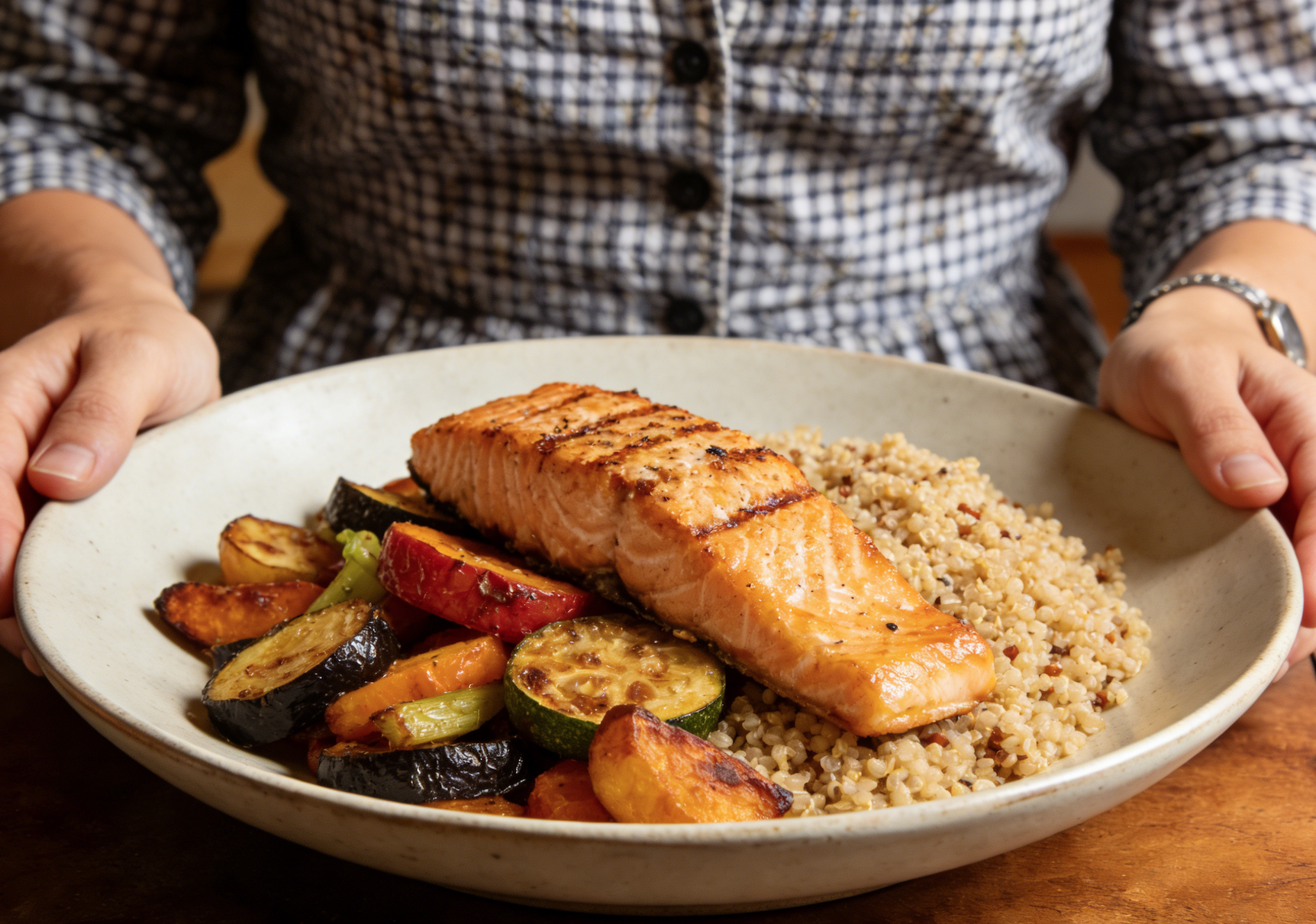
Thin people should also be wary of high blood lipids: genetic and dietary factors and early prevention guidelines.
This article dispels the misconception that "only obese people get high cholesterol," explaining that thin people can also experience abnormal cholesterol levels due to factors such as genetics and poor diet. It emphasizes the importance of managing cholesterol scientifically and preventing cardiovascular and cerebrovascular diseases through the "three early" principles of early detection, early prevention, and early treatment.
2026-03-11
Detailed Guide to Personalized Lipid-Lowering Methods: From Diet and Exercise to Drug Therapy
This article emphasizes that lipid-lowering methods should be tailored to the individual, analyzing various options from dietary control and regular exercise to drug treatment (such as statins and fibrates) and lipid-lowering therapies. Regardless of the method, improving lifestyle, quitting smoking, and limiting alcohol consumption are crucial for regulating blood lipids, and an appropriate plan should be chosen based on individual blood lipid levels.
2026-03-11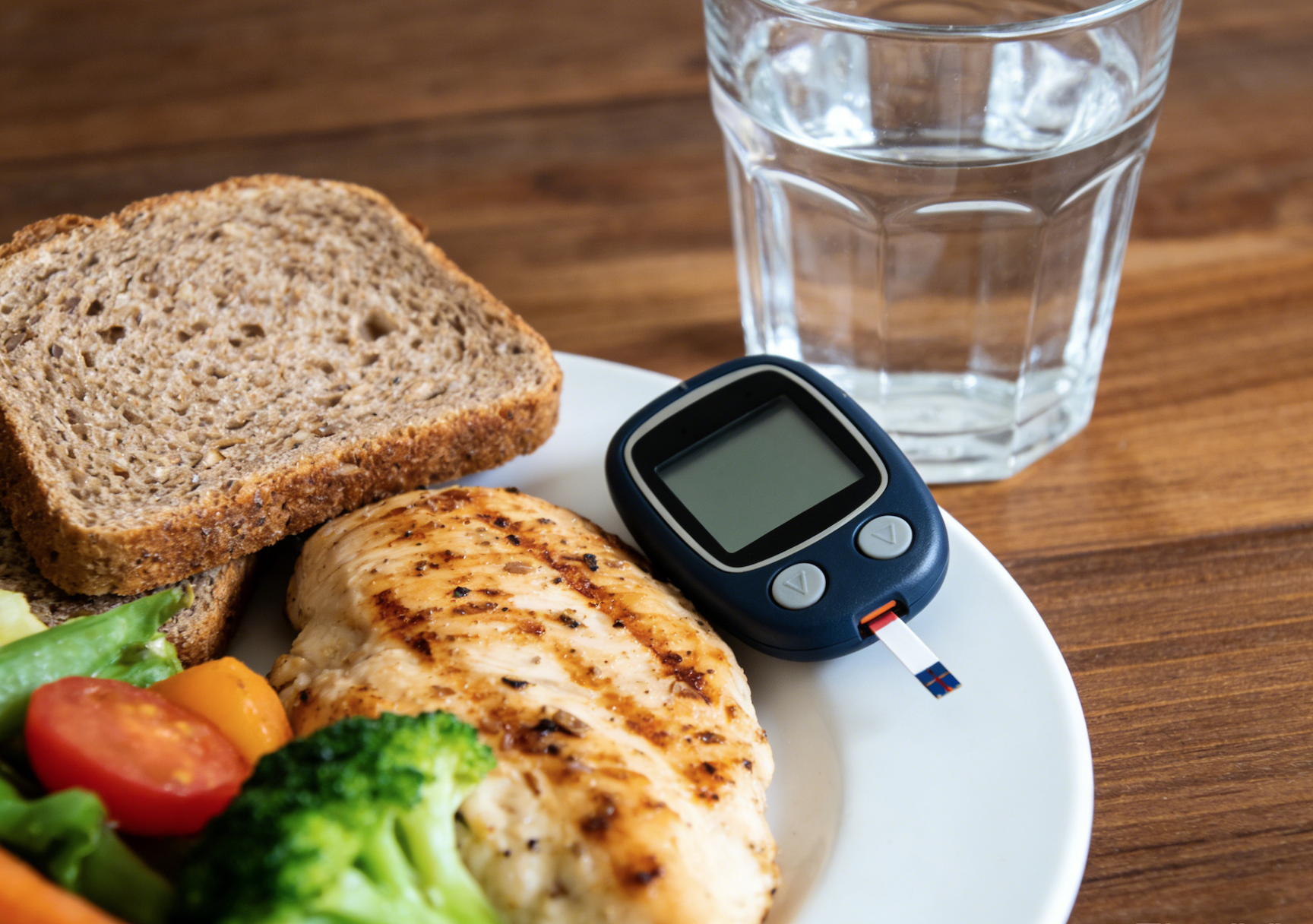
A Comprehensive Analysis of Common Misconceptions about High Cholesterol: Scientific Prevention and Correct Dietary Guidelines
This article provides an in-depth analysis of five common misconceptions about high blood lipids, including neglecting dietary adjustments and misunderstanding drug side effects, emphasizing the importance of comprehensive treatment for managing blood lipids. Properly controlling blood lipids requires a combination of a scientific diet and appropriate medication, avoiding extreme vegetarianism or excessively low cholesterol levels to maintain cardiovascular health.
2026-03-11
Four Major Harms of Smoking to Blood Lipids: Analysis of the Mechanisms of Influence and Health Risks
This article provides a detailed analysis of how smoking harms blood lipid health in four ways: increasing total cholesterol and triglycerides, lowering good cholesterol, and promoting the oxidation of bad cholesterol. It also explores the link between hypothyroidism and blood lipids, helping you to fully understand the risks smoking poses to the cardiovascular system.
2026-03-11
Occupations such as chefs and obesity: Analyzing the causes of high cholesterol in two high-risk groups.
This article provides a detailed analysis of why certain professions, such as chefs, are highly susceptible to dyslipidemia due to their work environment, exposure to cooking fumes, and irregular work and rest schedules. It also explains how obese individuals become high-risk for dyslipidemia due to metabolic problems, helping readers understand and prevent these risks.
2026-03-11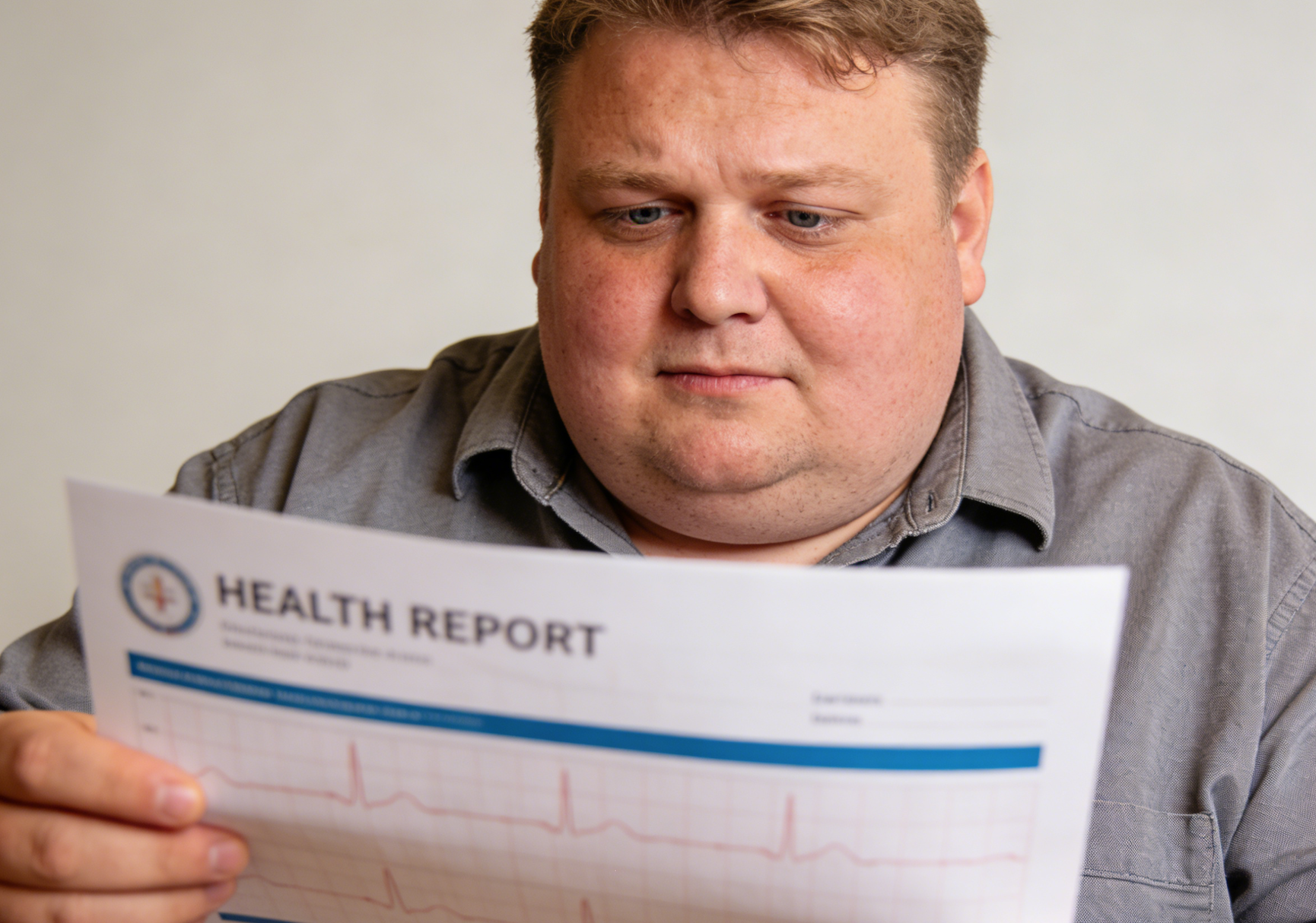
Diabetes and Age: Analyzing the Dual Link Between Dyslipidemia and its Trend Towards Younger Ages
This article provides a detailed analysis of how diabetes leads to lipid metabolism disorders and explains that high blood lipids are not only a common disease among middle-aged and elderly people, but are also showing a high incidence rate among young white-collar workers. Understanding the impact of these two factors on blood lipids emphasizes that people of all ages should have regular blood lipid tests to detect and intervene in cardiovascular and cerebrovascular risks early.
2026-03-11
How does high blood lipid levels cause hearing loss? A scientific guide to managing lipid levels and protecting your hearing.
This article reveals that hyperlipidemia is an important cause of age-related hearing loss and explains in detail the mechanisms by which it damages hearing. It emphasizes that managing lipid levels through dietary adjustments and active treatment is crucial. Effectively controlling blood lipids not only protects the cardiovascular system but is also a key measure in preventing and delaying hearing loss.
2026-03-11
How to identify obesity and manage the risk of high cholesterol: Hazard analysis and dietary therapy
This article guides you on how to assess obesity using Body Mass Index (BMI), particularly highlighting the close relationship between central obesity and elevated blood lipids. It also details the serious harm that dyslipidemia can cause to multiple organs, including the heart, brain, and kidneys, and emphasizes the importance and principles of a balanced diet as a fundamental lipid-lowering therapy.
2026-03-11
Five key measures and lifestyle recommendations for preventing high cholesterol
This article addresses hyperlipidemia, a common urban ailment, and systematically elaborates on five core measures to help you reduce your risk of high blood lipids from the source, establish healthy lifestyle habits, and effectively maintain ideal blood lipid levels. These measures include actively treating the underlying disease, scientifically adjusting your diet, and strengthening physical exercise.
2026-03-11